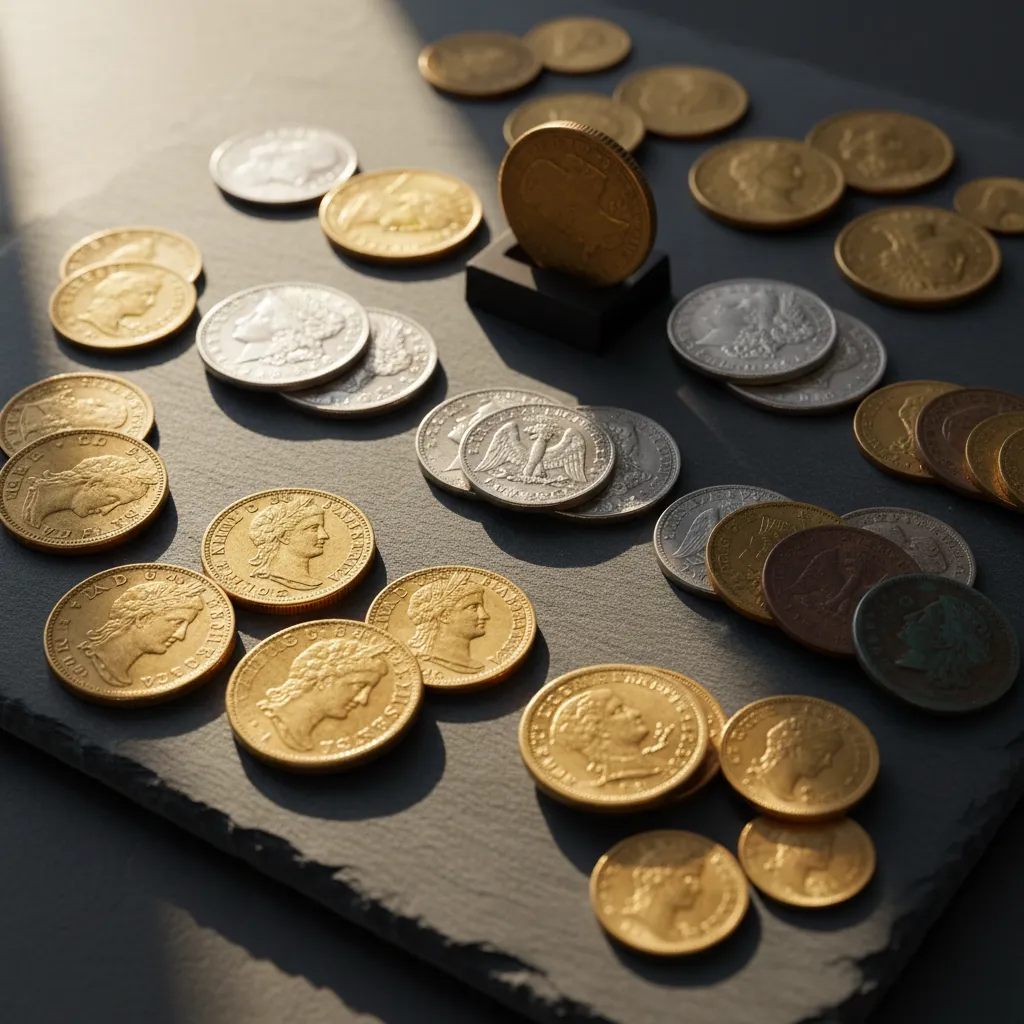
How do appraisers determine what a coin is worth?
Through comparable sales of the same series, date, mint mark, variety, and grade, adjusted for premiums, buyer’s fees, and market movement. The standard references are the PCGS and NGC price guides plus realized prices from auction archives such as Heritage, which carry more weight than dealer asking prices. For bullion coins, the metal content is priced separately from any collector premium.
Can a single grade point really change a coin’s value?
Yes. Grade is often the single most powerful value driver, and one-point moves on the Sheldon scale can cause large price swings near threshold grades such as VF/XF, AU/MS, or MS65/MS66. That is why the report states whether the coin is raw or certified and identifies the grading standard applied.
Should I clean my coins before an appraisal?
Never. Cleaning, polishing, or sanding alters the surfaces and is a major value reducer that graders and buyers detect readily. Keep original holders, collection tickets, pedigrees, and prior sale paperwork too, because they support authenticity and provenance.
What should a defensible coin appraisal document?
Denomination, date, mint mark, variety, condition, authenticity, and provenance, supported by front and back photographs plus edge and mint mark close-ups where relevant. It should note wear, spots, cleaning, or repairs, and value collector coins on grade-matched market evidence rather than face value, melt value, or generic book figures.
Is an insurance value the same as a coin’s fair market value?
No. Insurance appraisals typically use retail replacement values, which run materially above fair market value because they reflect replacing the coin through a dealer channel. The same coin can carry different values for estate, donation, sale, and insurance purposes, so the report must state which definition it uses.









.jpeg)






.png)