














Inventory Appraisal

Certified, USPAP-compliant inventory appraisals and audits for charitable contributions, asset-backed lending, financial reporting, and M&A due diligence.

⚡‍Get an instant response

Thank you! Your submission has been received!
Oops! Something went wrong while submitting the form.
A man appraising furniture in a home. Cartoon image in purple.
Nationwide Service
Onsite or Online
USPAP-Compliant
IRS Qualified
DEFENSIBLE, USPAP-COMPLIANT APPRAISAL REPORTS — QUALIFIED FOR THE IRS, INSURANCE AGENGIES, LENDERS, AND MORE.

Offered by world-class medical equipment appraisers

Joe Kattan

Jason Dolph, CAGA

Tim Roy, ASA, CEA

Ashley Innes, ISA AM

Anne Hay, ISA AM

Aron Blue

About AppraiseItNow's Inventory Appraisal Services

AppraiseItNow provides USPAP-compliant inventory valuations for both tax reporting and lending or transaction diligence.
The scope, procedures, and depth of analysis vary depending on the intended use and your requirements.

Some assignments focus on documenting value for IRS reporting, while others involve physical verification and operational risk assessment for lenders and investors.

Inventory Appraisals for Charitable Donations & Tax Reporting

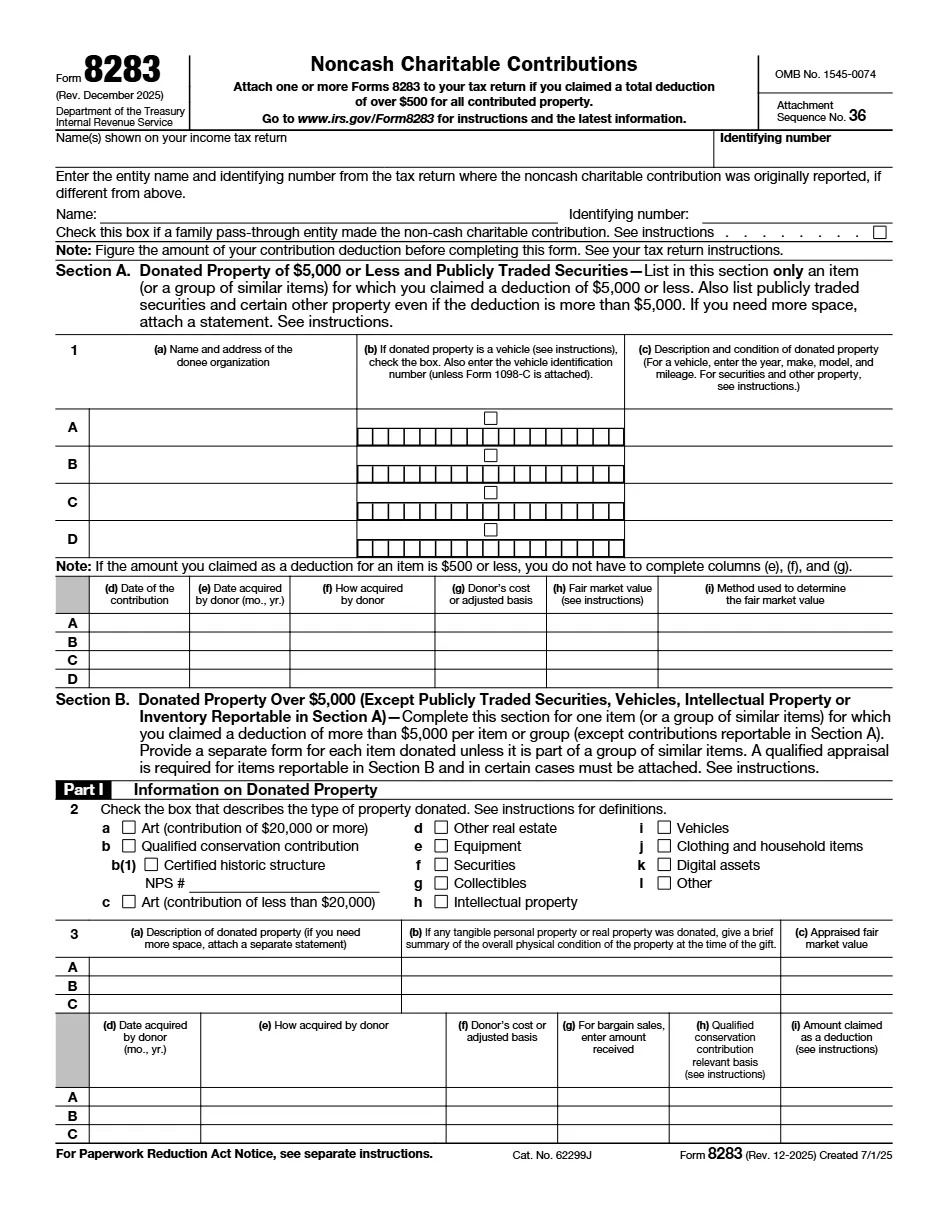
When inventory is donated or transferred for tax purposes, the objective is to develop a defensible opinion of Fair Market Value suitable for filings such as IRS Form 8283. These assignments are primarily documentation-driven and can usually be completed remotely.

How the process works

We review inventory records, quantities, condition details, photographs, and available cost information. Our appraisers then analyze relevant wholesale or secondary markets to determine how comparable goods would transact between willing buyers and sellers at the effective date.

Types of inventory commonly appraised for donation or tax reporting

Most charitable contribution assignments involve finished goods held for resale, such as:

  • Apparel and footwear
  • Consumer electronics
  • Home goods and housewares
  • Furniture and furnishings
  • Health and beauty products
  • Packaged food and beverages
  • Books, media, and educational materials
  • Hardware and building supplies
  • Tools and light equipment
  • Toys, games, and recreational products

If you are unsure whether your inventory qualifies, we can confirm feasibility during scoping.

Typical situations

These appraisals are commonly required for corporate charitable contributions, transfers to nonprofit organizations, liquidation of excess or obsolete goods, and certain estate or trust matters.

What you receive

Clients receive a USPAP-compliant, IRS-qualified appraisal that supports the reported value for filing of Form 8283. The focus is documentation and defensibility rather than operational or audit procedures.

Inventory Appraisals for Lending, Financing & Transaction Diligence

When inventory is used as collateral or evaluated in connection with financing, acquisition, or restructuring, stakeholders require deeper analysis than pricing alone.

In these cases, we examine not just what inventory should sell for — but whether the reported inventory can be relied upon.

Assignments may be conducted remotely, onsite, or through a hybrid approach.

Types of inventory we evaluate

We work across wholesale, retail, and industrial environments, including:

  • Raw materials and components
  • Work-in-process
  • Finished goods
  • Consignment inventory
  • Distributor or dealer stock
  • Returned or damaged items
  • Slow-moving or obsolete goods

What our diligence assignments examine

  1. Quantity verification – We test whether recorded quantities appear reasonable relative to what is physically present.
  2. Value verification – We assess whether costs or carrying values align with observable market evidence.
  3. Operations – We review intake, tracking systems, cycle counts, security, and how shrinkage, returns, and damage are managed.
  4. Activity & obsolescence – We analyze turnover, aging, and exposure to markdown or liquidation risk.
  5. General risk factors – We note operational, facility, or market conditions that could impair recovery.

Approaches to value

Depending on the assignment, we may provide opinions of Fair Market Value, Orderly Liquidation Value, or Forced Liquidation Value. The applicable premise is agreed upon before work begins.

When is an onsite visit recommended?

Site work may be advised when access constraints limit counting, condition or damage is uncertain, physical verification is required for reliance, or logistics could affect recovery.

What you receive

Clients receive a USPAP-compliant report summarizing the procedures performed, information relied upon, and key findings, including any factors that may influence recovery or collateral risk.

This information helps support borrowing base decisions, underwriting, and collateral strategy.

Inventory Appraisals & Audits for commercial and personal clients

Servicing Commercial & Industrial Businesses

AppraiseItNow serves major businesses and commercial clients, including:

  • Banks and lenders
  • Internal finance teams
  • CPAs
  • Attorneys
  • Business Operators

Servicing Individuals & Households

AppraiseItNow also serves individual consumers with projects large and small. These clients often include:

  • High Net Worth Individuals (HNWIs)
  • Business Owners making large donations
  • Couples going through marital divorce
  • Families dealing with estate planning or post-death estate matters
  • Individuals dealing with insurance or other third-party claims
  • Individuals going through major financial or other life events

Written USPAP-compliant appraisal reports for when defensibility matters.

Given the USPAP-compliant nature of AppraiseItNow’s appraisal reports, we prepare our deliverables for major legal, tax, and financial reporting purposes for individual and commercial clients.

Popular uses of our appraisal reports include:

Tax, Estate & Financial Planning

  • Gift and estate tax
  • Charitable donations
  • Investment reporting
  • Estate planning and probate

Transactions, Lending & Investment

  • Loan collateral
  • Purchase price allocation & cost segregation
  • Mergers and acquisitions
  • Investment analysis
  • Bankruptcy Filings

Insurance & Risk Management

  • Insurance coverage
  • Insurance claims (Total Loss and Diminished Value)
  • Third-party claims

Inventory Appraisal – Frequently Asked Questions

What is an inventory appraisal?

An inventory appraisal provides an independent opinion of value for goods held for sale or use in operations. Depending on the assignment, the focus may be tax documentation, collateral evaluation, or recovery analysis.

When is an inventory appraisal required?

They are commonly needed for charitable contributions, estate matters, asset-based lending, financing transactions, restructuring, and internal reporting.

What types of inventory can be appraised?

Assignments frequently include finished goods, raw materials, work-in-process, consignment inventory, returned items, and slow-moving or obsolete products.

Can you provide an appraisal for IRS Form 8283?

Yes. We regularly prepare qualified appraisals to support non-cash charitable contributions of inventory. These assignments focus on developing a defensible Fair Market Value conclusion using documentation, quantities, condition information, and relevant market data.

Do you support asset-based lending (ABL)?

Yes. In ABL and financing contexts, our work often extends beyond pricing to include quantity testing, market support, turnover analysis, and identification of risks that may affect collateral recovery.

Do you perform onsite inspections?

Not always. Some valuations can be completed from records and documentation, while others require site visits when condition, access, or lender reliance demands physical verification.

What value types can be provided?

Depending on the need, we may provide Fair Market Value, Orderly Liquidation Value, or Forced Liquidation Value. The premise is established before work begins.

What does the appraisal evaluate besides price?

In lending and transaction environments, we often assess quantity reliability, market support, turnover, and operational risks that may affect recovery.

Are your reports USPAP compliant?

Yes. When required, assignments are developed and reported in accordance with the Uniform Standards of Professional Appraisal Practice.

How long does the process take?

Timing depends on the size and complexity of the inventory and whether onsite procedures are needed. After initial information is reviewed, we can confirm a delivery schedule.