









<h1>How to Get Your Russian Icon Painting, 17th Century Appraised</h1>
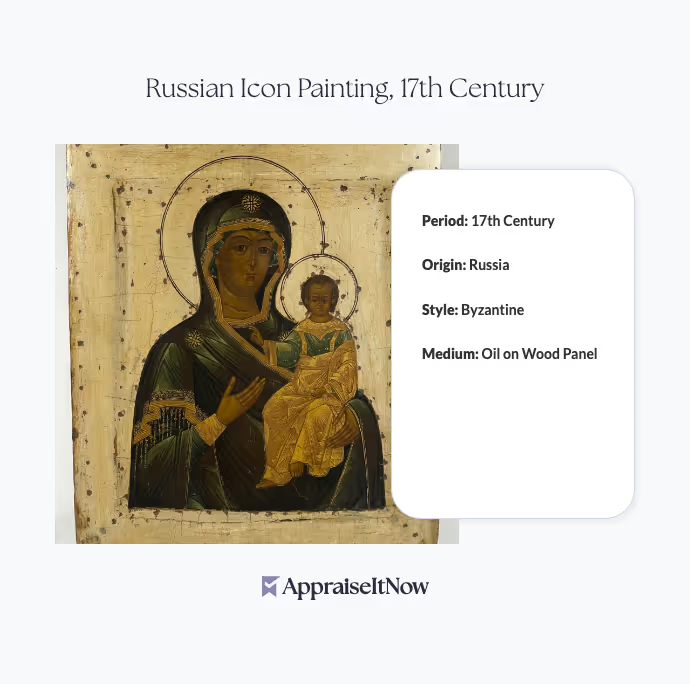
<p>A 17th century Russian icon painting represents far more than religious artwork—it's a window into centuries of Byzantine tradition, cultural heritage, and masterful craftsmanship. Whether you've inherited a family piece, acquired one at auction, or discovered an icon in an estate, understanding what makes these pieces valuable and how to get them professionally appraised ensures you make informed decisions about ownership, insurance, and potential sale.</p>
<h2>Understanding Russian Icon Painting Value</h2>
<p>Russian icons from the 17th century command significant market attention, typically valued between <strong>$3,000 and $8,000</strong> depending on condition, provenance, and artistic merit. These estimates reflect the substantial collector demand for authentic period pieces that demonstrate both historical importance and technical excellence.</p>
<p>What makes a 17th century Russian icon valuable? The answer lies in the convergence of several factors. First, the age itself matters—icons created during this period emerged from a rich Byzantine tradition that had evolved distinctly within Russian culture. Second, the materials reveal intentional craftsmanship: authentic examples feature oil paint applied to wood panels, often enhanced with gold leaf accents that catch light and draw the eye. Third, the subject matter—typically depicting the Virgin Mary, Christ child, or revered saints—holds profound religious and cultural significance that transcends mere monetary value.</p>
<p>The rarity of well-preserved examples from this specific era cannot be overstated. Many 17th century Russian icons suffered deterioration from centuries of exposure, improper storage, or intentional destruction during various historical periods. This scarcity naturally elevates the value of survivors that retain original paint, wood integrity, and authentic finishes.</p>
<h2>Key Features That Influence Appraisal Value</h2>
<p>When appraisers evaluate your Russian icon, they examine specific characteristics that determine where your piece falls within the $3,000–$8,000 range or potentially beyond. The condition of the wood panel itself matters considerably—warping, cracking, or previous repairs can diminish value significantly. Original paint should show age-appropriate patina rather than suspicious uniformity suggesting modern overpainting.</p>
<p>The iconography depicted in your piece affects desirability among collectors. More popular subjects like the Virgin of Vladimir or the Trinity command stronger market interest than lesser-known saints or regional variations. Similarly, icons with documented provenance—particularly those previously held by museums, churches, or renowned collections—carry authentication benefits that support higher valuations.</p>
<div class="callout tip"><p><strong>Appraisal Insight</strong></p>
<p>Gold leaf application and layering techniques visible under magnification help authenticators distinguish genuine 17th century examples from later reproductions or heavily restored pieces.</p></div>
<p>Gold leaf coverage and quality represents another critical factor. Authentic examples display specific wear patterns consistent with centuries of handling and devotional use. The vibrancy of original pigments, when visible beneath accumulated dirt and varnish, suggests excellent preservation that justifies premium pricing. Conversely, icons requiring significant conservation work may command lower initial values, though proper restoration can substantially increase worth.</p>
<h2>Distinguishing Byzantine and Russian Icon Traditions</h2>
<p>Understanding the difference between Byzantine and Russian icons helps contextualize your piece's market position. Byzantine icons, originating in Constantinople and other Eastern Mediterranean centers, established foundational iconographic rules and aesthetic standards that Russian icon painters studied and adapted. However, 17th century Russian icons developed distinctive characteristics reflecting local preferences and available materials.</p>
<p>Russian icon painters of this era maintained the spiritual purpose and formal composition requirements of Byzantine tradition while introducing regional variations in color palettes, facial expressions, and decorative elements. This cultural synthesis makes Russian icons particularly appealing to collectors interested in art history crossroads. Your 17th century icon represents this evolutionary moment when Russian artistic identity was firmly establishing itself while maintaining deep theological connections to earlier Byzantine models.</p>
<h2>The Role of Provenance in Authentication and Value</h2>
<p>When seeking an appraisal, provenance documentation dramatically strengthens your icon's market position. Complete ownership history—whether documented through church records, previous collector documentation, or scholarly publication—provides authentication that professional appraisers value highly. Even partial provenance, such as evidence of museum storage or scholarly examination, enhances credibility.</p>
<p>Many Russian icons lack detailed provenance simply due to the passage of centuries and historical disruptions. If your icon has limited documented history, professional appraisers understand this common situation and evaluate the piece on its intrinsic qualities. However, any available documentation—letters of acquisition, exhibition catalogs, conservation records, or photographs from previous collections—should be compiled and presented during appraisal.</p>
<div class="callout note"><p><strong>Documentation Tip</strong></p>
<p>Photograph your icon from multiple angles before submitting for appraisal. Include close-ups of any signatures, dated inscriptions, or maker's marks that may enhance authentication.</p></div>
<h2>Historical and Cultural Significance Beyond Monetary Value</h2>
<p>What is the most famous Russian icon? The Vladimir Mother of God, dating to the 12th century and housed in Moscow's Tretyakov Gallery, represents the pinnacle of iconic achievement. While your 17th century icon may not achieve such legendary status, it participates in the same cultural and spiritual tradition that made such masterpieces culturally transformative.</p>
<p>The cultural significance of Russian icons extends beyond the art market into religious practice, museum collections, and scholarly study. Icons considered graven images by some Christian traditions hold profound reverence in Orthodox Christianity, where they function as windows to the divine rather than objects of worship themselves. This theological context explains why collectors from diverse backgrounds—religious institutions, academic researchers, and secular collectors—pursue authentic examples.</p>
<p>Icons from the 17th century specifically capture a fascinating historical moment in Russian religious and artistic development. This period preceded major Western art influences and represented a culmination of centuries-old traditions practiced with remarkable consistency. Understanding this historical position helps explain why collectors value these pieces and why professional appraisals recognize their cultural importance.</p>
<h2>Identifying Restoration and Conservation Work</h2>
<p>Conservation history significantly impacts your Russian icon's appraisal value. Professional restorers working on centuries-old pieces face ethical decisions about preservation versus authenticity. Your appraiser will examine evidence of previous conservation—including backing boards added for stability, varnish applications, repainting of damaged areas, or structural reinforcement.</p>
<p>Skilled conservation that respects original materials and techniques may have neutral or slightly positive impact on value, as it demonstrates previous owner commitment to preservation. However, aggressive overpainting, modern varnishes that obscure original pigments, or invasive repairs can substantially reduce market value. Appraisers document conservation history thoroughly, as this information helps future owners understand their piece's condition and care requirements.</p>
<p>For guidance on understanding conservation's role in artwork valuations generally, exploring resources on <a href="/blog/the-impact-of-restoration-and-conservation-on-art-appraisals-balancing-preservation-and-value">the impact of restoration and conservation on art appraisals</a> provides broader context for how professionals evaluate such interventions.</p>
<h2>Market Demand and Collector Interest</h2>
<p>Who collects Russian icons today? The collecting community spans Orthodox churches seeking liturgical pieces, academic institutions building art history collections, private collectors attracted to religious iconography, and investors recognizing these artworks as stable alternative assets. This diverse demand base supports relatively stable market values compared to some specialized art categories.</p>
<p>Regional variations in demand can affect your icon's value. Collectors in areas with significant Orthodox Christian populations may show stronger interest and support higher prices than regions where Russian icons represent more exotic acquisitions. International market dynamics also matter—Russian icons attract European collectors with established Byzantine and Eastern Orthodox collecting traditions.</p>
<div class="callout tip"><p><strong>Market Insight</strong></p>
<p>Icons with strong iconographic clarity and excellent condition within the $5,000–$8,000 range typically find active buyer interest, while pieces requiring significant restoration often settle toward the $3,000–$4,000 baseline.</p></div>
<h2>Choosing Professional Appraisal Services</h2>
<p>When you're ready to get your Russian icon appraised, selecting appropriate expertise becomes crucial. You want appraisers with specific experience in <a href="/types/antique-artwork">antique artwork</a> valuation who understand religious iconography, historical authentication methods, and current market dynamics. Generalist appraisers lacking specialization in icons may undervalue your piece or miss important authentication details.</p>
<p>AppraiseItNow connects you with credentialed experts across the U.S., including appraisers holding AAA, ISA, ASA, CAGA, and AMEA certifications. These professionals understand USPAP (Uniform Standards of Professional Appraisal Practice) compliance requirements, ensuring your appraisal meets standards required for insurance, estate settlement, donation documentation, or litigation purposes.</p>
<p>The appraisal process for your icon typically involves detailed photographic documentation, condition assessment, iconographic analysis, comparison with recently sold comparable pieces, and research into your specific icon's potential provenance. Experts may recommend professional conservation assessment to determine current condition and estimate restoration costs if needed. For detailed information about the full appraisal process for religious artwork, explore our comprehensive guide on <a href="/blog/understanding-artwork-appraisals">understanding artwork appraisals</a>.</p>
<h2>Insurance and Estate Planning Considerations</h2>
<p>A certified appraisal of your Russian icon serves multiple practical purposes beyond curiosity about monetary value. Insurance companies require professional valuations before providing coverage for significant artworks, and your icon's $3,000–$8,000+ value makes insurance protection wise. Without proper documentation, an insurance claim following loss or damage could result in settlement disputes and inadequate compensation.</p>
<p>Estate planning also benefits from professional appraisals. If you're incorporating your icon into your will, trust documents, or family asset distribution plans, certified valuations provide clear documentation of its worth for tax purposes and ensure equitable distribution among heirs. Additionally, if you're considering donating your icon to a museum or charitable organization, tax deductions require professional appraisal documentation that meets IRS standards.</p>
<h2>Making Your Appraisal Investment Worthwhile</h2>
<p>Submit your icon for appraisal with realistic expectations about the process timeline and costs. Professional appraisals of specialized items like Russian icons typically require 2–4 weeks as appraisers research comparable sales, examine your piece thoroughly, and prepare detailed documentation. Fees vary based on complexity, but expect to invest $300–$600 for comprehensive, certified appraisal services.</p>
<p>For comprehensive guidance on selecting qualified appraisers and understanding appraisal costs, our resource on <a href="/blog/how-to-find-a-qualified-appraiser-for-antique-artwork">how to find a qualified appraiser for antique artwork</a> provides detailed direction.</p>
<p>Gather any available documentation before submitting your icon—photographs showing the piece in context, any written history you possess, conservation records, previous appraisals, or exhibition catalogs. This preparation accelerates the appraisal process and allows experts to conduct more thorough research into your specific piece's background and market position.</p>
<div class="callout note"><p><strong>Key Takeaway</strong></p>
<p>A professional appraisal of your 17th century Russian icon provides authentic market valuation between $3,000–$8,000, comprehensive authentication documentation, and the confidence that comes from expert assessment. Whether you're insuring your piece, planning your estate, or evaluating a potential acquisition, certified appraisals from specialized experts ensure you understand both the historical significance and true monetary value of this remarkable window into Byzantine and Russian artistic tradition.</p></div>