









<h1>How to Get Your Northwest Coast Haida Totem Pole Appraised</h1>
<p>Understanding the true value of a <strong>Northwest Coast Haida totem pole</strong> requires more than a casual estimate. Whether you're preparing to sell, donate, or safeguard an inherited piece, a professional appraisal grounded in market data, cultural significance, and provenance documentation ensures you understand what your piece is truly worth. Current market estimates for quality Haida totem poles range from <strong>$6,500 to $9,500</strong>, though this varies significantly based on several key factors.</p>
<h2>Understanding Haida Totem Pole Market Value</h2>
<p>Haida totem poles represent some of the most culturally significant and sought-after indigenous art pieces in North America. These carved wooden poles serve as powerful symbols of the Haida's deep connection to the natural world and their complex spiritual beliefs, making their appraisal fundamentally different from standard <a href="/types/artwork">artwork appraisals</a>. The market value of a Haida or Northwest Coast totem pole is determined through a combination of artistic merit, cultural significance, age, condition, and documented provenance.</p>
<p>The Haida people, a First Nations group indigenous to the Pacific Northwest region, created totem poles for centuries as representations of family lineages, spiritual connections, and mythological narratives. When assessing how the market value of a Haida totem pole is determined, appraisers must consider both monetary factors and cultural context. Unlike mass-produced items, each totem pole carries a unique story, making comparative market analysis essential for accurate valuation.</p>
<div class="callout tip"><p><strong>Appraisal Insight</strong></p>
<p>Private collectors and museums actively bid for authentic Haida totem poles, particularly those with documented artist attribution or significant provenance history, which can command 20-30% premiums over pieces lacking clear documentation.</p></div>
<h2>Key Factors Affecting Your Totem Pole's Value</h2>
<p>When evaluating what factors most affect the appraisal value of a Haida totem pole, professional appraisers assess multiple interconnected elements. Your totem pole's age stands as a primary value driver—pieces from the mid-20th century, particularly those crafted in the 1960s or earlier, command strong market interest. If your totem pole was created by a master Haida woodcarver, especially if the artist is identifiable and known for recognized work, this significantly elevates its worth.</p>
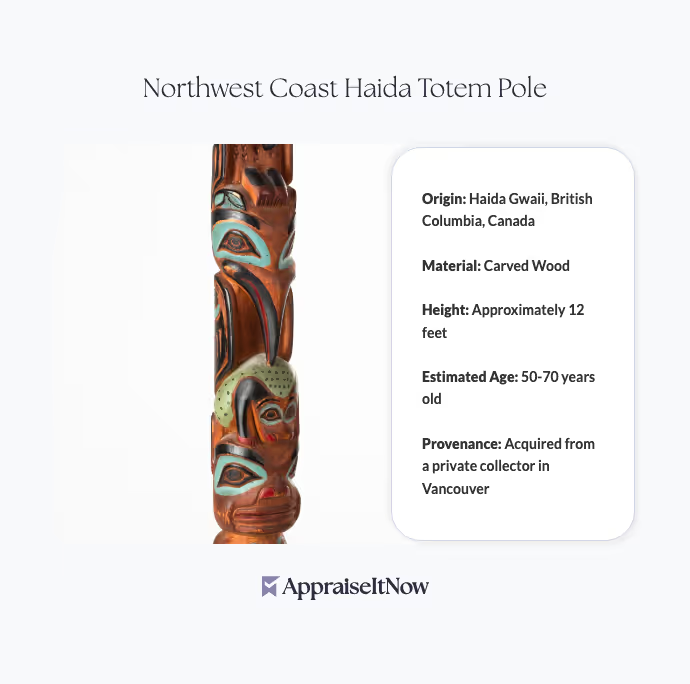
<p>The <strong>condition and restoration history</strong> of your piece directly impacts its appraisal value. Original finishes with vibrant color palettes—particularly the traditional red, black, and green pigments characteristic of authentic Haida work—maintain higher valuations than pieces requiring significant restoration. Size matters considerably; larger, more imposing poles that required exceptional skill to carve typically carry premium valuations. The depicted mythological figures and symbolism also influence desirability, with certain narrative themes commanding stronger collector preference.</p>
<p>Materials and construction techniques reveal authenticity. Master Haida artisans crafted totem poles from select cedar wood chosen for its durability and workability, with hand-carved details and traditionally applied pigments. The degree of weathering and natural patina can either enhance character or indicate need for preservation intervention—a nuanced distinction that trained appraisers navigate through careful examination and knowledge of conservation best practices for indigenous materials.</p>
<div class="callout note"><p><strong>Technical Detail</strong></p>
<p>Provenance documentation showing continuous ownership history—particularly if your totem pole was owned by a respected collector for extended periods—provides the evidence appraisers need to establish authenticity and market desirability.</p></div>
<h2>Verifying Authenticity and Provenance</h2>
<p>How can you verify the authenticity and provenance of a Northwest Coast totem pole? This question sits at the heart of responsible collecting and appraisal. Authentic Haida totem poles exhibit specific carving techniques, proportional relationships, and stylistic elements that distinguish them from reproductions or works by other Northwest Coast groups. When seeking professional appraisal services, ensure you engage appraisers experienced with <a href="/blog/evaluating-cultural-heritage-appraisals-of-indigenous-art-and-artifacts">indigenous art and cultural heritage</a>, as this specialized expertise proves essential for authentication.</p>
<p>Legitimate documentation includes clear ownership records, acquisition dates, and ideally, artist attribution. Museum catalogs, exhibition histories, and provenance chains from respected dealers strengthen authentication. If your totem pole came from an estate or collection with documented history, this significantly increases confidence in its authenticity. Appraisers also examine photographic records taken over decades, as consistent appearance supports authentic age claims versus newly created pieces.</p>
<p>Stylistic analysis by experts familiar with Haida artistic traditions reveals authentic construction methods. Haida woodcarvers maintained specific proportional relationships between figures, used particular carving tools that leave distinctive marks, and applied pigments in patterns consistent with cultural traditions. Professional appraisers leverage knowledge of these artistic signatures to distinguish genuine Haida work from contemporary Native Northwest Coast art by other groups or non-Indigenous creators.</p>
<div class="callout tip"><p><strong>Authenticity Standard</strong></p>
<p>Request documentation of previous exhibitions, museum accessions, or publication in recognized tribal art catalogs when seeking appraisal—these establish credibility stronger than any verbal assurance.</p></div>
<h2>Ethical and Legal Considerations in Totem Pole Transactions</h2>
<p>Understanding the legal and ethical issues affecting the sale or appraisal of Native Northwest Coast totem poles shapes responsible ownership and transaction practices. Repatriation laws and cultural sensitivity concerns have profoundly influenced how totem poles are bought, sold, and valued in contemporary markets. The Native American Graves Protection and Repatriation Act (NAGPRA) established frameworks for federal institutions to return certain items to Native tribes, creating important distinctions between legally transferable private holdings and culturally sensitive pieces.</p>
<p>Export restrictions apply when moving totem poles across international borders, with Canada imposing specific regulations on historic indigenous artifacts. Your appraisal professional should understand these jurisdictional requirements, particularly if your piece might be subject to export controls or if its sale requires compliance with tribal consultation protocols. Museums increasingly require documentation that pieces were acquired through legitimate channels respectful of indigenous sovereignty before accepting donations or facilitating transactions.</p>
<p>When seeking appraisal services from experienced professionals like those at <strong>AppraiseItNow</strong>, your appraiser can advise on legal compliance, ethical sourcing documentation, and market standards that respect both Haida cultural values and your ownership rights. This balanced approach ensures transactions proceed appropriately while maintaining market confidence in piece authenticity and ethical provenance.</p>
<h2>Documentation Requirements for Online Appraisal</h2>
<p>What documentation, photos, and measurements should you provide for an online appraisal of a totem pole? Professional appraisers require comprehensive visual and dimensional data to accurately assess your piece remotely. Start by providing multiple high-resolution photographs capturing the totem pole from multiple angles—front, back, sides, and detailed close-ups showing carving details, color palette, and surface condition. Include photographs of any identifying marks, signatures, or documentation attached to the piece.</p>
<p>Measurements are essential for appraisal accuracy. Record the total height, maximum diameter or width, and if possible, dimensions of individual figure sections within the pole. Note the weight if you're able to determine it, as this indicates wood density and material quality. Document any color information systematically, photographing under consistent lighting to capture the full palette of pigmentation across the work.</p>
<p>Provide written description of the subject matter—which Haida figures or mythological narratives the pole depicts, any known artist attribution, acquisition history, previous ownership details, and any documentation you possess. Include conservation or restoration history, noting any areas that have been professionally treated versus original carved surfaces. When providing this information through online platforms like AppraiseItNow, you create the comprehensive record that allows specialists in <a href="/blog/appraising-ethnographic-artifacts-evaluating-cultural-heritage-for-institutions">ethnographic and cultural heritage appraisals</a> to deliver accurate valuations.</p>
<div class="callout tip"><p><strong>Documentation Best Practice</strong></p>
<p>Create a dated inventory file with your photographs, measurements, and ownership documentation—this serves both appraisal purposes and insurance coverage verification.</p></div>
<h2>Understanding Appraisal Timelines and Report Scope</h2>
<p>Professional totem pole appraisal timelines depend on complexity and documentation availability. Straightforward valuations of well-documented pieces may be completed within 1-2 weeks, while comprehensive assessments of culturally significant or historically complex pieces may require 2-4 weeks for thorough research and authentication. Your appraiser needs time to access comparative sales data, consult specialized references on Haida artistic traditions, and potentially communicate with museums or collectors for market validation.</p>
<p>USPAP-compliant reports for your totem pole appraisal provide detailed methodology explaining how your appraiser arrived at the valuation conclusion. The report documents the highest and best use of your piece, analysis of comparable sales, condition assessment with photographs, and market conditions supporting the valuation range. This level of documentation proves essential whether you're using the appraisal for insurance coverage, estate planning, or potential sale through auction or private treaty.</p>
<p>Professional reports from credentialed appraisers like those representing <strong>AppraiseItNow</strong> include detailed provenance analysis, authentication conclusions supported by stylistic and material examination, and market commentary contextualizing your piece within current collecting trends. The report becomes a permanent record accompanying your totem pole, enhancing its market credibility and ensuring future valuations can reference established provenance and condition documentation.</p>
<h2>Finding Experienced Indigenous Art Appraisers</h2>
<p>Where can you find credentialed appraisers experienced with Indigenous Northwest Coast art? Look for specialists holding credentials from recognized appraisal organizations including <strong>ASA</strong> (American Society of Appraisers), <strong>ISA</strong> (International Society of Appraisers), <strong>AAA</strong> (American Association of Appraisers), <strong>CAGA</strong> (Canadian Association of Goldsmiths Appraisers), or <strong>AMEA</strong> (American Gem Society). These professional designations indicate adherence to USPAP standards and ongoing education in appraisal methodology.</p>
<p>Seek appraisers with documented experience in tribal art, ethnographic artifacts, or indigenous crafts. Their professional backgrounds should include published research, museum consultation work, or significant collection exposure demonstrating specialized knowledge of Northwest Coast artistic traditions. Ask for references from previous clients, particularly museums or institutional collectors who have relied on their expertise for significant pieces. Professional affiliations with indigenous arts organizations or Native American collector groups further validate specialized knowledge.</p>
<p><strong>AppraiseItNow</strong> connects you with vetted appraisers throughout the U.S. who specialize in indigenous and cultural heritage items, ensuring your totem pole receives assessment from professionals understanding both technical appraisal methodology and cultural significance. This expertise ensures your appraisal report gains recognition from insurance companies, auction houses, and institutional buyers familiar with the specialized requirements of <a href="/blog/unveiling-the-world-of-tribal-art-appraising-masks-sculptures-and-textiles">tribal art appraisals</a>.</p>
<h2>Market Demand and Recent Auction Results</h2>
<p>How does market demand and recent auction results for Northwest Coast totem poles influence current valuations? Understanding contemporary collecting trends helps contextualize your piece's value within broader market dynamics. Recent years have shown growing institutional interest in indigenous Pacific Northwest art, with major museums and collectors actively acquiring pieces for permanent collections. This sustained demand maintains market strength despite economic fluctuations affecting other art categories.</p>
<p>Auction house sales data provides concrete market benchmarks. Pieces with strong provenance and documented artist attribution typically achieve 15-20% premiums over comparable anonymous examples. Regional auction houses specializing in Native American art (such as those operating in Seattle, Portland, or Vancouver) provide more accurate price discovery than generalist houses, as specialists command expertise attracting serious collectors. Comparative analysis of recent sales from similar periods and artistic quality informs realistic valuation ranges.</p>
<p>The $6,500-$9,500 valuation range for quality Haida totem poles reflects current market consensus for pieces in good condition with documented provenance. Particularly exceptional examples—those with master artist attribution, significant size, exceptional carving detail, or exceptional historical significance—exceed this range. Understanding where your specific piece positions within this spectrum requires the comparative market analysis that professional appraisers conduct through access to auction results, dealer sales data, and institutional market tracking.</p>
<div class="callout note"><p><strong>Market Context</strong></p>
<p>Growing recognition of indigenous artistic achievements among sophisticated collectors has created more stable valuations for authentic Northwest Coast totem poles compared to decades past, when these pieces commanded less collector interest and market recognition.</p></div>
<h2>Summary: The Value of Professional Appraisal</h2>
<p>Your Northwest Coast Haida totem pole represents far more than a financial asset—it embodies cultural heritage, artistic achievement, and historical significance. Whether you own a piece worth $6,500 or one commanding premium valuations, professional appraisal documentation ensures you understand its true market value while maintaining ethical standards respecting Haida cultural traditions.</p>
<p>Engaging credentialed appraisers experienced with <a href="/blog/exploring-the-role-of-regional-styles-in-art-appraisals-understanding-local-markets">indigenous art and cultural heritage evaluation</a> provides the USPAP-compliant documentation essential for insurance coverage, estate planning, institutional donation, or potential sale. These comprehensive reports document provenance, verify authenticity, and establish market positioning that protects your interests and maintains confidence among potential buyers or institutional partners.</p>
<div class="callout note"><p><strong>Key Takeaway</strong></p>
<p>A professional appraisal of your Haida totem pole delivers certified documentation, market expertise, and cultural knowledge necessary to confidently understand its value, ensure proper insurance coverage, and make informed decisions about your ownership while respecting the cultural significance these remarkable pieces embody.</p></div>