









<h1>How to Get Your Cherokee Pottery Wedding Vase Appraised</h1>
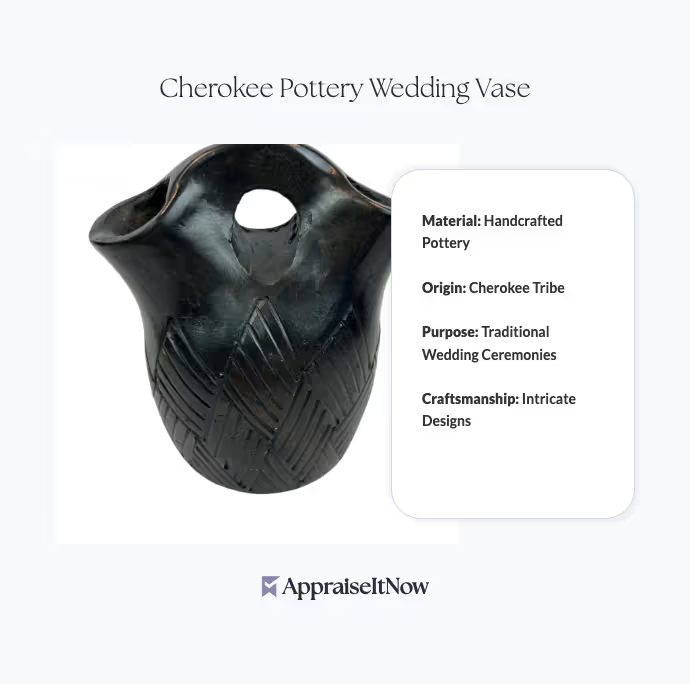
<p>If you're considering buying, selling, or insuring a Cherokee pottery wedding vase, understanding how to properly appraise this historically significant piece is essential. These handcrafted vessels represent more than decorative art—they embody centuries of Cherokee cultural heritage and artistic tradition, commanding values between <strong>$500 and $800</strong> for well-preserved examples. Getting an accurate appraisal ensures you understand what your piece is truly worth.</p>
<h2>Understanding What Makes Cherokee Pottery Wedding Vases Valuable</h2>
<p>Cherokee pottery wedding vases have become increasingly sought-after among collectors and cultural enthusiasts. These vessels were traditionally crafted by skilled Cherokee artisans using clay sourced locally and decorated with symbolic Cherokee motifs passed down through generations. The question of what constitutes a valuable pottery piece often comes down to craftsmanship, rarity, and cultural significance—all of which apply directly to Cherokee wedding vases.</p>
<p>The value of your wedding vase depends on several interconnected factors. First introduced in the 19th century, these vases were used in important cultural ceremonies and events, lending them additional significance beyond their aesthetic appeal. The quality of craftsmanship evident in the intricate designs, the condition of the piece, and the availability of well-preserved examples all contribute to market pricing. Unlike mass-produced ceramics, authentic Cherokee pieces reflect the artistic heritage of the Cherokee people and represent a finite supply of historically meaningful objects.</p>
<div class="callout tip"><p><strong>Valuation Insight</strong></p>
<p>Cherokee pottery wedding vases with documented provenance and clear artist attribution often command premiums of 15-25% above standard market estimates.</p></div>
<h2>Key Characteristics That Affect Appraisal Value</h2>
<p>When evaluating your Cherokee pottery wedding vase, professional appraisers examine several technical and aesthetic elements. Understanding what indicators of value exist helps you prepare for a professional assessment and identify whether your piece likely falls at the lower or higher end of the $500-$800 range.</p>
<p><strong>Authenticity and Origin</strong> forms the foundation of any appraisal. Genuine Cherokee pieces feature specific clay composition, firing techniques, and decorative methods that distinguish them from reproductions or work by non-Cherokee artisans. The presence of traditional Cherokee motifs and symbols on your vase signals authentic cultural production. When evaluating whether your pottery is Native American or Cherokee specifically, understanding that Cherokee pottery represents a distinct artistic tradition within broader Native American ceramics becomes crucial.</p>
<p>The age and condition of your piece significantly impact its appraisal value. Original examples from the 19th or early 20th centuries command higher valuations than later reproductions, though well-executed modern pieces by established Cherokee artists can also be valuable. Look for signs of authentic aging—natural patina, appropriate wear patterns, and original firing marks on the base. The question of what marks on the bottom of a vase mean becomes relevant here; Cherokee pottery often bears maker's signatures, potter's marks, or firing numbers that help establish authenticity and artist identity.</p>
<p><strong>Size and Visual Impact</strong> matter considerably in ceramic appraisals. Wedding vases traditionally feature two spouts or openings connected to a single vessel—a functional design reflecting their ceremonial purpose. The proportion and balance of your vase, combined with the intricacy of its decorative elements, influence desirability among collectors. Pieces with balanced proportions, clear symbolic designs, and visual appeal to contemporary collectors typically achieve higher valuations than those with less refined aesthetics.</p>
<h2>The Role of Documentation in Appraisals</h2>
<p>Professional appraisers want to understand your vase's history and provenance. If you can provide documentation of previous ownership, gallery or museum exhibition records, or artist information, include this with your appraisal request. Documentation establishes a chain of custody that validates authenticity and can increase your piece's appraised value.</p>
<p>When seeking professional guidance on how to identify Native American pottery, appraisers rely on visual assessment combined with any available historical records. The techniques for identifying Native American pottery—including clay composition analysis, decorative method examination, and comparison with known examples—inform professional valuations. If your vase includes artist attribution or maker identification, this documentation becomes invaluable to the appraisal process.</p>
<p>For those wondering how to find out how much pottery is worth online, remember that internet research provides starting points but cannot replace professional assessment. Online databases and auction records offer market context, but your specific piece requires hands-on evaluation by someone with expertise in Native American art and <a href="/types/antique-artwork">antique artwork</a> valuation. This distinction parallels how understanding <a href="/blog/what-do-appraisers-look-for-when-appraising-antique-artwork">what appraisers look for when evaluating antique artwork</a> helps you prepare for a formal assessment.</p>
<div class="callout note"><p><strong>Documentation Tip</strong></p>
<p>Gather any information about where and when you acquired the vase, previous owner details, and any gallery or museum labels still attached to the base.</p></div>
<h2>Market Dynamics and Collector Interest</h2>
<p>Cherokee pottery wedding vases occupy a unique position in the broader <a href="/types/memorabilia-and-collectibles">memorabilia and collectibles</a> market. Cultural heritage pieces have gained substantial collector attention over the past two decades as appreciation for indigenous artistic traditions has grown. This increased interest directly supports the valuation range of $500-$800 for quality examples.</p>
<p>The rarity of well-preserved examples contributes significantly to sustained market demand. Since these vases were functional ceremonial objects used over generations, finding specimens in excellent condition becomes progressively more difficult. Museums and private collectors compete for authenticated pieces, supporting values and creating a stable market for quality examples seeking appraisal.</p>
<p>Understanding the broader context of <a href="/blog/appraising-ethnographic-artifacts-evaluating-cultural-heritage-for-institutions">appraising ethnographic artifacts and evaluating cultural heritage</a> helps explain why Cherokee pottery commands consistent interest. These pieces represent tangible connections to Cherokee culture and artistic traditions, making them valuable both culturally and financially. The traditions of Cherokee weddings themselves—where these vessels played functional and symbolic roles—add historical depth that collectors appreciate.</p>
<h2>When to Seek Professional Appraisal</h2>
<p>You should obtain a professional appraisal for your Cherokee pottery wedding vase in several circumstances. If you're considering selling through galleries, auction houses, or private collectors, a certified valuation provides both you and potential buyers with credible documentation of value. For insurance purposes, particularly if your piece is valuable or irreplaceable culturally, professional appraisal creates the documentation your insurance company requires for coverage purposes.</p>
<p>Estate planning represents another important scenario for appraisal. If you're including the vase in estate distribution or preparing for inheritance tax purposes, a certified appraiser provides the documentation needed for legal proceedings. Similarly, if you're considering donation to a museum or cultural institution for tax deduction purposes, a USPAP-compliant appraisal establishes the monetary value necessary for charitable contribution documentation.</p>
<p>Even collectors seeking to understand their collection's total value benefit from periodic professional appraisals. Market values for cultural heritage pieces fluctuate, and pieces that may have been relatively affordable 10-15 years ago could now be worth significantly more. Professional appraisers keep current with market trends and can provide updated valuations reflecting contemporary demand and cultural significance appreciation.</p>
<h2>Finding the Right Appraiser for Your Piece</h2>
<p>Not all appraisers have expertise in Native American ceramics or <a href="/blog/evaluating-cultural-heritage-appraisals-of-indigenous-art-and-artifacts">ethnographic artwork valuation</a>. When selecting an appraiser, prioritize someone with demonstrated experience in Cherokee art, Native American pottery, or indigenous cultural artifacts. Professional credentials matter—look for appraisers affiliated with recognized organizations like the American Society of Appraisers (ASA), International Society of Appraisers (ISA), or similar credentialing bodies.</p>
<p>Ask potential appraisers about their specific experience with Cherokee pottery and cultural heritage pieces. Understanding their methodology—how they examine pieces, research comparable sales, and document their findings—helps ensure you receive a thorough, credible appraisal. Appraisers should be able to explain their valuation approach clearly and provide detailed written reports suitable for insurance, sale, or legal purposes.</p>
<p>AppraiseItNow connects collectors with certified appraisers across the U.S. who specialize in <a href="/types/personal-property">personal property</a> including cultural artifacts and fine ceramics. Our network includes experts with specific expertise in Native American art, ensuring your Cherokee wedding vase receives knowledgeable assessment and USPAP-compliant documentation.</p>
<div class="callout tip"><p><strong>Expert Selection</strong></p>
<p>Request references from previous clients and verify credentials with appraiser organizations before committing to a formal valuation.</p></div>
<h2>The Appraisal Documentation Process</h2>
<p>When you submit your Cherokee pottery wedding vase for appraisal, expect a comprehensive evaluation process. Professional appraisers examine physical condition, assess authenticity through visual analysis and historical comparison, research comparable recent sales, and document findings in detailed written reports. High-resolution photographs capture all angles, decorative details, and maker's marks that contribute to authentication and valuation.</p>
<p>The resulting appraisal report should include detailed descriptions of your vase's dimensions, materials, condition, artistic elements, and cultural significance. Market analysis sections explain comparable sales data and current demand for similar pieces. The final valuation establishes fair market value—what a willing buyer would pay a willing seller, neither under pressure—providing the foundation for insurance coverage, sale negotiations, or estate purposes.</p>
<p>Quality appraisal reports also address broader market context. Understanding that your $600 Cherokee wedding vase represents strong value in the current market of $500-$800 examples, and knowing why pieces at this price point are valued accordingly, helps you make informed decisions about your collection or acquisition plans.</p>
<h2>Preserving Your Vase's Value</h2>
<p>Maintaining your Cherokee pottery wedding vase in excellent condition protects both its monetary value and cultural integrity. Proper storage involves controlled environment conditions—avoiding extreme temperature fluctuations and maintaining moderate humidity levels that prevent clay cracking or glaze degradation. Display your vase where it won't experience vibration from foot traffic or be subject to accidental impact.</p>
<p>Handle your piece carefully, supporting the base and body rather than grasping at spouts or delicate rim areas. When cleaning, use only gentle methods—soft brushes and minimal water—to avoid damaging original surfaces, patina, or decorative elements. Never attempt restoration or aggressive cleaning; even well-intentioned efforts can reduce value by disturbing original materials and finishes that appraisers use to authenticate pieces.</p>
<p>Documentation preservation matters equally. Keep photographs, appraisal reports, purchase records, and any provenance information organized and safely stored. This documentation supports future appraisals, insurance claims, or resale decisions. For guidance on proper conservation, resources exploring <a href="/blog/understanding-the-value-of-antique-furniture-examining-quality-and-rarity">understanding the value of antique artwork through proper appraisal methods</a> offer insights applicable to ceramic preservation as well.</p>
<div class="callout note"><p><strong>Key Takeaway</strong></p>
<p>A professional appraisal of your Cherokee pottery wedding vase provides certified documentation of its $500-$800 market value, ensuring accurate insurance coverage, informed sale decisions, and proper preservation of this culturally significant artistic piece. Appraisers specializing in Native American ceramics bring expertise that generic valuations cannot match, giving you confidence in understanding what your vase is truly worth in today's market.</p></div>