No Frequently Asked Questions Found.
An automobile appraisal represents a meticulous professional assessment that determines a vehicle's comprehensive market value through systematic evaluation. This detailed process goes beyond simple price estimation, involving a nuanced examination of multiple critical aspects that collectively define a vehicle's worth.
The appraisal process encompasses a holistic review of the automobile's condition, considering both tangible and intangible elements. Certified appraisers conduct an in-depth inspection that scrutinizes the vehicle's physical state, including exterior integrity, mechanical performance, interior quality, and overall functionality. They simultaneously analyze historical records, market trends, and specific vehicle characteristics to generate an accurate valuation.
Key components of the appraisal process include comprehensive examination of vehicle condition, extensive market research, thorough review of vehicle history, and utilization of advanced technological tools. Appraisers meticulously document their findings, producing a detailed report that provides a defensible and objective assessment of the vehicle's true market value.
This evaluation serves critical purposes across various contexts, including insurance documentation, sales transactions, legal proceedings, and financial planning. By providing an impartial and scientifically grounded assessment, automobile appraisals offer stakeholders a reliable mechanism for understanding a vehicle's precise economic standing.
The ultimate goal of an automobile appraisal is to deliver a transparent, defensible, and accurate representation of a vehicle's current market value, accounting for its unique characteristics, condition, and broader market dynamics.
Online automobile appraisals have transformed the vehicle valuation process, offering unprecedented convenience and accuracy. Modern technology enables comprehensive assessments without traditional in-person evaluations, making the appraisal experience more accessible and efficient.
Appraisers can now conduct thorough evaluations using multiple digital methodologies. High-quality photographs combined with detailed vehicle information allow professionals to assess a car's condition, market value, and unique characteristics. Owners simply submit images and provide comprehensive details about the vehicle's make, model, year, mileage, and specific condition.
Digital communication tools have further enhanced the online appraisal process. Through email, text, and video conferencing platforms, vehicle owners can interact directly with appraisers, answering questions and providing additional context about their automobile. Live video consultations enable real-time assessments, creating an interactive and transparent valuation experience.
The process maintains professional standards, ensuring USPAP compliance across different states. This approach guarantees that online appraisals meet rigorous industry benchmarks for accuracy and reliability. Vehicle owners can confidently obtain precise valuations for various purposes, including insurance claims, potential sales, trade-ins, and financial documentation.
By embracing digital technologies, automobile appraisals have become more flexible, accessible, and user-friendly. The ability to receive a comprehensive vehicle assessment from anywhere, at any time, represents a significant advancement in automotive valuation services.
Automobile appraisers are specialized professionals who assess vehicle values across diverse contexts, each bringing unique expertise to the valuation process. These professionals play a critical role in understanding a vehicle's true market worth through targeted evaluation techniques.
General automobile appraisers serve as versatile professionals who conduct comprehensive assessments of various vehicle types. They examine standard automobiles, trucks, and motorcycles, providing valuations for sales, purchases, insurance needs, and financial transactions. Their evaluations integrate multiple factors including vehicle condition, mileage, and current market trends.
Classic and antique automobile appraisers represent a specialized segment focusing on rare and historically significant vehicles. These experts possess deep knowledge about vintage models, considering intricate details like rarity, preservation quality, historical significance, and collector market dynamics. Their assessments are particularly crucial for automotive collectors and restoration professionals seeking precise valuations.
Damage and total loss appraisers specialize in evaluating vehicles that have experienced significant damage or been involved in accidents. Their primary responsibilities include calculating repair costs, determining pre-accident market values, and supporting insurance claim processes. These professionals provide critical insights that help owners and insurers navigate complex damage assessment scenarios.
Specialty vehicle appraisers concentrate on niche automotive segments such as high-performance vehicles, electric cars, and custom-modified automobiles. Their targeted expertise allows for nuanced evaluations that account for unique technological features, performance characteristics, and emerging market trends specific to these vehicle categories.
Loan appraisers collaborate closely with financial institutions, assessing vehicles to determine appropriate collateral values for automotive financing. Their objective evaluations help establish lending parameters and ensure that loan amounts align with a vehicle's actual market worth.
Insurance appraisers work directly with insurance companies, conducting detailed assessments for underwriting, claims processing, and policy management. They provide critical insights into a vehicle's current market value, enabling fair and accurate insurance coverage and settlement procedures.
Understanding these diverse appraiser specialties empowers vehicle owners and stakeholders to select the most appropriate professional for their specific valuation requirements, ensuring comprehensive and precise assessments across various automotive contexts.
Understanding the precise value of your automobile is crucial in various personal and professional contexts. A professional appraisal provides critical insights that can protect your financial interests and support important decision-making processes.
An automobile appraisal serves multiple strategic purposes. In insurance scenarios, a comprehensive valuation ensures you maintain appropriate coverage, protecting you from potential financial shortfalls in the event of accidents or total loss. During legal proceedings like divorce settlements or estate distributions, an objective appraisal offers an unbiased assessment of your vehicle's true market value.
When considering selling or trading your vehicle, a professional appraisal becomes an invaluable tool. By analyzing factors such as vehicle condition, mileage, market trends, and unique features, an appraisal helps you establish a competitive and fair price. This approach can accelerate sales and maximize your potential return.
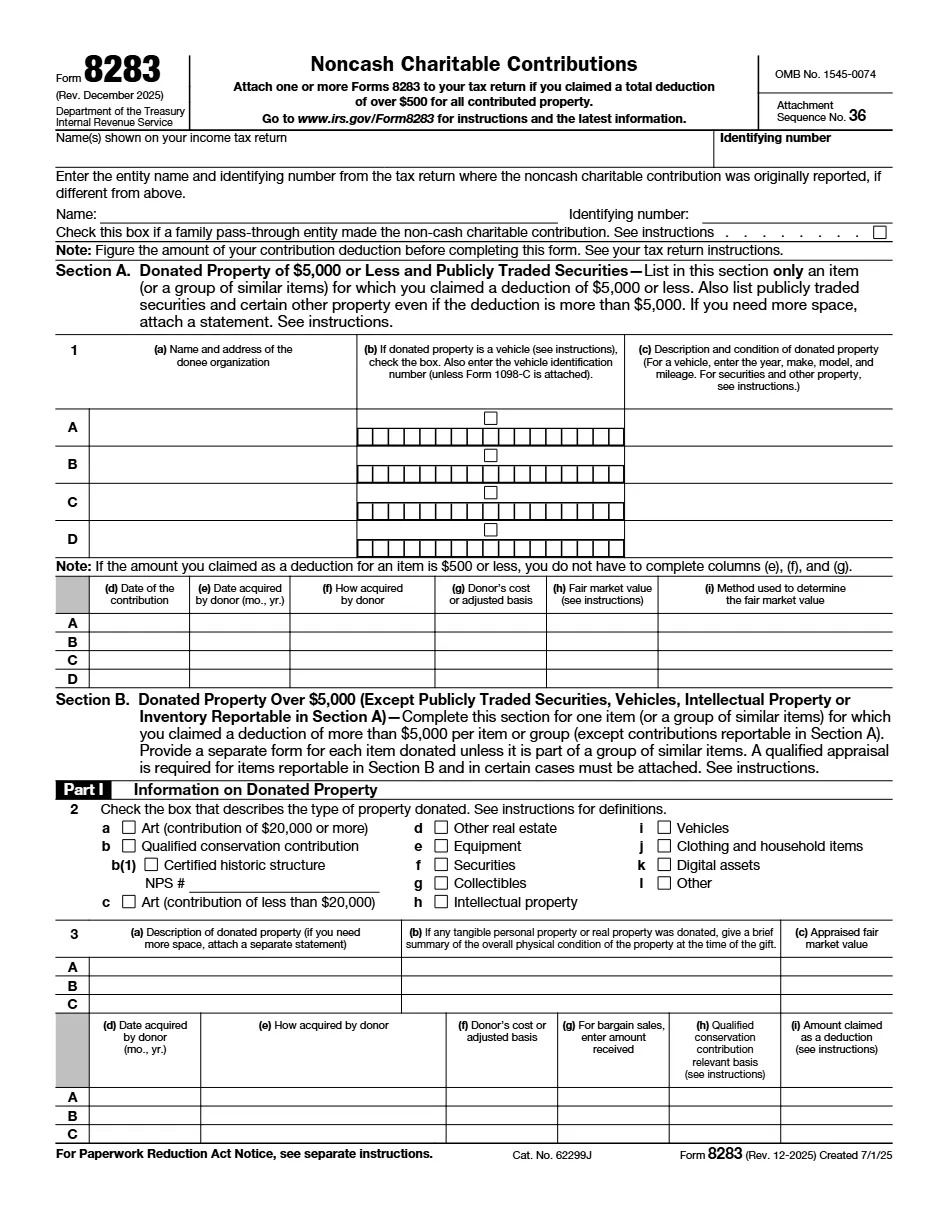
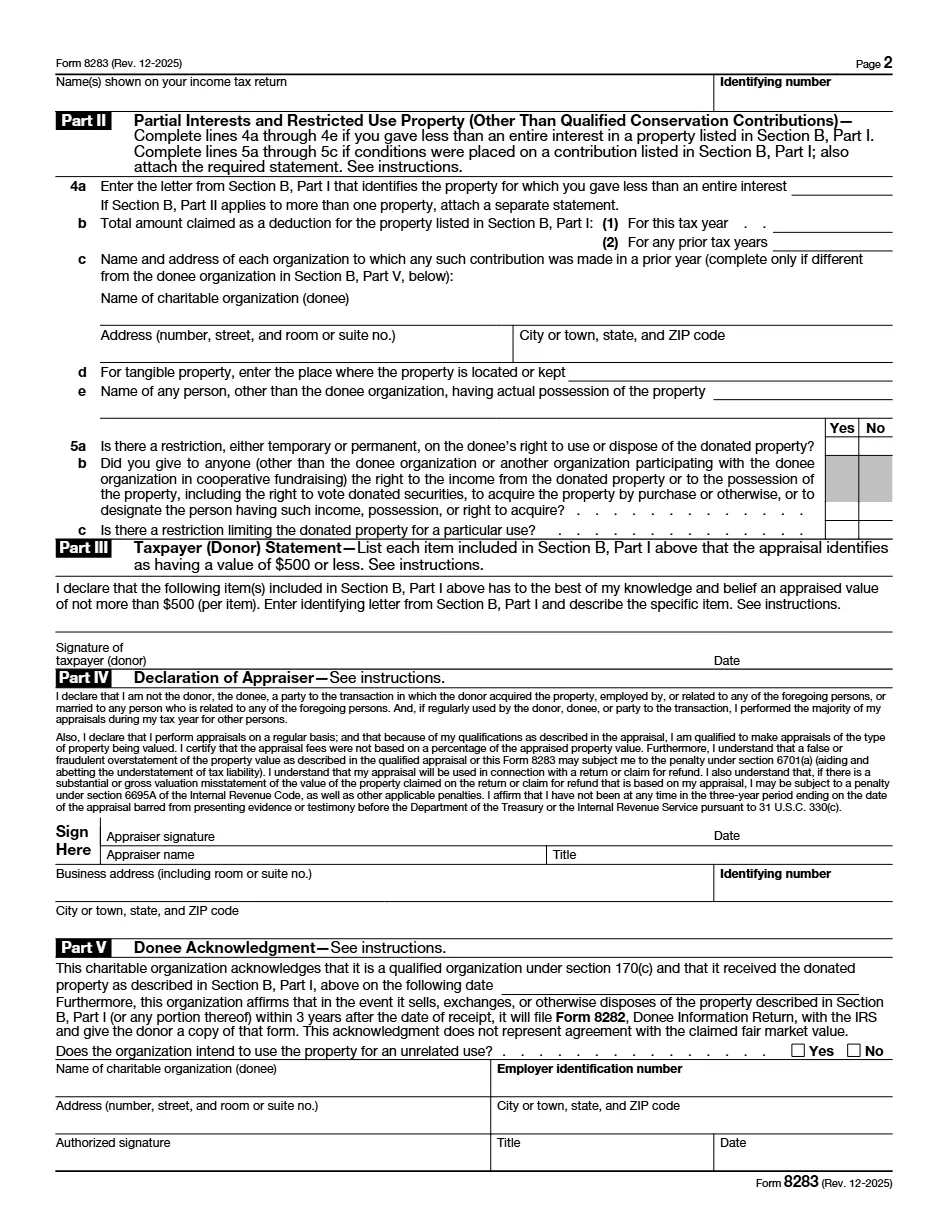
For individuals exploring tax benefits, such as vehicle donations, a formal appraisal becomes essential. When a vehicle's value exceeds certain thresholds, documented valuation is required to claim potential tax deductions. Similarly, those seeking financing can leverage a professional appraisal to demonstrate their asset's worth, potentially improving loan terms and access to credit.
Beyond monetary considerations, an automobile appraisal provides peace of mind. It offers a detailed, professional perspective on your vehicle's worth, empowering you to make informed decisions with confidence and clarity. Whether for insurance, legal, financial, or personal reasons, a comprehensive appraisal is a strategic investment in understanding your automotive asset's true value.
Automobile donation appraisals are a critical process in charitable vehicle contributions, serving multiple important purposes for both donors and receiving organizations.
Specialized vehicles like classic or vintage cars require additional expertise. Appraisers must evaluate:
Beyond tax documentation, automobile donation appraisals help charitable organizations maximize the potential value of contributed vehicles, supporting their mission and operational capabilities.
Accurate vehicle valuation is a crucial aspect of charitable giving that benefits both donors and charitable organizations through strategic financial planning and transparency.
Several essential elements determine a vehicle's accurate market value:
Professional appraisers conduct comprehensive assessments that go beyond simple visual inspection. They leverage:
Accurate vehicle valuations enable charitable organizations to:
By prioritizing precise vehicle valuation, donors can make meaningful contributions that maximize both financial benefits and charitable impact.
When considering an automobile donation to charity, understanding the key elements that determine a vehicle's value is crucial. The appraisal process goes beyond a simple assessment, directly influencing both the donor's potential tax deduction and the charitable organization's ability to maximize the donation's impact.
The overall condition of the vehicle is the most critical factor in establishing its value. Appraisers conduct a comprehensive evaluation that includes:
Well-maintained vehicles with minimal wear typically receive higher valuations.
Vehicle value fluctuates based on current market trends and consumer preferences. Appraisers consider:
A detailed vehicle history report provides critical insights that impact valuation, including:
Vehicles with clean, transparent histories typically receive more favorable appraisals.
These fundamental factors directly influence a vehicle's value:
Custom modifications can have nuanced effects on vehicle valuation:
By understanding these critical factors, donors can approach the vehicle donation process with confidence, ensuring a fair and accurate appraisal that benefits both the donor and the receiving charitable organization.
When considering charitable automobile donations, individuals and corporations have several strategic vehicle options that provide meaningful contributions while offering potential tax benefits. Here's a comprehensive overview of the most frequently donated vehicle types:
Automobile donations represent a nuanced philanthropic strategy, allowing donors to transform vehicle assets into meaningful community support while potentially securing tax advantages.
Donating a vehicle to charity is a meaningful gesture that can provide significant benefits to both the donor and the receiving organization. However, successfully navigating the vehicle donation process requires careful attention to detail and understanding of key steps.
By carefully following these steps, donors can maximize their charitable contributions while ensuring full compliance with tax regulations and supporting meaningful charitable causes.
Donating a vehicle to charity is a generous act that can offer meaningful support to an organization while potentially providing tax benefits. However, navigating the tax implications requires careful understanding and documentation.
Proper documentation is critical for claiming your charitable vehicle donation:
For significant donations, a professional vehicle appraisal is recommended to:
Special considerations for larger donations:
By understanding these tax nuances and maintaining thorough documentation, donors can make meaningful charitable contributions while optimizing potential tax benefits.
When it comes to automobile appraisals for charitable donation purposes, selecting the right appraisal methodology is crucial in ensuring accuracy and compliance with tax regulations. Here are some key methodologies utilized in the appraisal process:
Understanding these methodologies ensures accurate appraisals and compliance with IRS regulations. Selecting the appropriate method tailored to the vehicle's specific characteristics maximizes potential tax benefits while supporting charitable initiatives.
When seeking a credible and qualified vehicle appraiser for charitable donation purposes, careful selection is crucial to ensuring an accurate and compliant valuation.
By carefully evaluating these factors, you can select a qualified appraiser who will provide an accurate, compliant valuation for your charitable vehicle donation.
Donating a vehicle to charity requires careful preparation and documentation. Proper paperwork ensures a smooth transaction and maximizes potential tax benefits while maintaining legal compliance.
Gather all documentation before initiating the donation process. Verify each document's accuracy and completeness to ensure a seamless charitable vehicle donation experience.
Consulting with a tax professional can provide personalized guidance tailored to your specific donation circumstances and potential tax implications.
Vehicle donation appraisals require careful navigation to maximize charitable impact and tax benefits. Understanding potential pitfalls can help donors make informed decisions and protect their financial interests.
Many donors underestimate the importance of obtaining a qualified, professional appraisal. An accurate, certified appraisal establishes the vehicle's fair market value and provides crucial support for tax documentation.
Comprehensive documentation is critical. This includes:
These records protect donors and substantiate the vehicle's appraised value.
IRS guidelines for vehicle donations are complex. Key considerations include:
Not all charitable organizations are qualified to accept vehicle donations. Donors should:
Timing and documentation are crucial. Donors should:
To maximize the impact of a vehicle donation, donors should:
By carefully navigating these potential challenges, donors can make meaningful contributions while ensuring compliance and maximizing potential tax benefits.
When donating a vehicle to charity, understanding its precise value can significantly enhance the impact of your philanthropic efforts. A professional automobile appraisal is critical in this process for multiple strategic reasons.
A professional appraisal helps donors:
Professional appraisers conduct thorough evaluations by examining:
A professional appraisal provides significant advantages:
Comprehensive appraisal documentation offers critical protection by:
By securing a professional automobile appraisal, donors can make more informed, responsible, and impactful charitable contributions while potentially benefiting from strategic tax considerations.
Donating a vehicle to charity is a strategic endeavor that combines philanthropic goals with potential tax benefits. Understanding the automobile appraisal process is essential for maximizing your charitable contribution's impact.
Fair market value represents the price a vehicle would sell for between a willing buyer and seller under normal market conditions. This valuation is critical as it directly determines the tax deduction you can claim on your income tax return.
A strategic approach to vehicle donation involves careful planning, thorough research, and a comprehensive understanding of valuation principles. By meticulously documenting your vehicle's value and selecting the right charitable organization, you can create a meaningful contribution that benefits both the community and your financial planning.