









<h1>How to Get Your Navajo Rug Two Grey Hills Appraised</h1>
<p>A Navajo Rug Two Grey Hills is one of the most sought-after textile investments you can own. Whether you've inherited a family heirloom, discovered one at an estate sale, or are considering purchasing an example, understanding how to get your rug properly appraised ensures you know its true market value. These distinctive weavings, ranging from <strong>$1,500 to $3,500</strong> for quality examples, deserve professional evaluation before any significant financial or insurance decisions.</p>
<h2>Understanding Two Grey Hills Value Drivers</h2>
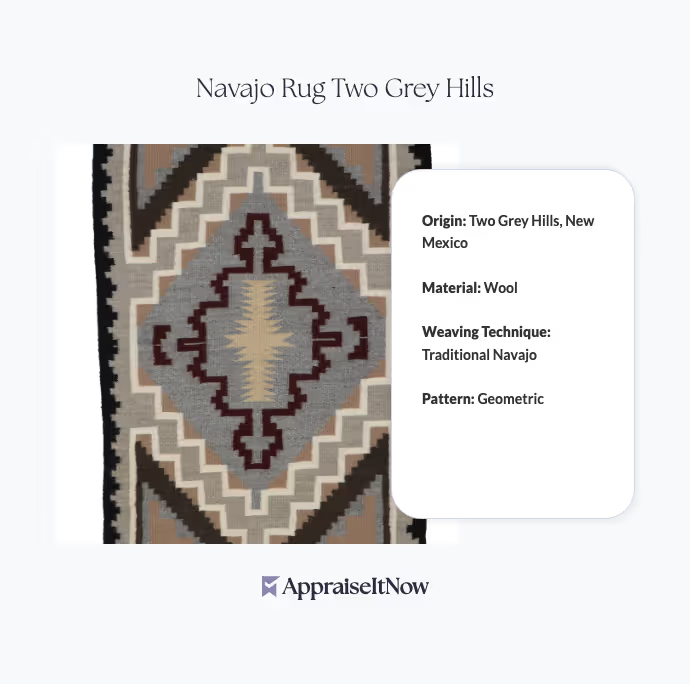
<p>The Two Grey Hills style originated in the eponymous region of New Mexico during the 1800s, establishing itself as one of the most refined and sought-after Navajo textile traditions. Your rug's value depends on several interconnected factors that professional appraisers examine carefully. The distinctive geometric patterns rendered in shades of grey, white, and black represent a level of artistry and precision execution that commands premium pricing in the collectibles market.</p>
<p>What makes Two Grey Hills rugs particularly valuable? The answer lies in their combination of durability, craftsmanship, and rarity. These rugs are crafted from high-quality wool using traditional techniques passed down through generations of Navajo weavers. Many antique examples remain in pristine condition despite being decades or even centuries old, testament to both the materials used and the construction methods employed. This longevity makes them true masterpieces of indigenous craftsmanship worthy of proper <a href="/types/artwork">artwork appraisals</a> and documentation.</p>
<div class="callout tip"><p><strong>Valuation Insight</strong></p>
<p>Two Grey Hills rugs from the early-to-mid 1900s typically command higher prices than later 20th-century examples due to superior wool quality and tighter weave density.</p></div>
<h2>Key Characteristics That Affect Appraisal Value</h2>
<p>When seeking appraisal for your Two Grey Hills rug, understanding how appraisers determine value helps you prepare proper documentation. Professional evaluators examine multiple dimensions of your textile investment. The intricate designs and precise execution of these rugs represent thousands of hours of skilled labor, with finer examples containing 60-80 threads per linear inch compared to 20-40 in more commercial Navajo weaving traditions.</p>
<p>Appraisers assess several specific characteristics that directly impact monetary value. The wool quality—whether it's natural churro wool with its distinctive softness or more commercially processed variants—affects both authenticity assessment and market positioning. The size and complexity of geometric patterns matter considerably, as does the presence of any damage, repairs, or alterations. Original selvage edges and intact fringe typically indicate a well-preserved example worthy of premium appraisal values.</p>
<p>How can you tell if a rug is Two Grey Hills? Authentic examples display several telltale signs that professional appraisers verify. The color palette is distinctly limited to natural grey, white, and black tones rather than the vibrant dyes found in other Navajo styles. The patterns tend toward geometric precision and symmetry, often featuring intricate diamond or stepped motifs arranged in balanced compositions. The overall construction demonstrates superior quality compared to most other regional Navajo variants.</p>
<table class='appraisal-table'>
<thead>
<tr>
<th>Characteristic</th>
<th>Premium Indicator</th>
<th>Impact on Value</th>
</tr>
</thead>
<tbody>
<tr>
<td>Weave density</td>
<td>60+ threads per inch</td>
<td>+25-40%</td>
</tr>
<tr>
<td>Condition</td>
<td>No repairs or stains</td>
<td>+20-30%</td>
</tr>
<tr>
<td>Age</td>
<td>Pre-1940s examples</td>
<td>+30-50%</td>
</tr>
<tr>
<td>Size</td>
<td>Larger floor rugs (8x10+)</td>
<td>+15-25%</td>
</tr>
<tr>
<td>Pattern complexity</td>
<td>Intricate geometric designs</td>
<td>+15-20%</td>
</tr>
</tbody>
</table>
<h2>Authenticity Verification and Documentation</h2>
<p>A critical question many collectors ask is how you can tell if a Navajo rug is authentic. Professional appraisers use multiple verification methods to distinguish genuine traditional weavings from modern reproductions or inferior regional styles. They examine fiber content, dye sources, construction techniques, and wear patterns consistent with the rug's stated age.</p>
<p>The appraisal process for textiles involves hands-on examination that photographs alone cannot provide. Appraisers may gently flex the rug to assess wool flexibility, examine the back side for weaving technique signatures, and use magnification to verify knot density and dye characteristics. These detailed inspections provide confidence in authenticity assessments that become crucial if you're considering insurance coverage or eventual sale through <a href="/types/memorabilia-and-collectibles">memorabilia and collectibles</a> markets.</p>
<p>Documentation of your rug's provenance strengthens appraisal values considerably. If you possess any information about previous ownership, acquisition dates, or historical context, compile this material before your appraisal appointment. While not all Two Grey Hills rugs come with extensive documentation, having even partial ownership history adds credibility to your valuation and increases appeal to potential buyers or insurers.</p>
<div class="callout note"><p><strong>Authentication Priority</strong></p>
<p>Appraisers who specialize in tribal textiles can identify regional weaving characteristics and construction methods that distinguish authentic Two Grey Hills pieces from similar styles or modern copies.</p></div>
<h2>Assessing Condition and Preservation</h2>
<p>Your rug's physical condition represents one of the most significant value determinants. Professional appraisers grade condition using standardized scales that account for fiber damage, color fading, stains, repairs, and structural integrity. A Two Grey Hills rug in excellent condition with minimal wear commands premiums of 40-60% over similar examples showing moderate damage or heavy restoration.</p>
<p>Understanding potential damage sources helps you prepare for appraisal discussions. Common issues include moth damage in wool fibers, color running from inferior early dyes, stains from spills or environmental exposure, and wear patterns in high-traffic areas. Can Navajo rugs be washed? Yes, but improper cleaning can actually reduce value by damaging fibers or affecting natural dye colors. Professional textile conservators recommend gentle dry cleaning or specialized wet cleaning only when necessary, performed by experts familiar with traditional Navajo weaving materials.</p>
<p>Previous repairs or restorations should be disclosed to your appraiser, as they typically reduce value compared to entirely original pieces. However, professional conservation work by qualified textile experts may increase value relative to damaged unrepaired examples, depending on the work quality and extent. Your appraiser will document these conditions thoroughly in the final report.</p>
<h2>Market Comparison and Valuation Context</h2>
<p>How much is your Navajo rug worth? Determining fair market value requires comparing your specific piece against recent sales of comparable examples. The $1,500 to $3,500 estimated range represents typical values for quality Two Grey Hills rugs, but individual pieces vary significantly based on age, size, condition, and design complexity. Rugs from the early 1900s showing exceptional weaving precision and pristine condition may command prices toward the upper range or beyond.</p>
<p>Professional appraisers utilize market databases tracking recent sales of similar rugs through auction houses, galleries, and private collections. They examine factors like whether comparable examples sold through prestigious venues like Christie's or Sotheby's versus local dealers. Geographic location affects values too—rugs marketed to Southwest regional collectors may command different prices than those sold nationally or internationally. Understanding this context helps you appreciate how appraisers arrive at specific value conclusions for your Two Grey Hills rug.</p>
<p>Where can you sell your Navajo rugs if you decide to liquidate? Reputable auction houses specializing in <a href="/types/antique-furniture">antique furniture</a> and <a href="/blog/appraising-fine-textiles-valuing-antique-fabrics-and-weavings">fine textiles</a> often handle significant rug sales, as do galleries specializing in indigenous art. Understanding the different market channels for selling helps inform your appraisal strategy and financial planning. Many collectors hold Two Grey Hills rugs as long-term investments, while others use appraisals to establish insurance coverage or support estate planning decisions.</p>
<div class="callout tip"><p><strong>Market Knowledge</strong></p>
<p>Navajo rugs with documented provenance from respected collections or museums can sell for 15-25% premiums compared to pieces without clear ownership history.</p></div>
<h2>Insurance and Estate Planning Applications</h2>
<p>Getting your Two Grey Hills rug professionally appraised serves multiple practical purposes beyond simple curiosity about its worth. Insurance companies require certified appraisals to establish replacement value coverage for valuable textiles. A detailed appraisal report provides documentation that protects you if theft, damage, or loss occurs, ensuring your insurer compensates you appropriately based on fair market value.</p>
<p>Estate planning represents another critical application for professional rug appraisals. If your Two Grey Hills textile will be distributed to heirs, passed into a trust, or donated to institutions, having a certified appraisal establishes the value for tax purposes and inheritance documentation. This becomes particularly important if your rug is part of a larger collection requiring fair division among multiple beneficiaries. Professional appraisals prevent disputes and provide objective value documentation that satisfies legal and financial institutions.</p>
<p>For collectors planning donations to museums or cultural institutions, appraisals support the tax deduction documentation required by the IRS. Professional valuations provide the certified documentation necessary to maximize legitimate tax benefits while ensuring your contribution's value is properly recognized.</p>
<h2>Choosing the Right Appraiser</h2>
<p>Not all appraisers possess the specialized knowledge required to properly evaluate Navajo textiles. When seeking appraisal services, look for professionals with documented experience in tribal arts, indigenous textiles, or regional Southwestern art markets. Credentials matter—appraisers should hold memberships in professional organizations like the American Society of Appraisers (ASA), International Society of Appraisers (ISA), or similar credentialing bodies that require continuing education and adherence to professional standards.</p>
<p>The appraisal process for fine textiles involves understanding both the artistic and technical aspects of Navajo weaving traditions. Your appraiser should be able to discuss specific Two Grey Hills characteristics, explain their expertise in textile conservation and value assessment, and provide references from previous clients or institutional relationships. AppraiseItNow connects you with credentialed specialists in <a href="/blog/appraising-tribal-rugs-and-textiles-exploring-artistic-traditions-and-techniques">tribal rugs and textiles</a> who can properly evaluate your specific rug and provide documentation meeting professional standards.</p>
<div class="callout note"><p><strong>Key Takeaway</strong></p>
<p>A certified appraisal of your Navajo Rug Two Grey Hills provides essential documentation for insurance, estate planning, and investment purposes, ensuring you understand both the historical significance and monetary value of this exceptional example of indigenous craftsmanship. Professional appraisers with specialized textile expertise deliver the detailed, objective valuation your textile investment deserves.</p></div>