









<h1>How to Get Your Kashmir Silk Hunting Rug Appraised</h1>
<p>The Kashmir Silk Hunting Rug represents one of the most coveted textile investments in the world, commanding values between <strong>$20,000 and $30,000</strong> for quality examples. Whether you've inherited a family heirloom, acquired a piece at auction, or are considering purchasing one, understanding how to properly appraise this masterwork ensures you have accurate documentation for insurance, sale, or collection management purposes.</p>
<h2>Why Kashmir Silk Hunting Rugs Hold Exceptional Value</h2>
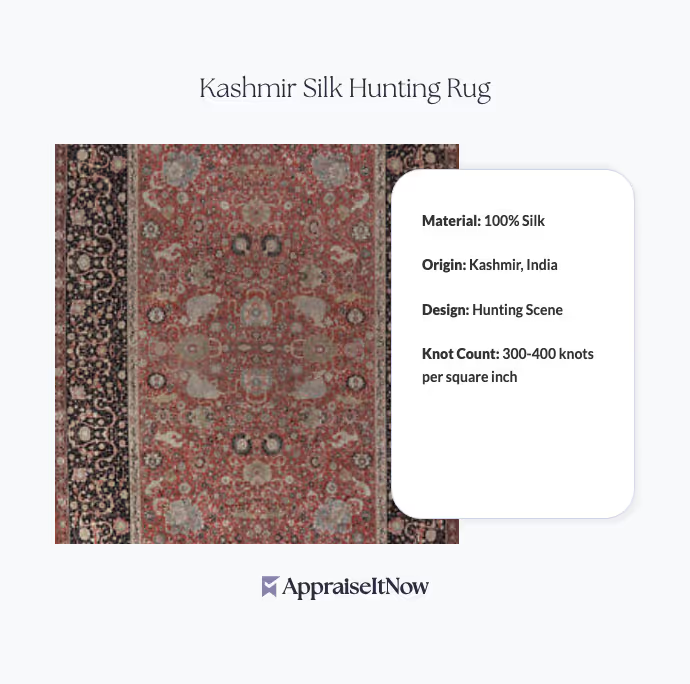
<p>Your Kashmir Silk Hunting Rug's worth stems from centuries of refined craftsmanship and material excellence. First introduced in the 18th century by skilled artisans in the Kashmir region of the Indian subcontinent, these rugs represent the pinnacle of textile artistry. The combination of natural dyes, hand-spun silk threads, and intricate patterns—often depicting hunting scenes and wildlife motifs—makes each piece a cultural artifact as well as a functional textile.</p>
<p>What sets Kashmir silk apart from other rug types? The material itself commands premium pricing because of its luminous quality, durability, and the labor-intensive process required to produce it. Natural dyes derived from plant and mineral sources create colors that age beautifully, developing character over decades. When collectors ask "<em>Are Kashmiri rugs good quality?</em>" or wonder "<em>What is so special about Kashmiri silk?</em>", the answer lies in this uncompromising commitment to material excellence and tradition.</p>
<div class="callout tip"><p><strong>Collector's Insight</strong></p>
<p>Authentic Kashmir Silk Hunting Rugs featuring documented provenance or rare color combinations can command 15-25% premiums above standard market valuations.</p></div>
<p>The global appeal of Indian rugs, particularly those from Kashmir, means your piece may attract international interest. Understanding regional market dynamics helps position your rug appropriately when seeking professional <a href="/blog/appraisals-for-fine-carpets-and-rugs-valuing-artistry-beneath-your-feet">textile and rug appraisals</a>.</p>
<h2>Key Features That Determine Kashmir Silk Hunting Rug Value</h2>
<p>When evaluating your rug for appraisal, several technical and aesthetic factors directly influence its market worth. Understanding these elements helps you prepare for professional assessment and recognize what makes your particular piece distinctive.</p>
<h3>Material Authentication and Silk Identification</h3>
<p>One of the most common questions collectors ask is "<em>How to tell if a rug is silk or wool?</em>" This distinction fundamentally affects value, as authentic silk commands significantly higher prices than wool or wool-silk blends. Professional appraisers examine fiber under magnification, perform tensile tests, and assess the characteristic sheen and weight that distinguish genuine silk.</p>
<p>Your Kashmir Silk Hunting Rug should demonstrate the unmistakable luminosity that silk provides—a soft gleam that shifts slightly as light moves across the surface. Wool, by contrast, appears more matte and uniform. The rug's weight relative to size also indicates silk content; silk's density means a 6x9 Kashmir typically weighs 30-40 pounds, compared to 15-25 pounds for wool equivalents.</p>
<h3>Design Complexity and Hunting Scene Authenticity</h3>
<p>The intricate patterns depicting hunting scenes represent the pinnacle of Kashmir craftsmanship. Your rug's value increases significantly based on design complexity, with more detailed scenes featuring multiple figures, exotic animals, and landscape elements commanding premium prices. These designs require months or years of hand-knotting by master artisans, with some rugs containing over 400 knots per square inch.</p>
<p><strong>Size and proportions also matter significantly.</strong> Standard Kashmir Silk Hunting Rugs typically measure between 6x9 and 9x12 feet. Unusual sizes—particularly smaller scatter rugs or larger palace-sized examples—may command different valuations depending on market demand and design complexity.</p>
<h3>Dye Quality and Color Preservation</h3>
<p>Natural dyes represent another critical value determinant. Your rug's colors should demonstrate subtle variations and depth that synthetic dyes cannot replicate. Authentic natural dyes include indigo for blues, madder for reds and oranges, saffron for yellows, and various plant compounds for greens and browns. These dyes develop a patina over decades, creating increasingly sophisticated color interactions.</p>
<p>Examine your rug for color fading or bleaching, which reduces value. However, slight variations in color intensity actually enhance authenticity when they reflect natural aging patterns rather than chemical damage. Professional appraisers distinguish between desirable aging patina and problematic fading.</p>
<h2>Understanding Current Kashmir Rug Market Dynamics</h2>
<p>The global marketplace for fine <a href="/blog/appraising-asian-art-and-antiques-understanding-cultural-significance-and-value">Asian art and antiques</a> has experienced steady appreciation over the past decade. Why are Indian rugs so expensive? Several factors drive premium pricing for Kashmir pieces specifically.</p>
<p>First, production volume remains limited. Contemporary Kashmir artisans produce far fewer rugs than their counterparts in Iran or Turkey, creating scarcity that supports valuations. Second, international demand from collectors, interior designers, and museums consistently exceeds supply. Third, authentication difficulties mean buyers increasingly seek documented, professionally appraised pieces—which themselves command premiums.</p>
<p>The question "<em>Why are Kashmir carpets so valuable?</em>" boils down to this intersection of scarcity, proven durability, cultural significance, and material excellence. These factors combine to position Kashmir Silk Hunting Rugs among the world's most respected textile investments.</p>
<div class="callout note"><p><strong>Market Insight</strong></p>
<p>Recent auction results show Kashmir Silk Hunting Rugs appreciating 8-12% annually, outpacing general fine art market trends over the past five years.</p></div>
<h2>Distinguishing Authentic Kashmir from Competing Rugs</h2>
<p>Collectors often confuse Kashmir rugs with similar high-value alternatives, particularly Kashan rugs from Iran. When wondering "<em>How to identify a kashan rug?</em>" or "<em>How to identify a kashmir rug?</em>", the distinction lies in knot density, design traditions, and regional characteristics. Kashan rugs typically feature Persian design elements and different knotting techniques, resulting in distinct visual and tactile qualities.</p>
<p>Authentic Kashmir rugs display specific characteristics: Pakistani knot construction, predominantly floral and hunting scene patterns, and the characteristic luminosity of genuine silk. Professional appraisers apply these authentication standards when establishing whether your rug meets Kashmir specifications or represents another regional variant with potentially different valuations.</p>
<h2>Preparing Your Rug for Professional Appraisal</h2>
<p>Before submitting your Kashmir Silk Hunting Rug to an appraiser, certain preparation steps enhance the assessment process. Document your rug's current condition with high-resolution photographs from multiple angles, capturing both overall pattern and detail shots showing knot density and dye characteristics.</p>
<p>Compile any available provenance information—purchase receipts, family history, auction catalog descriptions, or previous appraisals. Note the rug's dimensions in feet and inches, condition issues (stains, wear, repairs), and any known history regarding age, origin, or notable prior ownership.</p>
<div class="callout tip"><p><strong>Preparation Tip</strong></p>
<p>Store photographs and documentation digitally and in physical form. Professional appraisers typically request digital images initially before scheduling in-person inspections.</p></div>
<p>Avoid cleaning your rug immediately before appraisal. Recent professional cleaning can temporarily alter appearance in ways that complicate accurate valuation. Conversely, the question "<em>How to clean a kashan rug?</em>" applies similarly to Kashmir pieces—specialized care by textile conservators, rather than standard rug cleaning services, maintains value for high-quality examples.</p>
<h2>The Professional Appraisal Process</h2>
<p>When selecting an appraiser for your Kashmir Silk Hunting Rug, seek credentials demonstrating expertise in <a href="/blog/appraising-fine-textiles-valuing-antique-fabrics-and-weavings">fine textiles and antique fabrics</a>. Professional appraisers should hold certifications from recognized organizations including AAA, ISA, ASA, or CAGA—credentials that validate their methodology aligns with USPAP standards.</p>
<p>The appraisal process typically involves visual inspection, fiber analysis, design documentation, condition assessment, and comparative market analysis. Your appraiser will evaluate how your specific rug compares to recent sales of similar pieces, accounting for size, condition, design rarity, and authentication status.</p>
<p>Professional valuations from <strong>AppraiseItNow</strong> provide certified documentation accepted by insurance companies, auction houses, and financial institutions. This documentation protects your interests whether you're updating homeowner's coverage, preparing estate documentation, or planning a sale.</p>
<div class="callout note"><p><strong>Appraisal Standard</strong></p>
<p>Expect comprehensive written appraisals including detailed photographs, condition assessment, market analysis, and fair market value determination following USPAP guidelines.</p></div>
<h2>Cost Considerations for Rug Appraisals</h2>
<p>The question "<em>How much does it cost to get a rug appraised?</em>" depends on several factors including rug size, condition complexity, appraisal purpose, and appraiser credentials. Professional textile appraisals typically range from $250 to $800, with premium valuations for significant pieces potentially exceeding these ranges.</p>
<p>Appraisals required for insurance purposes often cost less than those intended for litigation or estate purposes, which demand more extensive documentation. While you might consider this an expense, professional appraisals typically cost far less than the premium you avoid by having accurate valuation for insurance purposes.</p>
<h2>Why Regional Provenance Affects Kashmir Rug Values</h2>
<p>The geographic origin within Kashmir influences valuation. Rugs originating from Srinagar, traditionally the production center for the finest Kashmir pieces, often command premiums over those from other regional centers. Understanding <a href="/blog/exploring-the-role-of-regional-styles-in-art-appraisals-understanding-local-markets">the role of regional styles in art appraisals</a> helps clarify why your rug's specific origin matters beyond general Kashmir designation.</p>
<p>Similarly, documented artistic pedigree—knowing whether a specific master weaver or workshop produced your rug—can significantly enhance value. These details emerge through professional research and authentication, reinforcing why expert appraisal matters for understanding your rug's complete story.</p>
<h2>Valuation as Investment and Heritage Protection</h2>
<p>Your Kashmir Silk Hunting Rug represents more than decorative textile—it embodies centuries of artistic tradition and cultural significance. Whether you view it primarily as <a href="/types/personal-property">personal property</a> requiring insurance protection or as an alternative investment asset, professional appraisal provides essential documentation.</p>
<p>Accurate valuations ensure your insurance coverage reflects current market worth, protect against underinsurance during loss, and facilitate informed decisions regarding sale, gift, or estate distribution. For collectors building textile collections, periodic reappraisals track appreciation and inform acquisition strategies aligned with market dynamics.</p>
<p>The appreciation trajectory for quality Kashmir Silk Hunting Rugs suggests these pieces will continue gaining value as awareness of their artistry and scarcity grows globally. Professional documentation today protects your interests regardless of how your circumstances or collection priorities evolve.</p>
<div class="callout note"><p><strong>Key Takeaway</strong></p>
<p>A certified appraisal of your Kashmir Silk Hunting Rug provides authoritative documentation for insurance, sale, or collection management purposes. Professional appraisers at <strong>AppraiseItNow</strong> deliver USPAP-compliant valuations that protect your interests and establish your rug's true market value within the $20,000-$30,000 range, ensuring accurate financial planning and heritage preservation for this extraordinary textile investment.</p></div>