








<h1>How to Get Your Ningxia Antique Chinese Rug Appraised</h1>
<p>The Ningxia Antique Chinese Rug represents one of the most sought-after textile treasures in the collector's market, with valuations typically ranging from <strong>$8,000 to $12,000</strong> for well-preserved examples. If you're considering selling, insuring, or simply understanding the true value of your rug, obtaining a professional appraisal provides the documentation and expertise necessary to make informed decisions about this significant investment.</p>
<h2>Understanding Your Ningxia Rug's Value Potential</h2>
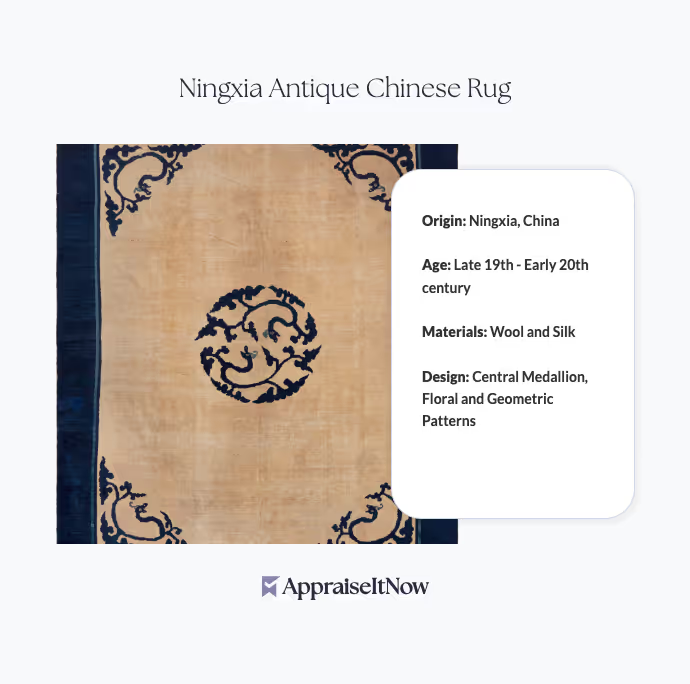
<p>Ningxia rugs originate from the Ningxia region of northwestern China, where skilled artisans handwoven these exceptional textiles primarily during the 19th and early 20th centuries. Your rug likely dates to the late 1800s or early 1900s—a golden period when Ningxia production was at its artistic peak. These rugs command premium prices in the <a href="/types/household-goods">antique furniture and household goods</a> market because they represent both artistic achievement and historical significance, making them valuable for <a href="/types/personal-property">personal property</a> appraisals and estate planning.</p>
<p>The value of your Ningxia rug stems from several converging factors. First, Chinese rugs have demonstrated consistent appreciation in value over decades, making them attractive to collectors and investors alike. Are Chinese rugs valuable? Absolutely—particularly examples from established weaving centers like Ningxia, which earned international recognition for superior craftsmanship and design sophistication. The rarity of well-preserved examples from this period, combined with growing global demand from collectors, has steadily driven prices upward.</p>
<h2>Key Features That Impact Your Rug's Appraisal Value</h2>
<p>When determining whether your rug merits professional appraisal, several identifying characteristics influence its market worth. Your Ningxia features a central medallion design—the signature element that distinguishes these rugs from other Chinese textiles. This medallion format, typically surrounded by intricate floral and geometric patterns, represents the pinnacle of traditional Chinese rug design sophistication.</p>
<p>The construction materials directly affect value. Authentic Ningxia rugs combine high-quality wool with silk threads, creating a distinctive visual richness and durability that synthetic alternatives simply cannot replicate. How to tell if an oriental rug is valuable? Professional appraisers examine fiber content, knot density, and design complexity. A genuine Ningxia features approximately 80-120 knots per square inch—a labor-intensive achievement that commands premium pricing. The vibrant colors characteristic of these rugs—deep reds, rich blues, and luminous golds—indicate quality natural dyes, another factor significantly impacting valuation.</p>
<table class='appraisal-table'>
<thead>
<tr>
<th>Feature</th>
<th>Impact on Value</th>
<th>Assessment Method</th>
</tr>
</thead>
<tbody>
<tr>
<td>Central medallion design</td>
<td>+30-40%</td>
<td>Visual inspection of primary composition</td>
</tr>
<tr>
<td>Wool and silk construction</td>
<td>+20-30%</td>
<td>Fiber analysis and hand-feel testing</td>
</tr>
<tr>
<td>Natural dye saturation</td>
<td>+15-25%</td>
<td>Color vibrancy and consistency evaluation</td>
</tr>
<tr>
<td>Knot density</td>
<td>+25-35%</td>
<td>Professional knot count sampling</td>
</tr>
<tr>
<td>Age confirmation</td>
<td>+10-50%</td>
<td>Historical markers and wear patterns</td>
</tr>
</tbody>
</table>
<h2>Authentication and Historical Documentation</h2>
<p>How to tell if a rug is vintage? Professional appraisers verify authenticity through multiple assessment methods. A true antique Ningxia displays specific characteristics that distinguish it from reproductions or lower-quality pieces. The wear pattern should be consistent with natural aging—subtle fading on the pile surface while maintaining color saturation in protected areas, distinctive marks on the back indicating hand-knotting, and evidence of proper historical use rather than artificial distressing.</p>
<p>When appraising your Ningxia, experts examine how the design was executed. Authentic examples show slight variations in pattern repetition, indicating handweaving rather than mechanical precision. The selvage edges—the finished sides of the rug—should display characteristics consistent with traditional Ningxia production methods. These authentication details transform a simple rug into a documented historical artifact, potentially increasing its value by 20-50%.</p>
<div class="callout tip"><p><strong>Pro Tip</strong></p>
<p>Maintain any documentation about your rug's provenance, including where you acquired it, previous owners, and any exhibition history. This documentation substantially increases appraisal value and collector confidence.</p></div>
<h2>Why Professional Appraisal Matters</h2>
<p>Can you use Dawn dish soap to clean rugs? While DIY cleaning questions frequently arise, attempting self-restoration before professional appraisal can significantly damage value. Professional appraisers often discover that previous cleaning attempts, repairing, or restoration work has diminished rather than enhanced rug worth. This is why obtaining appraisal before any intervention proves critical.</p>
<p>How do I check the value of an antique rug? The most reliable approach involves engaging a credentialed appraiser specializing in <a href="/types/artwork">antique textiles and fine art</a>. Professional appraisers possess expertise in comparative market analysis, having access to auction results, private sales data, and current collector demand patterns. They understand regional design variations and can distinguish between legitimate Ningxia production and rugs mimicking this style from other regions.</p>
<p>The appraisal process examines your rug's condition comprehensively. Minor wear consistent with age adds character and authenticity; however, significant damage—staining, burns, cuts, or moth damage—reduces value materially. Professional documentation includes condition assessment using established grading standards, photographic records from multiple angles, and detailed descriptions of design elements and materials.</p>
<h2>Documentation for Insurance and Sale</h2>
<p>If you're considering what to do with old oriental rugs, the answer depends on your specific situation. For rugs you plan to keep, professional appraisal provides essential insurance documentation. Most standard homeowner policies provide inadequate coverage for valuable antiques like your Ningxia. Scheduled appraisals establish replacement cost values that insurers recognize and accept, ensuring proper coverage in case of loss or damage.</p>
<p>Where can I sell used oriental rugs? When considering sale, professional appraisal establishes fair market value, protecting you from undervaluation in private transactions. Auction houses, antique dealers, and specialized textile brokers all rely on certified appraisals to guide pricing decisions. The <strong>USPAP-compliant documentation</strong> provided by certified appraisers carries weight in these transactions, supporting your asking price with professional validation.</p>
<p>Estate situations frequently require appraisal when rugs represent significant assets. Whether distributing an estate, documenting gifts, or establishing values for tax purposes, professional appraisals create the legal documentation necessary for financial and legal institutions. Our resources on <a href="/blog/understanding-the-value-of-your-antique-furniture-examining-quality-and-rarity">understanding antique furniture valuation</a> provide additional context for appraising valuable household textiles.</p>
<div class="callout note"><p><strong>Market Insight</strong></p>
<p>Recent appraisals of similar Ningxia rugs show that examples with excellent provenance documentation consistently achieve 15-25% higher prices than comparable pieces lacking historical verification.</p></div>
<h2>When to Get Your Rug Appraised</h2>
<p>Timing your appraisal strategically maximizes its utility. When is the best time to get an antiques appraisal? The answer depends on your immediate needs, but several situations make appraisal particularly valuable. If you've inherited a Ningxia rug and need to establish its value for estate settlement or insurance purposes, obtain appraisal promptly. If you're considering selling within the next few years, current market values captured in a recent appraisal provide realistic baseline expectations.</p>
<p>How can I tell how old my Oriental rug is? This question requires professional expertise. Appraisers examine aging patterns, dye characteristics, and wear distributions to date rugs accurately. They distinguish between authentic 19th-century examples, early 20th-century pieces, and later reproductions mimicking historical styles. This dating directly impacts valuation—an authentic 1880s Ningxia commands significantly higher prices than a skilled 1950s reproduction.</p>
<p>Market cycles also influence appraisal timing. Antique textiles, like fine art, experience periodic fluctuations in collector demand. Our guides on <a href="/blog/exploring-the-role-of-regional-styles-in-art-appraisals-understanding-local-markets">exploring regional styles in art appraisals</a> discuss how regional preferences and global market trends affect textile valuations. Appraisals conducted during strong collector activity periods provide conservative value estimates that hold up well as benchmarks.</p>
<h2>Understanding Appraisal Services and Credentials</h2>
<p>What to look for when selecting an appraisal professional for antique textiles? Seek appraisers with specific credentials in textile and fiber arts evaluation. Organizations including the <strong>AAA (American Society of Appraisers)</strong>, <strong>ISA (International Society of Appraisers)</strong>, and <strong>ASA (American Society of Appraisers)</strong> maintain standards for professional practice. Members of these organizations follow <strong>USPAP (Uniform Standards of Professional Appraisal Practice)</strong>, ensuring your appraisal meets legal and financial institution requirements.</p>
<p>Your appraiser should demonstrate specialized knowledge in Asian textiles, particularly Chinese rugs and weaving traditions. They should provide high-resolution photographs, detailed condition assessments, and comparative analysis supporting their valuation conclusion. The appraisal should specify whether the valuation represents fair market value (typical resale price), insurance replacement cost, or estate value—each serving different purposes.</p>
<p>AppraiseItNow connects you with credentialed appraisers across the U.S. specializing in fine textiles and <a href="/types/memorabilia-and-collectibles">antique collectibles</a>. Our platform streamlines the appraisal process—you submit photographs, descriptions, and documentation securely online, and receive certified valuations from experts with established credentials. This approach provides professional expertise without the scheduling challenges of in-person appointments.</p>
<h2>The Broader Market for Asian Antiques</h2>
<p>Your Ningxia rug exists within the larger context of Asian antique collecting. Our comprehensive guide on <a href="/blog/unveiling-the-world-of-asian-antiques-appraising-chinese-japanese-and-southeast-asian-art">unveiling the world of Asian antiques</a> explores how Chinese, Japanese, and Southeast Asian art traditions influence modern collector markets. Understanding these dynamics helps contextualize your rug's value within global collecting trends.</p>
<p>Chinese textiles, particularly handwoven examples from established production centers, have attracted increasing international interest. Museums worldwide feature Ningxia rugs in permanent collections, academic institutions study their design traditions, and serious collectors actively seek authenticated examples. This institutional and collector demand provides strong market fundamentals supporting valuations and future appreciation potential.</p>
<div class="callout note"><p><strong>Key Takeaway</strong></p>
<p>A certified appraisal of your Ningxia Antique Chinese Rug establishes accurate documentation for insurance, sale, or estate purposes while providing professional confidence in your textile investment. With values typically ranging from $8,000 to $12,000, professional valuation protects your asset and supports sound financial decisions regarding this significant piece of textile art history.</p></div>