









<h1>How to Get Your Vintage Moroccan Azilal Rug Appraised</h1>
<p>If you own a vintage Moroccan Azilal rug, you're holding a piece of textile art that represents centuries of Berber weaving tradition. Whether you're preparing for a sale, seeking insurance coverage, or simply curious about your rug's value, understanding how to get it appraised professionally ensures you receive accurate documentation and fair market assessment. The estimated value range for these handwoven masterpieces typically falls between <strong>$2,500 and $4,500</strong>, though rarity, condition, and age significantly influence individual pieces.</p>
<h2>What Is an Azilal Rug?</h2>
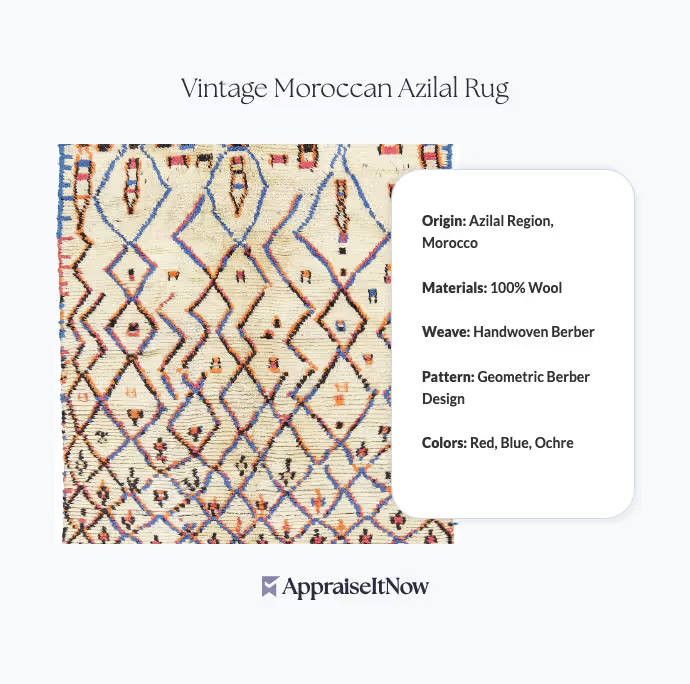
<p>An Azilal rug originates from the Azilal region of Morocco's Atlas Mountains, where skilled Berber weavers have crafted these textiles since the 19th century. These rugs are distinguished by their intricate geometric patterns, vibrant color palettes featuring rich reds, deep blues, and earthy ochres, and exceptional durability from dense wool construction. The unique knotting techniques employed by artisans give Azilal rugs their luxurious feel and remarkable longevity—many examples from the 19th century still function beautifully as both decorative pieces and functional floor coverings.</p>
<p>The handwoven nature of each rug means no two pieces are identical, making each Azilal rug a work of art. The dense wool combined with traditional dyeing methods creates color variations that develop character over time, adding to their appeal among serious collectors and interior designers seeking authentic <a href="/types/antique-artwork">antique artwork</a> with cultural significance.</p>
<h2>Understanding the Market Value of Moroccan Rugs</h2>
<p>Moroccan rugs, particularly vintage Azilal examples, have become increasingly valuable in contemporary markets. Are Moroccan rugs valuable? Absolutely. The combination of scarcity, authentic handcraftsmanship, and growing Western appreciation for tribal textiles has driven steady appreciation over the past two decades.</p>
<p>When evaluating your rug's worth, several market factors apply. How much should you pay for a Moroccan rug depends on its age, condition, pattern complexity, and color vibrancy. A well-preserved Azilal rug from the mid-20th century with bold geometric designs and original fringes commands significantly higher prices than more recent examples or those showing visible wear. The global market for vintage Moroccan textiles remains strong, with collectors and interior designers actively seeking authentic pieces that authenticate their living spaces with genuine cultural heritage.</p>
<div class="callout tip"><p><strong>Market Insight</strong></p>
<p>Azilal rugs with documented provenance—particularly those with established ownership history or museum exhibition records—can appreciate 15-25% above standard market valuations.</p></div>
<h2>Key Characteristics That Influence Appraisal Value</h2>
<p>Professional appraisers examine multiple factors when determining your Azilal rug's specific value within the $2,500-$4,500 range. Understanding these elements helps you recognize what makes your piece special and prepare appropriate documentation before requesting an appraisal.</p>
<p><strong>Age and authenticity</strong> form the foundation of valuation. First-generation Azilal rugs produced in the 19th and early 20th centuries command premium prices over mid-century examples. Authentic rugs created using traditional Berber techniques and natural dyes show characteristics that distinguish them from newer reproductions, including specific wear patterns, color variation, and knot density. How to tell if a rug is real involves examining the base construction, checking for consistent knot patterns, and verifying that fringes are integrated into the weave rather than attached afterward.</p>
<p><strong>Color and pattern quality</strong> significantly impact value. Vibrant colors that have aged gracefully, maintaining saturation while developing natural patina, indicate superior dye quality and storage conditions. The geometric patterns characteristic of Azilal rugs—including diamonds, zigzags, and abstract tribal motifs—become more valuable when they display complexity and precise execution. Bold, well-defined patterns typically outperform faded or blurred designs in today's market.</p>
<p><strong>Condition assessment</strong> directly affects pricing. Appraisers evaluate pile depth, looking for consistent thickness across the rug's surface, and examine edges for fraying or structural compromise. The presence of original fringes, particularly on both ends of the rug, adds value—interestingly, authentic Moroccan rugs often have fringe only on one side because the other end connects to the loom during production. Small repairs using compatible materials affect value minimally compared to aggressive restoration or reweaving that alters the rug's original character.</p>
<p><strong>Size dimensions</strong> contribute to valuation. Larger Azilal rugs (8x10 feet or greater) typically command higher per-square-foot prices than smaller scatter rugs, reflecting their dramatic visual impact and versatility in modern interiors. However, exceptionally rare small rugs with extraordinary patterns sometimes outperform larger pieces lacking artistic distinction.</p>
<h2>Recognizing Valuable Versus Common Examples</h2>
<p>How do you know if a rug is valuable? Several distinguishing characteristics separate exceptional Azilal rugs from ordinary examples. Rugs displaying sophisticated color combinations—particularly those featuring multiple shades of indigo blue blended with burgundy and gold accents—typically command premium pricing. The presence of specialty yarns, such as silk incorporated into traditionally wool pieces, increases rarity and value.</p>
<p>Wear patterns tell important stories. Natural, even wear across the entire rug surface indicates regular use and quality construction, while concentrated damage in high-traffic areas suggests potential structural compromise. Appraisers also note whether wear patterns match the rug's purported age—a supposedly 19th-century piece showing minimal signs of wear raises authenticity questions and may reduce value.</p>
<p>How to tell the age of a rug involves examining several technical indicators. Synthetic dyes weren't commonly used in Moroccan rug production until the 1950s-1960s, so rugs displaying naturally faded colors consistent with vegetable-dye aging likely predate industrialization. The construction quality, yarn consistency, and overall patina help experienced appraisers place pieces within 10-20 year windows of production.</p>
<h2>How to Estimate Your Rug's Value Before Appraisal</h2>
<p>Before investing in professional appraisal services, you can perform preliminary assessment. Start by documenting your rug's dimensions precisely—measure length and width in both feet and inches. Photograph the rug in natural light from multiple angles, including close-ups of pattern details, fringes, and any areas showing wear or damage. Document both sides, as the reverse often reveals construction techniques and original colors protected from fading.</p>
<p>Research comparable rugs currently listed for sale on specialized textile marketplaces, auction house results for similar Azilal pieces, and interior design resources featuring Moroccan rugs. While individual examples vary significantly, establishing a baseline range helps you understand whether professional appraisal seems worthwhile. Rugs showing minimal wear, vibrant color, and complex patterns in the 6x9 to 8x10 size range typically fall within the $3,000-$4,500 range, while smaller pieces or those showing moderate age typically value toward the $2,500-$3,500 range.</p>
<div class="callout note"><p><strong>Preparation Tip</strong></p>
<p>Gather any existing documentation about your rug's origin, previous ownership, or previous appraisals. This context significantly aids professional evaluation and supports value documentation.</p></div>
<h2>How to Clean a Vintage Moroccan Rug (Before Appraisal)</h2>
<p>Professional appraisals work best with clean rugs that accurately display their colors and condition. However, cleaning vintage textiles requires careful attention. Gentle vacuuming with a screen over the surface protects pile while removing surface dust. Avoid rotating the vacuum directly over fringe areas, as this can cause damage. For spot cleaning, use specialized rug cleaning solutions formulated for handwoven textiles—general household cleaners can damage natural dyes and fibers.</p>
<p>Never use harsh chemicals, bleach, or steam cleaning on vintage Moroccan rugs. If your rug requires professional cleaning before appraisal, select a conservator specializing in <a href="/blog/appraising-fine-textiles-valuing-antique-fabrics-and-weavings">fine textiles and antique rugs</a> rather than standard carpet cleaners. Proper conservation maintains your rug's integrity and market value, whereas aggressive cleaning can reduce worth and damage irreplaceable materials.</p>
<h2>Professional Appraisal Services for Moroccan Rugs</h2>
<p>Seeking professional appraisal services ensures you receive USPAP-compliant valuation suitable for insurance, estate planning, or sales purposes. AppraiseItNow connects you with credentialed appraisers specializing in <a href="/types/household-goods">household goods</a>, <a href="/types/personal-property">personal property</a>, and <a href="/types/artwork">artwork</a>—including specialized expertise in handwoven textiles and tribal rugs.</p>
<p>The appraisal process begins with detailed documentation. Appraisers photograph your rug from multiple angles, measure precise dimensions, test fiber composition when appropriate, and research comparable sales data. They examine knot density, examine fringes for authenticity, document any repairs or restoration, and assess overall condition. This comprehensive evaluation results in a detailed appraisal report establishing your rug's fair market value—the price at which a willing buyer and willing seller would transact absent pressure or special circumstances.</p>
<p>For specialized guidance on textile valuation, explore resources on <a href="/blog/appraising-tribal-rugs-and-textiles-exploring-artistic-traditions-and-techniques">appraising tribal rugs and textiles</a> and <a href="/blog/understanding-artwork-appraisals">understanding artwork appraisals</a>, which provide context specific to handwoven cultural artifacts.</p>
<h2>When Provenance and Documentation Matter Most</h2>
<p>Establishing your rug's history significantly impacts appraisal outcomes. How do I check the value of an antique rug? Start by documenting everything you know about its background. Did you purchase it from a reputable dealer? Did it belong to a family member who traveled to Morocco? Are there receipts, certificates, or previous appraisals? This information, called provenance, helps appraisers contextualize your piece and may reveal connections to noted weavers, regions, or historical periods that enhance value.</p>
<p>Rugs with documented exhibitions at museums or cultural institutions command notable premiums. Similarly, pieces published in scholarly texts about Moroccan textiles or featured in interior design publications gain credibility and market recognition. While your rug doesn't require this level of documentation to be valuable, such evidence substantially strengthens appraisals and supports asking prices during sale.</p>
<h2>Insurance and Asset Documentation</h2>
<p>Professional appraisals serve critical functions beyond simple valuation. For insurance purposes, detailed appraisals ensure your rug receives adequate coverage reflecting replacement cost in today's market. Many insurance policies covering <a href="/types/personal-property">personal property</a> and <a href="/types/antiques">antiques</a> require current professional appraisals for coverage above specified thresholds. The appraisal report documents condition at a specific point in time, providing baseline reference should damage or loss occur.</p>
<p>Estate planning similarly benefits from current, documented valuations. Whether your rug passes to heirs or becomes part of a charitable contribution, professional appraisals establish fair market value for tax purposes and facilitate equitable asset distribution among beneficiaries.</p>
<h2>Market Trends and Future Appreciation</h2>
<p>Vintage Moroccan rugs have demonstrated consistent appreciation over the past fifteen years, with demand growing as Western design increasingly embraces global textile aesthetics. The scarcity of authentic 19th and early 20th-century examples drives steady price increases, particularly for pieces in excellent condition with strong provenance. Climate change awareness and sustainability consciousness have further elevated handwoven natural-fiber textiles as ethical alternatives to mass-produced synthetic rugs.</p>
<p>Why are vintage rugs so expensive? Beyond rarity and age, vintage textiles represent irreplaceable cultural artifacts, authentic handcraftsmanship that modern production cannot replicate, and investment assets with historical significance. Each piece carries stories of the weavers who created it, the communities that valued it, and the households that lived with it. This cultural and artistic dimension adds value transcending simple utility.</p>
<div class="callout tip"><p><strong>Future Value Consideration</strong></p>
<p>Current market conditions favor vintage Moroccan rugs, with appreciation rates typically ranging 3-5% annually for quality examples in good condition. Professional appraisals conducted every 3-5 years help track value growth and ensure adequate insurance coverage.</p></div>
<hr />
<div class="callout note"><p><strong>Key Takeaway</strong></p>
<p>A professional appraisal of your vintage Moroccan Azilal rug provides essential documentation for insurance, estate planning, or sale purposes while ensuring you understand your textile's true market value. AppraiseItNow's certified appraisers deliver comprehensive valuations that accurately reflect your rug's age, condition, rarity, and cultural significance in today's dynamic market.</p></div>