









<h1>How to Get Your Empire Mahogany Secretary Bookcase Appraised</h1>
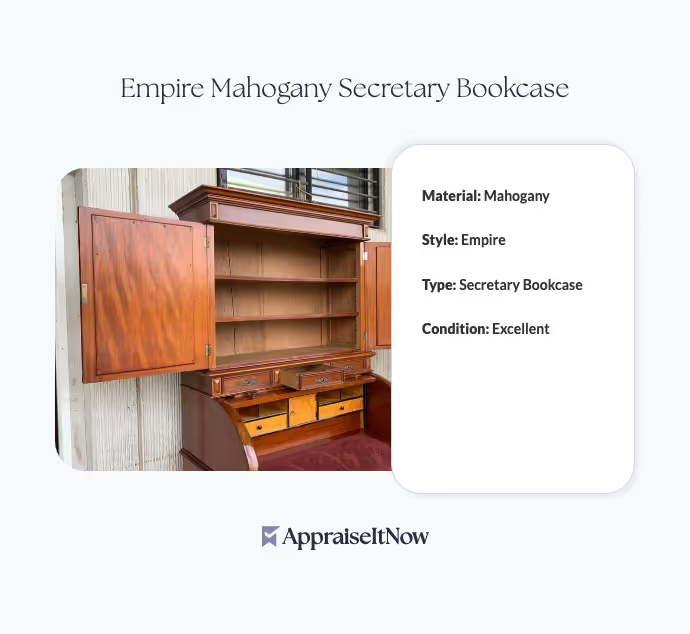
<p>An Empire Mahogany Secretary Bookcase represents more than just functional furniture—it's a significant piece of antique craftsmanship worth between <strong>$15,000 and $20,000</strong> in today's market. Whether you're considering selling, evaluating an inheritance, or seeking insurance coverage, understanding how to properly appraise this elegant piece ensures you get an accurate valuation that reflects its true worth.</p>
<h2>What Makes an Empire Mahogany Secretary Bookcase Valuable</h2>
<p>Your secretary bookcase combines two highly desirable characteristics: the prestigious Empire period design and solid mahogany construction. The Empire style, which dominated the early 19th century, emphasized grand proportions, ornate carved details, and refined proportions that collectors actively seek. The slant-front secretary desk design adds functional appeal alongside aesthetic value, making these pieces particularly attractive to serious antique furniture collectors.</p>
<p>When evaluating whether mahogany furniture is valuable, the answer depends largely on several factors your appraiser will examine. Solid mahogany construction, as opposed to veneer, increases value substantially. The intricacy of the carved details along edges and legs, combined with the original hardware and the piece's condition, all contribute to your secretary bookcase's market position within <a href="/types/antique-furniture">antique furniture</a> valuations.</p>
<div class="callout tip"><p><strong>Valuation Factor</strong></p>
<p>Empire period pieces with documented provenance and excellent condition consistently command higher appraisal values than similar pieces with unknown origins or significant restoration work.</p></div>
<h2>Key Features That Impact Your Secretary Bookcase's Appraisal</h2>
<p>Understanding what distinguishes your piece helps you prepare for a professional appraisal. An authentic Empire Mahogany Secretary Bookcase displays specific design elements that appraisers use to establish value. The slant-front secretary desk should feature a concealed storage compartment accessed through a hinged writing surface—this functional cleverness was highly valued during the period. Above the desk portion, multiple shelves provide display space, while the ornate carved moldings and turned legs demonstrate the skilled craftsmanship characteristic of quality Empire furniture.</p>
<p>The material composition matters significantly. Solid mahogany throughout increases value compared to pieces using mahogany veneer over less expensive woods. Your appraiser will examine whether wood grain patterns are consistent with period mahogany sources and whether construction techniques match Empire manufacturing standards. Techniques like hand-cut dovetails and mortise-and-tenon joinery indicate authentic period construction rather than later reproduction methods.</p>
<p>Examining whether your piece shows original finish, original hardware, and minimal wear helps establish condition grading. Even with expected age-related patina, pieces showing minimal refinishing typically command premiums over heavily restored examples. The presence of original brass hardware, locks, and hinges can add 10-15% to valuation compared to pieces with reproduction hardware.</p>
<h2>Determining If Your Secretary Desk Is Authentic</h2>
<p>Many collectors wonder how to identify antique mahogany furniture and verify authenticity. Your Empire Mahogany Secretary Bookcase should display several confirming characteristics. First, examine the construction methods—authentic Empire pieces use mortise-and-tenon joinery and hand-cut dovetails rather than machine-made fasteners. Look for wear patterns consistent with 170+ years of use: the underside should show dust accumulation patterns, wood movement cracks, and finish wear appropriate to age.</p>
<p>The wood itself provides authentication clues. Authentic mahogany from the Empire period typically shows distinct grain patterns and warm reddish-brown coloration that differs from modern stains. Your appraiser will assess whether color variations suggest natural aging or artificial aging attempts. Original hardware—brass knobs, locks, and escutcheons—should display patina consistent with the period rather than appearing artificially antiqued.</p>
<p>Understanding what makes a piece "antique" versus "vintage" helps establish value expectations. For your secretary bookcase to qualify as antique, it must be at least 100 years old, which positions Empire pieces (typically 1800-1840) firmly in antique status. Furniture from the 1920s onward is generally classified as vintage rather than antique, commanding different valuation approaches. Your appraiser determines the manufacturing period through style analysis, construction techniques, wood type assessment, and hardware examination.</p>
<div class="callout note"><p><strong>Authentication Insight</strong></p>
<p>Pieces showing tool marks from hand-planing, deliberate wood grain matching, and period-appropriate finishes like shellac rather than lacquer indicate authentic Empire construction.</p></div>
<h2>Why Secretary Desks Command Premium Prices</h2>
<p>Secretary desks consistently represent higher-value <a href="/types/furniture">furniture</a> pieces compared to standalone bookcases or conventional desks. The dual functionality—providing both secure storage through the concealed compartment and display space through shelving—appealed to affluent households during the Empire period. This practical elegance continues attracting collectors who appreciate both aesthetic and functional qualities.</p>
<p>The space-efficiency of secretary furniture also drives contemporary value. Modern collectors with limited space still covet these pieces for their ability to provide desk functionality without consuming entire rooms. This practical appeal, combined with the artistic merit of Empire design, positions secretary bookcases at the premium end of antique furniture values.</p>
<h2>Understanding Your Secretary Bookcase's Market Position</h2>
<p>How much is a secretary desk worth? The answer varies considerably based on condition, authenticity, size, and specific design features. Your Empire Mahogany Secretary Bookcase's estimated value of $15,000-$20,000 places it in the upper-middle range of <a href="/blog/five-steps-to-accurately-appraise-antique-furniture">antique furniture appraisals</a>. Pieces with exceptional provenance, museum-quality condition, or documented maker attribution can exceed these estimates, while those requiring restoration may fall below this range.</p>
<p>Regional market variations affect secretary desk values. Urban areas with active antique collecting communities typically support stronger prices than rural markets. East Coast auctions, where American antiques traditionally achieve premium pricing, often see secretary pieces outperform national averages. Your appraiser considers local market dynamics alongside national auction results to establish fair market value.</p>
<h2>What to Expect from Your Appraisal</h2>
<p>When you engage an appraiser for your Empire Mahogany Secretary Bookcase, expect a comprehensive evaluation examining construction, materials, condition, originality, and market comparables. Professional appraisers use standardized methodologies outlined in our guide to <a href="/blog/how-to-get-an-accurate-antique-furniture-appraisal">getting an accurate antique furniture appraisal</a> to ensure consistency and defensibility.</p>
<p>Your appraiser will photograph all significant features—carved details, hardware, wood grain, joinery methods, and any repairs or modifications—creating a detailed visual record. Measurements and structural assessment confirm the piece's stability and suitability for continued use. The appraiser then researches comparable sales, auction results, and dealer listings to establish market value through comparative analysis.</p>
<p>Professional documentation becomes essential whether you're selling, insuring, or handling estate distribution. USPAP-compliant appraisals from credentialed experts like those at <strong>AppraiseItNow</strong> provide the detailed reporting standards accepted by insurance companies, financial institutions, and courts. These certified valuations protect your interests and provide confidence in accurately representing your secretary bookcase's worth.</p>
<div class="callout tip"><p><strong>Appraisal Preparation</strong></p>
<p>Gather any documentation about your secretary bookcase's provenance, previous ownership, or acquisition history. Photos from different periods showing condition changes help appraisers assess authenticity and restoration work.</p></div>
<h2>Preserving Your Secretary Bookcase's Value</h2>
<p>Understanding how to increase the value of your antique furniture involves focusing on preservation rather than modification. The most significant value-enhancement strategy is preventing deterioration through proper environmental control. Maintain consistent temperature and humidity levels—ideally 65-75°F with 45-55% humidity—to prevent wood movement that causes joint stress and finish checking.</p>
<p>Avoid aggressive restoration work, which typically decreases value rather than increasing it. Professional conservation—gentle cleaning, appropriate oil applications, and minor structural stabilization—preserves value. Major refinishing, replacement of parts, or structural modifications usually reduce appraisal values compared to pieces in original condition with period-appropriate patina.</p>
<p>Regular inspection for pest activity, water damage, or wood movement helps catch problems early when conservative treatment prevents value impact. Many collectors who understand antique furniture value focus on documentation and preservation rather than renovation, recognizing that original condition commands premium pricing in the collector market.</p>
<h2>Dating Your Secretary Bookcase</h2>
<p>How can you tell how old your secretary desk is? Empire design characteristics provide primary dating clues. The distinctive style elements—bold proportions, ornate carved detailing, pedestal base construction, and classical motifs—narrow dating to approximately 1800-1840. Your appraiser uses these stylistic markers alongside construction technique analysis to establish more precise dating ranges.</p>
<p>Construction methods provide secondary confirmation. Hand-planing tool marks visible on interior surfaces indicate pre-industrial manufacturing. Wood species analysis, including growth ring examination, confirms period-appropriate mahogany sources. Original hardware style and patina patterns support dating conclusions. When combined, these elements allow professional appraisers to establish confident dating typically accurate within 10-20 years.</p>
<h2>Connecting Your Appraisal to Professional Standards</h2>
<p>Professional <a href="/blog/what-you-need-to-know-about-antique-furniture-appraisals">antique furniture appraisals</a> follow standardized practices that ensure reliability and defensibility. Appraisers hold credentials from organizations like the Appraisers Association of America (AAA) or American Society of Appraisers (ASA), indicating training in valuation methodologies and ethical standards. These credentialed professionals provide documentation meeting USPAP (Uniform Standards of Professional Appraisal Practice) requirements.</p>
<p>Your appraiser's report will include detailed descriptions of your secretary bookcase's condition, construction, materials, and distinguishing characteristics. Photographs document significant features and condition details. The valuation methodology explanation demonstrates how the appraiser reached their conclusion through comparable analysis and market research. This comprehensive documentation provides the foundation for insurance coverage, sale negotiations, or estate distribution decisions.</p>
<hr />
<div class="callout note"><p><strong>Key Takeaway</strong></p>
<p>Your Empire Mahogany Secretary Bookcase represents a significant investment worth $15,000-$20,000, making professional appraisal essential for accurate valuation. A certified assessment provides the documentation and confidence you need whether buying, selling, preserving, or insuring this exceptional piece of 19th-century craftsmanship.</p></div>