









<h1>How to Get Your Fitzpatrick Mill Comminutor Appraised</h1>
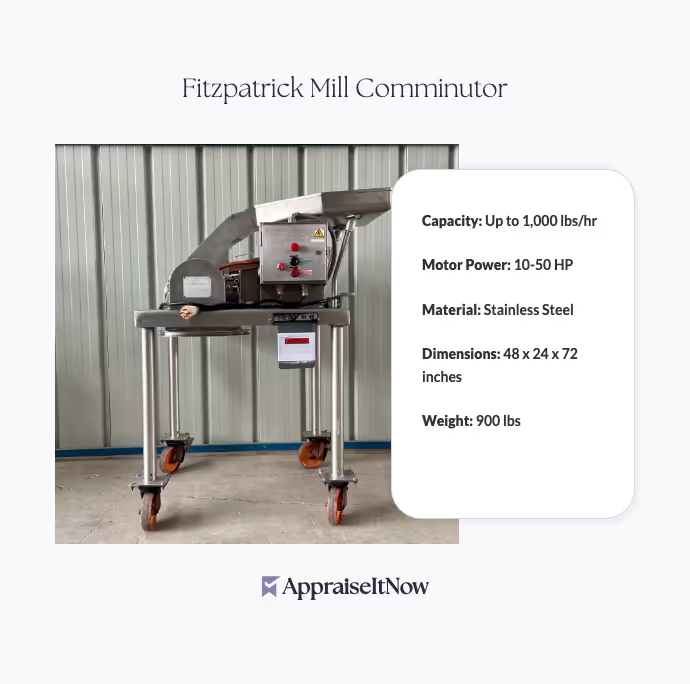
<p>The Fitzpatrick Mill Comminutor stands as a cornerstone of modern industrial size-reduction technology, with current market valuations ranging from <strong>$80,000 to $90,000</strong> depending on condition, age, and operational history. Whether you're evaluating this specialized equipment for sale, insurance purposes, or asset documentation, understanding the appraisal process ensures you receive an accurate valuation backed by professional expertise and market-driven analysis.</p>
<h2>Understanding Fitzpatrick Mill Comminutor Value Drivers</h2>
<p>Your Fitzpatrick Mill Comminutor's worth extends beyond its original purchase price. This patented milling machine, first introduced in 1960, has earned its reputation as essential <a href="/types/food-processing-equipment">food processing equipment</a> and <a href="/types/chemical-equipment">chemical equipment</a> across pharmaceutical, food production, and specialty materials manufacturing. The machine's precision-engineered construction and proven ability to handle wet or dry processing of everything from minerals and chemicals to pharmaceuticals makes it continuously relevant in industrial settings.</p>
<p>The Fitzpatrick's enduring value reflects several technical advantages. Its capability for precise particle size control, combined with low-maintenance design and customizable processing configurations, means your equipment likely still delivers significant operational value regardless of age. Industry data shows that well-maintained Fitzpatrick comminutors retain approximately 60-70% of their original value after 10-15 years of operation, outperforming many competing brands due to their robust construction and parts availability.</p>
<div class="callout tip"><p><strong>Market Insight</strong></p>
<p>Fitzpatrick comminutors with documented maintenance records and recent blade replacements typically command 15-25% premiums over similar machines with unclear service histories.</p></div>
<h2>Current Market Demand and Comparable Sales Data</h2>
<p>The North American market for used Fitzpatrick comminutors remains consistently strong, with typical buyers including food processors, pharmaceutical manufacturers, chemical recyclers, and equipment brokers seeking equipment for resale or production expansion. Understanding who actively purchases these machines helps appraisers benchmark your specific unit's value.</p>
<p>Recent comparable sales provide essential context for professional valuations. Your appraisal should reference specific transactions from auction houses, private sales, and broker listings. These comparable sales typically emerge from specialized industrial equipment marketplaces like Machinery Values, AUCTIONEERS nationwide, and direct broker networks. When evaluating your Fitzpatrick comminutor's position in the market, appraisers examine factors like machine age, total operating hours, blade condition, motor specifications, and presence of replacement parts or spare components.</p>
<p>The international market for Fitzpatrick equipment has expanded significantly, particularly in pharmaceutical manufacturing regions. European, Asian, and South American buyers often seek used American-manufactured comminutors, sometimes driving prices higher through competitive bidding. This global demand landscape suggests your equipment may have value beyond domestic North American markets, a factor professional appraisers incorporate into comprehensive valuations.</p>
<h2>Key Technical Specifications That Affect Appraisal Value</h2>
<p>When you submit your Fitzpatrick Mill Comminutor for professional assessment, appraisers examine specific technical parameters that directly impact monetary valuation. The machine's processing capacity, expressed in kilograms or pounds per hour, represents a primary value driver—larger capacity units typically command proportionally higher prices in the secondary market.</p>
<p>Your comminutor's milling mechanism configuration matters significantly. The patented Fitzpatrick technology allows for precise particle size targeting, which pharmaceutical and specialty chemical manufacturers particularly value. Machines capable of achieving precise micronization down to specific micron ranges often see stronger demand and higher resale values than general-purpose models. Additionally, the availability of spare parts directly influences market value—machines with readily available replacement blades, wear plates, and motor components maintain better long-term value than models experiencing parts scarcity.</p>
<p>Motor horsepower, voltage requirements, and control system sophistication all factor into appraisal calculations. Newer control interfaces with digital readouts and data logging capabilities may slightly increase value over older mechanical controllers, though some manufacturers specifically seek original specifications for replacement purposes. The machine's certification status—whether it maintains pharmaceutical GMP compliance documentation or food processing certifications—can meaningfully enhance value for specialized buyers.</p>
<div class="callout note"><p><strong>Appraisal Factor</strong></p>
<p>A Fitzpatrick comminutor with original documentation confirming pharmaceutical GMP compliance may appraise 10-20% higher than identical machines without such certification, despite identical operational capabilities.</p></div>
<h2>Condition Assessment and Depreciation Patterns</h2>
<p>Industrial equipment depreciation follows different curves than consumer goods, and your Fitzpatrick comminutor's condition directly determines where it falls within the $80,000-$90,000 valuation range. Professional appraisers conducting site inspections examine wear patterns, operational efficiency, and maintenance requirements that collectively establish condition grades.</p>
<p>Blade condition represents the most visible and economically significant wear factor. Fresh, sharp grinding blades indicate minimal operational stress and suggest the machine will perform reliably for new owners. Worn, chipped, or dull blades immediately signal upcoming maintenance expenses—replacement blade sets cost $5,000-$15,000 depending on configuration, a substantial factor that depresses value in proportion to blade wear severity. Beyond blades, appraisers assess the machine frame for structural integrity, corrosion patterns, bearing wear, and seal degradation that together indicate remaining useful life.</p>
<p>Motor hours provide quantifiable operational history—Fitzpatrick comminutors typically deliver 20-30 years of service life with proper maintenance, meaning a machine with documented 10,000 operational hours typically carries greater value than one with 40,000 hours despite potentially functioning equally well. Environmental factors like corrosion from chemical processing or humidity exposure in pharmaceutical production facilities measurably impact value, as do any visible repairs, modifications, or non-original component substitutions that suggest previous operational problems.</p>
<h2>Documentation Requirements for Defensible Appraisals</h2>
<p>Professional appraisers specializing in <a href="/types/heavy-machinery">heavy machinery</a> and <a href="/types/equipment-and-machinery">equipment and machinery</a> valuations require comprehensive documentation to produce reports meeting USPAP standards and surviving legal scrutiny. Your Fitzpatrick comminutor appraisal should include verified serial numbers, manufacturing dates, and maintenance records that together establish authenticity and operational history.</p>
<p>Original equipment manuals, parts lists, and technical specifications provide appraisers with baseline reference points for comparing your specific machine's features against current market equivalents. Maintenance records showing regular blade changes, bearing replacements, seal service, and repair history directly support value conclusions—machines with documented preventive maintenance programs appraise higher than neglected equipment with sporadic repairs. Photographs documenting current condition from multiple angles, including close-ups of wear patterns, blade condition, and any visible repairs or modifications, become essential supporting evidence in formal appraisal reports.</p>
<p>For machines previously used in pharmaceutical or food processing applications, any certifications, compliance documentation, or validation records should be compiled. These materials demonstrate that your equipment maintained compliance with regulatory requirements throughout its operational life, a factor that materially affects value, particularly for buyers subject to regulatory oversight. Serial number verification connecting the motor, drive system, milling chamber, and all major components helps establish that your specific machine represents a complete, original configuration rather than an assembly of mismatched components.</p>
<h2>Inspection Findings That Significantly Impact Value</h2>
<p>Specific wear patterns and mechanical findings dramatically influence Fitzpatrick comminutor valuations. Blade erosion exceeding acceptable tolerances immediately reduces value by 20-30% or more, as replacing precision-engineered grinding components represents substantial ownership cost. Similarly, bearing noise during operation, motor vibration beyond specifications, or seal leakage suggesting imminent replacement needs can reduce appraised value by 15-25% depending on replacement cost estimates and remaining bearing life.</p>
<p>Corrosion severity determines both aesthetic appearance and functional concerns. Surface oxidation suggests environmental neglect but poses minimal functional impact, while deep pitting or structural corrosion affecting frame integrity can reduce value by 30-50% due to safety concerns and potential structural compromise. Modifications to the processing chamber, non-original motor installations, or custom feed systems sometimes enhance value for specialized applications but more commonly reduce market value by limiting buyer options to operators with matching requirements.</p>
<h2>Specialized Appraisal Considerations for Industrial Equipment</h2>
<p>Professional appraisals for <a href="/types/chemical-equipment">chemical equipment</a> and pharmaceutical production machinery require appraiser expertise specifically focused on industrial equipment valuations. This specialized knowledge encompasses understanding depreciation curves unique to industrial markets, recognizing which technical specifications drive demand, and accessing industry-specific comparable sales data unavailable through general appraisal resources.</p>
<p>When seeking appraisal services, confirm that your chosen appraiser possesses certifications from recognized professional organizations including the <strong>American Society of Appraisers (ASA)</strong>, <strong>International Society of Appraisers (ISA)</strong>, or <strong>Appraisers Association of America (AAA)</strong>. These credentials indicate formal training in USPAP compliance, industrial equipment valuation methodology, and ongoing professional development specific to machinery and equipment. An appraiser familiar with <a href="/types/food-processing-equipment">food processing equipment</a> valuations will understand the specific factors affecting your Fitzpatrick comminutor's market position more thoroughly than generalist appraisers.</p>
<div class="callout tip"><p><strong>Professional Selection</strong></p>
<p>Request references from equipment appraisers demonstrating prior experience valuing Fitzpatrick comminutors specifically or comparable pharmaceutical and food processing machinery to ensure they understand model-specific depreciation patterns and market demand factors.</p></div>
<h2>Shipping, Disassembly, and Logistics Considerations</h2>
<p>Your Fitzpatrick Mill Comminutor's physical characteristics significantly influence its practical value to potential buyers. These machines typically weigh 2,000-5,000 pounds depending on specific model and configuration, requiring specialized material handling equipment, structural engineering review for installation sites, and professional logistics coordination for relocation. These factors, while not directly affecting the machine's intrinsic value, materially impact buyer acquisition costs and influence competitive bidding during resale.</p>
<p>Disassembly for shipping costs typically range from $3,000-$8,000 depending on model complexity, electrical configuration, and site conditions. Crating and freight typically add another $5,000-$15,000 to total transportation costs. These logistics considerations don't reduce appraised value but should inform your understanding of net proceeds during resale—a machine appraising at $85,000 might net only $70,000-$77,000 after accounting for buyer shipping costs, broker commissions, and disposal of packaging materials. Professional appraisers may reference these logistics realities when establishing market value conclusions, particularly for equipment intended for rapid resale rather than continued operation.</p>
<h2>USPAP Compliance and Regulatory Requirements</h2>
<p>Your Fitzpatrick comminutor appraisal for lending, insurance, or legal purposes must comply with the <strong>Uniform Standards of Professional Appraisal Practice (USPAP)</strong>, the ethical and performance standards governing appraisal practice across North America. USPAP compliance ensures your appraisal meets legal standards for court proceedings, insurance claims, lender requirements, and asset division during estate settlement or business dissolution.</p>
<p>Appraisals intended for insurance coverage require specific USPAP-compliant documentation supporting replacement cost or agreed value determinations. Equipment appraisals supporting financing or collateral valuations demand comprehensive market analysis, comparable sales documentation, and defensible methodology clearly articulated in formal written reports. Professional appraisers conducting insurance-purpose valuations typically provide photographs, condition assessments, and replacement cost analyses that justify coverage limits to insurance underwriters.</p>
<p>For tax purposes related to charitable donations, asset depreciation calculations, or business valuations, USPAP standards require appraisals completed by qualified, independent professionals demonstrating absence of bias toward any predetermined conclusion. This formal framework protects you during tax audits, insurance claims, and legal disputes by providing third-party professional documentation of your equipment's value at specific valuation dates.</p>
<h2>Typical Appraisal Fees and Turnaround Timelines</h2>
<p>Professional Fitzpatrick comminutor appraisals typically involve fees ranging from $1,500-$3,500 depending on complexity, site location, and report formality level. Full-form appraisals providing comprehensive documentation, photographs, condition assessments, and extensive market research command premium fees justified by the detailed analysis and defensibility they provide. Appraisals requiring on-site inspection, particularly for equipment located outside major metropolitan areas, may include travel fees and extended timelines reflecting logistics requirements.</p>
<p>Turnaround times for complete appraisal reports typically span 5-10 business days from inspection completion to final report delivery, though expedited services occasionally accommodate 2-3 day timelines at premium fees. The appraisal process involves site inspection, condition documentation, comparable sales research, market analysis, and formal report preparation—each component requires professional attention to produce legally defensible valuations withstanding insurance claims, tax audits, or litigation scrutiny.</p>
<p>Specialized platforms like <strong>AppraiseItNow</strong> streamline appraisal coordination by connecting you with credentialed equipment specialists qualified in industrial machinery valuations. These tech-enabled services allow you to submit photographs, specifications, and documentation securely online, often reducing inspection requirements and expediting turnaround while maintaining USPAP compliance standards necessary for lending, insurance, and legal purposes.</p>
<div class="callout note"><p><strong>Key Takeaway</strong></p>
<p>A professional appraisal of your Fitzpatrick Mill Comminutor provides essential documentation for insurance coverage, legal transactions, and financial planning. Understanding the factors driving its $80,000-$90,000 market value—condition, documentation, maintenance history, and buyer demand dynamics—ensures accurate valuations aligned with current industrial equipment markets and your specific ownership circumstances.</p></div>