









<h1>How to Get Your Anatolian Prayer Kilim Rug Appraised</h1>
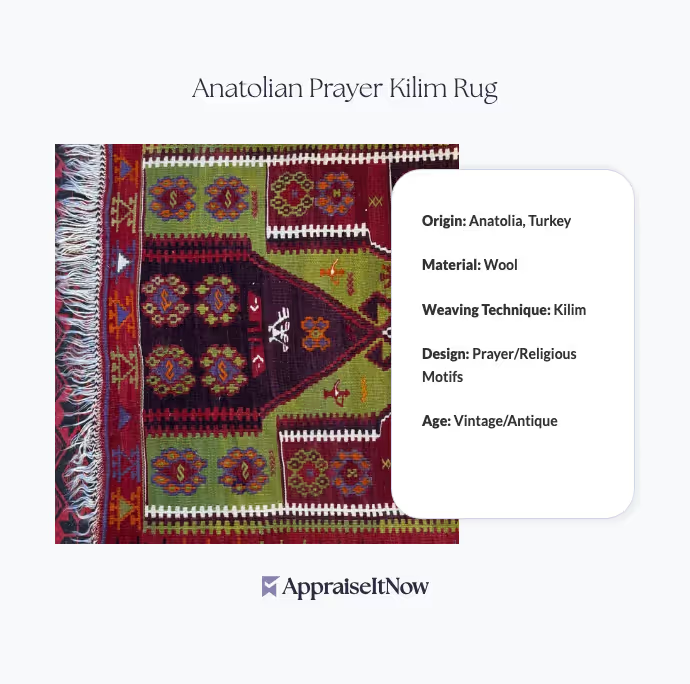
<p>An Anatolian Prayer Kilim Rug represents far more than a decorative floor covering—it's a piece of cultural heritage, artistic craftsmanship, and potential investment. Whether you've inherited one, discovered it at an estate sale, or are considering purchase, understanding how to properly appraise your kilim ensures you make informed decisions about value, authenticity, and preservation. With estimated market values ranging from <strong>$1,500 to $3,000</strong> for quality examples, professional evaluation becomes essential.</p>
<h2>Understanding Your Anatolian Prayer Kilim's Worth</h2>
<p>When asking "Are kilim rugs valuable?" the answer depends entirely on the specific rug's characteristics. Your Anatolian Prayer Kilim's value derives from multiple intersecting factors—age, condition, dye quality, weaving technique, and historical significance. These rugs first emerged in the 16th century as handwoven textiles with religious and symbolic motifs, making them highly sought after by collectors and interior designers worldwide.</p>
<p>The distinction between a regular rug and a kilim matters significantly for valuation. Unlike pile rugs with a raised surface, kilims feature a tight, flat weave created through traditional Turkish techniques. This construction, combined with vibrant natural dyes, makes Anatolian Prayer Kilims particularly prized. Understanding this difference helps you recognize when professional appraisal is necessary and what appraisers will examine during evaluation.</p>
<div class="callout tip"><p><strong>Collector's Insight</strong></p>
<p>Kilim rugs incorporating intricate prayer patterns and symbolic religious elements often command 20-30% premiums over similar geometric designs due to cultural significance and collector demand.</p></div>
<h2>Key Factors That Determine Kilim Rug Value</h2>
<p>When evaluating your Anatolian Prayer Kilim, several technical and historical elements directly impact its worth. Age represents the most obvious factor—vintage kilims from the 19th and early 20th centuries command substantially higher prices than modern reproductions. But how do you tell if a kilim rug is real, and what distinguishes vintage from reproduction?</p>
<p>Authentic Anatolian Prayer Kilims display specific characteristics that professional appraisers look for during <a href="/types/artwork">artwork appraisals</a>. The handwoven structure creates natural irregularities in the weave pattern, colors derived from natural plant and mineral dyes show subtle variations across the rug, and the tight weave produces a distinctive texture when you run your fingers across it. Reproductions often feature uniform dye consistency, mechanical perfection in pattern repetition, and synthetic colorants that appear unnaturally bright.</p>
<p>The quality of craftsmanship fundamentally drives your kilim's market position. Skilled Anatolian artisans spent months or even years creating single rugs, layering complexity into every thread. Rugs exhibiting tighter weaves, more elaborate symbolic patterns, and superior color harmony command higher valuations than those with looser construction or simplified designs. Documentation proving traditional creation methods and original artisan provenance can increase value by 15-25%.</p>
<h2>Evaluating Condition and Authenticity</h2>
<p>Your kilim's physical condition directly affects its appraisal value and desirability. Before obtaining a professional assessment, understand how condition is graded. Excellent examples show minimal wear with original colors vibrant and dye integrity intact. Very good specimens display light wear with some fading but no structural damage. Good condition rugs may show moderate wear, slight color fading, or minimal repairs. Fair condition pieces exhibit significant wear patterns, color loss, or visible mending.</p>
<p>When examining your rug, assess the foundation structure—does the warp still feel secure, or do you notice loosening threads? Check the edges for fraying or damage requiring conservation work. Look for any signs of insect damage, water staining, or previous repairs using non-traditional materials. These factors directly influence whether your kilim falls into the $1,500 range or approaches $3,000 market values.</p>
<p>Determining if your kilim is authentic requires examining dye characteristics and weaving patterns. Natural dyes from madder root, indigo, and walnut hulls create color variations that synthetic modern dyes cannot replicate. The slight irregularities in traditional weaving—where tension varies slightly across rows—become markers of authenticity rather than flaws. Professional appraisers trained in textile evaluation can distinguish genuine vintage kilims from convincing reproductions by examining these subtle but crucial details.</p>
<div class="callout note"><p><strong>Authentication Consideration</strong></p>
<p>Request photographs taken under consistent lighting when obtaining remote appraisals, as dye color authenticity assessment requires accurate color representation for expert evaluation.</p></div>
<h2>How Professional Appraisals Determine Kilim Value</h2>
<p>The appraisal process for Anatolian Prayer Kilims follows established standards similar to other <a href="/blog/appraising-fine-textiles-valuing-antique-fabrics-and-weavings">fine textiles and weavings</a>. Certified appraisers examine your rug's construction method, dye analysis, pattern complexity, size, and regional origin characteristics. They compare your specific piece against documented comparable sales, market demand indicators, and institutional valuations to establish fair market value.</p>
<p>Professional appraisers access market data through auction results, dealer inventories, and private sales documentation. They understand how regional Turkish styles influence value—Anatolia-specific design elements command different prices than similar kilims from other regions. The question "Which Persian rugs are the most valuable?" highlights an important distinction: while Persian rugs often exceed kilim valuations, Anatolian Prayer Kilims occupy a distinct market segment with specialized collector bases and pricing dynamics.</p>
<p>What happens during a professional textile appraisal? Experts photograph your kilim from multiple angles under controlled lighting, documenting condition, wear patterns, and unique design elements. They measure dimensions precisely and assess the thread count or weave density. They may examine fiber samples microscopically and test dye stability through careful observation. All findings get documented in a detailed report explaining valuation methodology, comparable sales analysis, and condition assessment—essential documentation for insurance, sale, or estate purposes.</p>
<h2>Understanding Market Dynamics for Kilim Rugs</h2>
<p>Asking "How much do kilim rugs cost?" reveals tremendous price variation based on age, origin, condition, and size. Modern kilims can sell for $300-$800, while authentic vintage examples from the 19th century regularly command $2,000-$5,000 or more. Your Anatolian Prayer Kilim's estimated <strong>$1,500-$3,000</strong> range reflects solid mid-market positioning for well-maintained pieces with documented authenticity.</p>
<p>The market for Anatolian textiles has remained remarkably stable over the past decade, with steady collector demand supporting valuations. Interior designers increasingly specify vintage kilims for high-end residential projects, while institutional collections continue acquiring exceptional pieces. This consistent demand helps protect your investment value and supports the reliability of professional appraisals when you need certified documentation for insurance or estate planning.</p>
<p>Understanding how to tell if a rug is vintage requires familiarity with production markers and aging characteristics. Genuine vintage pieces display natural color fading patterns influenced by light exposure, with areas near windows showing more significant color loss. The rug's back side typically shows different wear than the surface, and the fringe often displays yellowing from age rather than uniform coloration. Professional appraisers recognize these authentic aging markers and distinguish them from artificial aging techniques used to simulate vintage appearance in new rugs.</p>
<div class="callout tip"><p><strong>Market Insight</strong></p>
<p>Prayer rugs—kilims featuring specific directional designs indicating prayer orientation—consistently achieve 15-20% premiums over comparable geometric pattern examples due to specialized collector interest and cultural significance.</p></div>
<h2>Preservation and Value Protection</h2>
<p>Maintaining your Anatolian Prayer Kilim's condition directly preserves its market value. How to clean old kilim rugs properly becomes a critical question before obtaining appraisals—improper cleaning can dramatically reduce value. Professional conservators recommend gentle vacuuming with protective screens rather than direct contact, and spot-cleaning only with pH-neutral materials tested on inconspicuous areas. Never use commercial rug cleaners containing synthetic detergents, as these can set dyes permanently and damage natural fibers.</p>
<p>Proper storage conditions significantly impact kilim longevity and value. These textiles require climate-controlled environments maintaining 45-55% relative humidity and moderate temperatures. Direct sunlight exposure causes fading and weakens fibers over time, so rolling or storing your kilim away from windows protects both aesthetic and monetary value. Acid-free tissue and cedar blocks help prevent insect damage during storage. For high-value pieces, consider professional conservation and climate-controlled vaults that maintain optimal conditions while keeping your textile accessible for periodic inspection.</p>
<p>Related to textile preservation, exploring resources on <a href="/blog/appraisals-for-fine-carpets-and-rugs-valuing-artistry-beneath-your-feet">appraising fine carpets and rugs</a> provides comprehensive guidance on maintaining collection value across multiple kilim and rug types. The question "Can you vacuum a kilim rug?" requires particular attention—while gentle vacuuming with protection is acceptable, aggressive mechanical cleaning or wet extraction can cause permanent damage to hand-woven structures.</p>
<h2>When and Why You Need Professional Appraisal</h2>
<p>Several situations make professional kilim appraisals essential. Purchasing decisions benefit from independent expert evaluation confirming authenticity and fair market pricing. Insurance coverage requires certified appraisals documenting replacement value, protecting your investment against loss, theft, or damage. Estate settlements need documented valuations for accurate asset distribution among beneficiaries. Tax deductions for charitable donations of kilims require professional appraisals meeting IRS standards for substantiation.</p>
<p>Appraisals also serve important verification purposes when inheritance claims need verification or when you're considering selling your kilim privately. A certified appraiser's documentation provides confidence to potential buyers and protects you from disputes about value or authenticity. For pieces potentially exceeding standard market ranges, professional assessment confirms whether your kilim represents an exceptional example commanding premium pricing.</p>
<p>The cost of professional appraisals typically ranges from <strong>$300-$750</strong> depending on rug size, complexity, and whether evaluation occurs in-person or remotely through photography. When considering appraisal costs against your kilim's estimated $1,500-$3,000 value, professional evaluation represents solid investment protection and legal documentation. AppraiseItNow connects you with USPAP-credentialed appraisers across the United States specializing in <a href="/types/personal-property">personal property</a> valuation, ensuring your Anatolian Prayer Kilim receives expert assessment suitable for insurance, legal, or transactional purposes.</p>
<h2>Navigating Cultural Significance in Valuation</h2>
<p>Your Anatolian Prayer Kilim represents more than monetary value—it embodies cultural heritage, artistic tradition, and historical significance. Understanding the cultural context enriches both appreciation and valuation. Prayer rugs carry specific religious and symbolic meanings in Turkish and broader Islamic traditions, with directional designs indicating prayer orientation toward Mecca. These cultural elements attract specialized collectors and influence market premium pricing.</p>
<p>When evaluating <a href="/blog/evaluating-cultural-heritage-appraisals-of-indigenous-art-and-artifacts">cultural heritage appraisals</a> for textiles like your kilim, professional appraisers balance monetary valuation with cultural significance acknowledgment. Expert documentation preserves knowledge about your rug's cultural context, creating permanent records of its heritage value. This becomes particularly important for pieces potentially destined for institutional collections, museum donations, or preservation organizations specializing in textile conservation.</p>
<p>The convergence of artistic, historical, and cultural factors explains why professional appraisers command specialized expertise for kilim valuation. Beyond basic condition assessment, experienced textile appraisers understand regional design variations, historical production methods, and cultural significance markers that directly influence monetary value. Their comprehensive understanding ensures your appraisal captures both market worth and cultural context, creating documentation that serves multiple purposes—insurance protection, legal validation, and historical preservation.</p>
<div class="callout note"><p><strong>Key Takeaway</strong></p>
<p>Professional appraisal of your Anatolian Prayer Kilim Rug provides essential documentation confirming authenticity, determining fair market value between $1,500-$3,000, and protecting your investment through certified valuation suitable for insurance, legal, or transactional purposes. Expert evaluation ensures this cultural artifact receives proper recognition of both its monetary worth and historical significance.</p></div>