









<h1>How to Get Your Thomas Webb Crystal Decanter Appraised</h1>
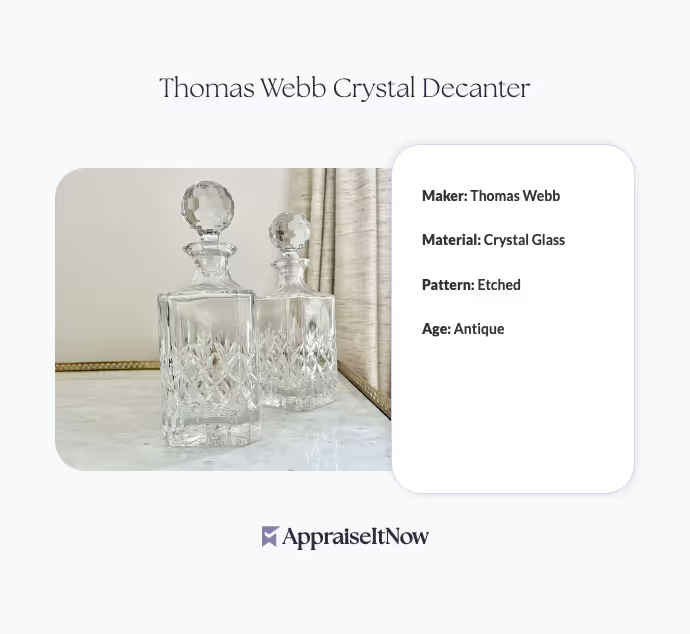
<p>The Thomas Webb Crystal Decanter stands as a testament to 19th-century English craftsmanship, commanding valuations between <strong>$800 and $1,200</strong> in today's collector market. Whether you've inherited this elegant piece, discovered it at an estate sale, or are considering a purchase, understanding how to properly appraise your decanter ensures you know its true worth for insurance, sale, or collection purposes.</p>
<h2>Understanding Thomas Webb's Significance</h2>
<p>Thomas Webb was a renowned English glassmaker whose reputation for exceptional quality and meticulous attention to detail elevated him to prominence during the Victorian era. Your Thomas Webb Crystal Decanter represents premium craftsmanship from a maker whose work is highly sought after by collectors of fine glassware. The intricate etched patterns adorning the surface weren't merely decorative—they reflected the artisan's skill and the piece's intended use as a vessel for serving fine spirits or wines in elegant settings.</p>
<p>The fact that your decanter was produced during this golden age of English glassmaking adds substantial historical and monetary value. Unlike mass-produced modern glass, each Thomas Webb creation tells a story of deliberate artistry and technical mastery. This distinction directly influences professional appraisals, which recognize premium crystal as fundamentally different from ordinary household glassware.</p>
<div class="callout tip"><p><strong>Collector's Insight</strong></p>
<p>Thomas Webb decanters with exceptional pattern clarity and minimal damage typically command prices at the higher end of the $800–$1,200 range, sometimes exceeding estimates when provenance is well-documented.</p></div>
<h2>Key Features That Determine Your Decanter's Value</h2>
<p>When seeking a professional appraisal, appraisers examine specific characteristics that distinguish valuable pieces from standard glassware. The quality of your decanter's etched pattern directly impacts its valuation—deeper, more intricate designs reflect greater artisan investment and command higher prices. Similarly, the crystal's clarity and weight (a indicator of lead content and quality) significantly influence market value.</p>
<p>Your decanter's age matters considerably. Thomas Webb pieces produced during the mid-to-late 19th century, when the company was at its creative peak, typically appreciate more than later productions. The form and functionality also affect value—serving decanters command different prices than decorative examples, as do pieces with original stoppers versus those missing this crucial component.</p>
<p>Understanding these technical distinctions parallels how professionals appraise <a href="/blog/appraising-fine-glass-and-crystal-valuing-delicate-glassware-and-artistic-creations">antique glassware and fine crystal</a> across the broader collectibles market. A certified appraiser will evaluate each element systematically to establish accurate market positioning.</p>
<h2>Assessing Condition and Damage</h2>
<p>How do you know if your glass decanter is valuable? One critical factor is condition. Professional appraisers look for chips, cracks, cloudiness, or repairs that significantly reduce value. A Thomas Webb decanter in excellent condition with clear glass and intact etching might command the full $1,000–$1,200 range, while the same piece with professional repairs could drop to $600–$800.</p>
<p>The decanter's stopper represents another crucial condition marker. Original period stoppers (ideally featuring matching craftsmanship or maker's marks) add measurable value—sometimes 15–25% above the base estimate. Replacement stoppers or missing stoppers reduce your decanter's market appeal and appraisal value, though they don't eliminate it entirely if the vessel itself remains exemplary.</p>
<p>Interior condition also matters. Cloudiness from mineral deposits or residue buildup can sometimes be addressed through careful cleaning, but staining or frosting from long-term liquid contact might indicate structural changes affecting the glass itself. Professional appraisers assess whether cleaning is advisable or if it might damage delicate surfaces.</p>
<div class="callout note"><p><strong>Assessment Consideration</strong></p>
<p>Never attempt aggressive cleaning before appraisal—professional conservators recommend minimizing intervention until experts evaluate your piece.</p></div>
<h2>Identifying Authentic Thomas Webb Pieces</h2>
<p>How do you identify an antique crystal decanter? Authentic Thomas Webb decanters typically feature specific markers that distinguish them from inferior reproductions or misattributed pieces. Look for maker's marks, signatures, or registration marks on the base. The etched pattern's quality, symmetry, and depth provide visual clues—authentic Thomas Webb work demonstrates exceptional uniformity impossible to achieve through modern mass production.</p>
<p>The glass itself tells a story. Genuine 19th-century English crystal possesses a particular warmth and slight imperfections reflecting hand-crafted origins. Modern reproductions, while beautiful, often display too-perfect clarity or overly uniform coloring. Weight and feel also matter—premium crystal feels substantial and solid in hand, dramatically different from contemporary glassware.</p>
<p>Documentation strengthens your decanter's appraisal value significantly. If you possess original purchase records, family provenance history, or exhibition documentation, these materials directly support professional valuation and justify premium pricing within the estimated range.</p>
<h2>Preparing for Your Appraisal</h2>
<p>Before contacting an appraiser, prepare comprehensive documentation to maximize the accuracy of your Thomas Webb Crystal Decanter valuation. Photograph your piece from multiple angles, capturing both the intricate etching patterns and any identifying marks. High-resolution images of the base, signature areas, and stopper provide essential reference materials for remote preliminary assessments.</p>
<p>Record basic measurements—height, diameter, weight if possible—and note any visible condition issues or repairs. If you know the decanter's acquisition history, document those details clearly. Did you inherit it? Purchase it from a specific dealer? Find it at an estate sale? This provenance information directly influences appraised value and helps appraisers position your piece within market comparables.</p>
<p>Where is the best place to sell decanters, and should you sell before appraisal? Professionals recommend obtaining formal appraisals before pursuing sales. You'll negotiate from a position of knowledge and confidence when you understand your piece's certified market value. This applies whether you're selling through auction houses, specialized dealers, or private transactions.</p>
<h2>Professional Appraisal Standards</h2>
<p>How to find out how much your crystal is worth requires engaging qualified appraisers who understand both the Thomas Webb brand heritage and current market dynamics. Look for appraisers holding credentials from established organizations like the American Society of Appraisers (ASA) or the Appraisers Association of America (AAA). These certifications indicate adherence to the Uniform Standards of Professional Appraisal Practice (USPAP), ensuring your appraisal meets professional and legal standards.</p>
<p>Certified appraisers provide detailed written reports documenting condition, authenticity assessment, comparable sales analysis, and final valuation. These reports prove essential for <a href="/blog/the-role-of-antiques-appraisals-in-insurance-claims">insurance claims</a> and should you ever face inheritance disputes or require replacement cost documentation. Professional appraisals create the paper trail establishing your decanter's legitimacy and value for any future transaction.</p>
<p>AppraiseItNow connects you with credentialed experts across the United States who specialize in <a href="/types/antiques">antiques and collectible glassware</a>. Our appraisers submit photographs and detailed descriptions online, then provide USPAP-compliant valuations backed by thorough market analysis.</p>
<h2>Market Trends and Timing Considerations</h2>
<p>When is the best time to get an antiques appraisal? The answer depends on your specific needs. If you're planning estate distribution, seeking insurance coverage, or preparing for potential sale, timing your appraisal becomes strategic. Crystal and glassware markets show seasonal variations, with holiday periods typically generating stronger collector activity and interest.</p>
<p>The broader antique market demonstrates steady interest in fine Victorian-era glassware, particularly English pieces representing established makers like Thomas Webb. Current collector demographics increasingly value well-documented provenance and exceptional craftsmanship over mere age, positioning your decanter favorably if its history and condition support premium valuation.</p>
<p>Market data shows that what is hot in antiques right now includes authenticated period pieces from renowned artisans—exactly what your Thomas Webb decanter represents. Unlike speculative contemporary art markets, the vintage glassware sector demonstrates relative stability and consistent appreciation when pieces are properly documented and maintained.</p>
<div class="callout tip"><p><strong>Market Timing</strong></p>
<p>Fine crystal and glassware typically appreciate modestly over time. Appraisals conducted every 3–5 years help track value changes and ensure accurate insurance coverage reflecting current market conditions.</p></div>
<h2>Documentation for Sales and Transactions</h2>
<p>Should you decide to sell your Thomas Webb decanter, the appraisal report becomes invaluable. Professional documentation justifies your asking price whether listing on specialized platforms or working with dealers. Can you sell full decanters on eBay? Yes, though eBay's platform reaches primarily smaller collectors and casual buyers. Auction houses specializing in <a href="/types/memorabilia-and-collectibles">antiques and collectibles</a> often achieve better results for authenticated, valuable pieces like yours.</p>
<p>Professional appraisals prevent getting ripped off by establishing your decanter's legitimate value. Unscrupulous dealers sometimes undervalue pieces to purchase them cheaply—a certified appraisal protects you by documenting fair market value. This documentation proves particularly valuable during inheritance situations where multiple beneficiaries require transparent, professional valuation.</p>
<p>Beyond sales, appraisals serve critical insurance purposes. Your homeowner's policy typically covers personal property, but coverage limits often fail to reflect true value for premium collectibles. A formal appraisal justifies higher coverage limits and ensures replacement cost protection, safeguarding your investment comprehensively.</p>
<h2>Understanding Broader Collectible Market Context</h2>
<p>Your Thomas Webb decanter exists within the larger context of <a href="/blog/appraising-antiques-unveiling-the-hidden-treasures-in-your-collection">antique glassware appraisals</a>, where English makers command consistent collector interest. The recognition of vintage crystal extends beyond individual pieces to encompass the broader craftsmanship movement of the Victorian era. Professionals appraise these items considering both their individual merit and their position within design history.</p>
<p>How to recognize vintage crystal requires understanding the technical and aesthetic markers that distinguish period pieces from modern reproductions. Crystal clarity, weight, etching technique, and maker characteristics all factor into authentication. Professional appraisers bring specialized knowledge enabling accurate identification and value assessment that casual collectors cannot replicate.</p>
<p>The investment perspective on fine crystal suggests steady appreciation potential. Unlike trendy collectibles subject to market fads, authenticated pieces from established makers like Thomas Webb demonstrate resilience. Their functional beauty, combined with historical significance and documented craftsmanship, maintains collector demand across generations.</p>
<div class="callout note"><p><strong>Key Takeaway</strong></p>
<p>A certified appraisal of your Thomas Webb Crystal Decanter provides authoritative documentation of its condition, authenticity, and fair market value—essential whether you're seeking insurance protection, planning an estate, or considering sale. Professional appraisers bring specialized knowledge and market expertise that ensure accurate valuation, protecting your investment and enabling confident decision-making about your elegant, historically significant piece.</p></div>