








<h1>How to Get Your Pairpoint Reverse Painted Lamp Appraised</h1>
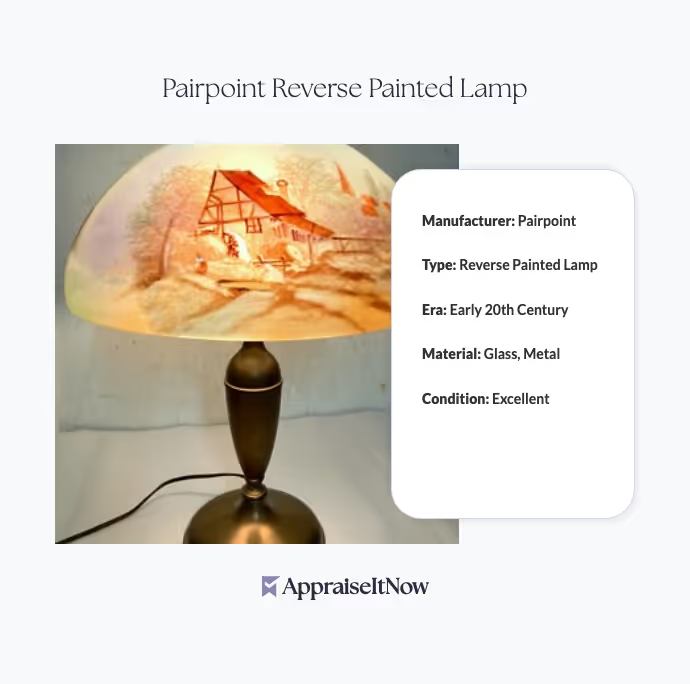
<p>If you own a Pairpoint reverse painted lamp, you're sitting on a valuable piece of American decorative arts history. These stunning early 20th-century fixtures, with their intricately hand-painted glass shades showcasing floral and scenic designs, command significant market interest among collectors and interior design enthusiasts. Understanding how to get your lamp properly appraised ensures you have accurate valuation for insurance, sale, or collection purposes.</p>
<h2>Understanding Pairpoint Lamp Value and Market Demand</h2>
<p>Your Pairpoint reverse painted lamp likely falls within the <strong>$4,000 to $6,000</strong> market range, though exceptional examples can exceed these estimates based on condition, design rarity, and provenance. Pairpoint Manufacturing Company, operating during the height of American Arts and Crafts movement, established itself as a premier producer of reverse-painted glass art lighting. When collectors ask how to find out what their antique lamp is worth, professional appraisal becomes essential because each lamp's unique design and condition variations significantly impact value.</p>
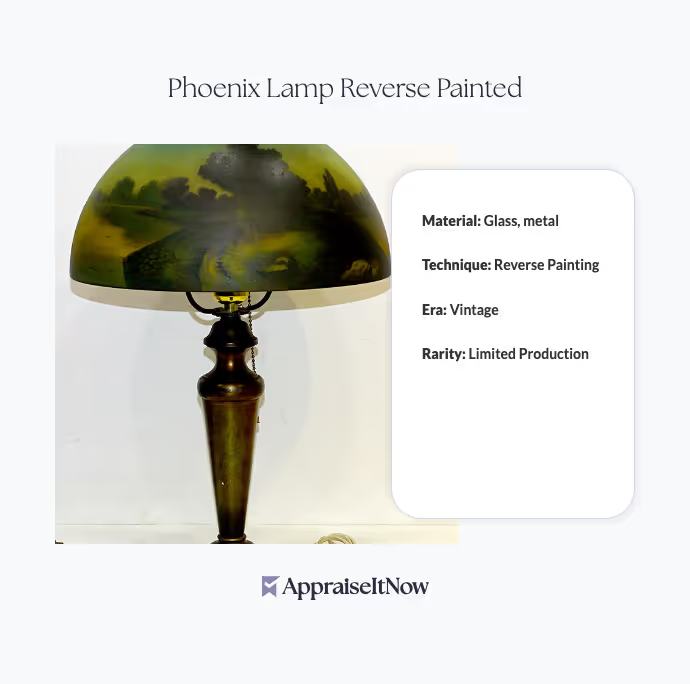
<p>The reverse painting technique—where pigments are applied to the interior surface of the glass shade—creates dimensional visual depth impossible to achieve with surface painting. This labor-intensive process, combined with Pairpoint's exceptional glass quality, made these lamps highly collectible from their 1900s introduction through today.</p>
<div class="callout tip"><p><strong>Collector's Insight</strong></p>
<p>Pairpoint lamps featuring rare or exceptional scenic compositions, particularly those with documented artist signatures or exhibition provenance, can command 30-50% premiums above standard market valuations.</p></div>
<h2>Identifying Your Lamp Before Appraisal</h2>
<p>Knowing whether you truly own a Pairpoint requires understanding key identification markers. How do you identify a Pairpoint lamp specifically? Authentic examples display several consistent characteristics that distinguish them from similar-period competitors like Tiffany or later reproductions.</p>
<p>Look for the <strong>Pairpoint signature or mark</strong> typically found on either the lamp base or the shade itself. The company produced primarily from the early 1900s through approximately the 1930s, though production resumed after WWII with different stylistic qualities. Your lamp's base construction offers additional clues—Pairpoint favored bronze or brass materials for their durability and aesthetic appeal, often featuring ornate pedestals or supporting structures designed to complement the painted shade artistry.</p>
<p>How to identify a reverse painted lamp shade specifically involves examining the painting location. Unlike surface-painted alternatives, the decoration on authentic reverse-painted examples appears beneath the glass surface, creating a protective barrier that preserves colors and prevents chipping. This technical feature becomes one of the first details professional appraisers verify, as reproductions often lack this quality.</p>
<h2>Why Professional Appraisal Matters</h2>
<p>The question of how to tell if a lamp is worth money begins with professional assessment. While you might find comparable examples online, accurate valuation requires expertise in <a href="/types/antique-artwork">antique artwork</a> authentication, condition grading, and current market dynamics. Professional appraisers bring specialized knowledge that distinguishes genuine Pairpoint production from later reproductions, studio copies, or misattributed pieces.</p>
<p>A certified appraisal provides several essential benefits beyond simple price estimation. You receive USPAP-compliant documentation suitable for insurance companies, which require detailed condition assessments and replacement cost valuations. Additionally, if you're considering selling through auction houses or to private collectors, dealer estimates often exceed general antique shop valuations—professional documentation strengthens your negotiating position significantly.</p>
<p>The distinction between a Tiffany lamp and a Tiffany style lamp matters considerably for valuation purposes. Authentic Tiffany lamps from Louis Comfort Tiffany's studios command premium prices, while Tiffany-style reproductions cost substantially less. Similarly, identifying whether your lamp is authentic Pairpoint versus "Pairpoint-style" dramatically affects market value. Professional appraisers distinguish these categories through detailed examination.</p>
<div class="callout note"><p><strong>Appraisal Value</strong></p>
<p>A certified professional appraisal typically costs $150-$400 depending on complexity and travel requirements, but protects a $4,000-$6,000 asset through accurate documentation and authentication.</p></div>
<h2>Connecting with Qualified Appraisers</h2>
<p>Finding the right appraiser for your Pairpoint lamp involves seeking credentials in decorative arts and <a href="/blog/appraising-fine-glass-and-crystal-valuing-delicate-glassware-and-artistic-creations">fine glass or crystal appraisal</a>. You want appraisers holding credentials from recognized organizations like the American Society of Appraisers (ASA), American Association of Appraisers (AAA), International Society of Appraisers (ISA), or similar professional bodies. These credentials ensure adherence to USPAP standards and commitment to ethical valuation practices.</p>
<p>AppraiseItNow connects you with credentialed appraisers specializing in <a href="/blog/appraisers-for-collectibles">collectibles and memorabilia</a> across the United States. Our network includes experts with specific expertise in turn-of-the-century decorative arts, allowing you to obtain accurate Pairpoint reverse painted lamp valuations from qualified professionals. The appraisal process involves comprehensive examination, research into comparable sales, and detailed written documentation.</p>
<p>When selecting an appraiser, ask about their experience with Pairpoint specifically and whether they understand reverse-painted glass techniques. Experience with similar <a href="/blog/getting-started-with-antique-furniture-appraisal">antique furniture</a> and decorative objects helps appraisers contextualize your lamp within broader market trends. Professional appraisers maintain familiarity with auction house results, dealer pricing, and private sales data—knowledge essential for establishing fair market value.</p>
<h2>What Appraisers Examine During Valuation</h2>
<p>Professional lamp appraisals involve systematic examination of multiple factors that collectively determine value. Condition assessment forms the foundation, with appraisers grading the painted shade for original surface integrity, color fading, chips, cracks, or previous repairs. Original unrestored examples command significant premiums over pieces requiring conservation work.</p>
<p>The shade's design complexity influences value substantially. Pairpoint produced various thematic compositions—floral arrangements, landscape scenes, marine subjects, or decorative geometric patterns. Rare or particularly artistic designs, especially those featuring exceptional technical execution or unusual color combinations, command higher valuations. Appraisers research comparable shades to establish whether your specific design represents a standard production model or a rarer variant.</p>
<p>Base authenticity receives equal scrutiny. Original Pairpoint bases display period-appropriate bronze casting techniques, specific metalwork styles, and hardware consistent with documented production examples. Replaced or repaired bases significantly reduce value, as do bases by other manufacturers adapted to fit Pairpoint shades.</p>
<table class='appraisal-table'>
<thead>
<tr>
<th>Evaluation Factor</th>
<th>Impact on Value</th>
<th>Assessment Method</th>
</tr>
</thead>
<tbody>
<tr>
<td>Shade originality</td>
<td>+30-40% premium</td>
<td>Visual inspection, paint analysis</td>
</tr>
<tr>
<td>Design rarity</td>
<td>+20-35% premium</td>
<td>Comparative research, catalog review</td>
</tr>
<tr>
<td>Base authenticity</td>
<td>+25-50% premium</td>
<td>Metal composition, casting marks</td>
</tr>
<tr>
<td>Condition quality</td>
<td>-10-60% reduction</td>
<td>Damage assessment, restoration history</td>
</tr>
</tbody>
</table>
<p>Size and configuration also matter. Larger presentation lamps with exceptional artistic merit outvalue smaller standard production models. Whether your lamp operates as a single fixture or three-way model, and whether it includes original electrical components or modern restoration, affects valuations significantly.</p>
<h2>Documentation You'll Need</h2>
<p>Before your appraisal appointment, gather any available documentation. Original purchase receipts, gallery information, exhibition catalogs, or previous appraisals strengthen the valuation foundation. If you inherited your lamp, family records indicating acquisition date and source provide valuable provenance context. Photographs showing the lamp in its original setting add historical context appraisers appreciate.</p>
<p>How old does a lamp have to be to be considered vintage? Technically, items aged 20-50 years qualify as vintage, though decorative arts standards often define vintage differently. Pairpoint production from the early 1900s through 1930s qualifies as antique rather than merely vintage, which substantially elevates market positioning. Professional appraisers verify production dates through documentation examination and stylistic analysis, ensuring accurate period classification.</p>
<h2>Market Trends and Investment Considerations</h2>
<p>Do vintage lamps sell well? Absolutely—particularly authenticated pieces from respected makers like Pairpoint. Current market trends favor quality decorative arts from the Arts and Crafts era, with collectors increasingly valuing these handcrafted pieces over mass-produced alternatives. Internet marketplaces have increased liquidity for well-documented collectible lamps, though authentication remains paramount for achieving premium pricing.</p>
<p>Historical context matters when understanding modern lamp values. What did lamps look like in the 1920s? Pairpoint's production during this period represents the height of their artistic achievement, with increasingly sophisticated reverse-painting techniques and refined aesthetic sensibilities. Lamps from this era often command higher valuations than earlier or later examples.</p>
<p>Is there an app to scan antiques for value? While mobile applications offer rough estimates, they lack the expertise and documentation rigor that professional appraisals provide. Technology provides useful reference points but cannot replace qualified appraiser assessment of condition, authenticity, and current market positioning.</p>
<div class="callout tip"><p><strong>Market Perspective</strong></p>
<p>Pairpoint reverse painted lamps have demonstrated steady appreciation over the past decade, with exceptional examples consistently exceeding initial estimates at auction, suggesting strong long-term collectibility for authenticated pieces.</p></div>
<h2>The Appraisal Report and Its Uses</h2>
<p>Your completed appraisal report serves multiple purposes beyond simple curiosity. Insurance companies require professional valuations for expensive items, particularly decorative arts that present replacement cost challenges. Your appraiser provides "agreed value" documentation that insurers accept for establishing coverage amounts. This protection becomes essential if your lamp sustains damage, theft, or loss.</p>
<p>If you're considering selling, certified appraisals strengthen your position whether through auction houses, antique dealers, or private sales. Documented fair market value prevents underpricing and demonstrates serious intent to qualified buyers. The appraisal also establishes baseline documentation should you ever contest an offer as unreasonably low.</p>
<p>Estate planning and tax documentation represent another critical appraisal function. If distributing property through inheritance or establishing values for tax purposes, professional appraisals provide legally defensible documentation. For detailed guidance on securing professional valuations for complex collections, explore resources on <a href="/blog/a-guide-to-professional-personal-property-appraisals">personal property appraisals</a> and <a href="/blog/understanding-artwork-appraisals">understanding artwork appraisals</a>.</p>
<h2>Getting Started with AppraiseItNow</h2>
<p>The most straightforward path to obtaining your Pairpoint reverse painted lamp appraisal involves connecting with credentialed specialists through AppraiseItNow. Our platform streamlines the appraisal process, allowing you to submit photographs and descriptions securely online for initial assessment. This convenience particularly benefits geographically dispersed clients or those with schedules that don't accommodate in-person appointments.</p>
<p>When you're ready to proceed, our team matches your lamp with appraisers holding relevant expertise in <a href="/blog/the-value-of-professional-antiques-appraisals">antique arts and crafts</a> or fine decorative objects. The appraisal process includes comprehensive examination, market research, condition documentation, and a detailed written report suitable for insurance, sale, or archival purposes.</p>
<div class="callout note"><p><strong>Key Takeaway</strong></p>
<p>Your Pairpoint reverse painted lamp represents a valuable piece of American decorative arts history worth $4,000-$6,000 or potentially more depending on condition and design rarity. Professional appraisal from credentialed experts ensures accurate valuation, proper authentication, and documentation that protects your investment whether for insurance, sale, or collection purposes.</p></div>