









<h1>How to Get Your Royal Crown Derby Imari Pattern Appraised</h1>
<p>Royal Crown Derby's Imari Pattern represents one of the most sought-after and collectible porcelain designs in the world, commanding values between <strong>$500 and $2,000</strong> depending on condition, age, and provenance. Whether you're inheriting a family collection, considering a sale, or simply want to understand what your pieces are worth, getting a professional appraisal is essential for making informed decisions about these treasured items.</p>
<h2>Understanding Royal Crown Derby Imari Pattern Value</h2>
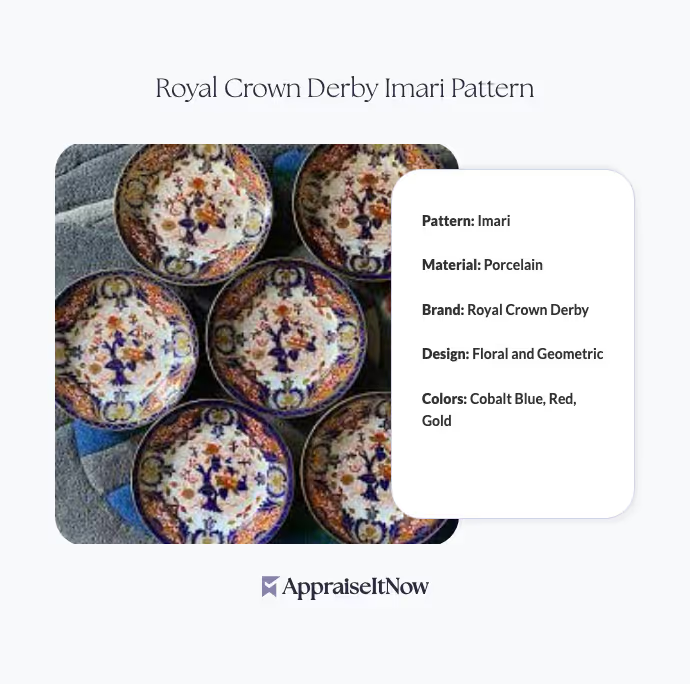
<p>The Royal Crown Derby Imari Pattern has captivated collectors for centuries, combining <strong>Japanese-inspired aesthetic with European craftsmanship</strong> since its introduction in the 18th century. This intricate design features a harmonious blend of cobalt blue, rich red, and gold accents arranged in striking floral and geometric motifs that define the collection's timeless elegance.</p>
<p>What makes Imari patterns valuable? The answer lies in exceptional porcelain quality, meticulous hand-craftsmanship, and the pattern's consistent demand among serious collectors. When people ask what makes certain <a href="/types/antique-artwork">antique artwork</a> or collectibles appreciate over time, the Royal Crown Derby Imari Pattern exemplifies the answer—it combines historical significance, technical mastery, and aesthetic enduring appeal. The pattern's heritage dating back to the 18th century adds substantial <a href="/blog/exploring-the-role-of-provenance-in-art-appraisals-assessing-historical-significance">historical significance</a> to each piece.</p>
<div class="callout tip"><p><strong>Collector's Insight</strong></p>
<p>Pieces produced in the late 19th and early 20th centuries typically command higher values than modern reproductions, with earlier examples often valued at the premium end of the $500-$2,000 range.</p></div>
<h2>What Appraisers Look For</h2>
<p>Professional appraisers specializing in <a href="/blog/appraisals-for-fine-porcelain-and-ceramics-valuing-delicate-artistry">fine porcelain and ceramics</a> examine several critical factors when evaluating your Royal Crown Derby Imari Pattern pieces. Understanding these elements helps you prepare for your appraisal and maximize your collection's documented value.</p>
<p><strong>Production dating</strong> represents the first critical assessment point. Royal Crown Derby pieces bear distinctive marks indicating their manufacturing period, from factory initials to pattern numbers. The company's evolution from Derby to Royal Crown Derby in 1890 creates clear delineation in value, with pre-1890 examples often commanding premiums. Expert appraisers decode these marking systems to establish accurate production dates, which directly impact valuation.</p>
<p><strong>Condition assessment</strong> follows systematic evaluation protocols. Your porcelain pieces undergo inspection for cracks, chips, crazing (fine surface lines), and repairs. The Imari Pattern's intricate hand-painted decoration requires special attention—appraising damage to the pattern's gold leaf accents or cobalt blue pigmentation requires specialized knowledge. Even minor imperfections can reduce value by 15-30%, making thorough documentation essential for accurate appraisals.</p>
<p><strong>Pattern completeness and authenticity</strong> distinguish genuine Royal Crown Derby Imari from reproductions or later interpretations. Skilled appraisers recognize authentic pattern variations, quality of gold application, and the precision of cobalt blue hand-painting that characterize legitimate pieces from the renowned manufacturer. This expertise proves particularly valuable when <a href="/blog/appraising-asian-art-and-antiques-understanding-cultural-significance-and-value">appraising Asian art and antiques</a>, where cultural knowledge combines with technical evaluation.</p>
<h2>Determining Your Piece Type</h2>
<p>Royal Crown Derby produced numerous item categories in the Imari Pattern, each with distinct market values. <strong>Tableware pieces</strong>—including dinner plates, cups, saucers, and serving dishes—typically range from $500-$1,200 per piece, with complete service sets commanding significantly higher premiums. <strong>Decorative items</strong> such as vases, bowls, and trinket boxes often appraise at $600-$1,500, particularly when they feature exceptional size or intricate form.</p>
<p>The question "What is Royal Crown Derby Imari?" helps collectors understand that variations exist. Standard Imari represents the most widely produced pattern, while <strong>special commissions</strong> or <strong>limited production runs</strong> can exceed $2,000 per piece. Identifying whether your pieces belong to standard production or represent special orders requires expertise that professional appraisers bring to the valuation process.</p>
<div class="callout note"><p><strong>Market Dynamics</strong></p>
<p>Complete dinnerware sets in pristine condition occasionally sell at auction for $5,000-$8,000 total, though individual pieces typically remain in the $500-$2,000 range.</p></div>
<h2>The Role of Provenance and Ownership History</h2>
<p>Understanding your collection's <strong>ownership history</strong> adds substantial value—particularly when pieces come from notable collectors or have documented exhibition histories. This concept, known as provenance, directly impacts how appraisers value <a href="/blog/appraising-antiques-unveiling-the-hidden-treasures-in-your-collection">antique collectibles</a>. A piece with clear provenance connecting it to a respected collection or family of significance may appraise at the high end of the valuation range.</p>
<p>Documentation strengthens your appraisal considerably. If you possess original purchase receipts, exhibition catalogs, or family records indicating when and where pieces were acquired, provide these to your appraiser. This supporting documentation transforms your appraisal from a simple valuation into a comprehensive assessment with historical context that insurance companies, auction houses, and collectors value highly.</p>
<h2>Choosing the Right Appraiser</h2>
<p>When seeking professional appraisal services, <strong>credentials matter significantly</strong>. Look for appraisers holding memberships in established organizations like the <strong>American Society of Appraisers (ASA)</strong>, <strong>International Society of Appraisers (ISA)</strong>, or <strong>American Ceramic Society</strong>. These certifications indicate that appraisers have undergone rigorous training and adhere to <a href="/blog/how-to-accurately-determine-the-value-of-your-memorabilia-and-collectibles">USPAP standards</a>—the professional standard for all appraisals in the United States.</p>
<p><strong>Specialization in decorative arts and ceramics</strong> proves essential when appraising Royal Crown Derby. General appraisers may lack the detailed knowledge required to identify production periods, recognize authentic hand-painting techniques, or understand market demand specific to this prestigious English manufacturer. AppraiseItNow connects you with certified appraisers holding credentials in decorative arts, <a href="/types/memorabilia-and-collectibles">memorabilia and collectibles</a>, and Asian-influenced design traditions.</p>
<p>When evaluating potential appraisers, ask about their experience with British porcelain, familiarity with Royal Crown Derby's production history, and access to comparable sales data. Experienced appraisers maintain databases of recent auction results, dealer pricing, and private transaction information that inform accurate valuations—this research capability distinguishes professional appraisals from casual estimates.</p>
<div class="callout tip"><p><strong>Pro Recommendation</strong></p>
<p>Request that your appraiser provide detailed photographs of each piece, identifying marks, condition notes, and written explanation of valuation reasoning in the final report.</p></div>
<h2>Obtaining Your Appraisal: What to Expect</h2>
<p>Professional appraisals typically follow a structured process. Your appraiser will examine each piece in detail, photographing all angles including maker's marks on the base. They'll assess pattern clarity, evaluate any damage or restoration work, and research comparable recent sales of similar Royal Crown Derby Imari pieces. The resulting report provides not only a valuation figure but comprehensive documentation describing each item's characteristics, condition, and market positioning.</p>
<p>When preparing for your appraisal, gather your collection in clean condition—gently dust pieces but avoid aggressive cleaning that might damage valuable gilding or hand-painted details. Assemble any related documentation, including family records, purchase receipts, or exhibition catalogs. If you've recently inherited your collection, gather whatever information previous owners documented about acquisition dates and sources.</p>
<p>The appraisal process for <a href="/types/personal-property">personal property</a> items like Royal Crown Derby provides several essential benefits beyond determining monetary value. A certified appraisal creates official documentation for insurance purposes, ensuring your collection receives adequate coverage if damage or theft occurs. For estate planning, appraisals establish fair market values required for tax and distribution purposes. If you're considering selling through auction houses or private dealers, professional valuations inform your pricing strategy and negotiating position.</p>
<h2>Building Your Collection's Documentation</h2>
<p>Creating comprehensive records of your Royal Crown Derby Imari Pattern collection protects your investment and facilitates future transactions. Photograph each piece from multiple angles, capturing maker's marks clearly. Record dimensions, weight (for pieces like vases), pattern variations, and any notable features or damage. Include purchase date, price paid, and source whenever possible.</p>
<p>Digital organization—whether through spreadsheets or specialized collections management software—allows you to track your collection's documented value over time. Many collectors update appraisals every three to five years, particularly as market demand fluctuates. This practice proves especially valuable for insurance purposes, where underinsured collections represent significant financial risk.</p>
<h2>Market Trends and Future Value</h2>
<p>The market for Royal Crown Derby decorative arts remains strong, supported by consistent demand from traditional collectors and newly engaged younger collectors discovering British decorative heritage. Factors supporting continued appreciation include the manufacturer's prestigious reputation, the pattern's exceptional design longevity, and the finite supply of authentic early pieces. These dynamics parallel broader interest in <a href="/blog/understanding-the-value-of-your-antique-furniture-examining-quality-and-rarity">understanding the value of antique furniture</a> and collectible decorative items.</p>
<p>As questions about "How old is Royal Crown Derby?" reflect growing collector interest, appreciation for the company's history strengthens valuations. The firm's continuous operation from its founding through today—despite market disruptions—demonstrates the enduring appeal of its designs. Pieces from various production eras each hold market value, though those predating 1920 typically command premiums over 20th-century examples.</p>
<div class="callout note"><p><strong>Key Takeaway</strong></p>
<p>A certified appraisal of your Royal Crown Derby Imari Pattern collection provides authoritative documentation, insurance protection, and informed valuation guidance whether you're building an estate plan, securing proper coverage, or preparing for a future sale. Professional expertise ensures your cherished pieces receive accurate assessment reflecting both their historical significance and current market value.</p></div>