









<h1>How to Get Your Chinese Export Porcelain Fitzhugh Appraised</h1>
<p>Chinese Export Porcelain Fitzhugh pieces represent some of the most coveted and valuable ceramics in the collector's market today. If you own one of these distinctive blue-and-white porcelain items—whether inherited, recently acquired, or discovered in an estate—understanding how to get it properly appraised ensures you know its true value and have the documentation needed for insurance, sale, or collection management. Depending on condition, age, and rarity, your Fitzhugh piece could be worth anywhere from <strong>$2,000 to $5,000</strong> or potentially more.</p>
<h2>Understanding What Makes Fitzhugh Pattern Porcelain Valuable</h2>
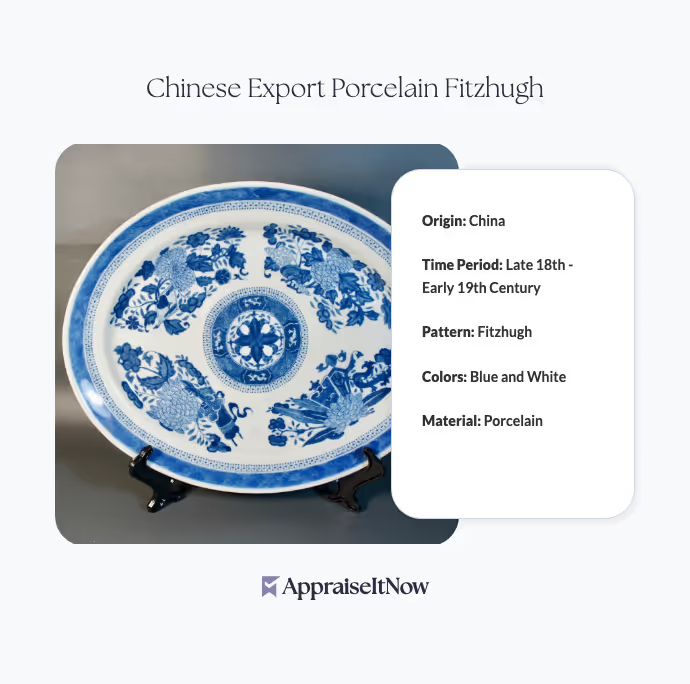
<p>Before seeking an appraisal, it helps to understand why collectors prize these pieces so highly. The Fitzhugh pattern emerged in the late 18th century as a specifically designed export ware created by Chinese porcelain makers for European and American markets. What distinguishes the Fitzhugh from other Chinese export patterns is its signature design: intricate blue-and-white imagery featuring ornamental borders composed of interconnected hexagonal shapes, combined with delicate floral motifs and geometric elements in the central design.</p>
<p>These pieces weren't mass-produced in today's sense—each was handcrafted by skilled artisans working in Chinese porcelain centers like Jingdezhen. The technical skill required to create these precise patterns, particularly the distinctive hexagonal borders, contributed significantly to their appeal among European nobility and wealthy American merchants. The pattern's sophistication meant that only affluent households could afford these items, which is why they frequently appeared in formal dining settings and were treated as luxury goods.</p>
<div class="callout tip"><p><strong>Collector's Insight</strong></p>
<p>The term "Fitzhugh" may derive from a European merchant family who imported these pieces, though its exact origin remains debated among scholars—adding to the historical intrigue that collectors appreciate.</p></div>
<h2>Identifying Authentic Fitzhugh Porcelain</h2>
<p>When evaluating whether your piece warrants professional appraisal, certain characteristics help confirm authenticity. Genuine Chinese Export Porcelain Fitzhugh typically features hand-painted blue decoration under the glaze (underglaze blue), which creates a slightly softer appearance compared to overglaze decoration. The porcelain body itself should feel substantial and smooth, with a weight that indicates quality materials rather than cheaper ceramic substitutes.</p>
<p>Examining the base of your piece provides crucial identification clues. Look for maker's marks, potter's marks, or reign marks that indicate when and where the porcelain was manufactured. The question of how to identify Chinese export porcelain becomes easier when you understand that authentic pieces often bear Chinese characters, though not always. Some pieces carry European painter's marks or merchant marks indicating their import path, which actually enhances value by providing provenance documentation.</p>
<p>The glaze quality matters significantly—authentic Fitzhugh pieces display a glossy, even finish without crazing (fine cracks) unless the piece has aged considerably. Small imperfections like minor kiln spots or glaze inconsistencies are actually positive indicators of authenticity, as they demonstrate the handmade nature of the work. Understanding these markers helps you appreciate what professional appraisers examine when determining whether you're looking at genuine Chinese export porcelain or a later reproduction.</p>
<h2>Why Professional Appraisals Matter for Fine Ceramics</h2>
<p>You might wonder if professional appraisal is necessary for your Fitzhugh piece, especially if you simply want to know its value. The answer depends on your goals. If you're selling the piece, planning to donate it, including it in an estate, or insuring it against loss, a certified appraisal becomes essential. Professional appraisers bring specialized knowledge about Chinese ceramics, market trends, and valuation methodologies that ensure your piece receives accurate assessment.</p>
<p>An appraiser specializing in <a href="/blog/appraisals-for-fine-porcelain-and-ceramics-valuing-delicate-artistry">fine porcelain and ceramics</a> understands the nuanced factors affecting Fitzhugh values that might escape casual observation. They recognize regional variations in production, can date pieces within specific decades, and understand how damage or restoration impacts value. This expertise is particularly valuable for <a href="/blog/appraising-asian-art-and-antiques-understanding-cultural-significance-and-value">Asian art and antiques</a>, where cultural significance, historical context, and regional styles all influence pricing.</p>
<p>Professional appraisers also provide documentation that insurance companies require and that auction houses or private buyers expect. This documentation protects you by establishing baseline value for insurance purposes and creating a record of your piece's condition at a specific point in time. Should your piece ever be damaged, stolen, or disputed in an estate settlement, this certified appraisal becomes invaluable.</p>
<h2>Key Factors Appraisers Evaluate</h2>
<p>When a qualified appraiser examines your Chinese Export Porcelain Fitzhugh piece, they assess multiple dimensions that collectively determine its market value. Understanding these factors helps you prepare for the appraisal process and appreciate what makes your specific piece more or less valuable than others.</p>
<p><strong>Age and period</strong> significantly influence value. Pieces from the original production period (late 18th to early 19th century) command higher prices than later reproductions or 19th-century copies. An appraiser can typically date pieces within a 20-30 year window based on stylistic elements, glaze composition, and manufacturing techniques. The question of how to identify antique Chinese porcelain involves examining these period markers, which appraisers evaluate with specialized knowledge and sometimes scientific analysis.</p>
<p><strong>Condition represents the most immediately visible value factor.</strong> Chips, cracks, crazing, staining, or previous repairs substantially reduce value. Appraisers document condition using standardized terminology and photography, noting whether damage is structural (affecting function and integrity) or primarily cosmetic. A piece in exceptional condition with minimal wear can command prices at the upper end of the value range, while heavily damaged pieces might fall significantly lower.</p>
<p><strong>Rarity and pattern variation</strong> matter considerably. While Fitzhugh was produced in substantial quantities for export, certain variations are scarcer than others. Shape variations (plates, bowls, tureens, serving dishes), color variations, or pattern modifications make some examples more collectible. Appraisers draw on extensive market knowledge to identify which variations your specific piece represents.</p>
<p><strong>Provenance and documentation</strong> enhance value meaningfully. If you have evidence of previous ownership, auction house records, exhibition history, or family documentation indicating the piece's age and origin, this strengthens value. Provenance creates confidence for future buyers and collectors, and professional appraisers carefully document this information in their reports. Understanding the role of <a href="/blog/exploring-the-role-of-provenance-in-art-appraisals-assessing-historical-significance">provenance in art appraisals</a> applies equally to fine ceramics, where historical significance connects directly to monetary value.</p>
<p><strong>Restoration and previous repairs</strong> require careful assessment. While minor restoration that doesn't affect function may have minimal impact, significant repairs using non-period materials can substantially reduce value. Appraisers identify whether pieces have been broken and repaired, reglazed, or otherwise altered since their original creation.</p>
<h2>Preparing Your Piece for Appraisal</h2>
<p>To get the most accurate and efficient appraisal, prepare your piece thoughtfully. Begin by gathering any available information about the piece's history—where you acquired it, family stories about its origins, any previous appraisals, or auction house documentation. Even fragmentary information helps appraisers establish provenance.</p>
<p>Handle your Fitzhugh piece minimally before the appraisal. Clean pieces gently only if obviously soiled, using soft water or appropriate ceramic cleaning solutions. Never use harsh chemicals or aggressive scrubbing that might damage the glaze or decoration. If the piece has visible damage or appears to have previous repairs, don't attempt restoration before appraisal—appraisers need to evaluate it in its current state to provide accurate documentation.</p>
<p>Photograph your piece from multiple angles before appraisal, capturing clear images of the decoration, base, any maker's marks, and overall condition. These photographs serve as baseline documentation and help appraisers when they're preparing their formal report. If you're shipping your piece to an appraiser or having it appraised at an auction house, proper photography helps assess condition remotely if needed.</p>
<p>When contacting appraisers, provide basic information about your piece—the approximate size, shape (plate, bowl, tureen, etc.), color scheme, pattern description, and any known history. This helps appraisers determine if they specialize in your specific type of piece and can provide reliable valuation. Many appraisers, including those at AppraiseItNow, can work with photographs and descriptions, though in-person inspection typically provides more comprehensive assessment.</p>
<div class="callout note"><p><strong>Preparation Tip</strong></p>
<p>Gather any documentation of previous appraisals, auction records, or family history before your appointment—this contextual information significantly assists professional appraisers in establishing your piece's market value.</p></div>
<h2>Finding the Right Appraiser for Your Fitzhugh Piece</h2>
<p>Not all appraisers possess expertise in Chinese ceramics and export porcelain. Seeking a qualified professional ensures you receive accurate, credible valuation. Look for appraisers with specific credentials in decorative arts, ceramics, or Asian antiques—certifications from organizations like the <strong>American Society of Appraisers (ASA)</strong>, <strong>International Society of Appraisers (ISA)</strong>, or <strong>American Association of Appraisers (AAA)</strong> indicate professional standards and ethical guidelines.</p>
<p>Your appraiser should have demonstrable experience with Chinese export porcelain specifically, or broader expertise in Asian ceramics. Ask about their experience with Fitzhugh patterns, their familiarity with auction market trends for this ware, and how they stay current with market valuations. An appraiser who can articulate their methodologies, explain comparable sales, and discuss regional and temporal variations demonstrates genuine expertise.</p>
<p>AppraiseItNow connects you with credentialed appraisers specializing in <a href="/types/antique-artwork">antique artwork</a> and decorative objects across the country. Our network includes experts familiar with Chinese export porcelain who can provide USPAP-compliant appraisals suitable for insurance, estate, or sales purposes. Professional appraisers understand what you're looking for when asking "How do I find out what my pottery is worth?"—they apply systematic evaluation methodologies rather than guesswork.</p>
<h2>Understanding Chinese Export Porcelain Value Dynamics</h2>
<p>The broader market for Chinese export porcelain has strengthened considerably over recent decades, with collectors and institutions increasingly recognizing the historical and aesthetic significance of these pieces. Fitzhugh patterns occupy a premium position within this market due to their distinctive design, production quality, and enduring collector appeal. When considering what porcelain is worth money, Fitzhugh consistently ranks among the most valuable export wares alongside famille rose patterns and other sophisticated designs.</p>
<p>Value dynamics for Chinese export porcelain reflect both aesthetic and historical factors. The question of what the most sought after china pattern is depends on collector preferences—while some prize Fitzhugh's geometric sophistication, others prefer the floral exuberance of famille rose or the simplicity of blue-and-white designs. What matters for your appraisal is understanding your piece's positioning within the broader market and its specific qualities that attract contemporary collectors.</p>
<p>Market values have appreciated steadily as Asian art collecting grows globally and museums increasingly recognize the artistic merit of export wares previously dismissed as merely commercial products. Understanding the <a href="/blog/the-impact-of-condition-on-artwork-appraisals">impact of condition on artwork appraisals</a> applies directly to ceramics, where well-preserved examples command significant premiums. This appreciation trend suggests that well-maintained Fitzhugh pieces represent not just culturally significant objects, but potentially sound investments for collectors.</p>
<h2>Insurance and Documentation After Appraisal</h2>
<p>Once you've received a professional appraisal, use that documentation strategically. For insurance purposes, provide the appraisal report to your insurance company to establish replacement cost coverage. Standard homeowners or renters policies often provide insufficient coverage for valuable ceramics, so specialized fine art or collectibles insurance becomes necessary. Your appraisal report, with its detailed condition assessment and market valuation, forms the foundation for appropriate coverage.</p>
<p>Keep your appraisal documentation in a secure location—ideally in a safe deposit box or fireproof safe along with photographs and any historical documentation about the piece. Should your piece ever be damaged, stolen, or disputed, this documentation protects your interests by establishing its value at a specific point in time. Update appraisals periodically (every 3-5 years) as market values fluctuate, ensuring your insurance coverage remains adequate.</p>
<p>If you're planning to sell your piece, include the professional appraisal in marketing materials to potential buyers and auction houses. Credible appraisals enhance buyer confidence and can support higher offers by demonstrating that you've invested in professional valuation. Auction houses particularly value certified appraisals as they help establish estimates and attract serious bidders who appreciate well-documented pieces.</p>
<div class="callout tip"><p><strong>Value Protection</strong></p>
<p>Professional appraisals create a permanent record of your piece's condition and value at a specific moment—essential documentation for insurance claims, estate planning, or future sales transactions.</p></div>
<h2>What Makes Chinese Export Porcelain Fitzhugh Special</h2>
<p>The enduring appeal of Fitzhugh pattern porcelain reflects both technical mastery and cultural significance. These pieces represent the sophisticated dialogue between Chinese craftspeople and European aesthetic preferences during the 18th and 19th centuries. The intricate decoration, refined porcelain quality, and careful design demonstrate that export wares deserve recognition alongside imperial and scholar ceramics in China's rich ceramic heritage.</p>
<p>Understanding the <a href="/blog/appraising-asian-art-and-antiques-understanding-cultural-significance-and-value">5 great wares of China</a> and where export porcelain fits within broader Chinese ceramics helps contextualize your Fitzhugh piece. While export wares occupy their own category, they showcase genuine artisanal skill and represent significant historical and commercial exchange. The sophisticated collectors who actively seek Fitzhugh patterns recognize them as important documents of cross-cultural appreciation and skilled ceramic production.</p>
<p>The value of your Fitzhugh piece ultimately reflects multiple dimensions—its technical merit, historical significance, rarity, condition, and the current collector enthusiasm for Asian antiques. Professional appraisers help articulate these values in financial terms, providing documentation that protects your interests whether you're buying, selling, insuring, or simply preserving a cultural treasure for future generations.</p>
<hr />
<div class="callout note"><p><strong>Key Takeaway</strong></p>
<p>A professional appraisal of your Chinese Export Porcelain Fitzhugh provides accurate market valuation, essential insurance documentation, and confidence that you understand your piece's worth. Credentialed appraisers with expertise in Asian ceramics ensure your valuable porcelain receives proper assessment and documentation for all your collection management, insurance, or sales needs.</p></div>