









<h1>How to Get Your Elkington Silver Plate Epergne Appraised</h1>
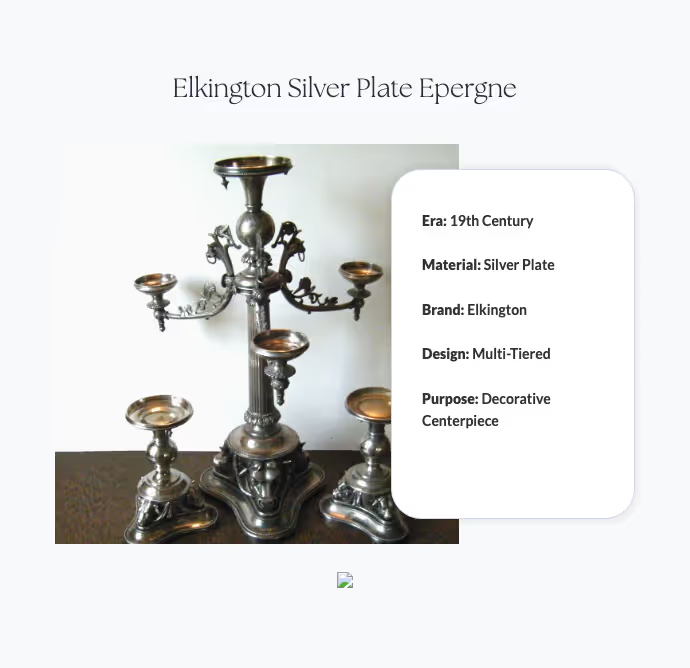
<p>The Elkington Silver Plate Epergne represents a distinguished piece of 19th-century craftsmanship, valued today between <strong>$1,800 and $2,500</strong> depending on condition, provenance, and specific design features. If you're considering selling, insuring, or simply evaluating this cherished dining table centerpiece, understanding what makes it valuable—and how to document that value—requires working with qualified professionals who specialize in <a href="/types/antique-silver">antique silver</a> appraisals.</p>
<h2>Understanding the Elkington Brand and Its Market Position</h2>
<p>Elkington and Co. established themselves as one of the most prestigious silversmith firms in Birmingham, England, revolutionizing the industry during the Victorian era. The brand's reputation for meticulous craftsmanship and innovative designs created a collector market that remains robust today. When asking <em>What does Elkington plate mean?</em> the answer centers on electroplating technology—the company pioneered silver-plating methods that made elegant silver objects affordable to the middle class while maintaining exceptional quality standards.</p>
<p>Your Elkington epergne benefits from this legacy. An epergne itself functioned as an essential Victorian dining table centerpiece, featuring multiple tiers designed to display fruits, flowers, or decorative ornaments in an elaborate arrangement. The combination of the Elkington name with the epergne's practical elegance creates strong collector demand, particularly among those collecting <a href="/types/antique-furniture">antique furniture</a> or decorative <a href="/types/household-goods">household goods</a>.</p>
<div class="callout tip"><p><strong>Collector's Insight</strong></p>
<p>Elkington pieces with documented provenance and original condition command 15-25% premiums over similar unmarked or heavily restored examples.</p></div>
<h2>What Determines Your Epergne's Specific Value</h2>
<p>Several technical factors influence where your Elkington epergne falls within the <strong>$1,800-$2,500</strong> valuation range. The quality of the silverplate finish remains paramount—electroplated silver showing significant wear, pitting, or base metal exposure reduces value substantially. Assessing whether the epergne retains its original silver plating integrity versus having undergone replating is crucial, as professional replating can affect authenticity perception among serious collectors.</p>
<p>The structural integrity of the tiered design matters considerably. Multiple tiers and decorative elements create intricate silverwork prone to damage from centuries of use and care. Examine whether ornamental finials remain secure, whether supporting columns or pedestals show stability, and whether any replacement parts have been substituted over time. An epergne with all original components in excellent condition will reach the upper valuation range, while pieces requiring restoration work toward the lower end.</p>
<p>Understanding electroplated silver's actual worth requires distinguishing between silver plate and sterling silver. When collectors ask <em>Is electroplated silver worth anything?</em> or <em>How much is my silver plated silverware worth?</em>, the answer hinges on the quality of the design and the maker's reputation. Unlike sterling silver, which retains intrinsic metal value, electroplated pieces derive worth primarily from artistic merit, historical significance, and collectibility—all factors that Elkington pieces possess in abundance.</p>
<h2>Dating Your Elkington Epergne Accurately</h2>
<p>Establishing your epergne's production date strengthens its appraisal value and authenticates its historical significance. Elkington manufactured epergnes throughout the latter 19th century, with production continuing into the early 20th century, so precise dating requires examining specific identifying marks. When wondering <em>How to date an Elkington silver plate?</em>, professional appraisers look for maker's marks stamped on the base or reverse surfaces, patent dates incorporated into designs, and stylistic elements consistent with particular manufacturing periods.</p>
<p>The maker's mark typically reads "Elkington" or "E&Co." combined with registration numbers or date letters used by British manufacturers. These marks serve as your primary authentication tool. Different manufacturing techniques and design elements emerged as the company evolved—earlier Victorian examples feature more ornate, heavily decorated surfaces compared to later pieces reflecting Arts and Crafts or Art Nouveau movements.</p>
<div class="callout note"><p><strong>Authentication Priority</strong></p>
<p>Always preserve and photograph original maker's marks clearly, as these establish authenticity and significantly impact appraisal value. Removal or alteration of marks dramatically reduces worth.</p></div>
<h2>Identifying Marker's Marks and Detecting Counterfeits</h2>
<p>Professional appraisers examining your epergne will scrutinize maker's marks to confirm legitimacy. <em>How do you identify Electroplated silver marks?</em> involves understanding British hallmarking conventions and Elkington's specific stamping practices. Genuine Elkington pieces show consistent, crisp mark impressions indicating period-appropriate manufacturing. Counterfeit or later reproductions often display shallow, uneven marks or incorrect maker's signatures.</p>
<p>Beyond marks, examining construction quality reveals authenticity. Elkington's reputation rested on superior electroplating adherence, smooth solder joints, and mechanically sound construction. Pieces showing irregular plating, crude soldering, or loose components likely represent later imitations or significantly damaged originals requiring substantial restoration. These condition issues substantially reduce appraisal values and may indicate the piece falls below the standard valuation range.</p>
<h2>Preparing Your Epergne for Professional Appraisal</h2>
<p>Before submitting your Elkington epergne for formal valuation, avoid certain well-intentioned but counterproductive actions. Many collectors ask <em>Should I polish my silver before selling?</em>—the answer for collectibles differs from general silverware. Heavy polishing or aggressive cleaning removes original patina that authenticates age and establishes value. Professional appraisers actually prefer to examine pieces in their current condition, not freshly cleaned, as this preserves evidence of age and use patterns.</p>
<p>Instead, gentle dusting and light handling protect your epergne during appraisal preparation. Document any damage, repairs, or restoration work previously performed. Photographs from multiple angles—including close-ups of maker's marks, tiers, and any ornamental details—provide your appraiser with valuable reference materials before the in-person evaluation. When wondering <em>How to clean tarnished ElectroPlated silver?</em>, let professionals handle comprehensive cleaning after appraisal, using methods that won't damage the underlying base metal or compromise historical patina.</p>
<h2>Storage and Preservation Before Appraisal</h2>
<p>Proper handling and storage prevent additional deterioration that would lower your appraisal value. Keep your epergne in a stable environment with consistent temperature and moderate humidity—ideally 50-70 degrees Fahrenheit with 45-50% humidity levels. Fluctuating conditions accelerate tarnishing and can cause the base metal to corrode beneath the silver plate.</p>
<p>Avoid storing the epergne in plastic containers or sealed environments where moisture accumulates. Instead, use acid-free tissue paper for wrapping, place silica gel packets nearby to manage humidity, and store in display cases or open shelving that allows air circulation. Never use rubber bands or reactive materials directly against the silverplate, as these accelerate corrosion. These preservation practices ensure your piece maintains its condition and supports maximum appraisal value.</p>
<h2>Working with Qualified Silver Appraisers</h2>
<p>When you're ready for formal appraisal, selecting an appraiser with specific expertise in antique silver and decorative arts becomes essential. The best appraisers hold credentials from recognized organizations and maintain active involvement with <a href="/types/memorabilia-and-collectibles">antique collectibles</a> market. They understand historical manufacturing techniques, can authenticate maker's marks, and possess access to comparative sales data that establishes fair market value.</p>
<p>AppraiseItNow connects you with certified appraisers who specialize in antique silver evaluations and provide USPAP-compliant valuations acceptable for insurance, estate planning, and auction preparation. These professionals employ detailed photographic documentation, conduct thorough condition assessments, and deliver comprehensive reports explaining the factors supporting your epergne's valuation. For additional guidance on selecting the right expert, explore our resources on <a href="/blog/a-guide-to-identifying-the-best-antique-silver-appraisers">identifying the best antique silver appraisers</a> and <a href="/blog/the-basics-for-beginners-understanding-antique-silver-appraisals">understanding antique silver appraisal fundamentals</a>.</p>
<h2>Market Dynamics and Collector Demand</h2>
<p>The contemporary market for Elkington silver plate remains stable and engaged, with serious collectors and decorators actively seeking quality examples. Unlike asking <em>Will a pawn shop buy silver plated silverware?</em>—which often results in below-market offers—formal appraisals through professional channels position your epergne appropriately for serious buyers and collectors who understand its historical and artistic value.</p>
<p>Decorative epergnes appeal to specific collector segments: those assembling complete Victorian dining services, interior designers sourcing authentic period pieces, and museums acquiring examples for historical collections. This diverse demand base supports consistent valuations within the documented range. Understanding whether you seek insurance valuation, sale preparation, or estate documentation helps your appraiser tailor their analysis to your specific needs and circumstances.</p>
<div class="callout tip"><p><strong>Market Position</strong></p>
<p>Sterling silver commands higher intrinsic metal value, but well-designed Elkington silver plate often achieves comparable or superior market prices due to artistic merit and collectibility.</p></div>
<h2>Establishing Fair Market Value Through Professional Channels</h2>
<p>When determining fair market value for your Elkington epergne, appraisers employ systematic methodologies comparing recent comparable sales, evaluating condition using established grading standards, and factoring regional market variations. This process differs substantially from casual estimation or internet pricing, which often lack context or accuracy regarding quality distinctions and market dynamics.</p>
<p>Professional appraisal reports document the specific features justifying your piece's valuation, reference comparative sales supporting the estimate, and provide detailed condition analysis. These reports prove invaluable when discussing sale terms with potential buyers, negotiating insurance coverage with carriers, or managing estate distribution among beneficiaries. For comprehensive insight into valuation approaches, our guide on <a href="/blog/expert-strategies-for-accurately-assessing-antique-silver-appraisals">expert strategies for accurate antique silver assessment</a> provides detailed methodology information.</p>
<h2>Next Steps in Your Appraisal Journey</h2>
<p>Moving forward with professional appraisal requires selecting a qualified expert, preparing your epergne with appropriate documentation, and understanding what to expect during the evaluation process. Quality appraisals typically require 1-2 weeks from submission to report delivery, with costs varying based on complexity and your specific needs. For additional guidance on preparation, explore our resources on <a href="/blog/how-to-prepare-for-an-antique-silver-appraisal">getting ready for antique silver appraisal</a> and understanding <a href="/blog/the-cost-of-an-antique-silver-appraisal">the cost considerations of professional valuations</a>.</p>
<div class="callout note"><p><strong>Key Takeaway</strong></p>
<p>Your Elkington Silver Plate Epergne represents a valuable decorative asset worth $1,800-$2,500 in good condition. Professional appraisal documentation ensures accurate valuation for insurance, sale, or estate purposes, providing confidence that this cherished Victorian piece receives proper recognition of its historical significance and market worth.</p></div>