









<h1>How to Get Your Coalport Indian Tree Dinner Service Appraised</h1>
<p>The Coalport Indian Tree Dinner Service represents one of the most prized possessions among antique tableware collectors, commanding appraisal values between <strong>$3,000 and $5,000</strong> depending on condition, completeness, and historical provenance. If you're considering selling, insuring, or simply valuing this exquisite porcelain collection, understanding what drives its worth and how professional appraisals work will help you make informed decisions.</p>
<h2>What Makes Coalport Indian Tree Valuable?</h2>
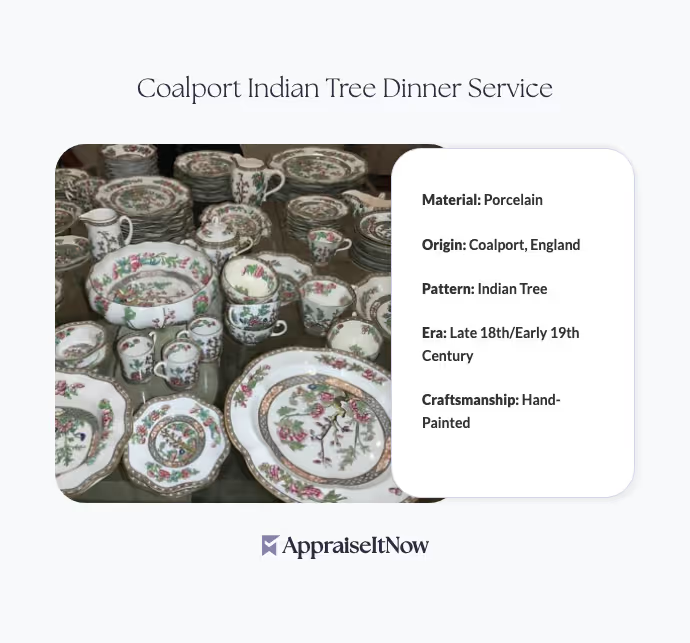
<p>Your Coalport Indian Tree Dinner Service's value stems from its remarkable artistry, historical significance, and rarity. Produced by the renowned <strong>Coalport China Company</strong> beginning in the 1780s, this iconic pattern features hand-painted botanical designs with lush florals and birds rendered in rich color palettes that showcase exceptional craftsmanship of the era. The pattern's enduring popularity throughout the 19th and 20th centuries established it as a benchmark in fine china collecting.</p>
<p>The question of whether Indian tree pottery is valuable has a straightforward answer: yes, particularly when produced by established manufacturers like Coalport. The hand-painted nature of each piece means no two services are identical, adding to their collectibility and desirability among serious antique enthusiasts. Each dinner service represents a snapshot of late 18th and early 19th-century porcelain mastery, making it an investment piece that transcends mere tableware.</p>
<div class="callout tip"><p><strong>Collector's Insight</strong></p>
<p>Complete dinner services with all original pieces command significantly higher valuations than partial sets, with some exceptional examples reaching $8,000 or more.</p></div>
<h2>Understanding Your Coalport Service's Composition</h2>
<p>A comprehensive Coalport Indian Tree Dinner Service typically includes multiple components that appraisers evaluate individually and collectively. Your service likely contains place settings comprising dinner plates, salad plates, bread plates, cups, saucers, and specialized serving pieces like tureens, platters, and sauce boats. The completeness of your set directly impacts its appraisal value—a full service for twelve can be worth considerably more than a partial collection.</p>
<p>Understanding how to know if your pottery is worth money requires examining these specific elements. Original serving pieces in particular, such as covered vegetable dishes or gravy boats with matched underplates, significantly enhance overall value. When professional appraisers evaluate your Coalport Indian Tree collection, they verify whether pieces retain their original patterns and glazing, assess any prior repairs, and document the exact quantity and condition of each item.</p>
<p>Are Coalport plates valuable on their own? Individual pieces can certainly hold worth, particularly if they feature the iconic Indian Tree pattern and maintain excellent condition. However, collectors generally prefer acquiring complete or near-complete services, making serviceable sets far more valuable than assorted individual plates. This distinction becomes crucial during the appraisal process, where market demand significantly influences final valuation.</p>
<h2>Distinguishing Your Coalport from Other Fine China</h2>
<p>Identifying authentic Coalport porcelain requires understanding specific manufacturer characteristics. Your Coalport Indian Tree Dinner Service should bear distinctive marks on the base that help appraisers verify authenticity and production date. The company employed various impressed marks and painted signatures throughout its operating history, with the most valuable pieces typically showing clear Coalport authentication stamps.</p>
<p>How do you date Coalport pieces? Professional appraisers examine manufacturing techniques, glaze composition, pattern execution, and documented mark variations to establish accurate production periods. Early examples from the 1780s-1820s typically command premium prices due to their age and historical significance, while later Victorian and Edwardian reproductions, while still valuable, appraise somewhat lower. The distinction between Coalport porcelain and bone china also affects value—Coalport produced both materials, with early porcelain examples typically valued higher than later bone china versions.</p>
<p>Unlike items requiring specialized valuation like <a href="/types/antique-furniture">antique furniture</a> or <a href="/types/antique-artwork">antique artwork</a>, determining whether your plate is worth money involves examining both manufacturer and pattern. Coalport's reputation ensures most pieces hold substantial value, but the Indian Tree pattern specifically increases desirability significantly beyond generic Coalport services.</p>
<h2>Evaluating Your Service's Condition</h2>
<p>Condition assessment represents a critical component of your appraisal valuation. Professional evaluators examine your Coalport Indian Tree pieces for crazing (fine surface cracks), chips, cracks, repairs, and restoration work. Original gold or platinum trim on rims and handles should be evaluated for wear patterns, as this decoration often indicates age and authenticity. Even minor damage significantly reduces value—pieces with visible chips or major cracks typically appraise 40-60% below pristine examples.</p>
<p>The hand-painted nature of Indian Tree patterns means each piece underwent individual decoration, making restoration or repainting immediately apparent to experienced appraisers. Any previous mending repairs, particularly invisible ones, must be disclosed as they materially affect market value. Your appraiser will likely examine pieces under specialized lighting to detect refinishing or touch-ups that might not be visible to the casual eye.</p>
<p>Storage history profoundly impacts condition and therefore valuation. Services stored in stable, dry environments with minimal handling typically maintain superior glaze quality and pattern vibrancy compared to pieces subjected to temperature fluctuations, humidity exposure, or frequent use. Providing your appraiser with information about your service's storage and use history helps contextualize condition findings within your specific collection's story.</p>
<h2>The Professional Appraisal Process for Fine Porcelain</h2>
<p>When seeking a professional appraisal for your Coalport Indian Tree Dinner Service, expect a comprehensive evaluation addressing multiple valuation factors. Certified appraisers specializing in <a href="/blog/appraisals-for-fine-porcelain-and-ceramics-valuing-delicate-artistry">fine porcelain and ceramics</a> will conduct thorough documentation including detailed photography of each piece, pattern verification, mark authentication, and condition grading using established standards.</p>
<p>The appraisal process begins with complete inventory—counting and cataloging every piece in your service. Your appraiser documents diameter measurements, pattern variations, any maker's marks or signatures, and detailed condition notes for each item. This granular approach ensures nothing is overlooked and provides comprehensive documentation suitable for insurance purposes, estate planning, or sale preparation. Professional appraisals from credentialed experts affiliated with organizations like <strong>AAA, ISA, ASA, CAGA, or AMEA</strong> provide USPAP-compliant reports accepted by insurance companies and financial institutions.</p>
<div class="callout note"><p><strong>Professional Standard</strong></p>
<p>USPAP-compliant appraisals include detailed photographic documentation, comparative market analysis, and thorough condition assessment—establishing your service's value for legal and financial purposes.</p></div>
<h2>Market Comparison and Value Drivers</h2>
<p>Your Coalport Indian Tree Dinner Service's $3,000-$5,000 valuation range reflects current collector demand for fine 18th and 19th-century English porcelain. Several factors influence where your specific service falls within this range. Complete services with all original pieces including serving vessels command premium pricing. Exceptional condition with minimal wear, crazing, or repairs significantly increases value. Documented provenance, particularly if your service belonged to notable collectors or families, can substantially enhance appraisal results.</p>
<p>The broader <a href="/blog/appraising-antiques-unveiling-the-hidden-treasures-in-your-collection">antique tableware market</a> demonstrates sustained collector interest in quality English porcelain, particularly pieces representing the height of hand-painted ceramic artistry. Unlike mass-produced modern dinnerware, each Coalport Indian Tree service represents an investment in historical craftsmanship. This distinction means your appraisal value reflects not just utility but cultural significance and artistic merit.</p>
<p>Recent auction results for comparable Coalport Indian Tree services validate the $3,000-$5,000 estimate for quality examples. Exceptional sets in museum-quality condition sometimes exceed this range, while services requiring restoration or lacking complete place settings may appraise lower. Your appraiser will examine comparable sales data to establish market-supported valuations reflecting genuine collector demand.</p>
<h2>Why Professional Appraisal Matters</h2>
<p>Obtaining a certified appraisal of your Coalport Indian Tree Dinner Service serves multiple important purposes. For insurance purposes, a detailed professional appraisal establishes documented replacement value, protecting your investment against loss or damage. If you're considering selling through auction houses or private dealers, pre-sale appraisals help you understand fair market pricing and avoid undervaluation. For estate planning or charitable donation purposes, certified appraisals provide legally defensible valuations necessary for tax deduction documentation or beneficiary distribution decisions.</p>
<p>Beyond financial considerations, professional appraisers provide educational context about your collection's historical significance and manufacturing techniques. Understanding the specific production era of your service, identifying any unusual pattern variations, and learning about the artisans who created your pieces enriches your appreciation for these objects. This knowledge enhances your ability to properly care for and preserve your Coalport service for future generations.</p>
<p>AppraiseItNow's network of credentialed experts specializes in <a href="/blog/what-you-need-to-know-about-personal-property-appraisals">personal property appraisals</a> across diverse asset categories including fine porcelain and tableware. Our appraisers provide detailed market analysis, condition assessment, and professional documentation through a streamlined online process, allowing you to submit photographs and descriptions securely for expert evaluation.</p>
<h2>Getting Started with Your Appraisal</h2>
<p>Beginning the appraisal process requires minimal preparation beyond gathering your Coalport Indian Tree Dinner Service and documenting its condition. Clear photographs of representative pieces, including maker's marks on bases, pattern details, and any areas of concern, facilitate professional evaluation. If you possess any documentation regarding your service's acquisition, previous ownership, or historical significance, compile these materials for your appraiser's review.</p>
<p>Professional appraisers can guide you through determining whether your entire service should be appraised as a single lot or if individual components warrant separate valuations. They'll address questions about condition concerns, unusual variations, or restoration work affecting your pieces. This collaborative approach ensures the final appraisal accurately reflects your service's true market value and condition status.</p>
<div class="callout note"><p><strong>Key Takeaway</strong></p>
<p>A professional appraisal of your Coalport Indian Tree Dinner Service provides accurate market valuation, comprehensive documentation, and expert guidance for insurance, sale, or estate planning purposes—ensuring you understand both the historical significance and monetary value of your fine porcelain collection.</p></div>