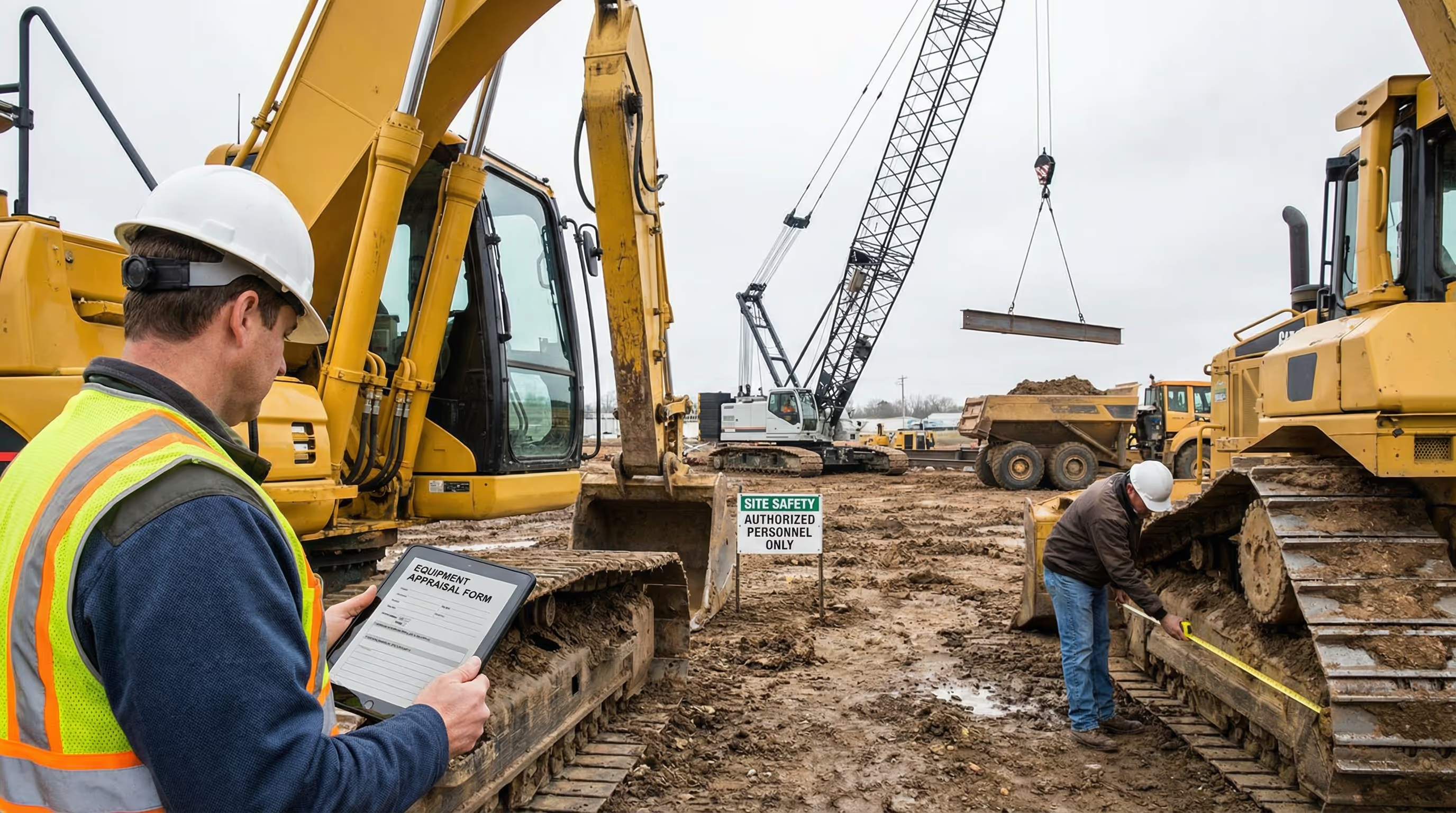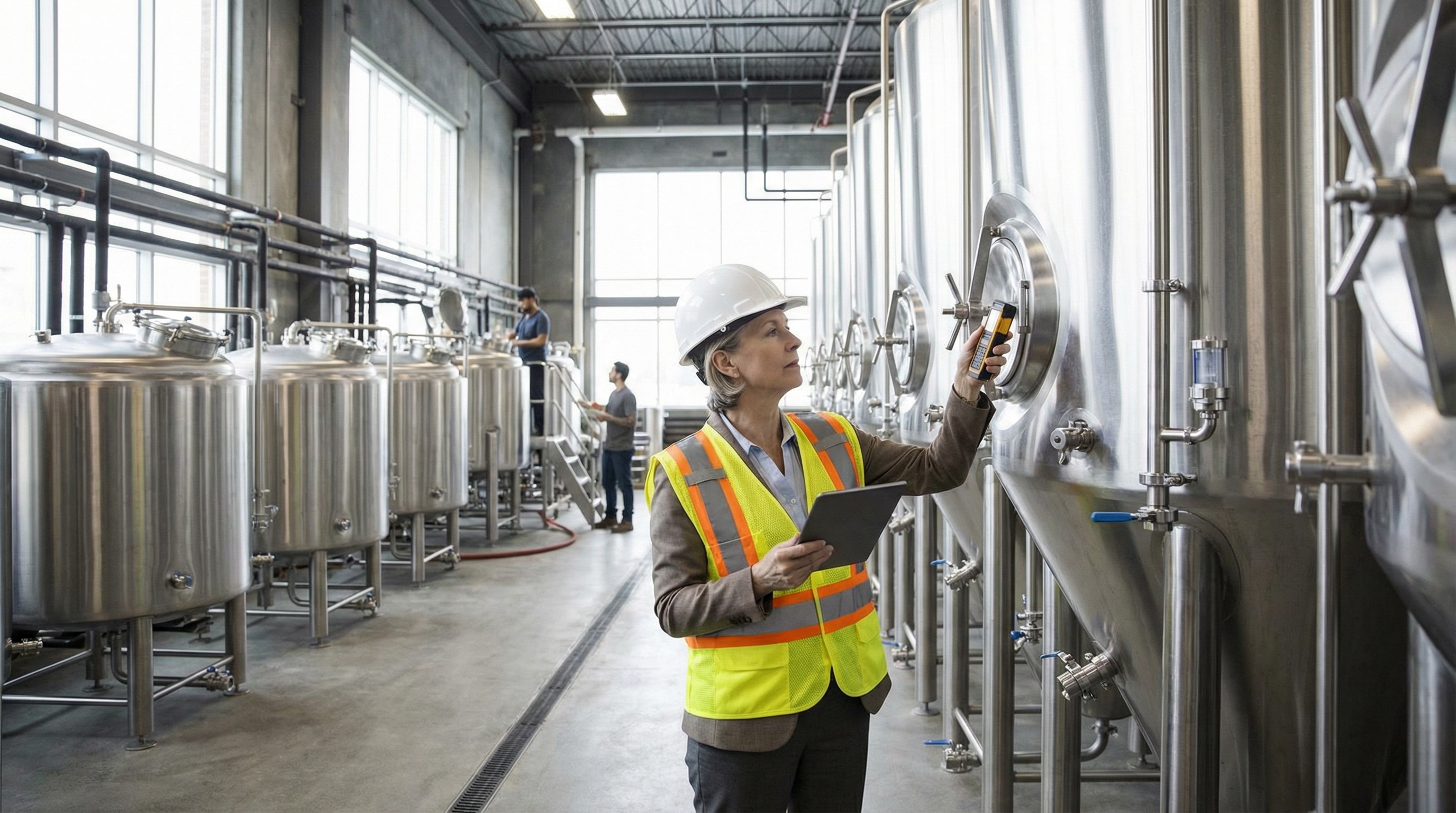
When your lender questions your equipment's value or your insurance claim gets reduced because of inadequate documentation, you quickly realize that beverage equipment appraisals aren't just paperwork—they're financial protection. Whether you're operating a craft brewery, coffee roastery, or bottling facility, your beverage equipment often represents your largest business investment.
Getting an accurate, USPAP-compliant appraisal from certified professionals can mean the difference between securing that SBA loan or watching your financing fall through. At AppraiseItNow, our certified appraisers provide defensible valuations accepted by courts, lenders, and insurance companies nationwide.
Key insight: Beverage equipment appraisals typically range from $800 to $8,000 depending on complexity, with most small to medium operations paying $1,500 to $3,500 for comprehensive valuations.
This guide walks you through everything you need to know about beverage equipment appraisals, from understanding what drives costs to choosing the right appraiser for your specific needs.
What is a beverage equipment appraisal
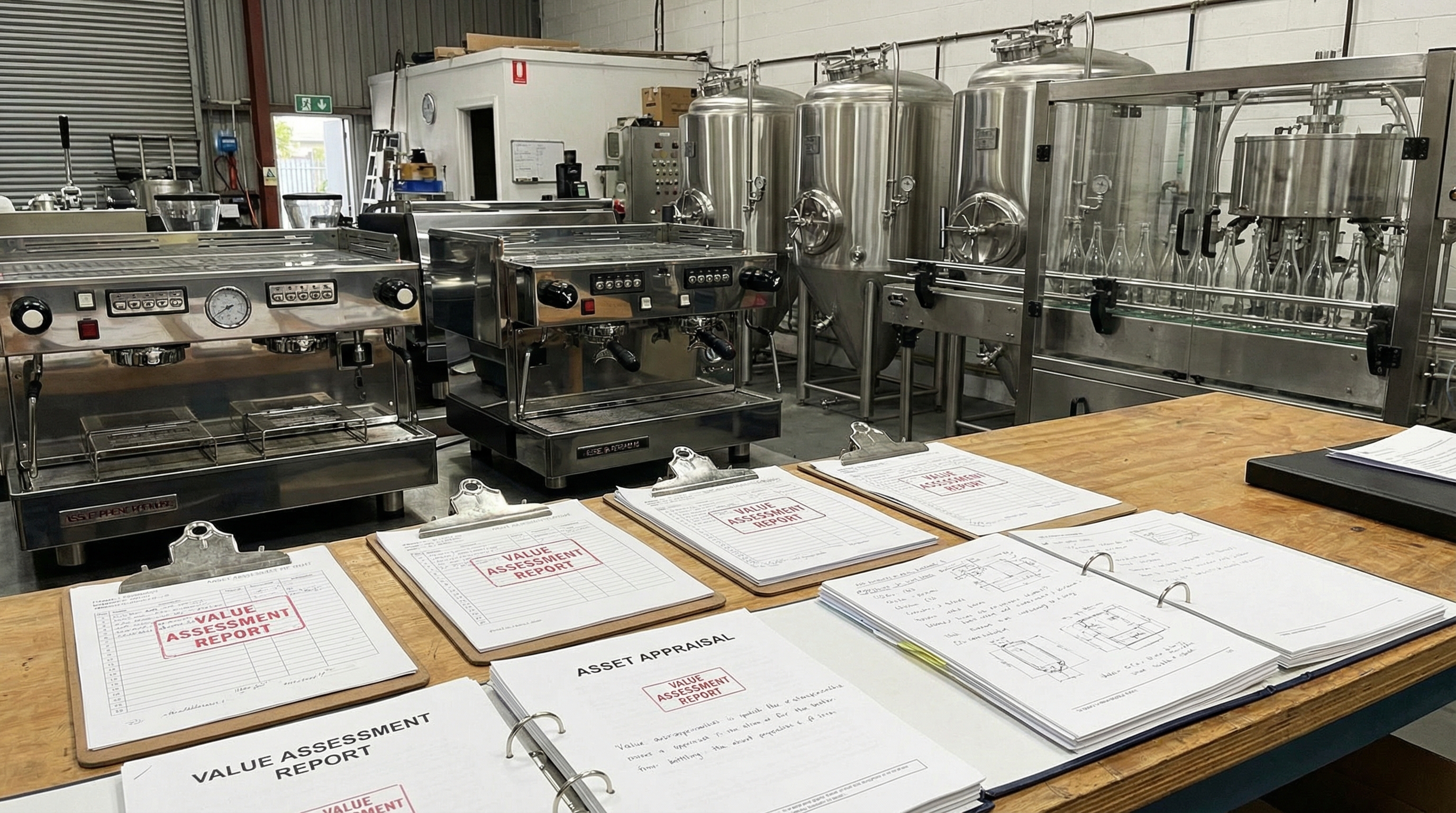
A beverage equipment appraisal is a formal valuation of specialized equipment used in beverage production, processing, and service. Unlike general restaurant equipment, beverage equipment includes complex systems like brewing tanks, bottling lines, espresso machines, and refrigeration units that require industry-specific knowledge to value accurately.
The appraisal determines fair market value—what a willing buyer would pay a willing seller in an open market. This differs from book value, replacement cost, or liquidation value, each serving different purposes depending on your needs.
Professional appraisers follow USPAP (Uniform Standards of Professional Appraisal Practice) guidelines, ensuring your valuation meets legal and regulatory requirements. This compliance matters when you're dealing with SBA loans, IRS reporting, or court proceedings where non-certified valuations get rejected. Understanding the basics of equipment and machinery appraisal helps you appreciate why professional standards matter.
When you need a beverage equipment appraisal
Several situations require professional beverage equipment appraisals, each with specific requirements and stakes involved.
Financing and SBA loans represent the most common need. Lenders require certified appraisals to establish collateral value, especially for SBA loans where USPAP compliance isn't optional—it's mandatory. Your equipment's appraised value directly impacts loan amounts and terms.
Insurance coverage and claims demand accurate valuations to avoid being underinsured. Standard business policies often cap coverage for specialized equipment, making scheduled coverage with proper appraisals essential. When filing claims, insurers require proof of value that only certified appraisals provide. Learn more about what you need to know about insuring equipment and machinery appraisals.
Buying, selling, or leasing decisions benefit from objective valuations. Whether you're expanding your brewery or liquidating assets, knowing true market value prevents costly mistakes in negotiations.
Important note: Partnership disputes, divorces, and estate settlements require court-defensible valuations that only USPAP-compliant appraisals can provide.
How beverage equipment gets valued
Professional appraisers use three main approaches to determine your equipment's value, often combining methods for the most accurate result.
The cost approach works best for newer or specialized equipment by calculating replacement cost minus depreciation. This method considers physical deterioration, functional obsolescence, and technological advances that affect value.
The market approach compares your equipment to recent sales of similar items through auctions, dealers, and private transactions. This approach works well for standard equipment with active secondary markets.
The income approach applies when equipment generates measurable income, though it's less common for individual pieces. Integrated production lines sometimes warrant this analysis.
Key value drivers include equipment age and operating hours, physical condition and maintenance history, brand reputation and model desirability, production capacity and efficiency ratings, compliance with current safety standards, and current market demand for similar equipment.
Technological obsolescence significantly impacts value in fast-evolving segments like packaging automation and point-of-sale systems. Similar valuation principles apply across industries, as explained in appraising industrial equipment.
Understanding appraisal costs and timelines
Beverage equipment appraisal costs vary based on several factors, but understanding typical ranges helps you budget appropriately.
| Scenario | Scope | Typical Cost Range | Timeline |
|---|---|---|---|
| Small café/bar | 5-15 standard pieces | $800-$1,800 | 3-5 days |
| Craft brewery | Brewhouse + packaging | $2,500-$6,000 | 1-2 weeks |
| Large operation | Multiple locations/lines | $5,000-$15,000+ | 2-4 weeks |
Cost factors that increase fees include the number of assets requiring evaluation, multiple locations requiring travel, custom or unique equipment needing specialized research, onsite inspection requirements, and specific reporting standards like SBA or GAAP compliance.
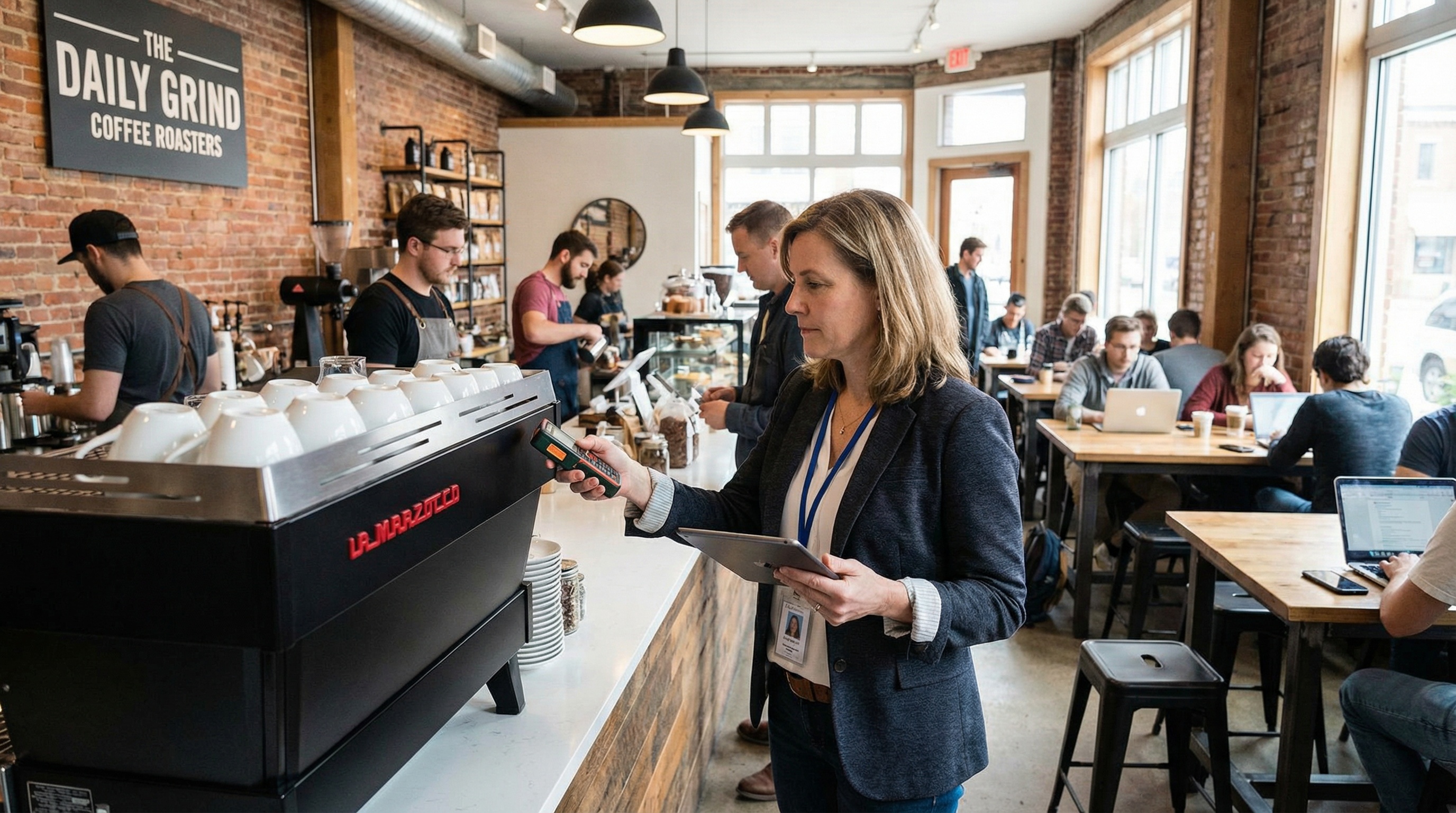
Timeline considerations depend on equipment complexity, data availability, and inspection scheduling. Desktop appraisals using photos and documentation move faster than onsite inspections, but may not meet all requirements. For more insights, review questions to ask before obtaining a beverage equipment appraisal.
Getting accurate quotes requires providing detailed asset lists, photos when possible, intended use of the appraisal, and any deadline constraints. The small investment in proper preparation often saves time and reduces overall costs.
Most appraisals complete within one to three weeks, though rush services are available for urgent needs like pending loan closings or court deadlines.
Choosing the right appraiser for your needs
Selecting a qualified beverage equipment appraiser requires attention to credentials, experience, and methodology. Not all appraisers understand the nuances of beverage equipment valuation.
Essential credentials include ASA (American Society of Appraisers) or AMEA (American Machinery and Equipment Appraisers) designations, current USPAP training and compliance, and IRS "qualified appraiser" status when needed for tax purposes.
Industry experience matters significantly. Look for appraisers who regularly work with breweries, distilleries, coffee operations, or bottling facilities. They understand equipment-specific factors like sanitation requirements, capacity ratings, and technological trends affecting value. Consider how to choose the right appraiser for your equipment and machinery when making your selection.
Questions to ask potential appraisers include their experience with your equipment type, sample reports they can share, timeline and fee structure, and compliance with relevant standards for your intended use.
Red flags include appraisers who won't provide written reports, don't mention USPAP compliance, base valuations solely on book values or rules of thumb, or lack relevant industry experience.
Pro tip: Request references from similar businesses and verify credentials through professional organizations before making your selection.
The right appraiser becomes a valuable resource for ongoing valuation needs as your business grows and equipment changes. Avoid common mistakes when getting a beverage equipment appraisal by doing your due diligence upfront.
Getting accurate beverage equipment appraisals protects your business interests whether you're securing financing, managing insurance coverage, or making strategic decisions. Working with certified professionals who understand your industry ensures you receive defensible valuations that stand up to scrutiny when it matters most.
At AppraiseItNow, we specialize in beverage equipment appraisals for businesses nationwide, providing USPAP-compliant reports accepted by lenders, insurers, and courts. Our certified appraisers understand the unique challenges of valuing everything from craft brewing systems to commercial coffee equipment.