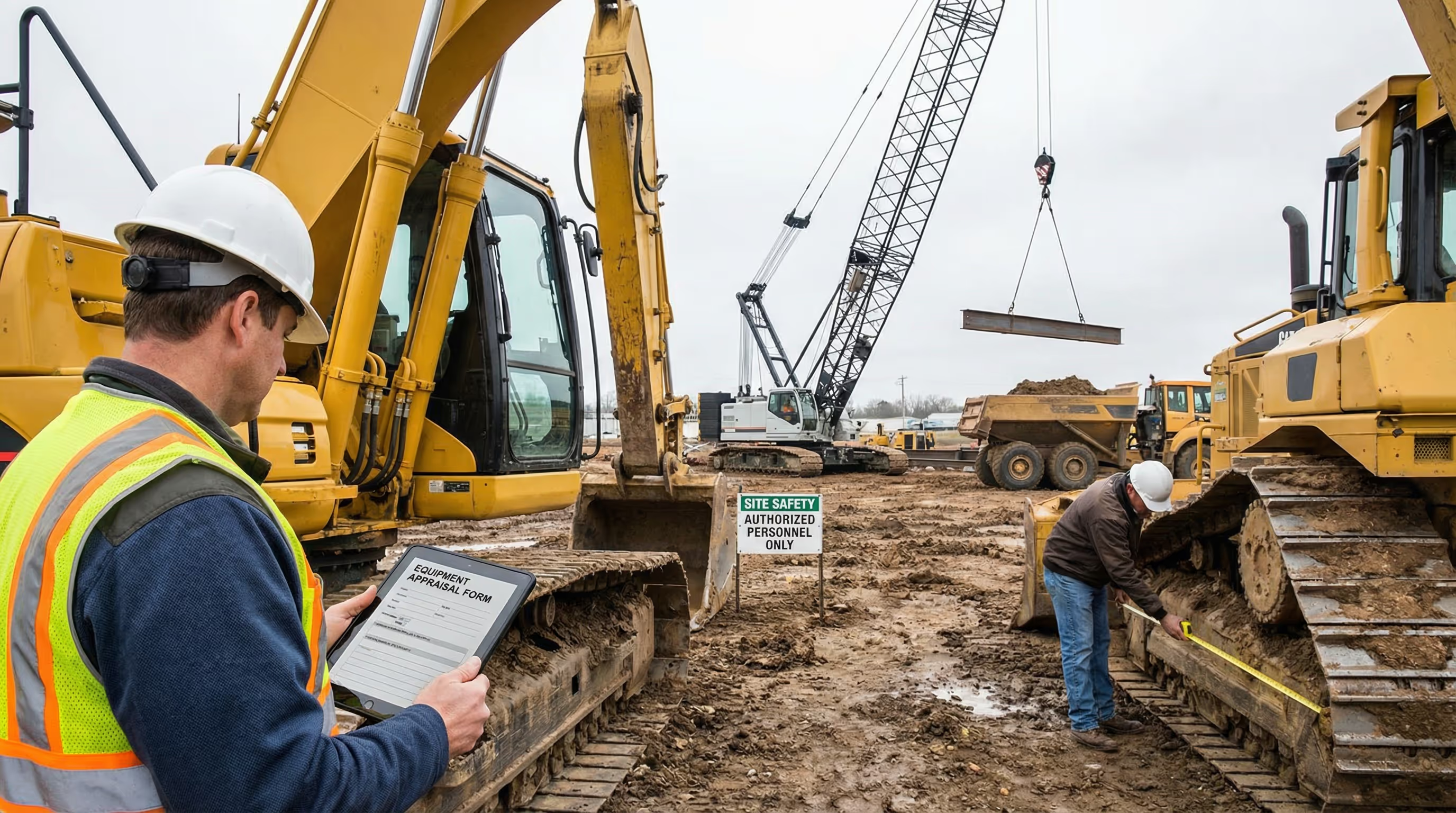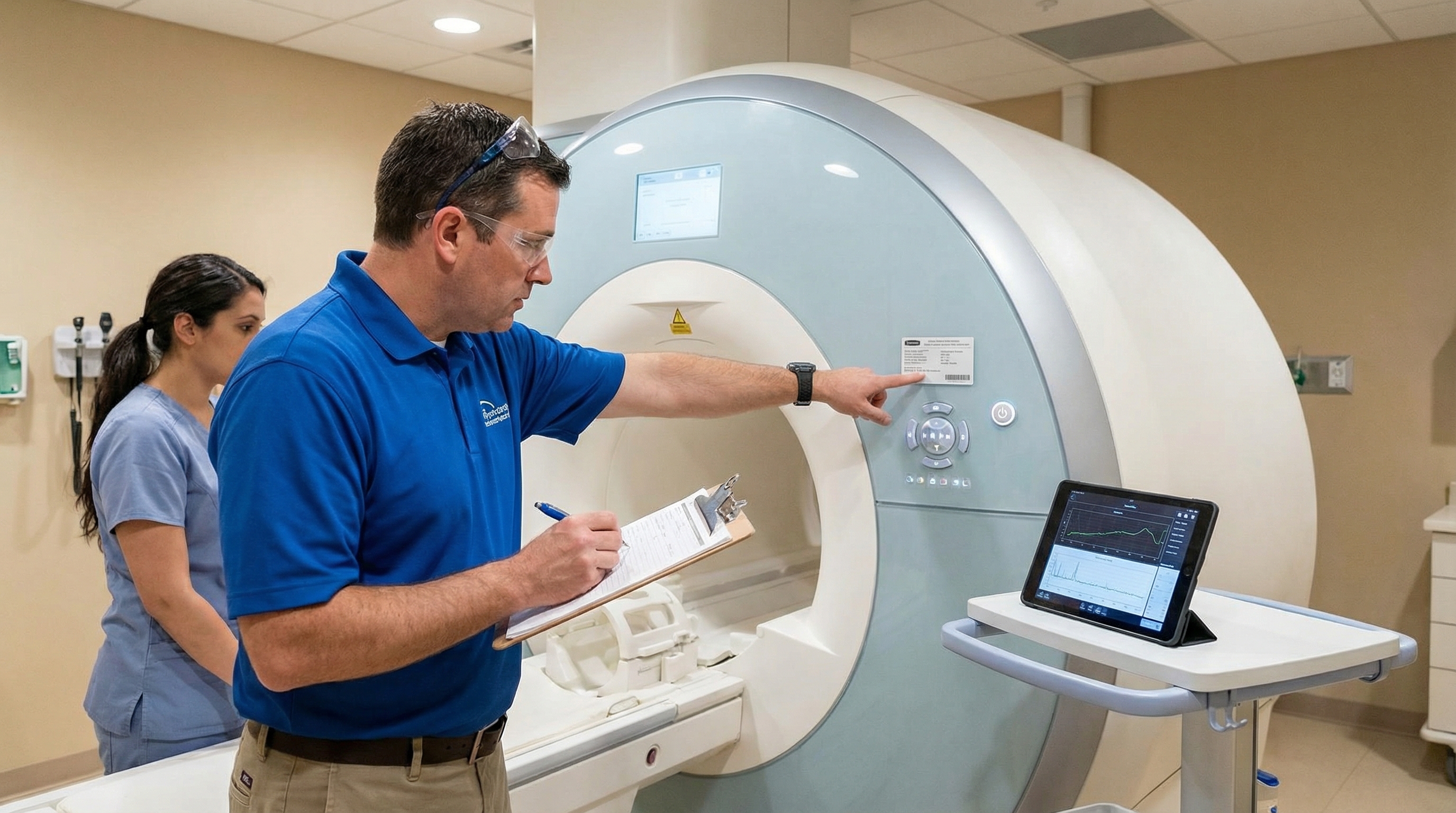
Whether you're buying medical equipment, securing financing, or preparing for an insurance claim, understanding the true value of your medical assets is crucial. A medical equipment appraisal provides an unbiased, professional opinion of value that protects you from overpaying, underinsuring, or facing audit challenges. The process typically takes 3-7 days for single items and involves detailed inspection, market research, and USPAP-compliant reporting.
Key Insight: Medical equipment appraisals are required by most lenders for loans over $250,000 and must be updated every 2-3 years for insurance purposes to maintain adequate coverage.
This guide walks you through every aspect of the medical equipment appraisal process, from initial consultation to final report delivery, helping you make informed decisions about your valuable medical assets.
What is a medical equipment appraisal and when do you need one
A medical equipment appraisal is a professional assessment that determines the fair market value of medical devices and machinery. Unlike simple broker estimates or manufacturer list prices, a certified appraisal provides defensible, USPAP-compliant documentation accepted by lenders, insurers, and tax authorities.
You'll need a medical equipment appraisal when buying or selling a medical practice, securing loans or refinancing, obtaining insurance coverage, preparing for tax reporting or charitable donations, and during mergers or acquisitions. Each scenario has different stakes - overpaying for equipment can impact your practice's profitability, while underinsuring leaves you vulnerable to significant losses.
The appraisal process ensures you have accurate valuations for negotiations, proper collateral documentation for lenders, and audit-ready records for compliance purposes. Most importantly, it provides the financial clarity needed to make confident business decisions.
Step-by-step medical equipment appraisal process
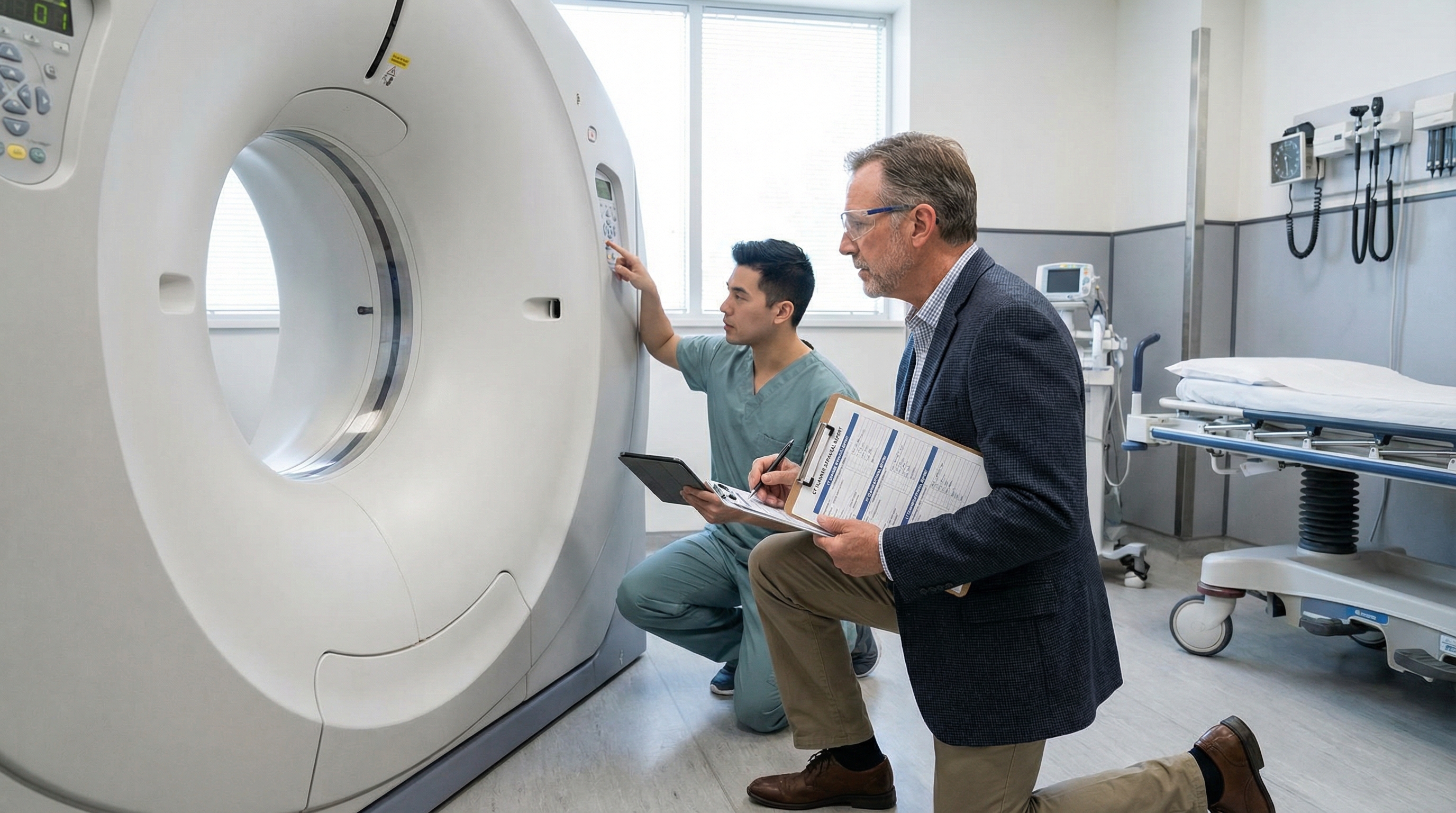
The medical equipment appraisal process follows a structured approach designed to deliver accurate, defensible valuations. Here's what you can expect from start to finish.
Initial consultation and scope definition begins with understanding your specific needs and timeline. The appraiser will discuss the purpose of the appraisal, identify all equipment to be valued, and establish whether on-site or virtual inspection is appropriate. This stage typically takes 1-2 business days and sets the foundation for the entire project.
Pre-inspection planning and data collection involves gathering equipment details, purchase records, maintenance histories, and usage data. You'll provide serial numbers, model information, and any available documentation. The more complete your records, the more accurate and defensible the final valuation will be.
Equipment inspection can be conducted on-site or virtually depending on the equipment type and appraisal purpose. During inspection, the appraiser verifies serial numbers, assesses physical condition, tests basic functions, and documents any modifications or accessories. This hands-on evaluation is crucial for determining actual condition versus stated condition.
Market research and analysis follows the inspection, where the appraiser researches comparable sales, current market conditions, and replacement costs. This involves analyzing recent transactions, dealer pricing, and auction results for similar equipment in comparable condition.
Important Note: Professional appraisers use three valuation approaches - cost, market comparison, and income - and may blend these methods depending on the equipment type and intended use of the appraisal.
Report preparation and review culminates in a comprehensive appraisal document that includes equipment descriptions, condition assessments, market analysis, and final value conclusions. The report undergoes internal review before delivery to ensure accuracy and compliance with professional standards.
Valuation methods and factors affecting equipment value
Medical equipment appraisers use three primary valuation approaches, each suited to different situations and equipment types.
The cost approach calculates value based on replacement cost minus depreciation. This method works well for newer equipment or specialized devices with limited secondary markets. The market approach compares your equipment to recent sales of similar items, adjusting for differences in age, condition, and features. This approach is most reliable when sufficient market data exists.
The income approach estimates value based on the equipment's ability to generate revenue, primarily used for income-producing assets in established practices. Professional appraisers often combine these methods, weighting each based on the specific equipment and appraisal purpose.
Several factors significantly influence medical equipment value. Age and condition are primary drivers, with well-maintained equipment retaining more value than neglected assets. Technology obsolescence affects value dramatically - equipment approaching end-of-support from manufacturers typically sees steep depreciation.
Brand reputation, maintenance history, and utilization patterns also impact value. High-quality brands with strong service networks maintain better resale values, while equipment with complete maintenance records commands premium pricing in the secondary market.
| Valuation Method | Best Used For | Key Advantage | Limitation |
|---|---|---|---|
| Cost Approach | Newer, specialized equipment | Clear depreciation calculation | May not reflect market reality |
| Market Approach | Equipment with active secondary markets | Based on actual transactions | Requires sufficient comparable data |
| Income Approach | Revenue-generating equipment | Reflects earning potential | Complex calculations required |
Required documentation and preparation checklist
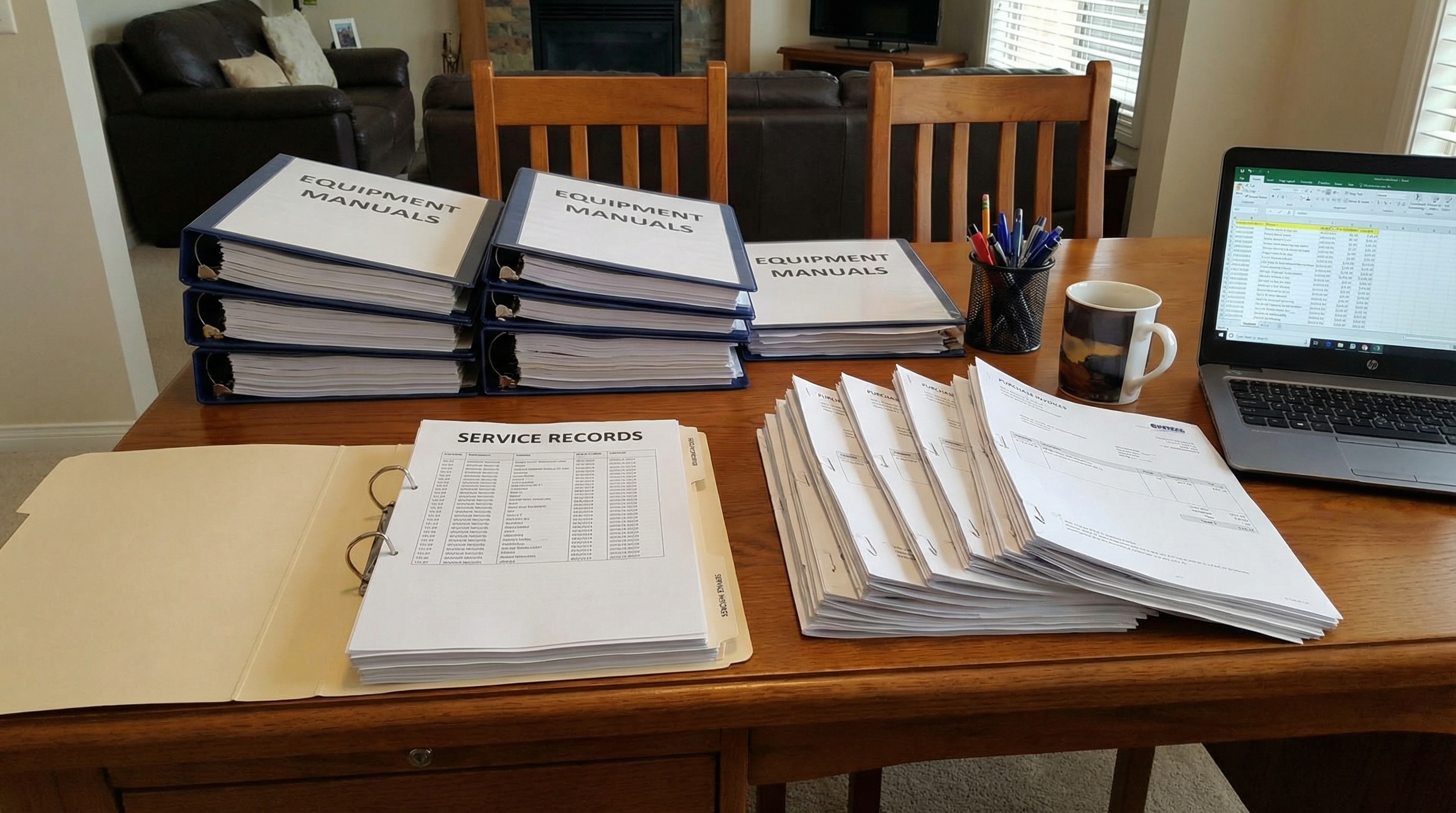
Proper documentation significantly impacts appraisal accuracy and defensibility. Start gathering these materials as soon as you decide to pursue an appraisal.
Equipment details include make, model, serial numbers, year of manufacture, and any identifying stickers or tags. Document all accessories, software licenses, and optional features that came with the original purchase. Missing serial numbers or model information can complicate the appraisal process and may require additional research time.
Purchase and ownership records provide baseline cost information and establish clear ownership. Include original invoices, financing agreements, lease documents, and any transfer paperwork. These records help appraisers understand the equipment's acquisition cost and financing structure.
Maintenance and service history demonstrates care and helps assess remaining useful life. Compile service contracts, repair invoices, preventive maintenance logs, and any major component replacements. Well-documented maintenance typically supports higher valuations by proving proper care.
Usage and operational data includes hours of operation, patient volume, and utilization rates where applicable. For imaging equipment, provide scan counts and throughput data. This information helps appraisers assess wear patterns and remaining capacity.
Photos and supporting materials should include current exterior and interior views, control panels, and any visible wear or damage. Include user manuals, technical specifications, and software documentation. Quality photos can sometimes eliminate the need for on-site inspections, reducing overall project costs.
Pro Tip: Organizing documentation in advance can reduce appraisal timelines by 2-3 days and improve accuracy. Create a digital folder with clearly labeled files for easy sharing with your appraiser.
Costs, timelines, and choosing qualified appraisers
Medical equipment appraisal costs vary based on several factors including equipment complexity, number of items, travel requirements, and project urgency. Basic appraisals for single items typically start around $500, while comprehensive facility assessments can range into thousands of dollars.
Cost drivers include the number of pieces being appraised, geographic location, need for specialized technical expertise, and timeline requirements. Rush projects often carry premium pricing, while multi-item appraisals may offer economies of scale.
Timeline expectations depend on project scope and complexity. Single-item appraisals usually take 3-5 business days, while multi-location assessments can require 2-3 weeks. Client responsiveness in providing documentation and facility access significantly impacts overall timelines.
When choosing a qualified appraiser, verify professional certifications such as ASA, AMEA, or CMEA designations. Look for specific medical equipment experience and USPAP compliance. Request references from similar projects and confirm the appraiser's familiarity with your equipment type.
Preparation checklist for your appraisal includes gathering all documentation mentioned above, scheduling facility access, identifying key personnel for equipment questions, and preparing any IT or security requirements for appraiser access. Clear communication about expectations and timelines helps ensure smooth project execution.
The medical equipment appraisal process provides essential financial clarity for major business decisions. By understanding each step, preparing proper documentation, and working with qualified professionals, you can obtain accurate, defensible valuations that support your business objectives. Whether you're securing financing, planning acquisitions, or managing insurance coverage for medical equipment, a professional appraisal gives you the confidence to move forward with complete information about your medical equipment assets. For those looking to maximize their medical equipment's value, understanding this process is the first step toward making informed decisions.