If you're buying, selling, or refinancing a laundromat, knowing what your equipment is really worth isn't optional. A professional laundry equipment appraisal provides an independent assessment of your machines' fair market value, protecting you from overpaying by thousands or being underinsured when disaster strikes.
A laundry equipment appraisal is a certified evaluation that determines the current market value of commercial washers, dryers, and related equipment. Whether you need it for a business purchase, SBA loan, insurance claim, or estate settlement, this comprehensive guide covers everything you need to know about costs, timelines, required documentation, and choosing the right appraiser.
Quick Answer: Laundry equipment appraisals typically cost between $300-$2,500 depending on scope, take 1-3 weeks to complete, and require USPAP-compliant certified appraisers for legal and financial acceptance.
You'll learn when professional appraisals are necessary, what factors drive equipment values, how the process works step-by-step, and what information you need to prepare. Most importantly, you'll understand how to choose a qualified appraiser who delivers reports accepted by banks, insurance companies, and courts.
What is a laundry equipment appraisal and when do you need one
A laundry equipment appraisal is an independent professional evaluation that determines the fair market value of commercial laundry machines and related equipment. This isn't just an estimate or opinion - it's a detailed analysis conducted by certified appraisers who follow strict industry standards.
The appraisal process involves examining your equipment's condition, researching comparable sales, analyzing market trends, and applying recognized valuation methods. The result is a comprehensive report that documents your equipment's current worth in today's marketplace.
You'll need a professional laundry equipment appraisal for several critical business situations:
Buying or selling a laundromat requires accurate valuations to negotiate fair prices and avoid costly mistakes. Sellers use appraisals to justify asking prices, while buyers protect themselves from overpaying for outdated or overvalued equipment.
Financing and refinancing through banks or SBA loans almost always requires certified appraisals. Lenders need independent confirmation of collateral value before approving significant loan amounts for commercial laundry businesses.
Insurance coverage depends on accurate equipment valuations. Without proper appraisals, you risk being underinsured and facing major financial losses if equipment is damaged, stolen, or destroyed.

Legal proceedings including divorce settlements, estate planning, and business disputes require defensible valuations that hold up in court. Only USPAP-compliant appraisals meet these legal standards. Understanding common challenges in probate appraisal and how to overcome them can help you navigate estate-related equipment valuations more effectively.
What equipment gets appraised and key value factors
Commercial laundry equipment appraisals typically cover a comprehensive range of machines and supporting systems. Understanding what's included helps you prepare for the process and ensures nothing valuable gets overlooked.
Core laundry machines form the foundation of most appraisals. This includes commercial washers ranging from 20-pound capacity units to massive 125-pound machines, commercial dryers in various sizes, and specialized equipment like washer-extractors and tunnel washers for high-volume operations.
Support equipment adds significant value to many facilities. Payment systems including coin mechanisms and card readers, water heating and softening systems, chemical injection systems, and finishing equipment like folders and presses all contribute to your operation's total worth.
Ancillary items round out comprehensive appraisals. Rolling carts, folding tables, vending machines, security systems, and even leasehold improvements may be included depending on your appraisal's scope and purpose.
Value Insight: Energy-efficient machines with modern technology features can be worth 20-40% more than older models, even when both are in similar physical condition.
Several key factors determine your equipment's appraised value. Age and brand reputation significantly impact worth, with premium manufacturers like Milnor, Continental, and Huebsch typically holding value better than lesser-known brands.
Condition and maintenance history play crucial roles in valuation. Well-maintained equipment with documented service records commands higher values than neglected machines, even if they're the same age and model. Learning about the basics of equipment & machinery appraisal can help you understand how appraisers assess these critical factors.
Technology and efficiency features increasingly drive values as utility costs rise and environmental regulations tighten. Machines with programmable controls, water recycling systems, and energy-efficient designs often appraise higher than basic models.
How the professional appraisal process works
Understanding the appraisal process helps you prepare effectively and ensures smooth completion within expected timeframes. Professional laundry equipment appraisals follow a structured five-step approach that meets industry standards.
Initial consultation and scope definition begins when you contact a certified appraiser. They'll discuss your specific needs, timeline requirements, and intended use for the appraisal report. This conversation determines whether you need a full narrative report for legal proceedings or a summary report for internal business purposes.
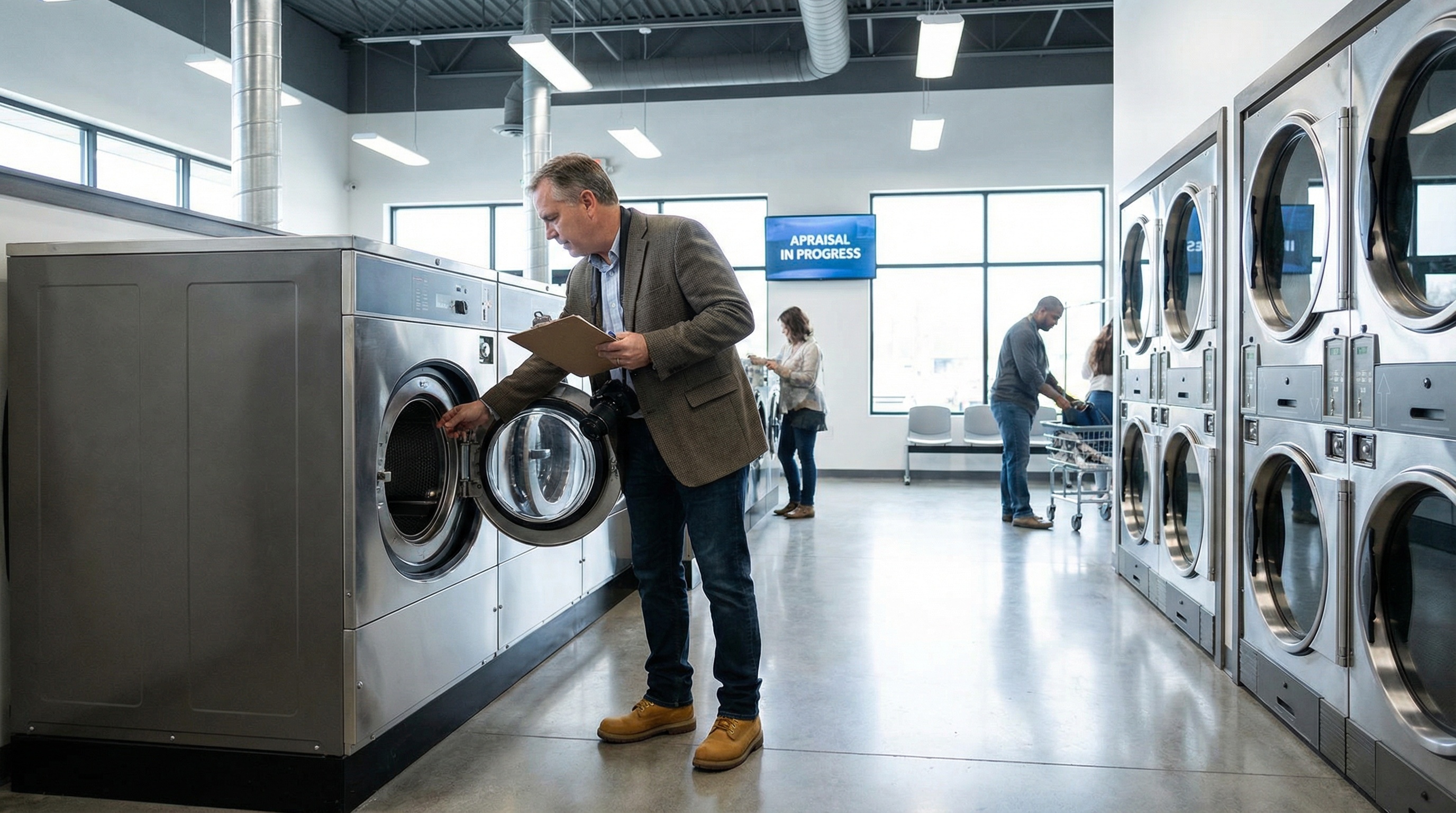
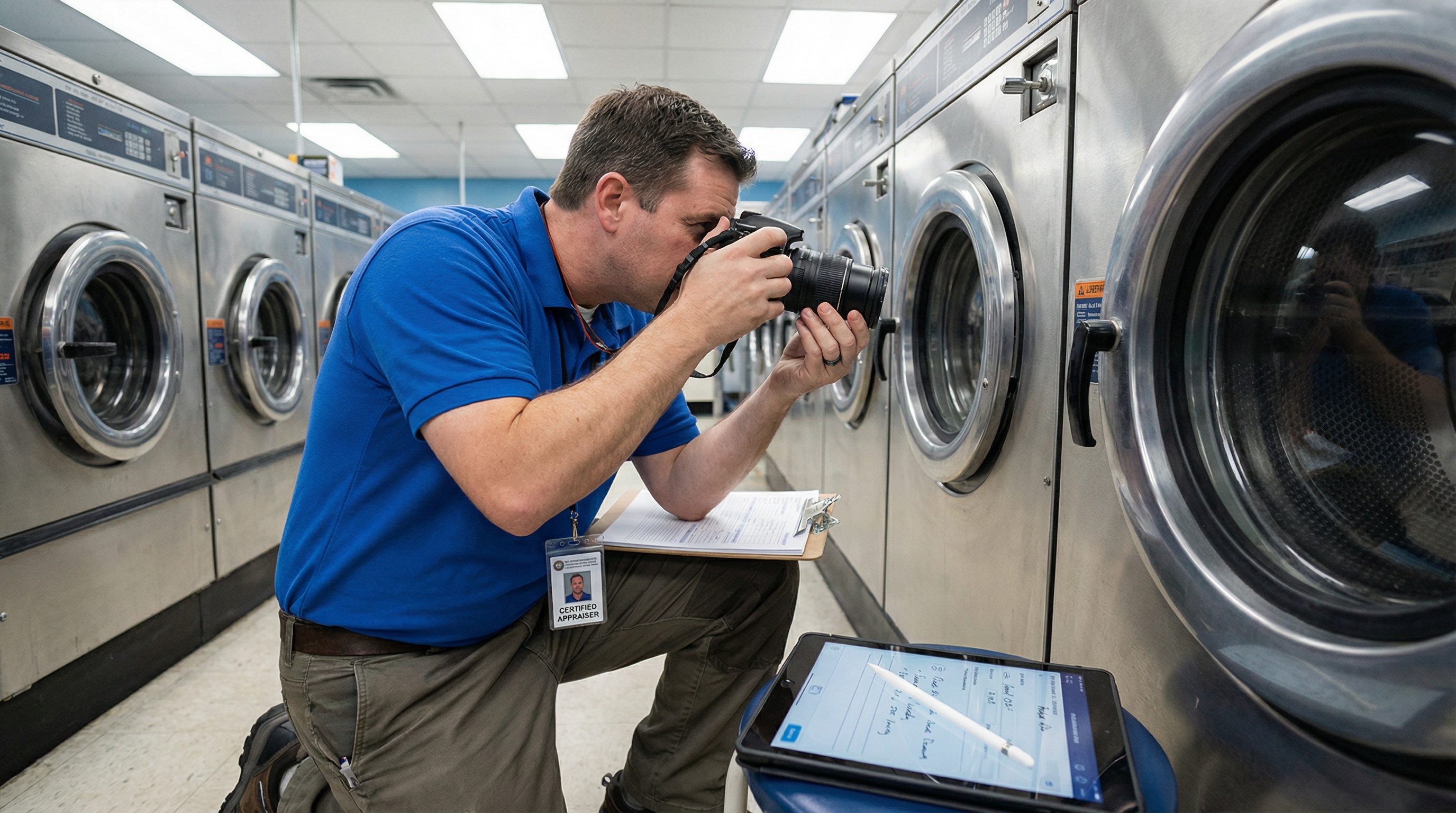
Data collection and site inspection involves gathering detailed information about each piece of equipment. For on-site appraisals, the appraiser physically examines machines, documents serial numbers, assesses condition, and photographs equipment. Remote appraisals rely on detailed photos and documentation you provide. To ensure you're ready, review our guide on how to prepare for a laundry equipment appraisal.
Market research and valuation approach combines multiple methodologies to determine fair market value. Appraisers research recent sales of comparable equipment, analyze replacement costs, and consider income potential for revenue-generating machines.
Report preparation transforms raw data into a comprehensive document that meets professional standards. USPAP-compliant reports include detailed equipment descriptions, valuation methodologies, market analysis, and supporting documentation that satisfies legal and financial requirements.
Final delivery and support concludes with report delivery and any necessary clarifications. Professional appraisers stand behind their work and provide testimony or additional documentation if needed for legal proceedings or loan applications.
Costs, timelines, and logistics you should expect
Laundry equipment appraisal costs vary significantly based on scope, complexity, and geographic location. Understanding typical fee structures helps you budget appropriately and compare appraiser proposals effectively.
Basic appraisals for small laundromats with 10-20 machines typically range from $500-$1,200. These straightforward assignments involve standard equipment in accessible locations with clear ownership and minimal complexity.
Comprehensive appraisals for larger facilities or complex situations cost $1,200-$3,500. Multi-location businesses, specialized equipment, or appraisals requiring extensive market research and detailed reporting command higher fees.
Rush assignments and remote locations may incur additional charges. Expedited timelines often add 25-50% to standard fees, while travel to distant locations includes mileage and potentially overnight expenses.
| Appraisal Scope | Typical Equipment Count | Fee Range | Timeline |
|---|---|---|---|
| Small laundromat | 10-20 machines | $500-$1,200 | 5-10 days |
| Medium facility | 20-50 machines | $1,200-$2,500 | 7-14 days |
| Large operation | 50+ machines | $2,500-$5,000+ | 14-21 days |
Timeline expectations depend on several factors beyond equipment quantity. Complete information availability, site access coordination, and report complexity all influence completion speed. Most appraisals finish within 7-14 business days after the appraiser receives all necessary documentation.
Planning Tip: Providing complete equipment lists, serial numbers, and clear photos upfront can reduce appraisal timelines by 3-5 days and sometimes lower costs.
In-person versus remote appraisals each offer distinct advantages. On-site inspections provide the most accurate assessments, especially for older equipment or complex installations. Remote appraisals cost less and complete faster but require excellent documentation and work best for newer, standard equipment in good condition. Understanding what is a desktop equipment appraisal can help you decide which approach suits your needs.
Choosing qualified appraisers and required documentation
Selecting the right appraiser ensures your report meets all legal and financial requirements while providing accurate valuations you can trust. Not all appraisers have the specialized knowledge needed for commercial laundry equipment.
Essential qualifications include current certification from recognized appraisal organizations like ASA, ISA, or AMEA. Your appraiser must also demonstrate specific experience with commercial laundry equipment and maintain USPAP compliance for legal and financial acceptance. Learn more about how to find the right appraiser for your laundry equipment.
Industry expertise matters significantly for accurate valuations. Look for appraisers who understand laundry business operations, equipment lifecycles, and market trends affecting commercial laundry values. Generic equipment appraisers may miss important factors that impact your specific situation.
Required documentation preparation speeds the process and ensures comprehensive coverage. Gather equipment purchase invoices, maintenance records, and warranty information when available. Create a detailed equipment list including make, model, serial numbers, and installation dates.
Photo documentation proves especially important for remote appraisals. Take clear images showing overall condition, control panels, manufacturer nameplates, and any damage or modifications. Multiple angles help appraisers assess condition accurately without site visits.
Business context information helps appraisers understand your equipment's role and condition. Provide details about operating hours, maintenance practices, water quality issues, and any planned upgrades or replacements that might affect valuations.
Professional laundry equipment appraisals protect your financial interests whether you're buying, selling, financing, or insuring commercial laundry operations. The investment in certified appraisals pays dividends through better negotiations, adequate insurance coverage, and smooth loan processes. Be sure to avoid common mistakes to avoid when getting a laundry equipment appraisal to maximize the value of your appraisal investment.
At AppraiseItNow, we provide USPAP-compliant laundry equipment appraisals accepted by banks, insurance companies, and courts nationwide. Our certified appraisers combine deep industry knowledge with professional standards to deliver accurate, defensible valuations for your business needs.