If you own excavators, cranes, or bulldozers worth tens of thousands of dollars, guessing their value can cost you serious money. Whether you're securing a loan, buying equipment, or filing an insurance claim, you need accurate valuations that lenders and insurers will accept.
A heavy machinery appraisal provides a defensible, documented assessment of your equipment's current market value. Professional appraisers inspect your machinery, research comparable sales, and deliver USPAP-compliant reports that satisfy banks, insurance companies, and courts. Most appraisals cost between $400 and $3,000 depending on equipment complexity and location.
Key insight: Professional appraisals typically pay for themselves by helping you avoid overpaying by thousands when purchasing equipment or securing proper insurance coverage that matches your asset's true value.
This guide walks you through everything you need to know about heavy machinery appraisals, from understanding different value types to preparing for the inspection process.
What is a heavy machinery appraisal and when do you need one
A heavy machinery appraisal is a professional assessment that determines the current market value of industrial equipment like excavators, cranes, bulldozers, and agricultural machinery. Unlike a simple estimate, an appraisal follows standardized methods and produces a written report that meets legal and financial requirements.
You typically need an appraisal when securing equipment financing, as lenders require collateral verification before approving loans. Insurance companies also request appraisals to set coverage limits and process claims accurately. If you're buying or selling used equipment, an appraisal helps ensure fair pricing and can strengthen your negotiating position.
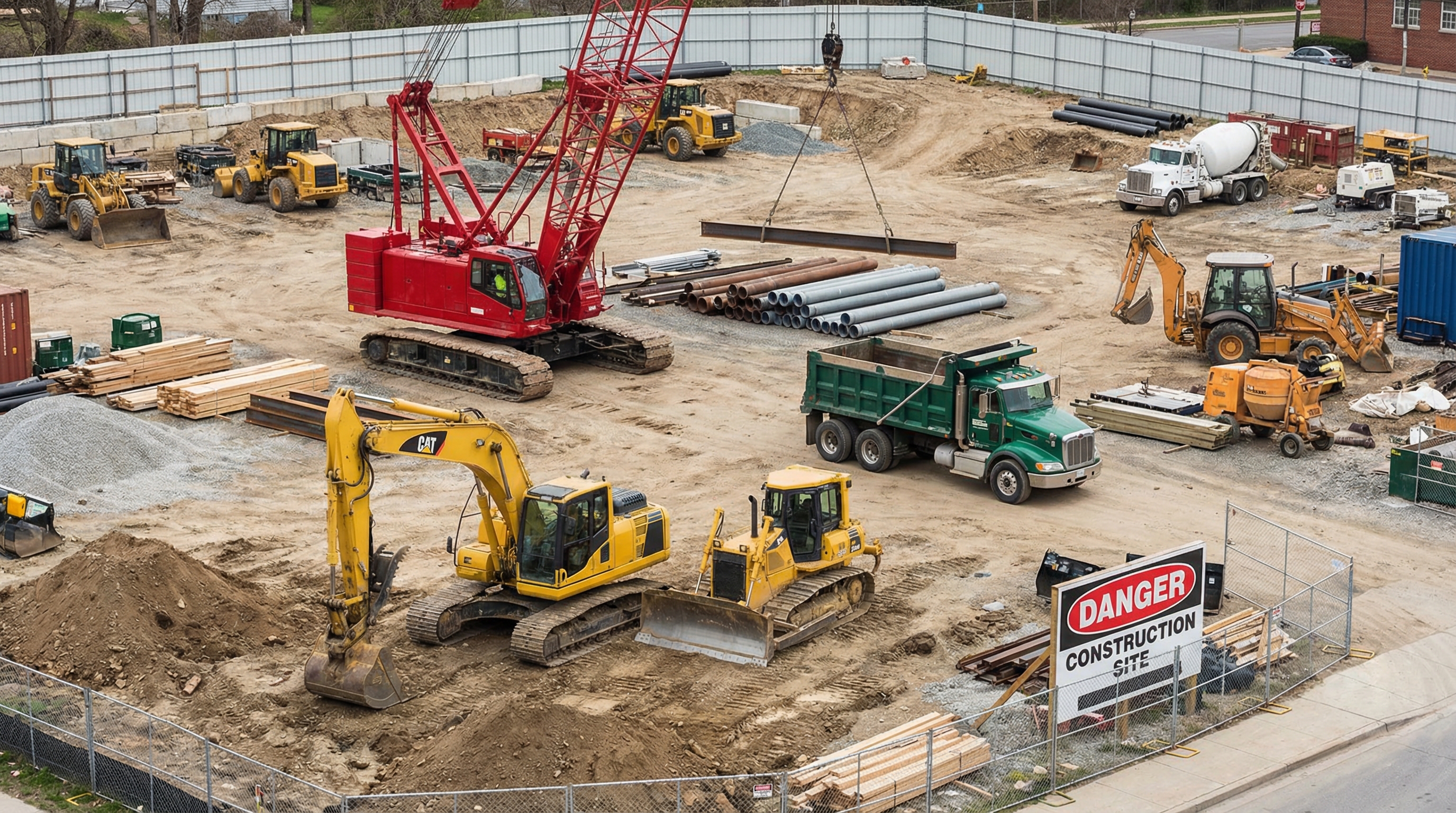
Other common scenarios include estate planning, divorce proceedings, tax reporting, and litigation support. Government agencies may require appraisals for seized or surplus equipment sales. Understanding when to hire a professional for equipment valuation can help you make informed decisions about your assets.
Types of appraisal values and what they mean for your equipment
Heavy machinery appraisals can determine several different types of values depending on your specific needs. Understanding these distinctions helps you request the right type of assessment.
Fair market value represents what your equipment would sell for between willing buyers and sellers in an open market. This is the most common value type for loans, insurance, and general business purposes.
Replacement cost value estimates what you'd pay to replace your equipment with similar functionality, either new or used. Insurance companies often use this for coverage decisions.
Orderly liquidation value assumes you have reasonable time to market and sell equipment, typically 60-90 days. This applies when businesses are downsizing or changing operations.
| Value Type | Definition | Common Use Cases | Typical Value Level |
|---|---|---|---|
| Fair Market Value | Open market sale price | Loans, insurance, taxes | Moderate |
| Replacement Cost | Cost to replace functionality | Insurance coverage | Highest |
| Orderly Liquidation | Planned sale with time | Business restructuring | Lower |
| Forced Liquidation | Quick sale under pressure | Bankruptcy, urgent cash | Lowest |
Your appraiser will select the appropriate value definition based on your intended use of the report. For more details on understanding the value of heavy machinery, consult with a certified professional.
How the heavy machinery appraisal process works step by step
The appraisal process follows a structured approach that ensures thorough evaluation and defensible results. Here's what you can expect from start to finish.
Step 1: Initial consultation and scope definition. Your appraiser discusses your equipment list, locations, timeline, and intended use of the appraisal. This determines the appropriate value type and inspection approach.
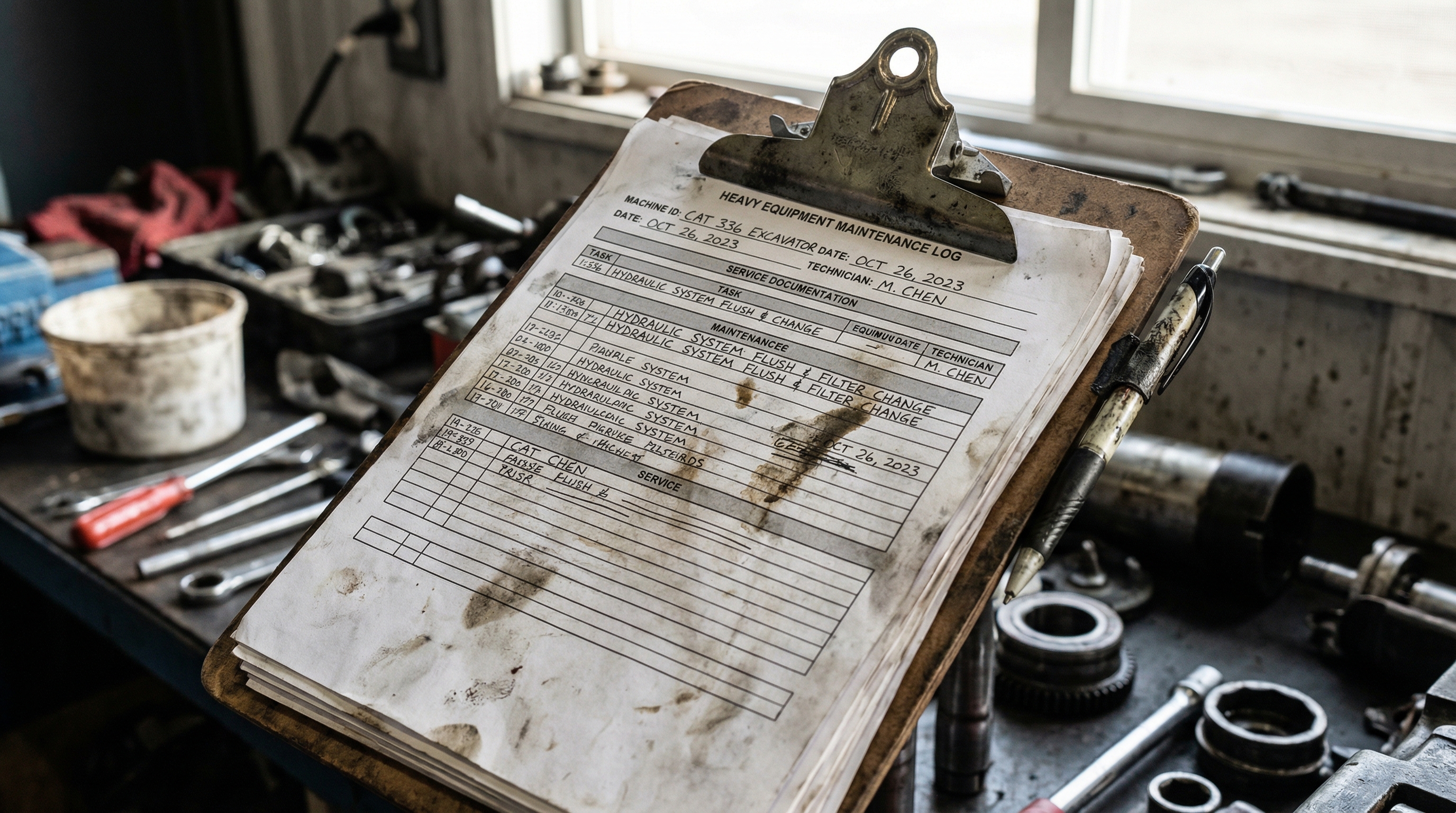
Step 2: Asset documentation and preparation. You provide equipment details including serial numbers, purchase records, maintenance logs, and recent photos. Complete documentation speeds up the process and can reduce costs.
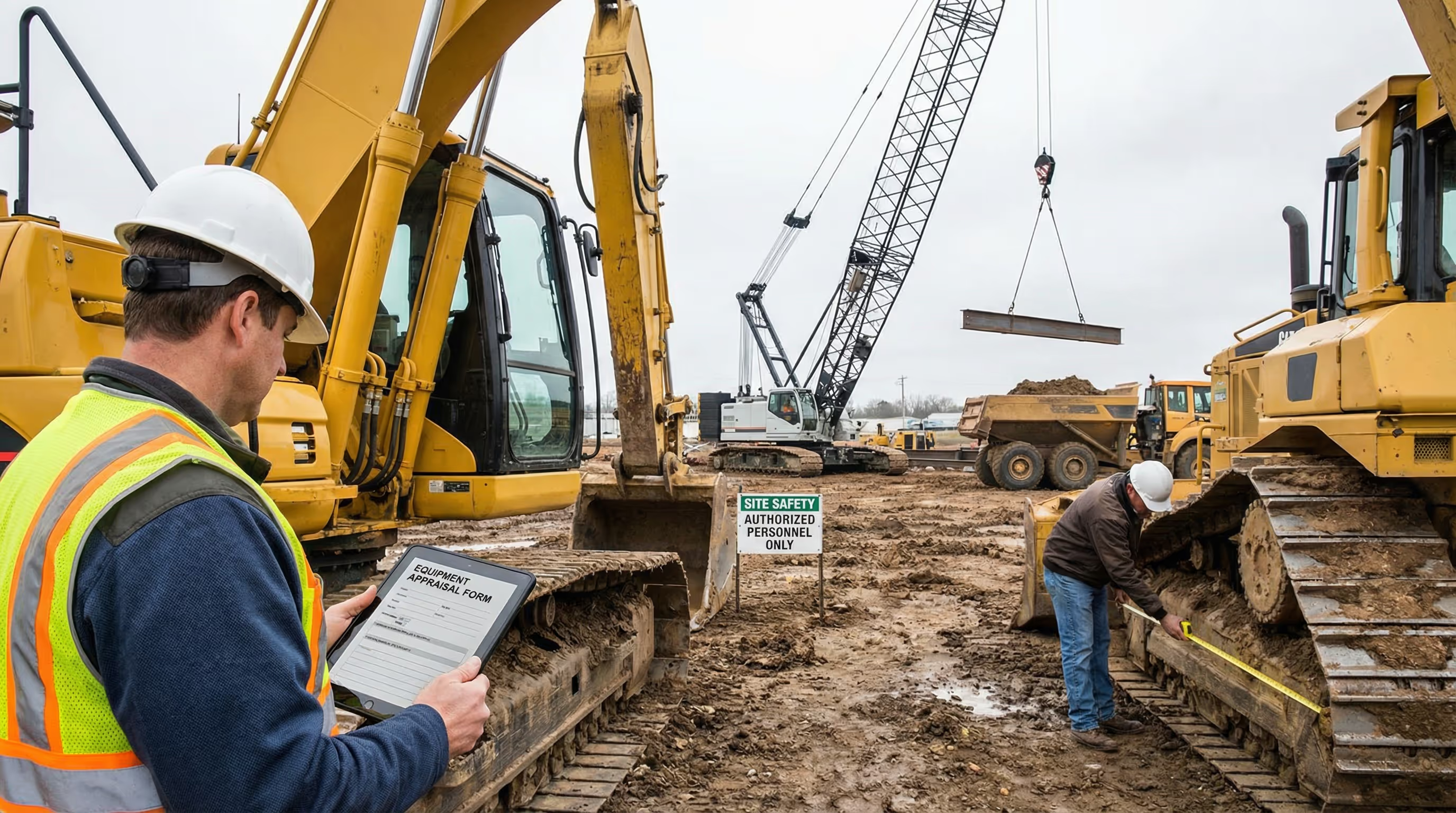
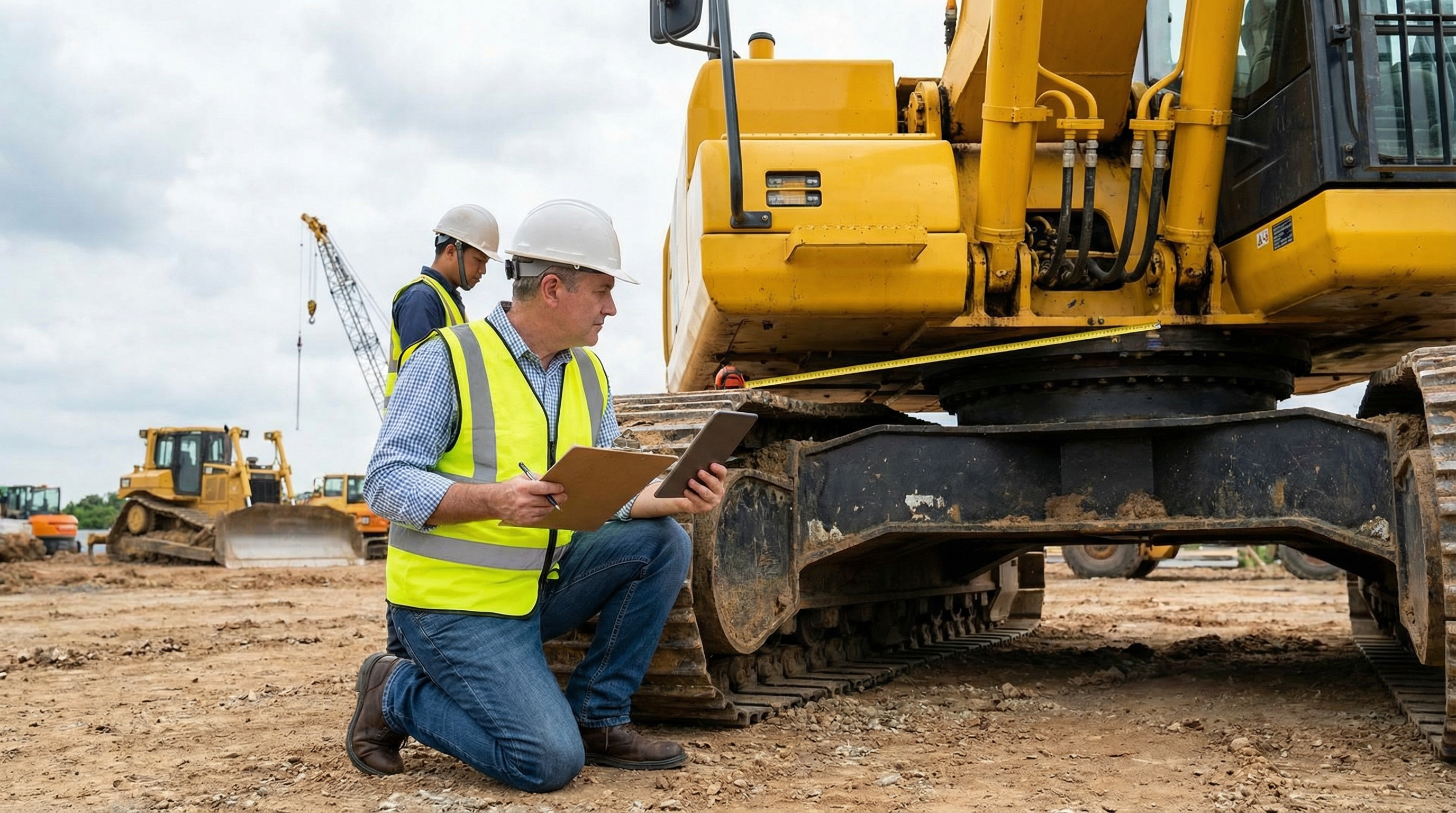
Step 3: Physical inspection. The appraiser examines each piece of equipment, noting condition, functionality, modifications, and any issues affecting value. Inspections can be on-site or virtual depending on circumstances.
Pro tip: Having your equipment clean and accessible with all documentation organized can reduce inspection time and potentially lower your appraisal fee.
Step 4: Market research and analysis. The appraiser researches comparable sales, auction results, dealer listings, and industry data to establish value benchmarks for your specific equipment.
Step 5: Valuation and report preparation. Using recognized valuation methods, the appraiser analyzes all data to reach value conclusions and prepares a comprehensive written report.
Step 6: Report delivery and review. You receive the final report and can discuss findings with your appraiser. USPAP-compliant reports are accepted by lenders, insurers, and courts. Learn more about the process of heavy machinery appraisal to understand what to expect.
Key factors that determine your equipment's appraised value
Several critical factors influence how much your heavy machinery is worth. Understanding these helps you maintain value and prepare for appraisals.
Age and operating hours are primary considerations. Newer equipment with lower hours typically commands higher values, but well-maintained older machines can still be valuable if they're reliable and functional.
Physical condition and maintenance history significantly impact value. Equipment with complete service records, recent major repairs, and good cosmetic condition appraises higher than neglected machinery.
Brand reputation and model specifications affect market demand. Popular manufacturers with strong dealer networks and parts availability maintain better resale values. Specialized attachments or technology upgrades can add value.
Market conditions and location influence what buyers will pay. Economic factors, seasonal demand, and regional preferences all affect equipment values. Urban areas with active construction markets often see higher values than remote locations.
Market reality: Two identical excavators can have significantly different appraised values based on maintenance history alone. A well-documented machine with regular service can be worth 20-30% more than one with poor maintenance records.
Your appraiser considers all these factors when researching comparable sales and determining final value conclusions. Similar considerations apply to construction equipment appraisals and other industrial machinery.
Understanding appraisal costs and timelines for your project
Heavy machinery appraisal costs vary based on several factors, but understanding typical ranges helps you budget appropriately. Most single-machine appraisals start around $400 for straightforward local inspections.
Complex appraisals involving multiple machines, specialized equipment, or extensive travel can cost several thousand dollars. The appraiser's time for research, inspection, and report preparation drives most fees.
What affects your appraisal cost: Number of assets being appraised, geographic locations requiring travel, equipment complexity and specialization, timeline requirements, and purpose of the appraisal.
Typical timelines range from 3-5 business days for simple local appraisals to 2-3 weeks for complex multi-site projects. Rush services are available but typically cost more.
Having complete documentation ready and equipment accessible can significantly reduce both cost and timeline. Appraisers spend less time gathering information and can complete inspections more efficiently. For detailed information on the cost of heavy machinery appraisal, consult with multiple appraisers to compare pricing.
For exact pricing, most appraisers provide free estimates based on your specific equipment list, locations, and project requirements. This helps you budget accurately and avoid surprise fees. Before scheduling, review how to prepare for a heavy machinery appraisal to ensure you're ready.
AppraiseItNow offers nationwide coverage with both on-site and online appraisal options, providing USPAP-compliant reports accepted by over 10,000 organizations including major banks, insurance companies, and government agencies. Our certified appraisers understand both equipment values and the financial requirements you need to meet, ensuring your appraisal serves its intended purpose effectively.
Whether you're securing equipment financing, updating insurance coverage, or making major purchase decisions, a professional appraisal provides the documented value assessment you need to move forward with confidence.