







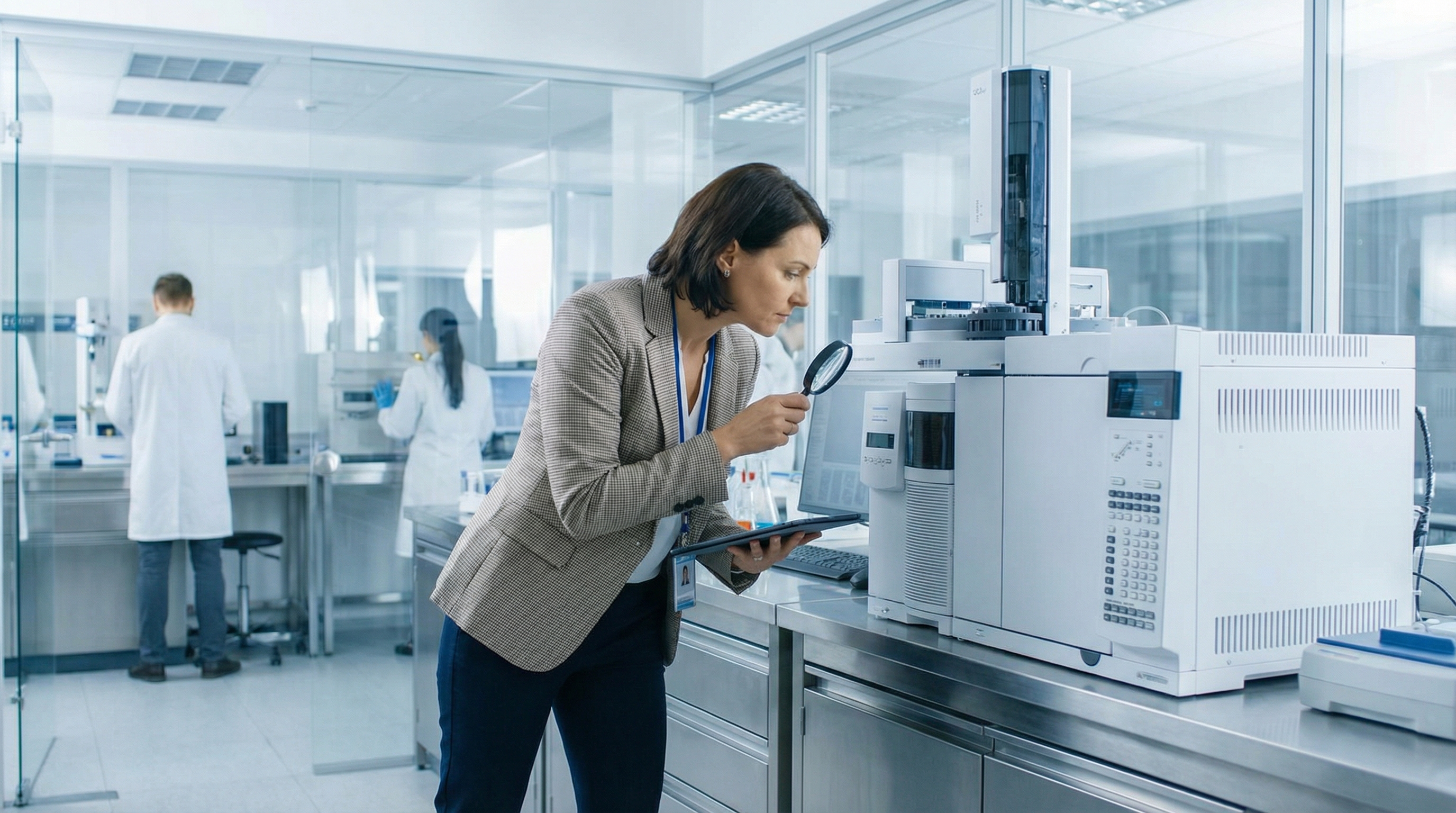
Last month, a medical practice discovered their insurance claim was denied because their lab equipment appraisal didn't meet industry standards. The appraiser they chose lacked proper credentials, and when their $200,000 chemistry analyzer was damaged, they received only a fraction of its value. This scenario happens more often than you'd think.
Choosing the right lab equipment appraiser isn't just about getting a number on paper. You need someone who understands USPAP compliance, holds proper certifications, and can deliver defensible reports that stand up to IRS scrutiny, insurance claims, and legal challenges. The difference between a qualified appraiser and an unqualified one can cost you thousands of dollars and significant legal headaches.
Quick Answer: A qualified lab equipment appraiser must have USPAP training, relevant professional accreditation (ASA or AMEA), specific experience with medical and scientific equipment, and the ability to produce defensible reports accepted by courts, insurers, and the IRS.
Whether you're dealing with insurance coverage, equipment financing, tax reporting, or business transactions, this guide will walk you through exactly what to look for when selecting a professional appraiser for your laboratory equipment.
Not all appraisers are created equal, especially when it comes to specialized laboratory and medical equipment. A qualified lab equipment appraiser must meet specific standards that go far beyond general property appraisal experience.
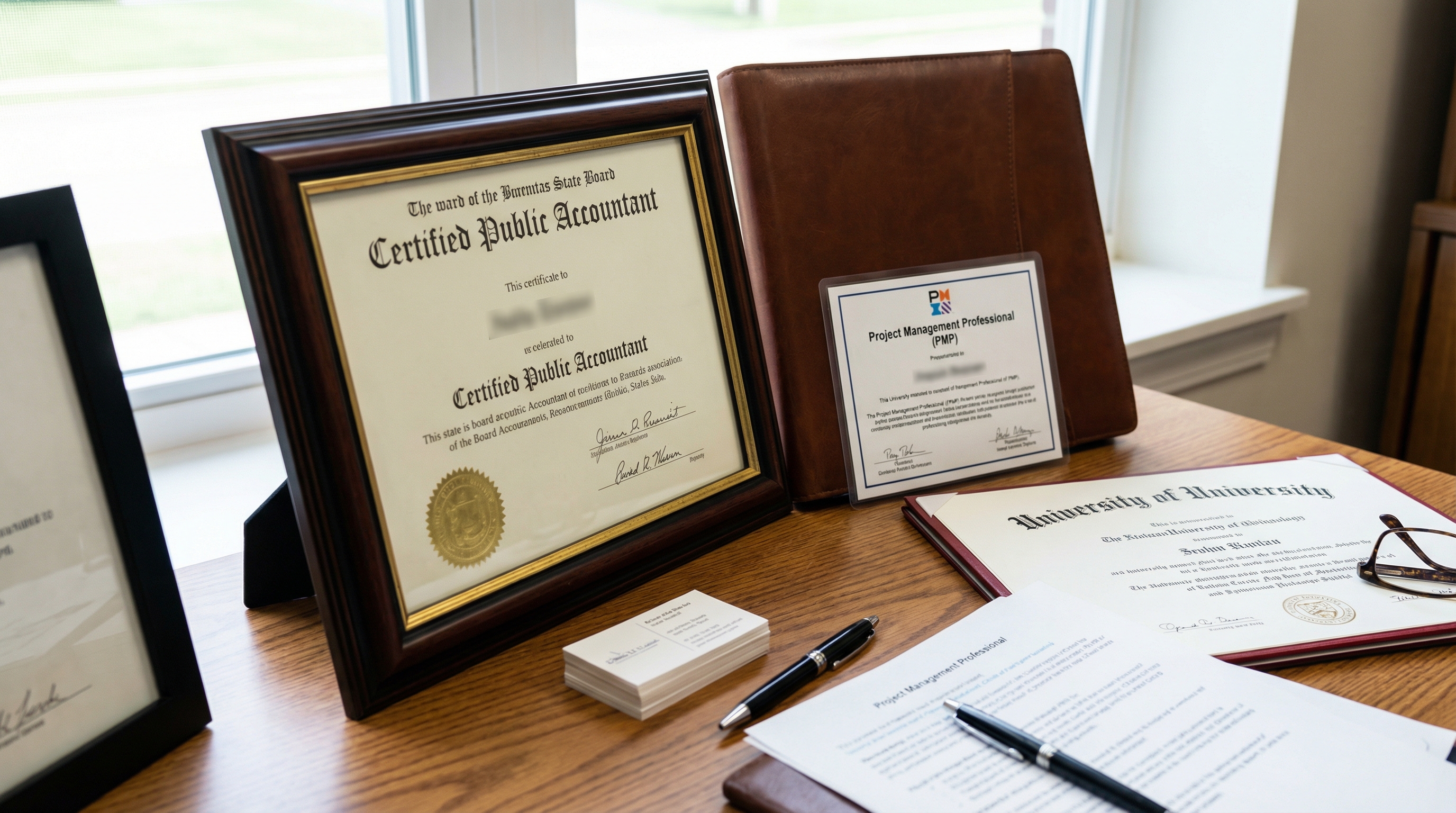
First, they need USPAP (Uniform Standards of Professional Appraisal Practice) compliance. This isn't optional if you want your appraisal to hold up under legal or regulatory scrutiny. USPAP sets the ethical and performance standards that courts, the IRS, and major institutions recognize as credible.
Professional accreditation matters tremendously. Look for appraisers who hold designations from recognized organizations like the American Society of Appraisers (ASA) or the American Medical Equipment Appraisers (AMEA). These credentials require ongoing education, peer review, and adherence to strict ethical standards.
Lab equipment appraisal differs significantly from real estate or general personal property work. Your appraiser needs hands-on experience with scientific instruments, medical devices, and laboratory systems. They should understand depreciation patterns, technology obsolescence, and market dynamics specific to your equipment type. Understanding the basics of laboratory equipment appraisal can help you evaluate whether an appraiser truly grasps these nuances.
Important Note: The IRS defines a "qualified appraiser" as someone with relevant education, experience, and demonstrated competency in valuing the type of property being appraised. Generic appraisers often don't meet these requirements for specialized lab equipment.
When evaluating potential appraisers, focus on these essential qualifications that separate qualified professionals from those who might leave you vulnerable.
Professional credentials should be your starting point. Verify their ASA, AMEA, or similar designations are current and in good standing. Ask about their USPAP training completion dates, as this education must be updated regularly to remain valid.
Equipment-specific experience cannot be overstated. An appraiser who primarily works with office furniture won't understand the nuances of spectrophotometers or biosafety cabinets. Request examples of similar equipment they've appraised and ask about their familiarity with your specific manufacturers and models. Before making your final decision, review essential questions to ask before having your lab equipment appraised to ensure you're thoroughly vetting candidates.
Industry reputation and references provide crucial insight into their work quality. Qualified appraisers should be able to provide references from previous clients, and ideally have experience working with courts, insurance companies, or lending institutions. This external validation demonstrates their reports meet professional standards.
Clear engagement processes separate professional appraisers from those who might cut corners. They should provide detailed scope of work documents, transparent fee structures, and realistic timelines. Be wary of appraisers who promise unrealistically fast turnarounds or refuse to explain their methodology.
Once you've identified potential candidates, thorough vetting becomes critical to avoid costly mistakes down the road.
Start by confirming their professional designations directly with the issuing organizations. The ASA and AMEA maintain member directories where you can verify current standing. Don't just take their word for it, as credentials can lapse or be revoked.
Request sample reports or case studies that demonstrate their work quality. While they should redact confidential information, qualified appraisers can show you report structure, methodology explanations, and supporting documentation that meets USPAP standards.
Ask specific questions about their lab equipment experience. How many chemistry analyzers have they appraised in the past year? Are they familiar with your equipment's manufacturer? Do they understand the regulatory environment affecting your industry? Vague answers or obvious unfamiliarity should raise red flags. You can also learn about common mistakes to avoid during lab equipment appraisal to help identify appraisers who might be cutting corners.
Check their professional liability insurance and ask about their experience testifying as expert witnesses. These factors indicate they stand behind their work and have the credibility to defend their valuations if challenged.
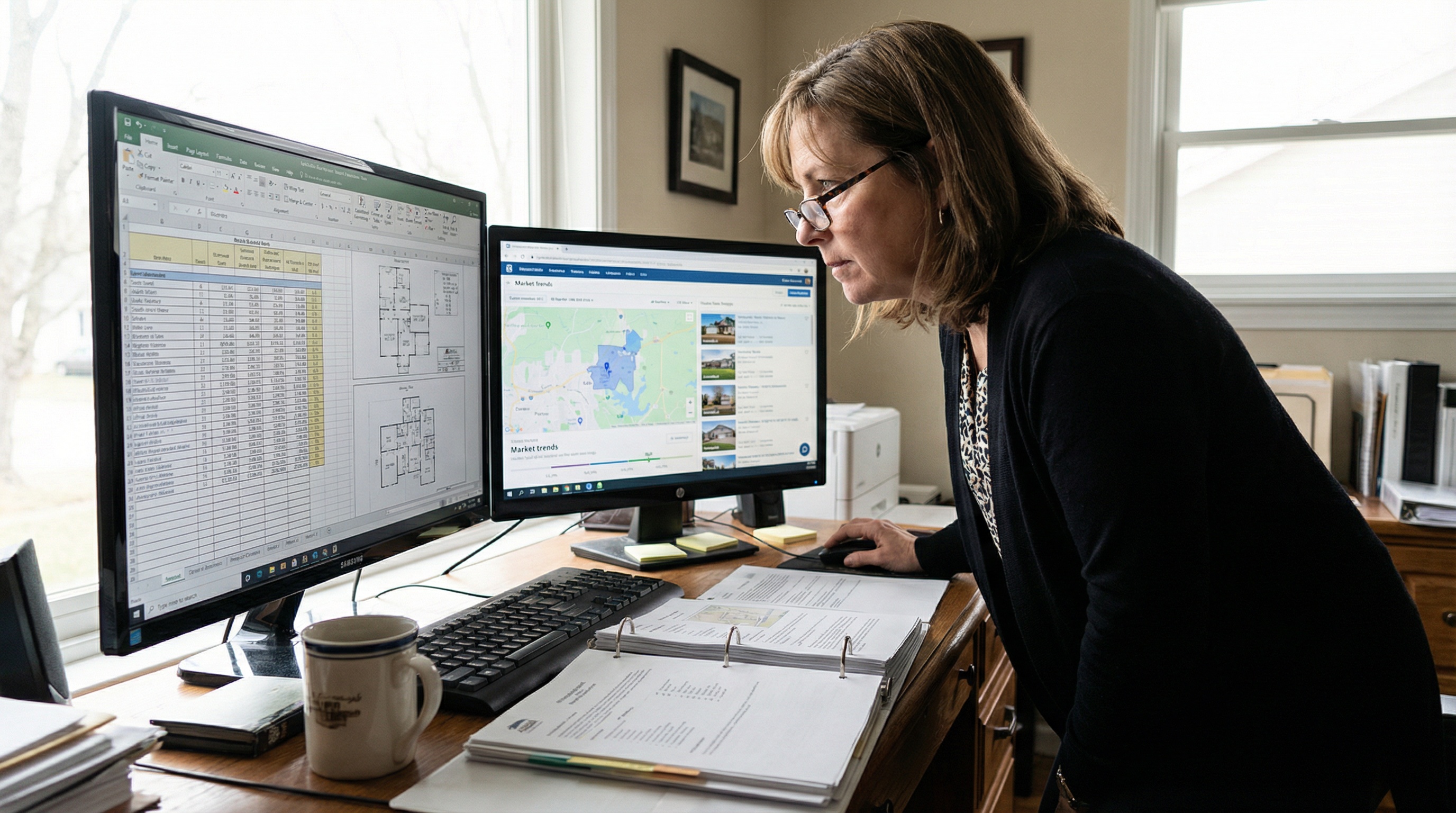
Lab equipment appraisal costs vary significantly based on several factors, but understanding typical pricing helps you budget appropriately and identify potential red flags.
Most qualified appraisers use hourly rates ranging from $150 to $400 per hour, depending on their credentials and the complexity of your equipment. Some offer fixed project fees for straightforward assignments. Be cautious of quotes that seem unusually low, as they often indicate corners will be cut or the appraiser lacks proper qualifications.
Key cost drivers include the number of assets, equipment complexity, geographic location, inspection requirements, and project timeline. Rush jobs typically cost more, and multiple locations increase travel expenses. The appraisal's intended use also affects cost, as IRS or litigation work requires more detailed documentation than internal planning purposes. For more insight into pricing, check out the cost of a lab equipment appraisal: is it worth it.
Pro Tip: The cheapest quote rarely delivers the most value. A defensible appraisal that meets professional standards protects you from much larger potential losses than the difference between low and high bids.
Effective communication starts with a clear scope of work. Provide detailed equipment lists, purchase documentation, and explain the appraisal's intended use upfront. This helps your appraiser deliver exactly what you need while avoiding costly scope creep or revisions.
Establish realistic timelines that allow for proper research and analysis. Quality appraisals typically take one to three weeks depending on complexity, and rushing the process often compromises accuracy. Stay available for questions during the process, as your appraiser may need additional technical information or clarification about equipment modifications. To maximize your preparation, review how to prepare for a lab equipment appraisal before the process begins.
Working with a qualified lab equipment appraiser protects your interests whether you're securing insurance coverage, completing business transactions, or meeting regulatory requirements. The investment in proper credentials and expertise pays dividends when you need your appraisal to withstand scrutiny and deliver the results you expect. Understanding the benefits of having an accurate lab equipment appraisal can help you appreciate the long-term value of choosing the right professional.
AppraiseItNow provides USPAP-compliant lab equipment appraisals nationwide, with certified appraisers who specialize in medical and scientific equipment. Our reports are accepted by courts, insurers, and the IRS, giving you confidence in your valuation needs.
A qualified lab equipment appraiser should hold professional designations from recognized organizations like the American Society of Appraisers (ASA) or American Medical Equipment Appraisers (AMEA), maintain current USPAP training, and have specific experience appraising laboratory and medical equipment. They should also demonstrate knowledge of your equipment type and the intended use of the appraisal.
Lab equipment appraisal costs typically range from $150 to $400 per hour, depending on the appraiser's credentials and equipment complexity. Key cost drivers include the number of assets, equipment sophistication, geographic location, inspection requirements, and project timeline. Fixed project fees are also available for straightforward assignments.
USPAP compliance ensures your appraisal meets nationally recognized ethical and performance standards, making it more likely to be accepted by courts, the IRS, insurance companies, and lending institutions. This compliance reduces the risk of challenges during audits, litigation, or financing and ensures transparent documentation of methods and conclusions.
Verify credentials by checking the appraiser's membership status directly with organizations like ASA or AMEA through their online directories. Confirm their USPAP training is current, request sample reports or case studies, and ask for references from previous clients. Also verify they carry professional liability insurance and have experience with your specific equipment type.




