If you're managing a laboratory and need to determine the value of your equipment, you're probably wondering about the cost of a professional appraisal and whether it's worth the investment. Lab equipment appraisals typically range from $500 for simple, single-asset evaluations to $15,000 or more for complex, multi-site inventories requiring extensive documentation.
The short answer is that lab equipment appraisals are often worth the cost when you need defensible valuations for insurance claims, financing, tax reporting, or legal proceedings. Unlike general equipment, laboratory instruments require specialized knowledge due to their technical complexity, rapid obsolescence, and niche markets.
Key Insight: Lab equipment appraisals cost 20-40% more than general equipment appraisals due to the specialized expertise required and limited comparable sales data available.
This guide will walk you through the actual costs you can expect, what drives those prices, how the appraisal process works, and when the investment pays off. Whether you're facing an insurance review, seeking financing, or planning an equipment sale, understanding these factors will help you make an informed decision. For additional guidance, check out our 10 essential tips for getting an accurate lab equipment appraisal.
Several factors significantly impact the cost of your lab equipment appraisal, and understanding these can help you budget appropriately and potentially reduce expenses.
The number and complexity of assets represents the biggest cost driver. A single benchtop analyzer might cost $500-800 to appraise, while a full laboratory with 200+ instruments across multiple locations could run $8,000-15,000. Complex integrated systems, custom configurations, and specialized software add both time and expertise requirements.
Geographic factors also matter considerably. If your equipment is spread across multiple facilities or located in remote areas, expect travel costs and additional time charges. Many appraisers charge $150-300 per day for travel plus expenses, which can add $1,000-3,000 to multi-site projects.

The intended use of your appraisal affects both depth and cost. Insurance appraisals for coverage purposes typically cost less than litigation-support appraisals requiring expert witness testimony. IRS-compliant appraisals for charitable donations need extensive documentation, increasing both time and fees.
Turnaround time directly impacts pricing. Standard appraisals taking 2-3 weeks cost significantly less than rush jobs requiring completion within days. If you need results quickly, expect to pay 25-50% more than standard rates.
The lab equipment appraisal process follows a structured approach designed to meet professional standards while addressing the unique challenges of scientific instrumentation. Understanding the basics of laboratory equipment appraisal can help you prepare for what's ahead.
Your appraiser begins by defining the scope and purpose of the assignment. This includes identifying which assets need valuation, the intended use of the appraisal, and the appropriate standard of value. Fair market value works for most purposes, while liquidation value might be needed for bankruptcy or forced sale situations.
Asset documentation comes next, where you'll provide equipment lists, serial numbers, purchase records, and maintenance histories. The more complete your documentation, the faster and less expensive the process becomes. Missing information requires additional research time that increases costs.
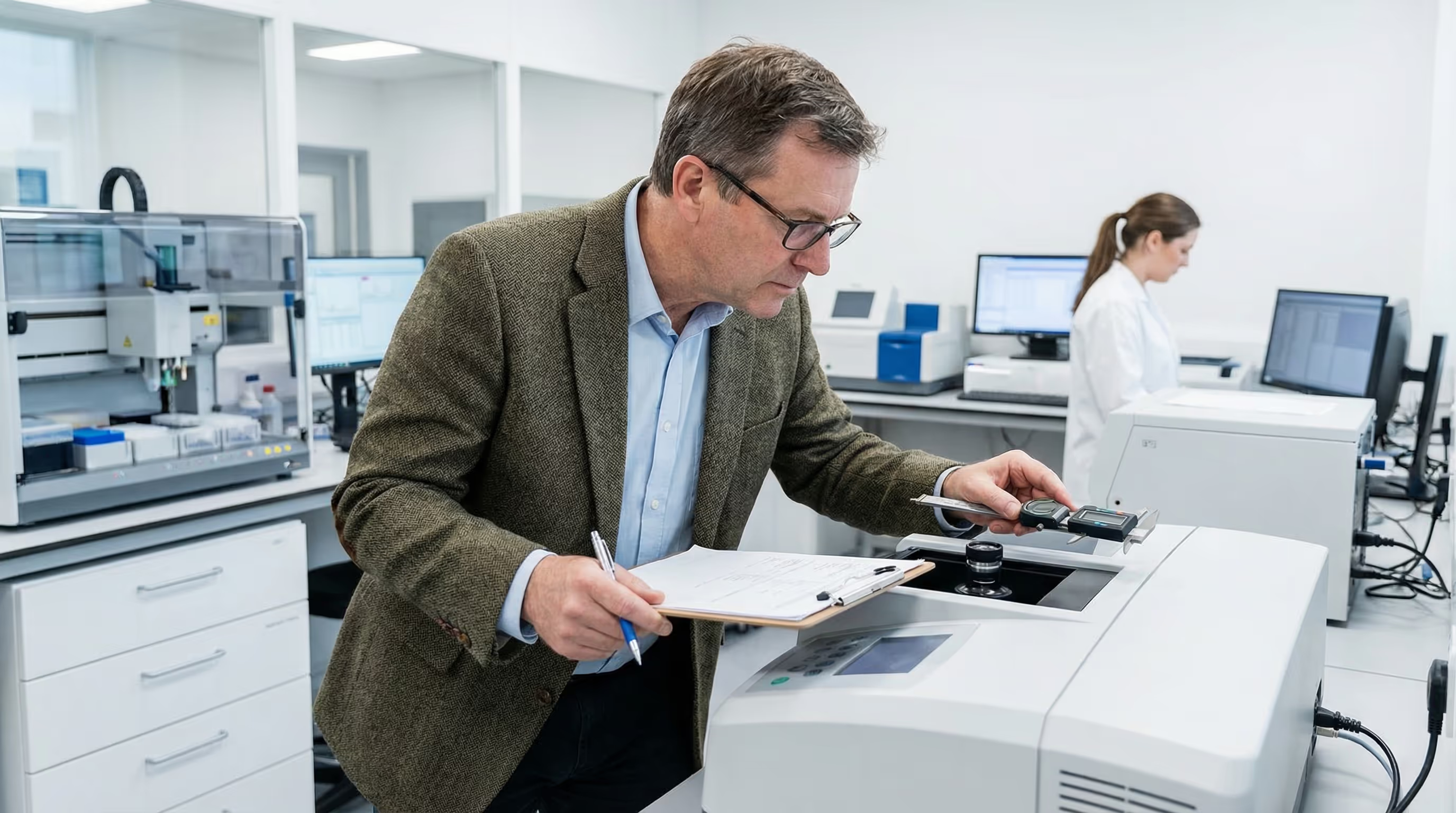
The site inspection represents the most critical phase. Your appraiser will examine each piece of equipment, assess its condition, verify specifications, and photograph everything for documentation. This typically takes 4-8 hours for smaller labs or several days for major facilities.
Pro Tip: Preparing a detailed asset list with serial numbers, purchase dates, and current condition notes can reduce your appraisal cost by 15-25% by streamlining the inspection process.
Market analysis follows, where the appraiser researches comparable sales, replacement costs, and market conditions. Lab equipment presents unique challenges here due to limited transaction data and rapidly evolving technology. This research phase often takes longer than with general equipment.
The final report compilation includes detailed descriptions, photographs, market analysis, and value conclusions. USPAP-compliant reports required for legal or tax purposes include extensive supporting documentation, while internal planning reports can be more streamlined. To avoid pitfalls, review our guide on common mistakes to avoid during lab equipment appraisal.
Understanding the return on investment helps determine whether an appraisal makes financial sense for your situation. In many cases, the cost of the appraisal is minimal compared to potential losses from inadequate valuation.
Insurance scenarios often provide the clearest ROI. If your lab equipment is underinsured and you suffer a loss, you might recover only a fraction of replacement costs. A $2,000 appraisal that identifies $500,000 in underinsured equipment value could save you hundreds of thousands in a claim situation.
Financing and collateral situations also justify appraisal costs. Banks and lenders require professional valuations for equipment-secured loans. An accurate appraisal might help you secure better terms or higher loan amounts, easily offsetting the appraisal fee through improved financing conditions.

Tax and donation scenarios present significant opportunities. If you're donating lab equipment to charity, an IRS-qualified appraisal is required for deductions over $5,000. The tax savings often exceed the appraisal cost by substantial margins, especially for high-value equipment donations.
Buy-sell transactions benefit enormously from professional valuations. Whether you're acquiring a lab or selling surplus equipment, knowing accurate values prevents costly mistakes. A $3,000 appraisal might reveal that equipment you planned to sell for $50,000 is actually worth $80,000. Learn more about determining the fair market value for lab equipment.
Estate and legal situations require defensible valuations that can withstand scrutiny. The cost of disputes, litigation, or IRS challenges far exceeds typical appraisal fees. Professional appraisals provide the documentation needed to support your position.
Selecting a qualified appraiser directly impacts both the cost and value of your appraisal. The right choice ensures accurate results while avoiding costly mistakes or challenges to your valuation. Our comprehensive article on how to choose the right appraiser for laboratory equipment appraisal provides detailed selection criteria.
Professional credentials matter significantly in this specialized field. Look for appraisers with ASA, ISA, or AMEA designations who specifically mention laboratory and scientific equipment experience. USPAP compliance is mandatory for any appraisal used for legal, tax, or lending purposes.
Industry experience with lab equipment is crucial. General machinery appraisers might charge less, but they often lack the specialized knowledge needed for accurate scientific instrument valuation. This can lead to significant errors that cost far more than the savings on appraisal fees.
Project SizeTypical Cost RangeTimelineBest ForSmall (1-20 items)$500-$2,5003-7 daysInsurance, single labMedium (20-100 items)$2,500-$7,5001-2 weeksFinancing, acquisitionsLarge (100+ items)$7,500-$15,000+2-4 weeksMulti-site, litigation
References and sample reports help evaluate quality and approach. Ask potential appraisers for examples of similar lab equipment assignments and references from clients with comparable needs. This reveals their actual experience level and report quality.
Geographic coverage and travel policies affect total costs. Local appraisers might charge less for the appraisal itself but add significant travel expenses for distant locations. National firms often have better coverage and more predictable pricing structures.
Important Note: The cheapest appraiser is rarely the best value when dealing with complex lab equipment that requires specialized expertise and defensible valuations.
Professional lab equipment appraisals represent a smart investment when you need accurate, defensible valuations for insurance, financing, legal, or tax purposes. While costs range from hundreds to thousands of dollars depending on scope and complexity, the protection and opportunities they provide typically far exceed the expense.
The key is matching your appraiser's expertise to your specific needs and timeline. By understanding the factors that drive costs and the situations where appraisals pay for themselves, you can make an informed decision that protects your interests and maximizes your equipment's value. For practical preparation advice, see our 5 tips for a successful lab equipment appraisal.
Ready to get started? Contact AppraiseItNow for a free consultation and quote on your lab equipment appraisal needs. Our USPAP-certified appraisers specialize in scientific instrumentation and provide nationwide coverage with competitive pricing and fast turnaround times.
Lab equipment appraisals typically range from $500 for simple, single-asset evaluations to $15,000 or more for complex, multi-site inventories. The cost depends on factors like the number of instruments, their technical complexity, whether on-site inspection is required, and the intended use of the appraisal. Most small to medium-sized lab appraisals fall in the $2,500-$7,500 range.
The primary cost drivers include the number and complexity of assets, geographic location and travel requirements, the intended use of the appraisal (insurance vs. litigation), turnaround time needed, and the level of documentation required. Lab equipment costs 20-40% more to appraise than general equipment due to specialized expertise requirements and limited comparable sales data.
Yes, lab equipment appraisals often pay for themselves when you need defensible valuations for insurance claims, financing, tax reporting, or legal proceedings. The cost is typically minimal compared to potential losses from underinsured equipment, failed transactions, or disputed valuations. A $2,000 appraisal could prevent hundreds of thousands in losses during an insurance claim.
You can reduce costs by preparing a detailed asset list with serial numbers and purchase dates in advance, providing complete maintenance records, consolidating similar equipment, and allowing adequate time for completion. Having organized documentation can reduce appraisal costs by 15-25% by streamlining the inspection and research process.