When your laboratory equipment gets damaged, stolen, or needs to be valued for a business transaction, you quickly discover that replacement costs can be dramatically higher than what's on your books. A laboratory equipment appraisal provides a formal, documented opinion of value for your lab assets, prepared by a qualified professional following industry standards.
This guide is designed for lab managers, CFOs, practice owners, universities, biotech companies, and research organizations who need accurate valuations for insurance coverage, financing decisions, mergers and acquisitions, tax reporting, or regulatory compliance. You'll learn what an appraisal includes, different value types, typical timelines and costs, and how to select the right appraiser for your specific needs.
Quick Answer: A laboratory equipment appraisal is a USPAP-compliant professional assessment that determines fair market value, replacement cost, or liquidation value of lab assets for insurance, financing, tax, or business transaction purposes.
What is a laboratory equipment appraisal?
A laboratory equipment appraisal is a formal assessment that provides an independent, third-party opinion of value for laboratory assets. Unlike informal estimates or vendor quotes, these appraisals follow the Uniform Standards of Professional Appraisal Practice (USPAP) and produce defensible reports accepted by insurers, courts, and tax authorities.
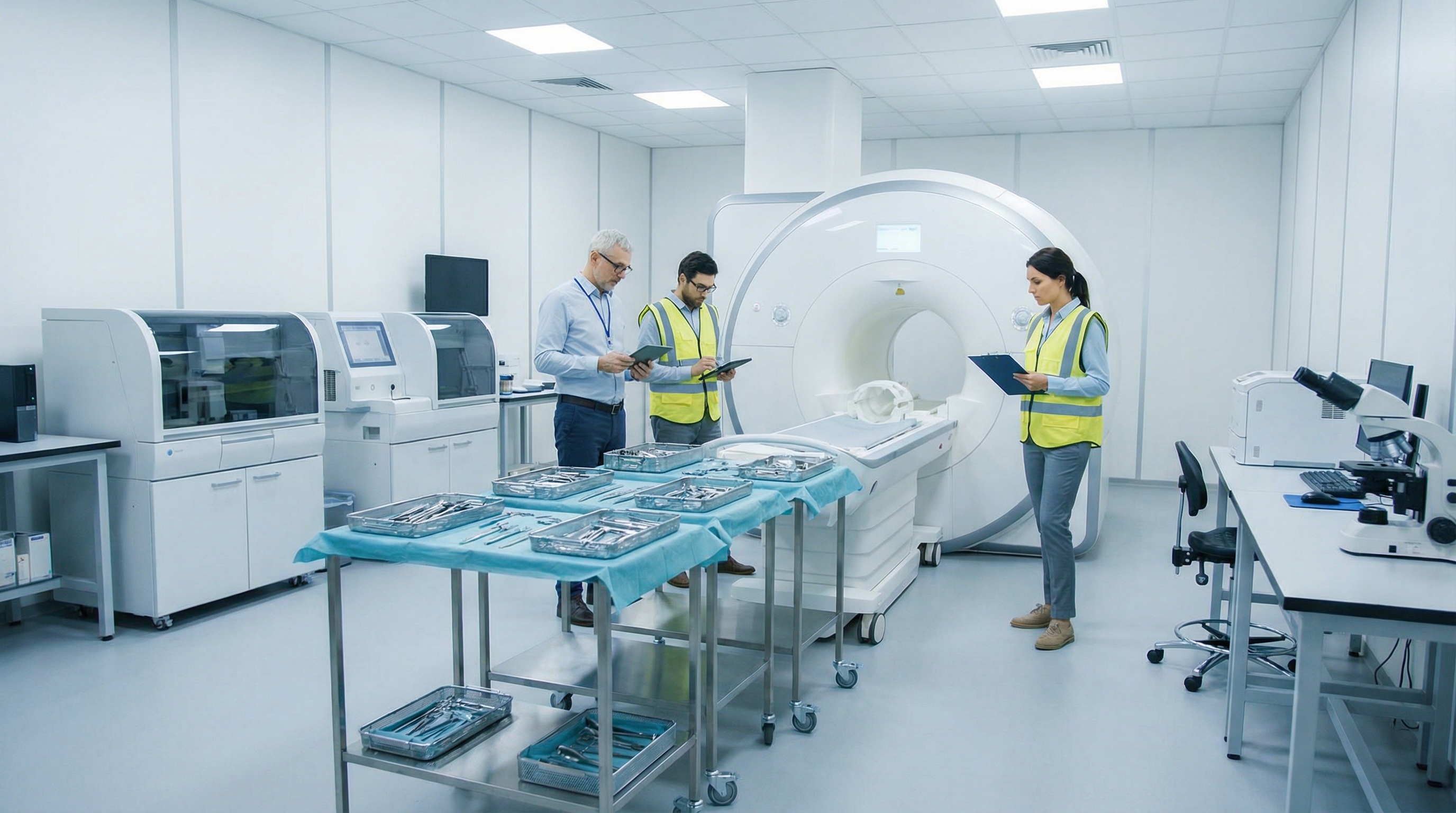
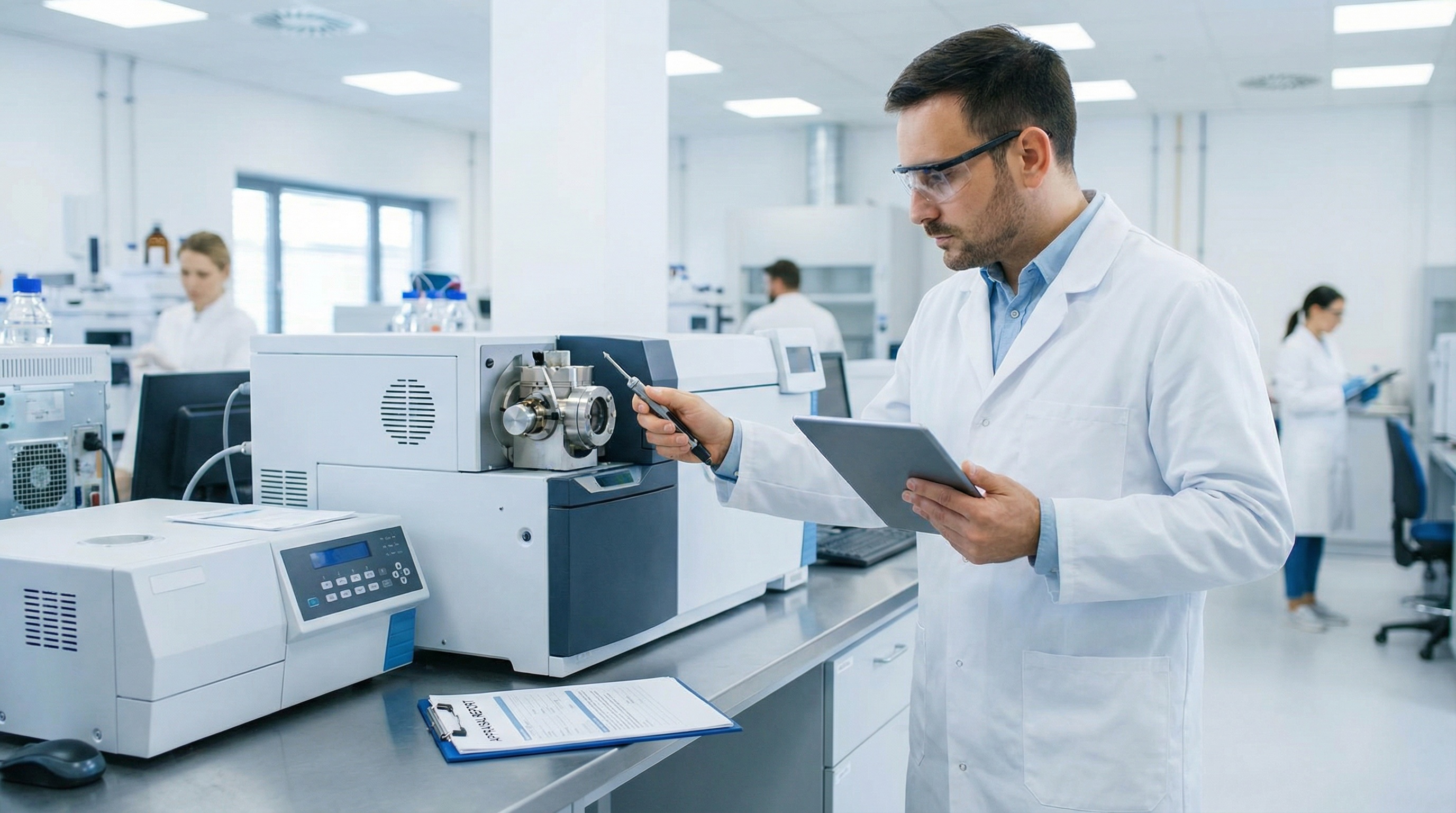
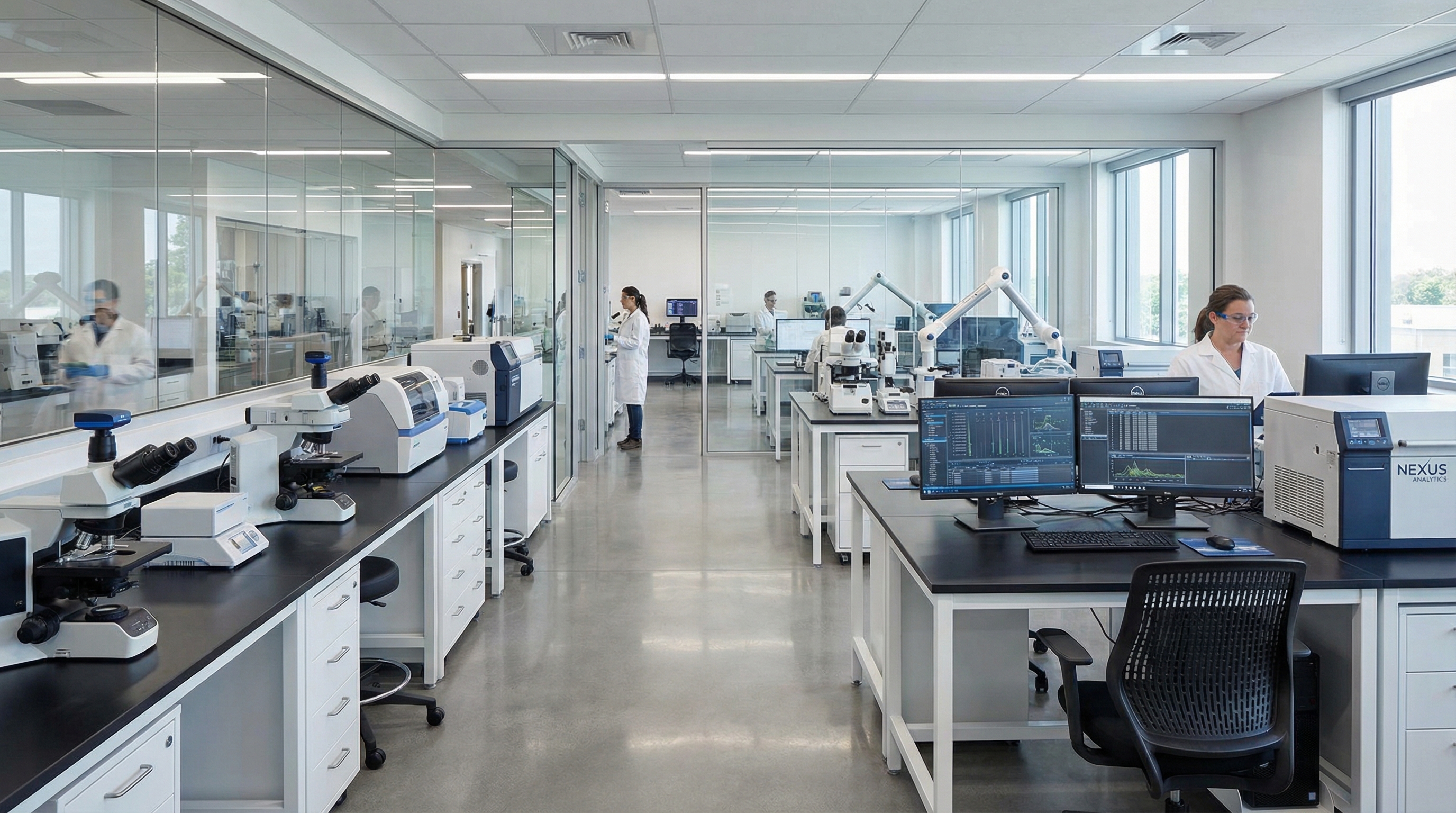
The appraisal covers various types of lab equipment including analytical instruments, microscopes, biosafety cabinets, centrifuges, incubators, freezers, chromatography systems, imaging equipment, and related computers or software. The final deliverable is typically a narrative report containing detailed asset lists, valuation methods, key assumptions, and value conclusions for each item or equipment group.
What sets professional appraisals apart is their independence and adherence to recognized standards. The appraiser has no financial interest in the equipment's value, unlike equipment dealers who might provide inflated estimates to facilitate sales.

When do you need a laboratory equipment appraisal?
Understanding when to commission an appraisal can save you from costly mistakes down the road. Here are the most common scenarios where professional valuations become essential.
Insurance and risk management represents the most frequent need. When establishing new coverage, verifying policy limits, or filing claims after equipment damage or theft, insurers often require professional appraisals to determine appropriate coverage amounts or settlement values.
Financing and lending situations frequently trigger appraisal requirements. Banks and equipment financing companies need accurate collateral valuations before approving loans. Similarly, when refinancing or restructuring debt, lenders want current market values to assess their security position.
Business transactions including mergers, acquisitions, and sales rely heavily on equipment appraisals for business valuations. These valuations help allocate purchase prices, support due diligence efforts, and provide negotiation benchmarks for deal terms.
Reality Check: A research facility discovered their $2 million lab setup would cost $3.8 million to replace after a fire, but their insurance only covered book value of $1.4 million. A professional appraisal beforehand could have prevented this $2.4 million shortfall.
Tax and regulatory compliance creates another category of appraisal needs. This includes charitable donation valuations, estate and gift tax reporting, fixed asset management, and audit support when regulators or auditors question asset valuations.
Key value types in lab equipment appraisal
Different situations require different value standards, and understanding these distinctions helps ensure you get the right type of appraisal for your specific needs.
Fair market value (FMV) represents the most common standard, defined as the price equipment would sell for between willing parties in an open market. This standard typically applies to tax reporting, charitable donations, and many business transactions.
Replacement cost focuses on what you'd pay to acquire equivalent equipment today. This includes replacement cost new (RCN) for brand-new equivalent items, and replacement cost new less depreciation (RCNLD) which accounts for age and wear. Insurance coverage decisions often rely on replacement cost valuations.
Liquidation values estimate recovery amounts when equipment must be sold. Orderly liquidation value assumes a reasonable marketing period, while forced sale value reflects quick-sale scenarios like auctions or bankruptcy situations.
The table below shows how different purposes typically align with specific value standards:
| Purpose | Typical Value Standard | Common Stakeholders |
|---|---|---|
| Insurance coverage | Replacement cost new/RCNLD | Insurer, risk manager |
| Charitable donation | Fair market value | Donor, CPA, IRS |
| Business sale/M&A | Fair market value | Buyer, seller, auditor |
| Loan collateral | Fair market value/OLV | Lender, borrower |
| Liquidation planning | Orderly liquidation value | Trustee, creditor |
How appraisers determine laboratory equipment value
Professional appraisers use systematic approaches to ensure accurate and defensible valuations. The process combines multiple methodologies with careful analysis of equipment-specific factors.
Market approach involves comparing your equipment to recent sales or current listings of similar items. Appraisers research auction results, dealer transactions, and online marketplaces to establish pricing benchmarks. This approach works best when comparable sales data exists for your specific equipment types.
Cost approach calculates current replacement costs and adjusts for depreciation based on age, condition, and obsolescence. This method proves particularly valuable for newer equipment or items with limited resale markets.
Several key factors influence the final valuation. Equipment type and application matter significantly - clinical-grade instruments typically hold value better than research-only equipment. Brand reputation, model specifications, and technical capabilities all impact marketability and pricing.
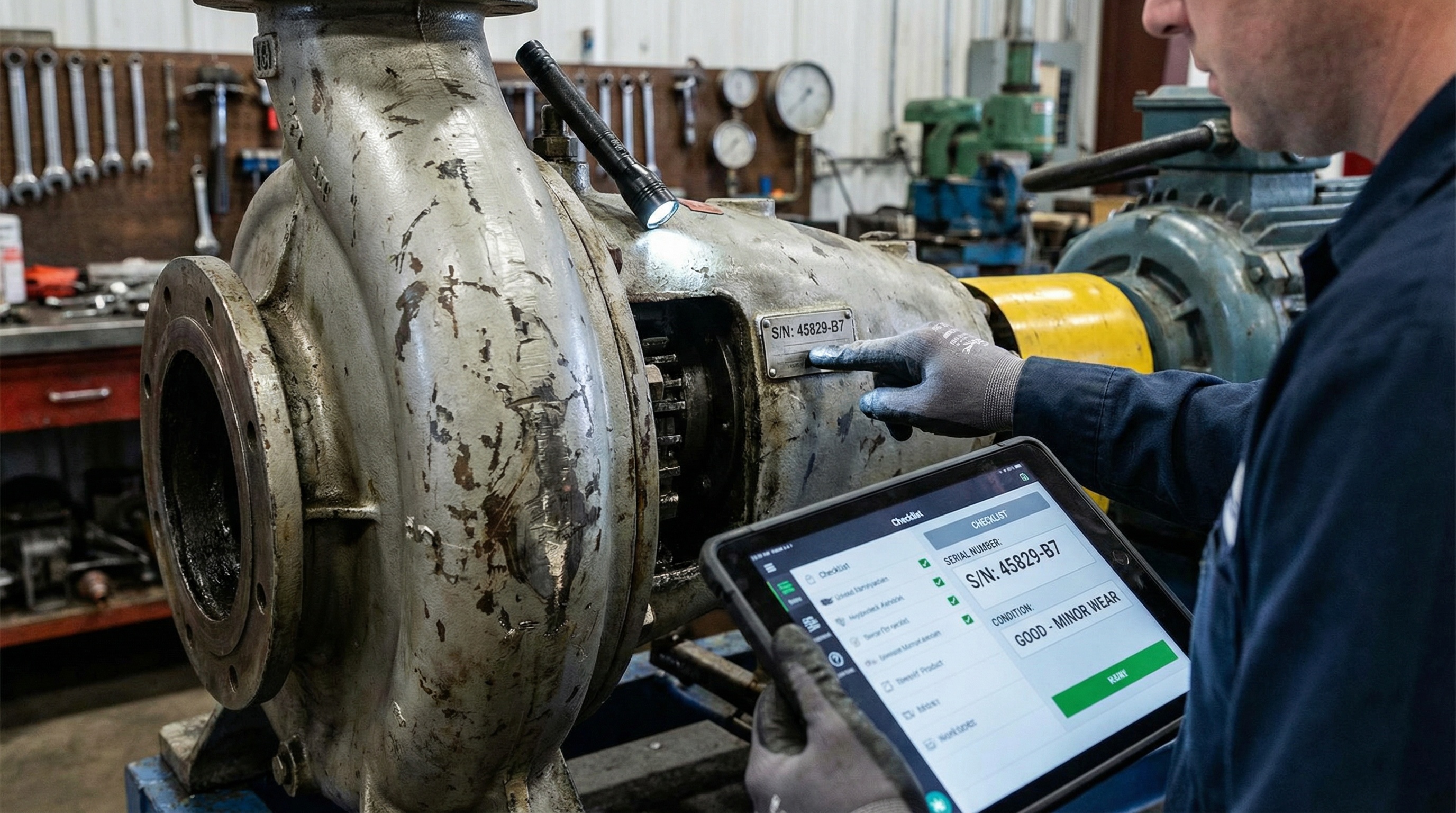
Age and remaining useful life play crucial roles, but condition often matters more than chronological age. Well-maintained older equipment may be worth more than neglected newer items. Appraisers evaluate physical condition, calibration status, maintenance history, and software currency.
Market demand and supply dynamics affect values substantially. Equipment in high demand with limited supply commands premium pricing, while oversupplied markets depress values. Regulatory compliance status also matters - equipment that meets current standards maintains higher value than obsolete items requiring costly upgrades.
Choosing the right laboratory equipment appraiser
Selecting a qualified appraiser ensures you receive credible valuations that withstand scrutiny from insurers, auditors, and other stakeholders. Several key criteria should guide your selection process.
Professional credentials provide the foundation for appraiser competency. Look for designations from recognized organizations like the American Society of Appraisers (ASA), International Society of Appraisers (ISA), or American Association of Equipment Appraisers (AMEA). USPAP compliance and ongoing education requirements demonstrate commitment to professional standards.
Relevant experience matters tremendously in specialized equipment appraisal. Seek appraisers with specific laboratory, medical, biotech, or industrial equipment experience rather than general personal property appraisers. Ask about their familiarity with your particular equipment types and industry applications.
When interviewing potential appraisers, ask about their experience with your specific use case. Insurance appraisals require different approaches than tax valuations or litigation support. Request sample reports or references where appropriate to evaluate their work quality and attention to detail. For guidance on what questions to ask, review our essential questions for laboratory equipment appraisers.
Red Flag Warning: Avoid appraisers who lack independence, such as equipment dealers valuing their own inventory, or those who won't provide written reports following recognized professional standards.
Report quality and acceptance should factor heavily into your decision. Verify that the appraiser's reports are accepted by your intended audience - whether insurers, courts, tax authorities, or auditors. Ask about their report format, level of detail, and compliance with relevant standards.
Professional laboratory equipment appraisals provide essential protection for your valuable assets while supporting informed business decisions. Whether you need coverage verification, financing support, or transaction assistance, working with qualified appraisers ensures you receive defensible valuations that protect your interests.
Understanding the benefits of having an accurate lab equipment appraisal can help you avoid costly mistakes and ensure proper asset protection. Before scheduling your appraisal, familiarize yourself with how to prepare for a lab equipment appraisal to streamline the process and ensure accurate results. Additionally, knowing what to expect during a lab equipment appraisal will help you work more effectively with your chosen appraiser.
At AppraiseItNow, our IRS-qualified, USPAP-compliant appraisers specialize in laboratory equipment valuations with nationwide coverage and flexible onsite or remote service options. Our reports are accepted by over 10,000 organizations including major insurers, courts, and regulatory agencies. Contact us today to discuss your laboratory equipment appraisal needs and receive a customized quote for your specific requirements.