Critical Mistakes to Avoid During Lab Equipment Appraisal

Last Updated on Sep 26, 2025
Originally Published on Sep 26, 2025
Thank you! Your submission has been received!
Oops! Something went wrong while submitting the form.
Nationwide Service
Onsite or Online
USPAP-Compliant
IRS Qualified
DEFENSIBLE, USPAP-COMPLIANT APPRAISAL REPORTS — ACCEPTED BY 10,000+ ORGANIZATIONS
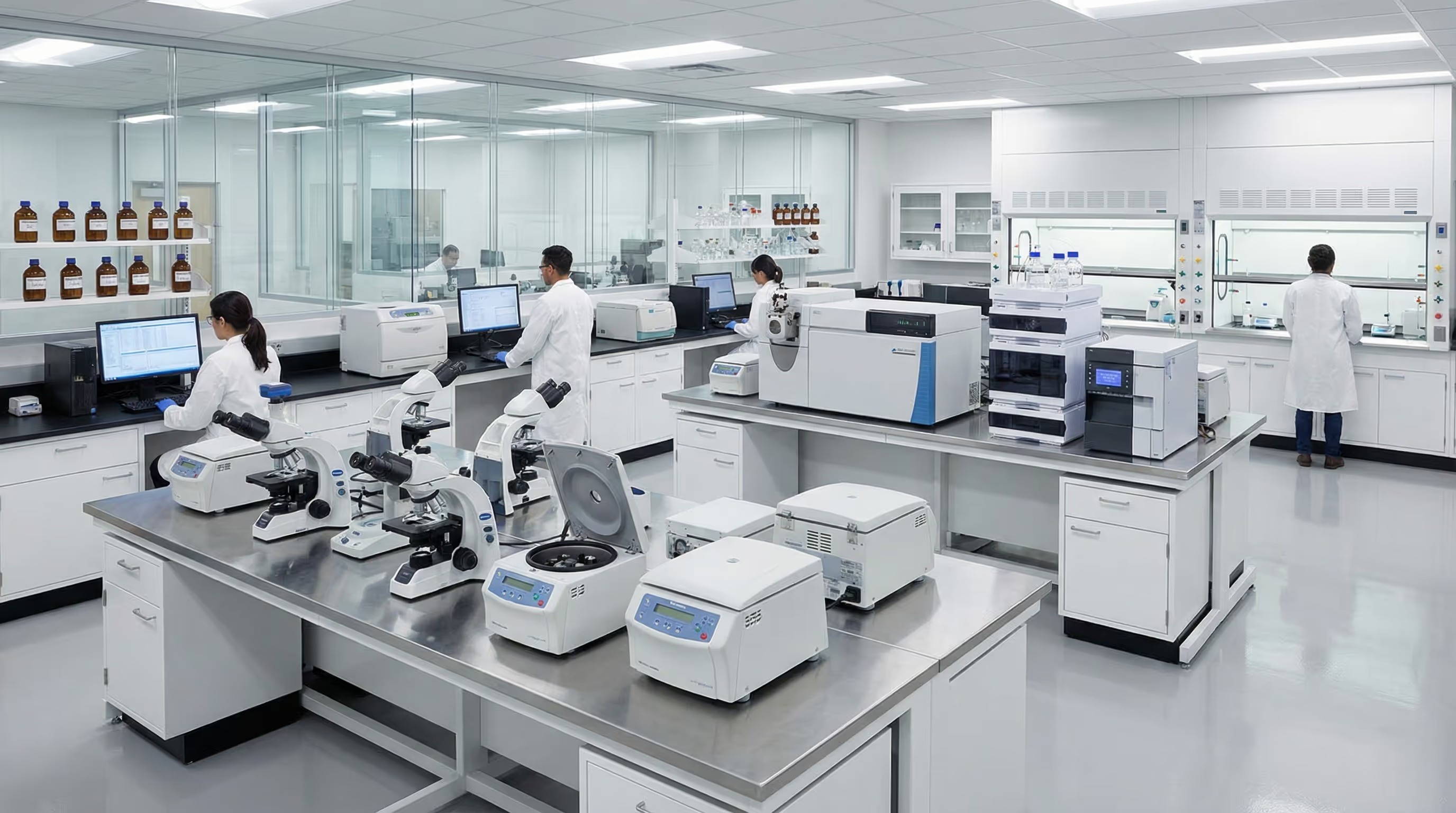
Modern laboratory with various scientific equipment and instruments

When a biotech startup recently lost a $2 million loan approval because their lab equipment appraisal was rejected by the bank, it highlighted a costly reality: mistakes during lab equipment appraisals can have serious financial consequences. Whether you're securing financing, managing insurance coverage, or preparing for a merger, getting your lab equipment valuation right is crucial.

Lab equipment appraisal is the professional assessment of scientific and medical equipment to establish fair market value for specific purposes like financing, insurance, or tax compliance. The process requires USPAP-compliant methodology and specialized knowledge of laboratory markets. However, many lab owners make preventable mistakes that lead to inaccurate valuations, rejected reports, or financial losses.

Key Insight: A properly executed lab equipment appraisal can mean the difference between securing that critical loan or facing unexpected insurance gaps when you need coverage most.

This guide will walk you through the most critical mistakes to avoid and show you how to ensure your next appraisal delivers defensible, accurate results.

Understanding what makes lab equipment appraisals unique

Lab equipment appraisals differ significantly from standard business equipment valuations. Your analytical instruments, imaging systems, and specialized research tools require appraisers who understand scientific markets, regulatory requirements, and the rapid pace of technological change in laboratory settings.

The three main valuation approaches each serve different purposes. The cost approach works well for newer equipment with limited market data, calculating replacement cost minus depreciation. The market approach relies on recent sales of comparable equipment, adjusting for condition and specifications. The income approach applies when equipment generates identifiable revenue, though this is less common in research settings.

Understanding these approaches helps you recognize when an appraiser is taking shortcuts or using inappropriate methods for your specific situation. For a deeper dive into understanding the value of laboratory equipment, consider how different valuation methodologies apply to your specific instruments.

Choosing the wrong appraiser credentials and expertise

Professional appraiser examining laboratory equipment with clipboard

The biggest mistake you can make is hiring an appraiser without proper lab equipment expertise. Generic business appraisers often miss critical factors like calibration requirements, regulatory compliance, and vendor support that significantly impact value.

Look for certified machinery and equipment appraisers with documented lab experience. They should hold credentials from recognized organizations like ASA, AMEA, or similar bodies, and their reports must be USPAP-compliant for acceptance by banks, courts, and the IRS.

Ask potential appraisers specific questions about their lab equipment experience. Have they appraised your type of instruments before? Do they understand the secondary markets for analytical equipment? Can they provide sample reports that demonstrate their methodology? When selecting a professional appraiser for lab equipment, these credentials become critical differentiators.

A qualified appraiser will also have access to specialized databases and dealer networks that provide accurate comparable sales data, not just online asking prices that can be misleading.

Documentation and inventory preparation mistakes

Poor documentation is perhaps the most common mistake that undermines appraisal accuracy. Missing serial numbers, incomplete maintenance records, or disorganized asset lists force appraisers to make conservative assumptions that often result in lower valuations.

Before your appraisal begins, compile comprehensive records for each piece of equipment. This includes purchase invoices, maintenance logs, calibration certificates, validation reports, and recent photographs. For software-dependent equipment, document license details and version information.

Pro Tip: Organized documentation can reduce appraisal time by 30-40% and significantly improve accuracy, as appraisers can focus on analysis rather than data gathering.

Create a structured inventory with standardized fields: asset ID, manufacturer, model, serial number, purchase date, current location, and condition notes. This systematic approach prevents omissions and ensures consistent data quality across your entire equipment portfolio. Learn more about how to prepare for a lab equipment appraisal to maximize your valuation results.

Don't forget about installation and removal considerations. Large integrated systems may have significant decommissioning costs that affect their economic value, especially in regulated environments requiring decontamination or validation.

Valuation methodology and market data errors

Many appraisals fail because they rely on inappropriate valuation methods or poor market data. Using online asking prices as market value is a classic mistake, as these often represent wishful thinking rather than realistic sale prices.

Professional appraisers adjust comparable sales for differences in age, condition, configuration, and warranty coverage. They also consider factors like technological obsolescence, which can be severe in rapidly evolving fields like genomics or mass spectrometry.

Comparison chart showing different laboratory equipment values

The table below shows how different factors can significantly impact equipment values:

FactorImpact on ValueExampleCalibration Status+15% to -25%Recently calibrated vs. overdueVendor Support+20% to -40%Active support vs. discontinuedMarket Demand+30% to -50%High-demand vs. saturated markets

Another common error is ignoring the purpose of the appraisal when selecting valuation standards. Fair market value for insurance differs from forced liquidation value for bankruptcy proceedings. Using the wrong standard can result in materially different numbers and potentially unusable reports. Understanding the basics of laboratory equipment appraisal helps you recognize these critical distinctions.

Compliance and reporting standards oversights

The final category of critical mistakes involves compliance and reporting standards. For IRS-related purposes, appraisals must meet specific qualified appraiser requirements and include proper certification statements. Bank financing often requires USPAP-compliant reports with detailed methodology explanations.

Many appraisals fail audit scrutiny because they lack supporting schedules, clear photographs, or adequate explanation of valuation methods. In litigation contexts, these deficiencies can render an otherwise accurate appraisal inadmissible.

Important: For charitable donations over $5,000, the IRS requires appraisals from qualified appraisers who meet specific education and experience requirements, not just any valuation professional.

Ensure your appraiser understands the intended use of your appraisal and can deliver reports that meet the relevant standards. This includes proper formatting, required disclosures, and supporting documentation that will withstand professional review. For those dealing with similar equipment valuation challenges, explore common questions about medical equipment appraisals which share many of the same compliance requirements.

Getting your lab equipment appraisal right the first time protects your investment and supports critical business decisions. By avoiding these common mistakes and working with qualified professionals, you ensure accurate valuations that serve your specific needs. Whether you're securing financing, managing insurance, or planning for growth, a properly executed appraisal becomes a strategic asset rather than just a compliance requirement. Review our 10 essential tips for getting an accurate lab equipment appraisal to further strengthen your appraisal preparation.

At AppraiseItNow, we specialize in USPAP-compliant lab equipment appraisals with the expertise and credentials needed for defensible results. Our nationwide service helps labs across all sectors avoid these costly mistakes while delivering the accurate valuations you need for confident decision-making.

FAQ

What is a lab equipment appraisal and when do I need one?

A lab equipment appraisal is a formal assessment of the current value of laboratory instruments, furniture, and related assets performed by a qualified equipment appraiser. You typically need one for insurance coverage, bank financing, mergers and acquisitions, tax compliance, estate planning, or legal proceedings. The appraisal establishes fair market value through inspection of each item's condition, specifications, and comparison to current market data.

What are the most common mistakes that lead to inaccurate lab equipment appraisals?

The most common mistakes include hiring a non-specialized appraiser without lab equipment expertise, providing incomplete equipment inventories with missing serial numbers or accessories, failing to gather maintenance and calibration records, using outdated market data, and not clearly defining the appraisal's purpose and scope. These errors often result in undervalued assets, rejected reports by banks or courts, and compliance issues.

How should I prepare my lab for an equipment appraisal?

Create a detailed inventory with model and serial numbers for all equipment, gather purchase invoices and maintenance records, organize calibration certificates and service contracts, label equipment clearly, and take photographs of each item. Ensure equipment is accessible and provide any software license information or validation documentation. This preparation reduces appraisal time and significantly improves accuracy.

What qualifications should I look for in a lab equipment appraiser?

Look for appraisers with specialized laboratory equipment experience who hold recognized credentials from organizations like ASA, AMEA, or similar bodies. They should follow USPAP standards and be able to produce reports accepted by banks, courts, insurers, and tax authorities. Ask about their specific experience with your type of instruments and request sample reports that demonstrate their methodology and compliance standards.

Related Appraisals We Offer

Related Articles

BEST-IN-CLASS APPRAISERS, CREDENTIALED BY: