Lab Equipment Appraisal Guide: Protect Your Assets and Budget with Accurate Valuations

Last Updated on Aug 21, 2025
Originally Published on Aug 21, 2025
Thank you! Your submission has been received!
Oops! Something went wrong while submitting the form.
Nationwide Service
Onsite or Online
USPAP-Compliant
IRS Qualified
DEFENSIBLE, USPAP-COMPLIANT APPRAISAL REPORTS — ACCEPTED BY 10,000+ ORGANIZATIONS
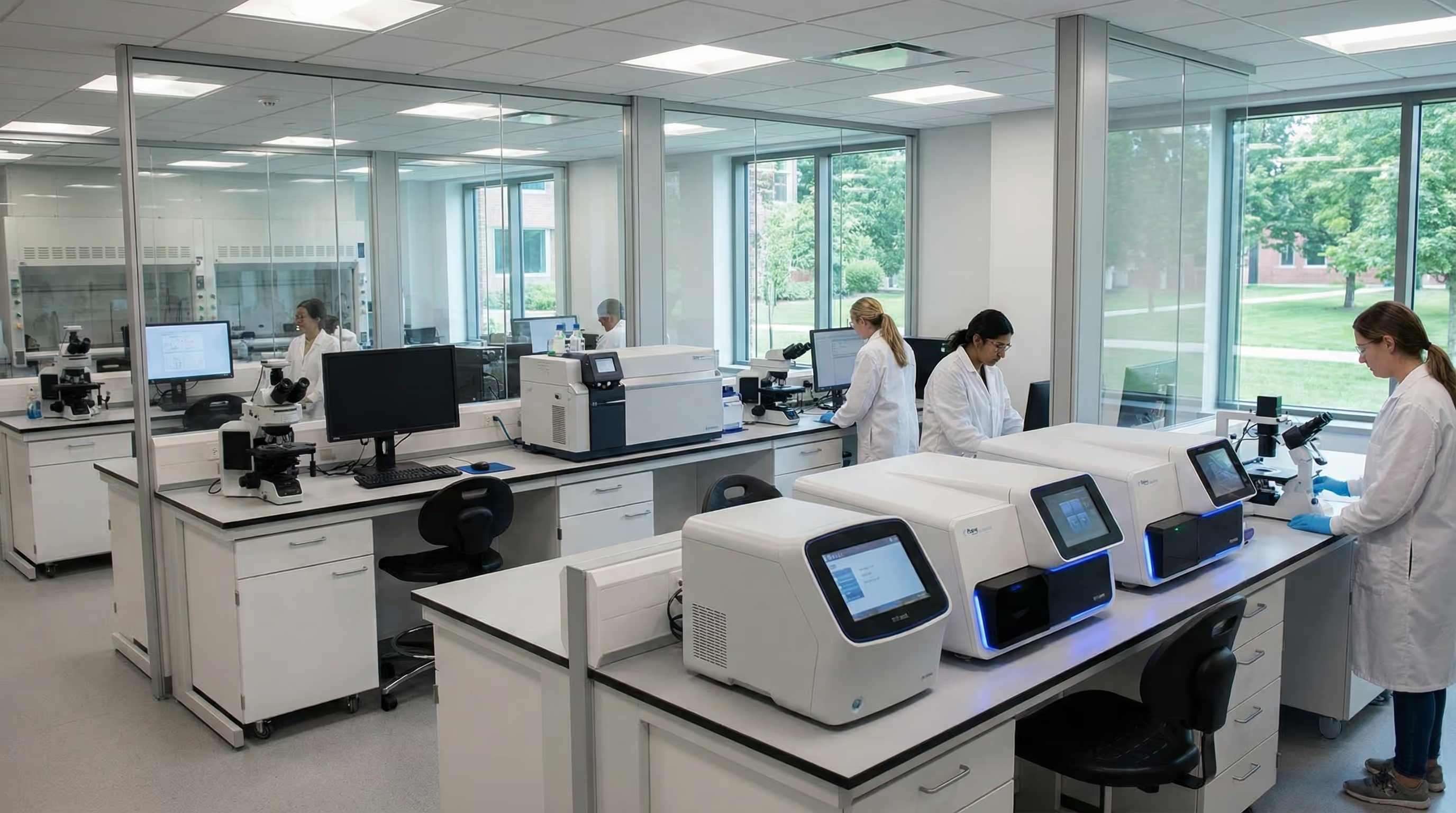
laboratory equipment including microscopes, spectrometers, and analytical instruments in a modern lab setting

If your lab relies on expensive instruments, an outdated or informal "guesstimate" of their value can leave you underinsured, overpaying in a deal, or exposed during an audit. An accurate lab equipment appraisal provides a defensible fair market value assessment that protects your financial interests and ensures compliance with IRS, insurance, and legal requirements.

Quick Answer: A professional lab equipment appraisal typically costs 0.1% to 0.5% of total equipment value and takes 1-2 weeks to complete. Most labs need reappraisals every 3-5 years, or when equipment is bought, sold, or significantly upgraded.

This guide explains when you need an appraisal, what drives equipment value, how the process works, and how to choose an appraiser so your valuations stand up to scrutiny when it matters most.

When you need a lab equipment appraisal

Several business situations require professional equipment valuations. The most common triggers include insurance coverage decisions, where you need accurate replacement values to avoid gaps in protection. Many labs discover they're underinsured only after filing a claim for damaged equipment.

Mergers, acquisitions, and lab sales also demand precise valuations. Whether you're buying or selling, knowing the true market value of equipment helps you negotiate from a position of strength. Similarly, when securing financing or reporting to investors, lenders often require certified appraisals to verify asset values on your balance sheet.

business professionals reviewing financial documents and lab equipment reports

Regulatory compliance creates another category of appraisal needs. IRS audits, grant reporting requirements, and legal disputes all benefit from USPAP-compliant documentation. If you're claiming depreciation on tax returns or justifying equipment purchases with grant funds, having professional valuations provides crucial support.

Important: Equipment donated to charitable organizations requires qualified appraisals for tax deduction purposes when the value exceeds $5,000, according to IRS regulations.

Key benefits of accurate lab equipment appraisals

Professional appraisals deliver financial clarity that improves your capital planning decisions. Instead of guessing whether to repair aging equipment or invest in upgrades, you'll have concrete data showing remaining useful life and current market conditions. Understanding the benefits of laboratory equipment appraisal can help you make more informed decisions about your lab's asset management strategy.

Insurance benefits represent another major advantage. Accurate appraisals ensure you're not paying premiums on inflated values while also preventing dangerous coverage gaps. When equipment is damaged or stolen, having recent professional valuations speeds claim processing and maximizes settlements.

The negotiating power that comes with solid valuation data shouldn't be underestimated. Whether you're buying used equipment, selling surplus instruments, or negotiating with vendors, knowing true market values helps you make confident decisions and avoid costly mistakes.

What determines your lab equipment's value

Equipment condition and age form the foundation of any valuation. Appraisers examine physical wear, functionality, and maintenance history to assess how well equipment has been cared for. Well-maintained instruments with complete service records typically retain more value than neglected equipment.

Brand reputation and model specifications significantly impact market value. Leading manufacturers like Thermo Fisher, Agilent, and Waters command premium prices, while specialized or custom equipment may have limited resale markets. Technology obsolescence also plays a crucial role, particularly for rapidly evolving instruments like DNA sequencers or mass spectrometers. For a deeper understanding of how to determine the fair market value for lab equipment, consider consulting with experienced appraisers.

Value FactorImpact on PriceExamplesBrand reputationHighThermo Fisher vs. unknown manufacturerTechnology ageVery HighCurrent model vs. 10-year-old versionCondition/maintenanceHighCalibrated, serviced vs. neglectedMarket demandMediumPopular models vs. niche equipment

Market conditions and comparable sales data provide the final pieces of the valuation puzzle. Appraisers research recent transactions, auction results, and dealer pricing to establish fair market ranges. Supply and demand dynamics in the secondary market can significantly affect values, especially for discontinued or highly specialized equipment.

Market Insight: Lab equipment typically depreciates 15-25% annually for the first five years, then levels off at 10-15% of original purchase price, though high-demand instruments may retain more value.

How the lab equipment appraisal process works

The appraisal process begins with defining your specific needs and timeline. Different purposes require different types of value, whether that's fair market value for insurance, liquidation value for bankruptcy proceedings, or replacement cost for financial reporting. Clear communication about your goals helps ensure you receive the right type of analysis. To better prepare, review our guide on how to prepare for a lab equipment appraisal.

Data collection and site inspection come next. Appraisers document serial numbers, model information, and physical condition while photographing each piece of equipment. Many appraisals can be completed remotely using detailed photos and video calls, though complex or high-value equipment may require onsite visits.

appraiser documenting lab equipment with tablet and camera in laboratory setting

Market research and analysis form the technical heart of the process. Qualified appraisers access databases of comparable sales, auction results, and dealer pricing to establish value ranges. They also consider factors like local market conditions, equipment availability, and industry trends that might affect values. Learn more about understanding the process of lab equipment appraisal to know what to expect.

The final report compilation includes detailed descriptions, photographs, and value conclusions supported by market data. USPAP-compliant reports meet professional standards and provide the documentation needed for insurance, legal, or financial purposes. Most appraisals are completed within 1-2 weeks of the site visit.

Professional appraisals protect your lab's financial interests while providing the documentation needed for insurance, compliance, and business decisions. Whether you're managing risk, planning capital investments, or preparing for major transactions, accurate equipment valuations give you the confidence to move forward with solid data supporting your choices. Before engaging an appraiser, review common mistakes to avoid during lab equipment appraisal to ensure a smooth process.

AppraiseItNow provides comprehensive lab equipment appraisal services nationwide, with certified appraisers who understand the unique challenges of valuing scientific instruments. Our USPAP-compliant reports are accepted by major insurers, courts, and financial institutions, giving you the defensible valuations you need when stakes are high.

FAQ

How much does a lab equipment appraisal cost?

A professional lab equipment appraisal typically costs 0.1% to 0.5% of the total equipment value being appraised. For example, appraising $500,000 worth of lab instruments would generally cost between $500 and $2,500. The exact fee depends on the complexity of your equipment, number of items, location, and whether an onsite inspection is required. Most appraisals are completed within 1-2 weeks of the initial assessment.

What's the difference between fair market value and replacement cost for lab equipment?

Fair market value represents what your lab equipment would sell for between willing buyers and sellers in the current used equipment market. Replacement cost is the amount needed to purchase new equipment with similar capabilities today. For insurance purposes, replacement cost is often preferred since it covers the full expense of buying new instruments, while fair market value reflects the depreciated worth of your existing equipment in the secondary market.

How often should labs reappraise their equipment?

Most labs benefit from comprehensive equipment reappraisals every 3-5 years to account for depreciation, technology changes, and market conditions. However, rapidly evolving instruments like DNA sequencers or mass spectrometers may need more frequent updates every 1-2 years. You should also consider reappraisals when making major equipment purchases, preparing for sale or merger, updating insurance coverage, or when equipment values represent a significant portion of your total assets.

Can lab equipment appraisals be done remotely?

Yes, many lab equipment appraisals can be completed remotely using detailed photos, video calls, and comprehensive documentation. Desktop appraisals work well for standard instruments and routine updates. However, high-value equipment, complex custom systems, or appraisals for legal proceedings typically require onsite inspections to ensure accuracy and provide the defensible documentation needed for courts, lenders, and insurance companies.

Related Appraisals We Offer

Related Articles

BEST-IN-CLASS APPRAISERS, CREDENTIALED BY: