Lab Equipment Appraisal Preparation Guide: Documents, Costs, and Process

Last Updated on Aug 26, 2025
Originally Published on Aug 26, 2025
Thank you! Your submission has been received!
Oops! Something went wrong while submitting the form.
Nationwide Service
Onsite or Online
USPAP-Compliant
IRS Qualified
DEFENSIBLE, USPAP-COMPLIANT APPRAISAL REPORTS — ACCEPTED BY 10,000+ ORGANIZATIONS
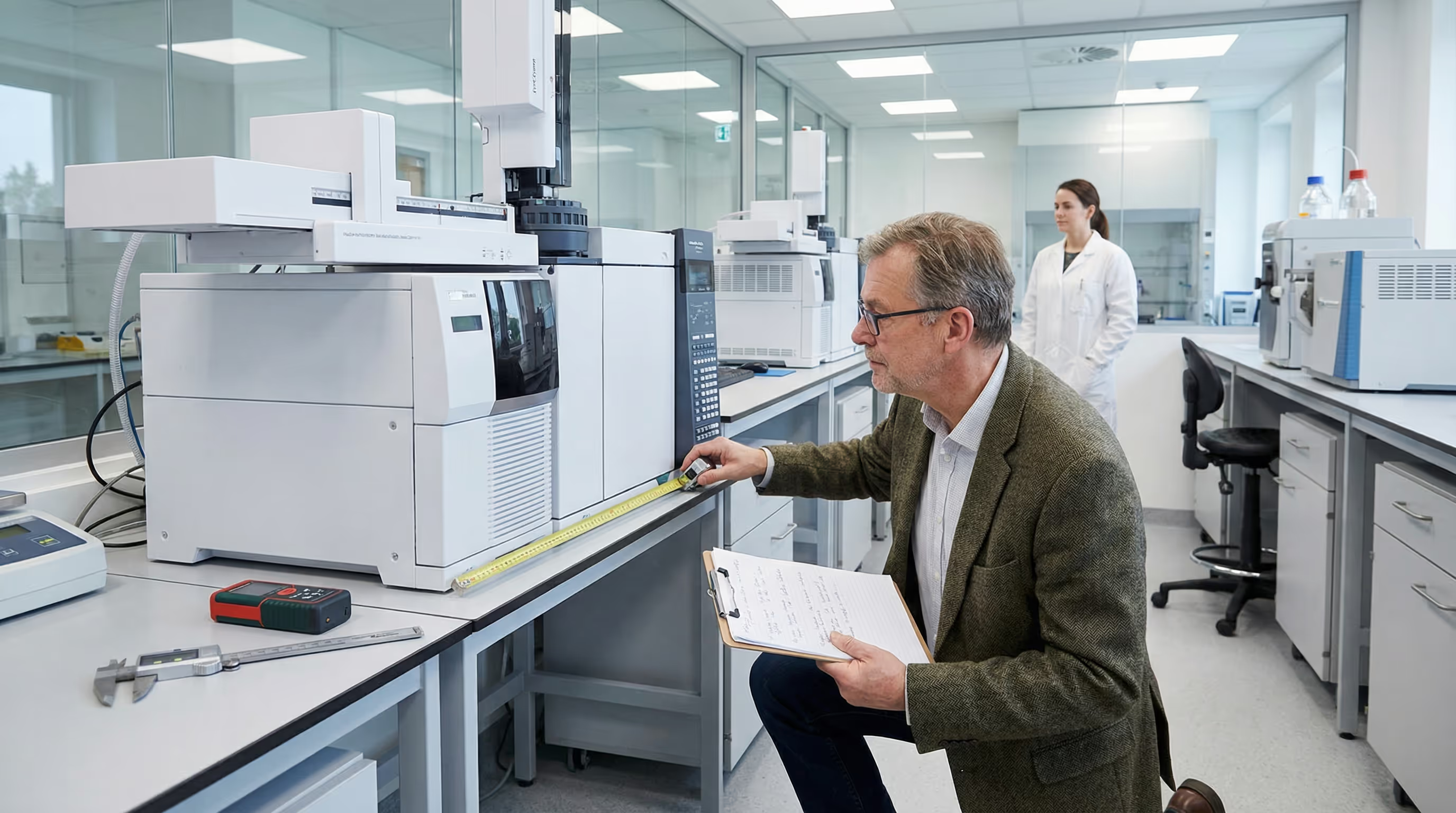
professional appraiser examining laboratory equipment with clipboard and measuring tools in modern lab setting

Whether you're renewing insurance coverage, securing financing, or preparing for an audit, a lab equipment appraisal can make or break your timeline and budget. A lab equipment appraisal is a professional assessment that determines the fair market value of your laboratory instruments and equipment for insurance, lending, tax, or merger purposes.

Proper preparation directly impacts the accuracy, speed, and defensibility of your appraisal report. When you organize your documentation in advance and prepare your lab space properly, you reduce the risk of under-valuation, minimize follow-up questions, and ensure your report meets regulatory requirements.

Quick Answer: Lab equipment appraisal preparation requires compiling equipment lists, gathering purchase records and maintenance logs, preparing lab access, and selecting a USPAP-compliant appraiser. Typical costs range from $2,000-$15,000 depending on lab size and complexity.

In this guide, you'll learn to compile essential documentation before the inspection, understand how the appraisal process works step-by-step, budget for typical costs and timelines, choose a qualified USPAP-compliant appraiser, and use our preparation checklist to get your lab ready for appraisal day.

How the lab equipment appraisal process works

Understanding the appraisal process helps you prepare more effectively and know what to expect at each stage. Most professional lab equipment appraisals follow a structured five-stage approach that ensures thorough evaluation and defensible results.

The process begins with an initial consultation where you define the appraisal's purpose and scope. Your appraiser needs to understand whether this is for insurance coverage, loan collateral, tax reporting, or merger activity since different purposes require different valuation approaches and documentation standards.

Next comes data and documentation collection, where you provide equipment lists, financial records, and maintenance histories. This stage often determines how smoothly the rest of the process flows. Well-organized documentation leads to faster, more accurate valuations, as detailed in our guide on understanding the process of lab equipment appraisal.

The onsite inspection involves your appraiser physically examining equipment, verifying serial numbers, assessing condition, and documenting any modifications or upgrades. They'll also photograph equipment and note operational status, which directly affects value calculations.

appraiser taking detailed photos and notes of laboratory equipment during onsite inspection

During valuation analysis, your appraiser applies recognized methodologies to determine fair market value based on market data, replacement costs, and equipment-specific factors like age, condition, and technological relevance.

Finally, report preparation and delivery provides you with a comprehensive document that meets professional standards and can withstand scrutiny from lenders, insurers, or auditors.

Step-by-step preparation checklist

Successful lab equipment appraisal preparation follows a systematic approach that addresses documentation, logistics, and coordination well before your appraiser arrives.

Start by defining your appraisal's purpose and scope clearly. Insurance appraisals focus on replacement cost, while lending appraisals emphasize liquidation value. Tax appraisals require fair market value calculations. Each purpose affects which equipment to include and what documentation standards apply.

Compile a complete equipment inventory with asset identification numbers, locations, and current operational status. Export this information from your CMMS or inventory management system if available. Include major instruments, support equipment, and any specialized or custom-built apparatus.

Gather essential financial documentation including original purchase invoices, lease agreements, and depreciation schedules. These documents establish cost basis and help appraisers understand your equipment's financial history, which affects valuation calculations.

Prepare your lab space by ensuring clear access to all equipment, updating asset tags and labels, and scheduling any necessary downtime for inspection. Remove obstacles that might prevent thorough examination and ensure safety protocols are clearly communicated. For more detailed preparation strategies, review our 5 tips for a successful lab equipment appraisal.

Pro Tip: Assign a knowledgeable staff member as your primary contact who understands equipment operations, maintenance history, and can answer technical questions during the inspection.

Confirm all logistics in writing, including inspection dates, safety requirements, access procedures, and expected deliverables. This prevents misunderstandings and ensures everyone is prepared for appraisal day.

Documentation requirements and cost factors

Proper documentation forms the foundation of accurate lab equipment valuations. Your appraiser needs specific information to support their value conclusions and ensure the report meets professional standards.

Equipment documentation should include make, model, serial numbers, installation dates, and current location for each item. Include any modification records, upgrade documentation, and specifications that differ from standard manufacturer configurations.

Financial records prove purchase costs and establish depreciation patterns. Collect original invoices, purchase orders, lease contracts, and any financing documentation. If equipment was acquired through trade-ins or package deals, document the allocation of costs to individual items.

Maintenance and calibration records demonstrate equipment condition and reliability. Gather service logs, calibration certificates, repair invoices, and preventive maintenance schedules for the past two to three years. Well-maintained equipment typically commands higher values. Learn more about common mistakes to avoid during lab equipment appraisal to ensure you don't overlook critical documentation.

Documentation TypeExamplesImpact on ValueEquipment DetailsSerial numbers, specs, modificationsEstablishes identity and configurationFinancial RecordsInvoices, leases, depreciationSupports cost approach valuationsMaintenance LogsService records, calibration certificatesIndicates condition and reliability

Appraisal costs vary significantly based on several factors. Lab size and equipment count drive base pricing, with larger facilities requiring more time for inspection and documentation. Geographic location affects travel costs, especially for multi-site appraisals.

Equipment complexity influences pricing since specialized instruments require appraisers with specific expertise. Urgency also affects costs, as rush jobs typically carry premium pricing. For a comprehensive breakdown, consult our article on the cost of a lab equipment appraisal.

organized filing system with lab equipment documentation and maintenance records

Most appraisers use hourly rates ranging from $150 to $400 per hour, flat fees for standard lab configurations, or hybrid models combining base fees with hourly components. Travel expenses and multi-site coordination add to total costs.

Choosing qualified appraisers and understanding timelines

Selecting the right appraiser ensures your report meets professional standards and gains acceptance from intended users like lenders, insurers, or regulatory bodies.

Look for appraisers with relevant credentials from recognized organizations such as the American Society of Appraisers (ASA), American Machinery and Equipment Appraisers (AMEA), or International Society of Appraisers (ISA). Verify they follow Uniform Standards of Professional Appraisal Practice (USPAP) and hold IRS qualifications when needed for tax purposes.

Experience with laboratory and medical equipment matters significantly. Ask prospective appraisers about their background with similar facilities, their understanding of regulatory requirements affecting lab equipment, and whether they've worked with equipment in your specific field. Our guide on how to choose the right appraiser for laboratory equipment appraisal provides essential questions to ask potential candidates.

Request references from recent clients and examples of completed reports. Quality appraisers readily provide this information and stand behind their work with clear explanations of methodology and value conclusions.

Timeline expectations depend on lab complexity and appraiser availability. Single-location labs with standard equipment typically require one to three days for completion, while multi-site facilities with specialized instruments may need several weeks.

You can accelerate timelines by preparing documentation in advance, providing clear equipment access, and assigning knowledgeable staff to assist during inspections. Delays typically result from missing documentation, limited equipment access, or unavailable personnel to answer questions. To understand what to expect during the inspection, read what to expect during a lab equipment appraisal.

The preparation work you complete before your appraiser arrives directly determines how smoothly the process flows and how confident you can be in the final results. Well-prepared labs receive more accurate valuations, face fewer follow-up questions, and get reports that stand up to scrutiny when you need them most. Use this checklist to organize your approach, gather the right documentation, and choose an appraiser who understands your specific needs and regulatory requirements.

Frequently Asked Questions About Lab Equipment Appraisal Preparation

What documents do I need to gather before a lab equipment appraisal?

You'll need three main categories of documentation: purchase records (invoices, lease agreements, purchase orders), technical documentation (manuals, specifications, modification records), and maintenance records (service logs, calibration certificates, repair invoices). Financial records like depreciation schedules and any prior appraisals are also valuable. The more complete your documentation, the more accurate and defensible your appraisal results will be.

How much does a lab equipment appraisal typically cost?

Lab equipment appraisal costs typically range from $2,000 to $15,000, depending on factors like lab size, equipment complexity, number of locations, and urgency. Most appraisers charge hourly rates between $150-$400 per hour, use flat fees for standard configurations, or employ hybrid pricing models. Travel expenses and rush jobs add to the base cost. Providing organized documentation and a clean equipment list upfront can help reduce overall costs.

How long does the lab equipment appraisal process take?

The timeline has two parts: onsite inspection and report preparation. Single-location labs with standard equipment typically require one to three days total, while multi-site facilities with specialized instruments may need several weeks. The onsite inspection usually takes one day for smaller labs, but the market research and report writing can add additional time. Well-prepared documentation significantly accelerates the process.

What qualifications should I look for in a lab equipment appraiser?

Look for appraisers with credentials from recognized organizations like ASA, AMEA, or ISA who follow USPAP standards. They should have specific experience with laboratory and medical equipment, not just general machinery. Verify they hold IRS qualifications when needed for tax purposes and ask for references from similar facilities. Request examples of completed reports to ensure they meet professional standards and will be accepted by insurers, lenders, or regulatory bodies.

Related Appraisals We Offer

Related Articles

BEST-IN-CLASS APPRAISERS, CREDENTIALED BY: