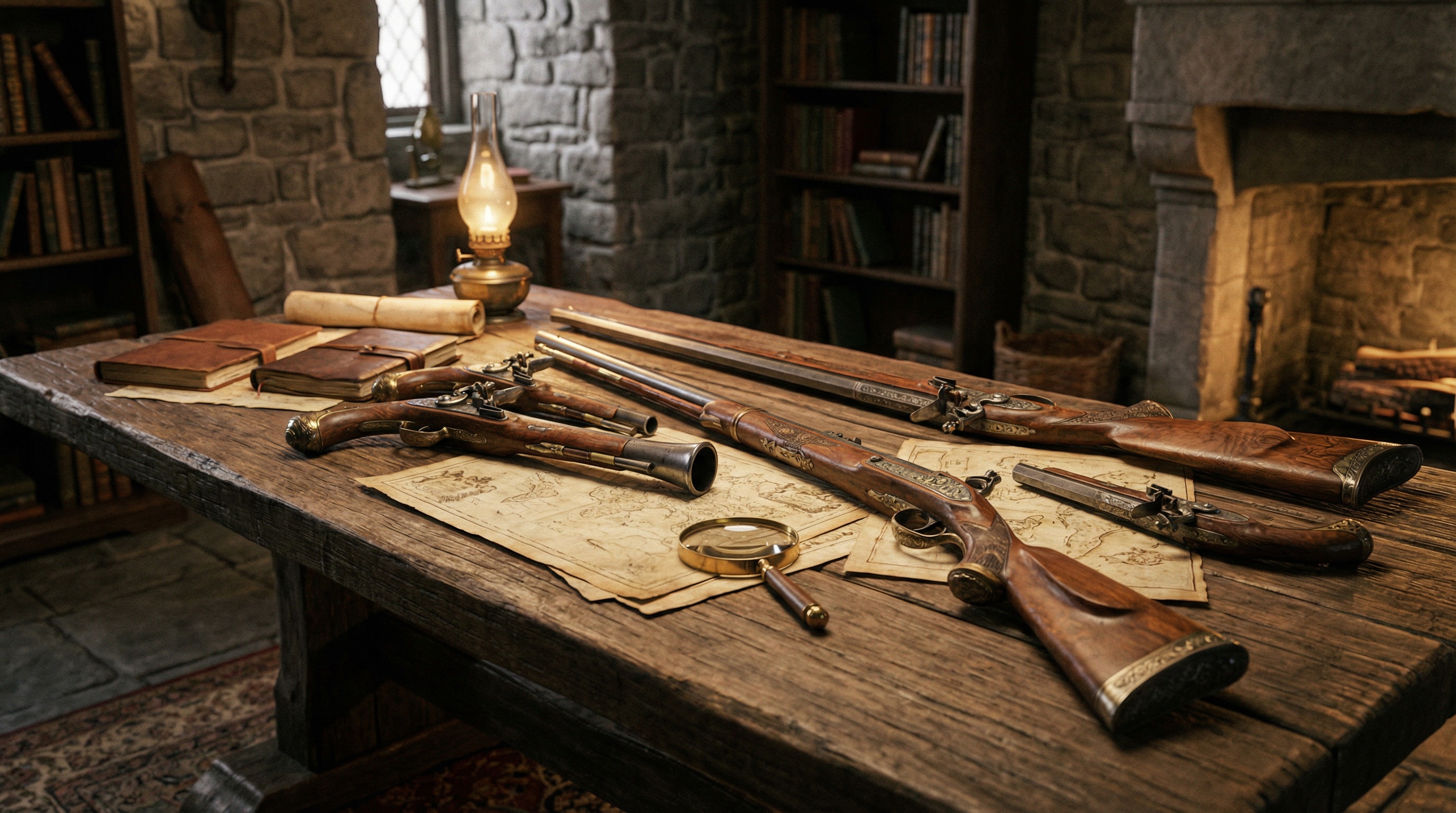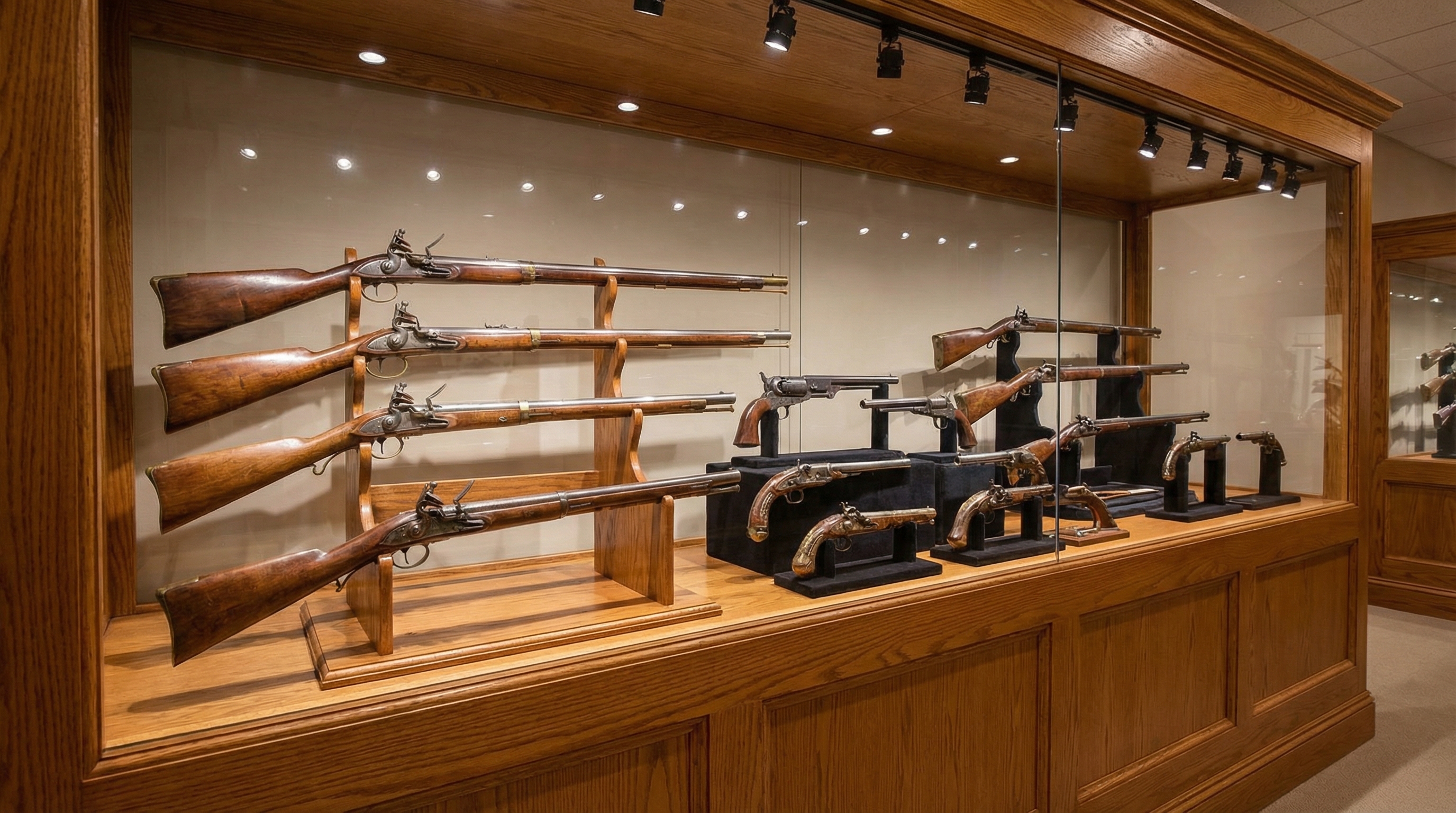
Getting your antique firearm appraised can feel overwhelming, especially when you're unsure about the process or what makes your gun valuable. An antique gun appraisal is a professional assessment that determines the current market value of firearms manufactured before 1898, taking into account factors like condition, rarity, and historical significance.
The appraisal process typically takes anywhere from a few hours to several days, depending on the complexity of your collection and the research required. Professional appraisers examine everything from the gun's mechanical condition to its provenance, providing you with documentation that's essential for insurance, estate planning, or potential sales.
Quick fact: Under U.S. federal law, firearms manufactured before 1898 are classified as antiques and don't require federal licensing for ownership, making them popular collectibles with distinct valuation considerations.
Understanding the antique gun appraisal process
The appraisal process begins with a thorough physical inspection of your firearm. Your appraiser will examine the gun's condition, looking for original parts, modifications, and any signs of wear or damage. They'll document serial numbers, manufacturer markings, and unique features that could affect value.
Next comes the research phase, where appraisers dive into historical records to verify authenticity and trace the gun's origins. This step often reveals fascinating details about your firearm's manufacturing date, original specifications, and any historical significance that could impact its worth.
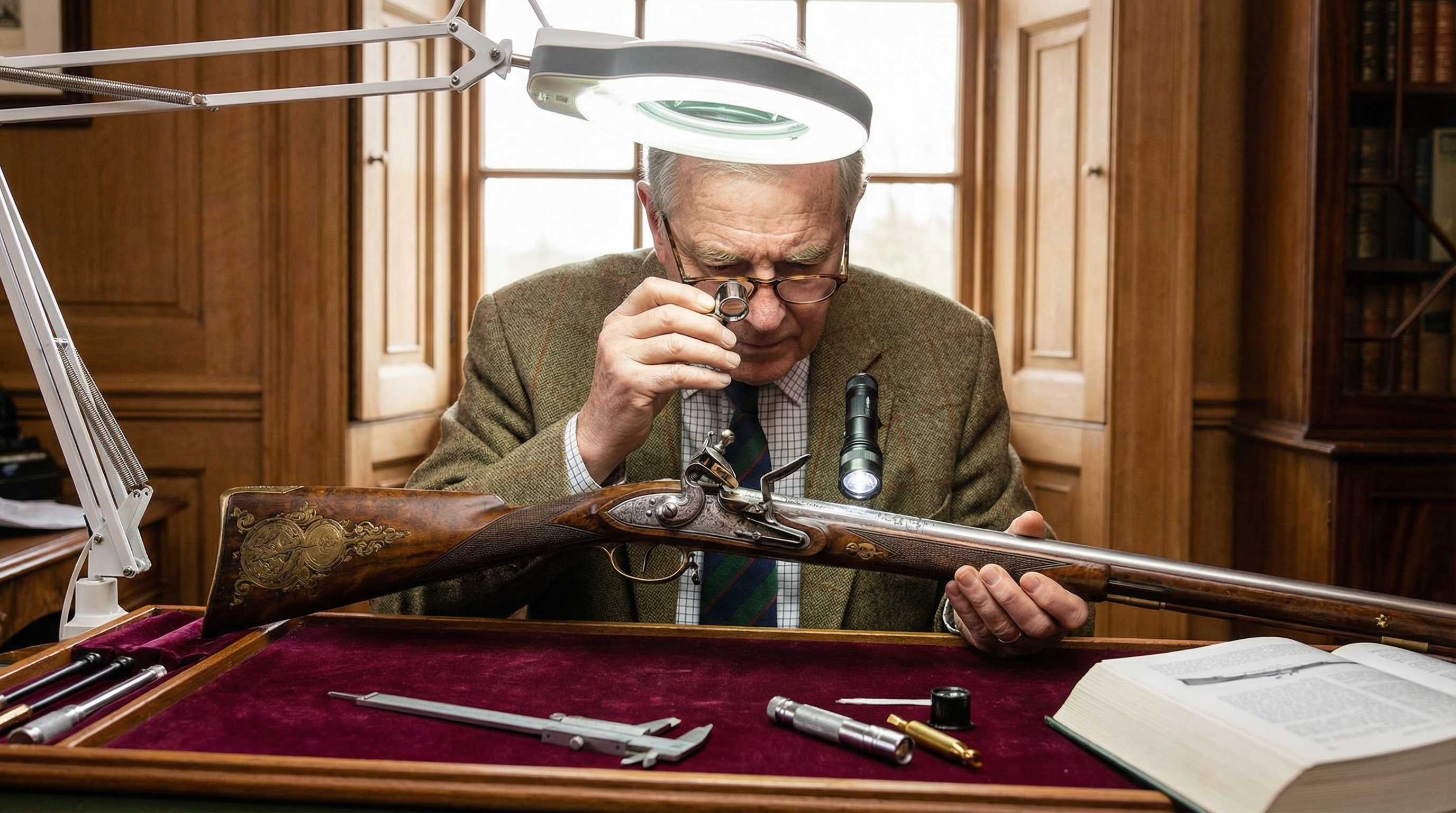
Market comparison follows, where your appraiser analyzes recent sales of similar firearms to establish current market value. This involves checking auction results, dealer sales, and private transactions to ensure your appraisal reflects real-world pricing. The final step produces a detailed written report documenting all findings and providing your gun's certified value. For a comprehensive overview of what happens during this process, check out our guide on understanding the appraisal process of an antique gun.
Key factors that determine your antique gun's value
Condition stands as the most critical factor in determining value. A well-preserved antique firearm in original condition will always command higher prices than one that's been heavily modified or shows significant wear. Appraisers look for original finishes, intact mechanisms, and the presence of all original parts.
Rarity plays an equally important role in valuation. Limited production runs, unique variations, or firearms from defunct manufacturers often carry premium values. Your appraiser will research production numbers and identify any special characteristics that make your gun uncommon in the collector market. To learn more about identifying these crucial elements, read our article on what to look for when appraising an antique gun.
Important note: Never attempt to clean or restore an antique firearm before appraisal, as this can significantly reduce its value by removing original finishes or altering historical authenticity.
Historical significance and provenance can dramatically impact value. Firearms with documented military service, famous previous owners, or connections to significant historical events often sell for multiples of their base value. However, this documentation must be verifiable and well-documented to add meaningful value.
Types of appraisals and when you need them
| Appraisal Type | Purpose | Cost Range | Turnaround Time |
|---|---|---|---|
| Verbal | Quick estimate | Free-$50 | Same day |
| Written | Insurance/legal | $150-$500 | 7-14 days |
| Certified | Court/IRS | $300-$800 | 14-21 days |
Verbal appraisals work well for quick estimates or when you're simply curious about value. However, these informal assessments won't hold up for insurance claims or legal proceedings. Written appraisals provide detailed documentation suitable for insurance coverage, while certified appraisals meet strict legal standards required for estate settlements or tax purposes. Understanding the different types of antique gun appraisals will help you choose the right service for your needs.
You should consider getting your antique firearms appraised every five to ten years, or whenever you're planning insurance updates, estate planning, or potential sales. Market values for collectible firearms can fluctuate significantly based on collector interest, historical anniversaries, and economic conditions.
Preparing for your antique gun appraisal
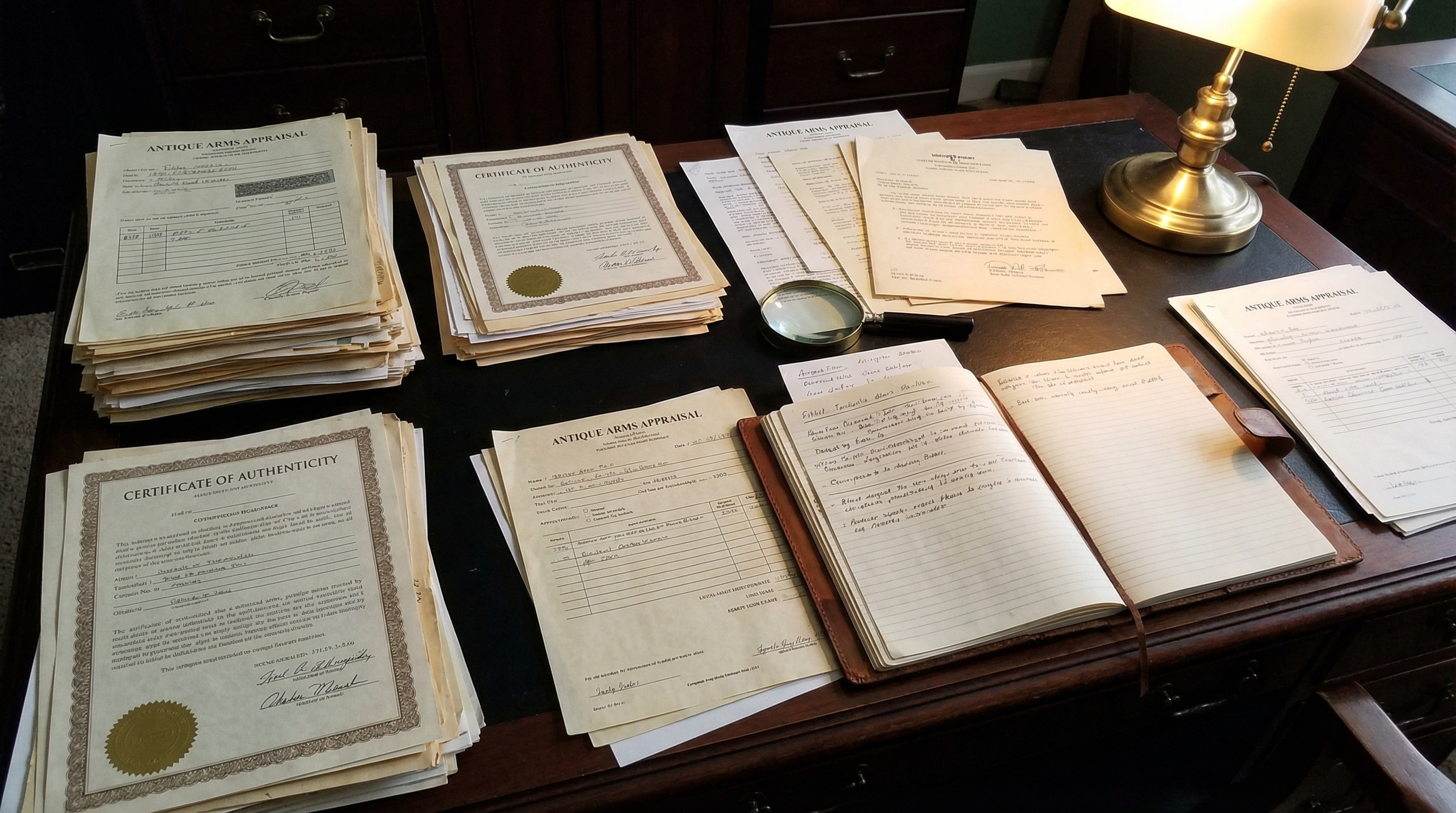
Gathering documentation before your appraisal can significantly improve accuracy and potentially increase value. Collect any original purchase receipts, previous appraisals, maintenance records, and historical documentation you might have. Serial numbers, manufacturer information, and photographs showing the gun's condition over time all prove valuable.
Never clean your antique firearm before appraisal. What might look like helpful maintenance to you could actually remove valuable patina or original finishes that collectors prize. Similarly, avoid making any modifications or repairs, as original condition typically commands the highest values.
Pro tip: Take detailed photographs of your firearm from multiple angles before the appraisal, including close-ups of markings, serial numbers, and any unique features or damage.
Choose your appraiser carefully by looking for credentials from recognized organizations like the American Society of Appraisers or International Society of Appraisers. Experienced antique firearm appraisers understand the nuances of historical weapons and stay current with market trends that affect values. For expert guidance on selecting the right professional, explore our tips on how to find the right antique gun appraiser.
Understanding what to expect during your antique gun appraisal helps ensure you get accurate results that serve your specific needs. Whether you're seeking insurance coverage, planning your estate, or simply satisfying curiosity about a family heirloom, professional appraisal provides the documentation and peace of mind you need. Remember that appraisal is an investment in protecting your valuable collectibles, and choosing qualified professionals ensures you receive reliable, defensible valuations that stand up to scrutiny when you need them most. To maximize the accuracy of your appraisal, review our tips for getting the most accurate antique gun appraisal.