Whether you own a fine art collection or carefully curated collectibles, these treasured items can actually help you secure financing. The art-backed lending market has grown into a sophisticated billion dollar industry that's changing how collectors access liquidity without selling their prized possessions.
If you're considering using art or collectibles as collateral for a loan, you're exploring a financing option that provides cash while keeping ownership of your valuable items. This guide covers everything you need to know about turning your collection into loan collateral.
Using Paintings and Collectibles as Loan Collateral
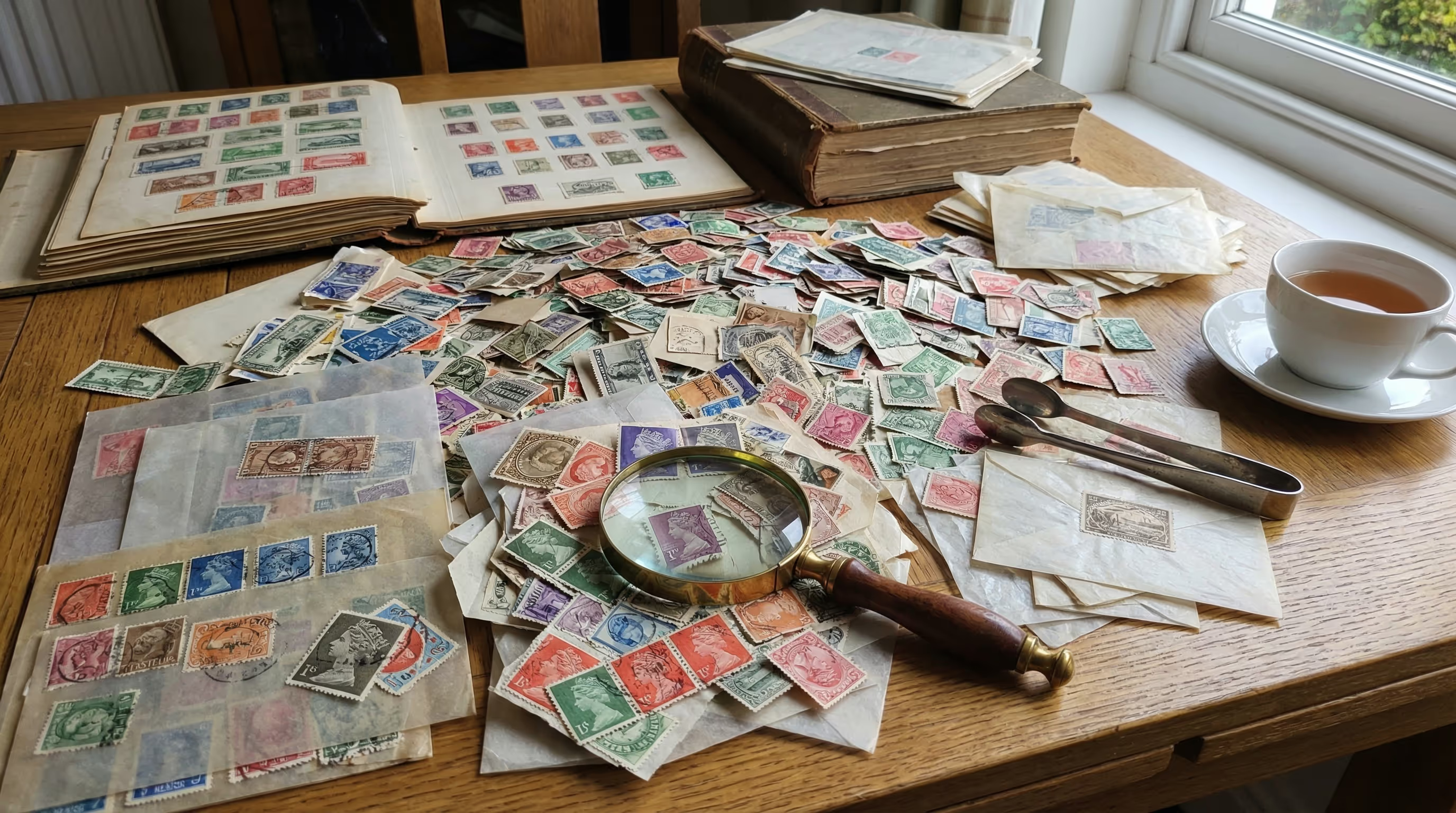
Banks, auction houses, and specialty lenders routinely accept fine art collections, luxury watches, jewelry, rare wine, and other valuable collectibles as security for loans.
Lenders look for pieces with established market value, clear ownership history, and strong liquidity potential. Think of it like using your home as collateral for a mortgage; the lender needs confidence they can sell the asset to recover their money if needed. A Picasso painting with auction records will qualify more readily than an emerging artist's work, just as a Rolex will attract lenders more than an unknown vintage timepiece.
Note: Art-backed loans let you access up to 60% of your collection's value without selling a single piece.
What Types of Art and Collectibles Qualify for Art-Backed Lending?
Fine art dominates the art-backed lending market, with blue-chip artists like Warhol, Basquiat, Monet, and Hockney commanding the best loan terms. Impressionist, Modern, Post-War, and Contemporary pieces receive the widest acceptance from lenders because they have established secondary markets and trackable auction histories.
Luxury items have gained significant traction in recent years. Rolex, Patek Philippe, and Audemars Piguet watches often fund within 24-48 hours due to their liquid secondary markets. Fine jewelry from established houses like Cartier or Harry Winston also qualifies, provided you have proper certification. Investment-grade wine from prestigious producers like Domaine de la Romanée-Conti can serve as collateral when professionally stored with documented provenance.
Items that typically won't qualify include pieces by unestablished artists, ancient artifacts with potential legal issues, or anything without clear ownership documentation and provenance.
Timeline Tip: Luxury watches can fund in 24-48 hours—faster than almost any other collectible category.
How Does the Art-Backed Lending Process Actually Work?
The process starts when you submit high-resolution photos, ownership records, and existing appraisals to potential lenders. They'll conduct a preliminary assessment and provide indicative terms based on your items' market profile and liquidity potential.
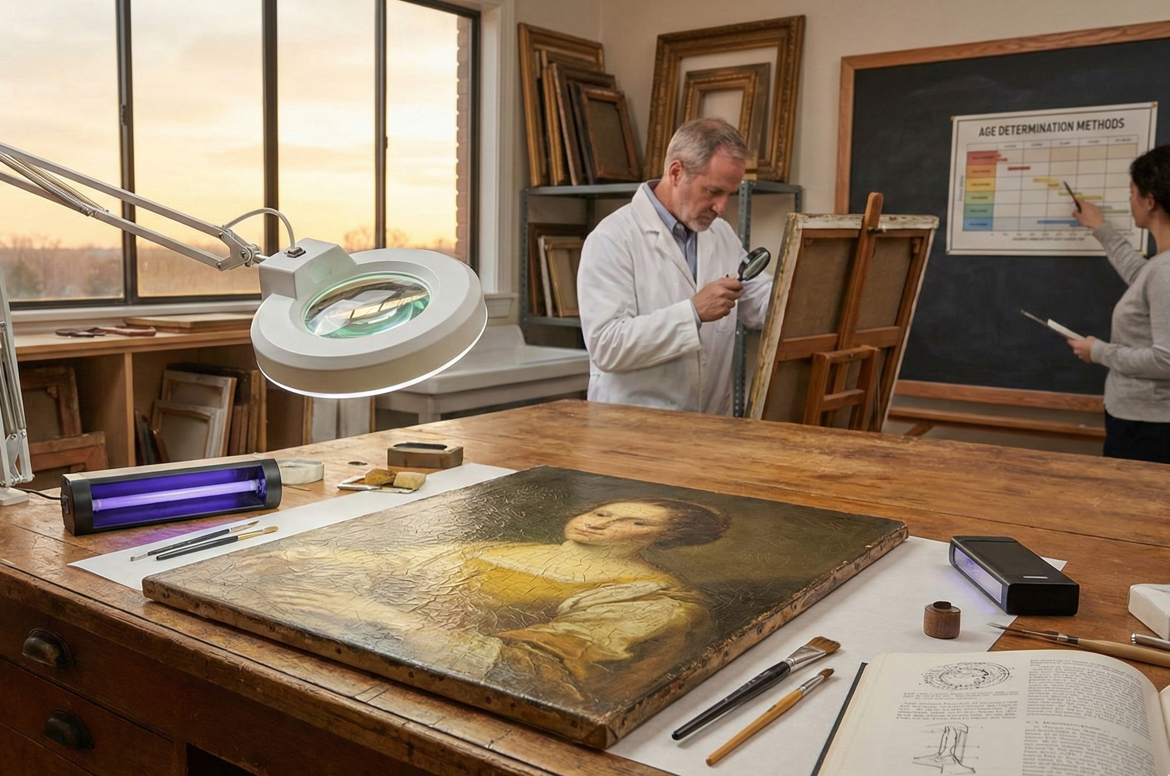
Professional appraisal comes next and isn't optional. Lenders require valuations from certified appraisers credentialed by organizations like the Appraisers Association of America. This establishes the fair market value that determines your loan amount. Due diligence follows, involving authenticity verification, condition assessment, and checks against theft databases like the Art Loss Register.
Generally, funding timelines vary by lender type. Traditional banks often require 4-8 weeks, specialty art lenders close in 3-6 weeks, while some platforms can fund luxury watches within days. Loan terms typically offer 40-60% of appraised value, with blue-chip artwork qualifying for higher ratios than less liquid collectibles.
What Loan Terms and Interest Rates Should You Expect?

Loan amounts range dramatically based on your lender. Major banks like Bank of America typically require minimum collection values of $10-20 million, while auction houses like Sotheby's start around $1 million. Specialty lenders serve the middle market with minimums as low as $25,000 for certain luxury items.
Interest rates depend heavily on your lender category. Private banks offer the most competitive rates at 2.5-5.5% for their best clients, auction houses charge around 8%, while specialty lenders range from 6-12%. Loan terms typically span 12-36 months, though revolving credit lines offer more flexibility for ongoing liquidity needs.
Standard Practice: Annual reappraisals represent standard practice throughout the loan term. If your collateral drops in value, you may need to add more pieces or pay down the loan.
Why Choose Art-Backed Lending Over Traditional Financing?

Tax efficiency represents the biggest advantage of using art or collectibles as collateral for a loan. Selling appreciated collectibles triggers a 28% federal capital gains tax plus the 3.8% net investment income tax, while borrowing against those same assets creates no taxable event whatsoever. This means you access liquidity while avoiding substantial tax erosion.
Tax Benefit: Art-backed loans create zero taxable events—you avoid the 28% capital gains tax that comes with selling collectibles.
Credit independence means approval depends on your artwork's quality rather than your income or credit score. Many specialty lenders don't even run credit checks, making this an attractive option for borrowers who might not qualify for traditional financing. The speed can be remarkable compared to traditional bank loans that require extensive financial documentation and weeks of underwriting. You also retain ownership throughout the loan term, letting your collection continue appreciating while you access needed funds.
What Are the Risks to Art-Backed Lending?
Margin call exposure poses the greatest concern with art-backed lending. Annual reappraisals might reveal declining values, forcing you to add collateral or pay down debt when you're least prepared. Art markets can be volatile—the broader art market declined 12-22% in 2023-2024, demonstrating how quickly values can shift.
In addition, many lenders require transfer of collateral to secure storage facilities with specific climate control, security, and insurance requirements, meaning you lose daily enjoyment of your pieces. The emotional risk attached to this means that defaulting on an art-backed loan means potentially losing pieces with deep personal or family significance.
Warning: Concentration risk amplifies if you're pledging just a few pieces, as a single artist falling out of favor could trigger margin calls when you can least afford them.
Frequently Asked Questions
Q. How long does it take to get funded with an art-backed loan?
A. Funding timelines depend on your lender and collateral type. Luxury watches the fastest while comprehensive fine art collections typically require weeks for full due diligence, appraisal, and documentation. Auction houses generally move faster than traditional banks.
Q. Do you lose access to your art during the loan term?
A. Not necessarily. Many U.S. lenders allow you to keep artwork displayed at home provided you meet specific security, climate control, and insurance requirements. However, some lenders require transfer to professional storage facilities, particularly for very high-value pieces or international transactions.
Q. Can you use multiple types of collectibles together as collateral?
A. Yes, many lenders accept diversified portfolios combining fine art, luxury watches, jewelry, wine, and other qualified collectibles. Diversification can actually strengthen your loan application by reducing concentration risk, though each category may receive different loan-to-value treatment.
Professional Appraisal for Your Art-Backed Loan
Professional appraisal forms the foundation of any successful art-backed loan. Lenders require valuations from credentialed appraisers who understand current market conditions, comparable sales data, and the specific factors driving value in different collectible categories. These professionals must follow Uniform Standards of Professional Appraisal Practice (USPAP) and demonstrate specialized expertise.
At AppraiseItNow, our credentialed appraisers understand the specific valuation standards that banks, auction houses, and specialty lenders require, ensuring your collection receives accurate market-based valuations.
Whether you need initial appraisals for loan applications or annual reappraisals to maintain your lending relationship, we deliver fast, certified, and reliable valuations that support your liquidity goals while protecting your collection's value. Contact AppraiseItNow today to learn how professional appraisal services can unlock your collection's lending potential.