









<h1>How to Get Your Schiller Defibrillator Appraised</h1>
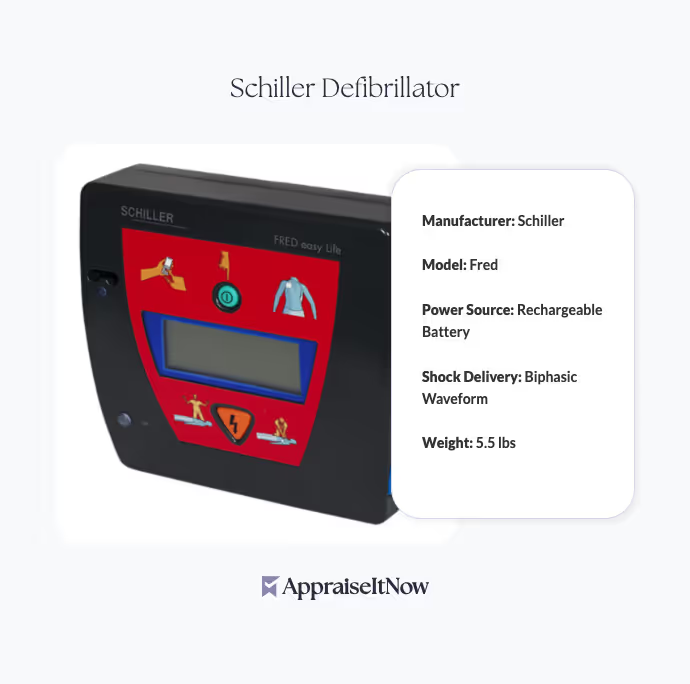
<p>The Schiller Defibrillator represents a critical piece of medical equipment that demands accurate, professional valuation—whether you're managing an institution's assets, planning an estate, or evaluating equipment for insurance purposes. With current market estimates ranging from <strong>$15,000 to $20,000</strong>, understanding the appraisal process ensures you capture the true value of this life-saving device.</p>
<h2>Why Your Schiller Defibrillator Needs Professional Appraisal</h2>
<p>Your Schiller Defibrillator is far more than emergency equipment—it's a significant capital asset with substantial financial implications. These sophisticated devices deliver controlled electric shocks to restore normal cardiac rhythm during life-threatening arrhythmias or cardiac arrest, making their proper valuation essential for compliance, insurance, and financial reporting.</p>
<p>Professional appraisal becomes particularly important because defibrillator values fluctuate based on condition, model specifications, and regulatory compliance status. Unlike consumer goods where replacement cost drives value, medical equipment appraisals require specialized expertise in technical specifications, manufacturing standards, and healthcare regulatory requirements. Whether you're addressing questions like "How much does the average defibrillator cost?" or seeking documentation for insurance purposes, a certified appraisal provides the credibility and detail institutional stakeholders require.</p>
<h2>Key Factors That Influence Schiller Defibrillator Value</h2>
<p>Several technical and operational elements directly determine your device's market value. The Schiller Defibrillator's sophisticated algorithms and robust construction command premium pricing compared to basic defibrillator models, but condition and capability status significantly affect specific valuation.</p>
<p>Your device's shock capability represents a primary value driver. The Schiller's ability to deliver up to <strong>360J shocks</strong> with fully automatic operation and real-time ECG monitoring positions it at the higher end of <a href="/types/medical-equipment">medical equipment</a> valuations. Units with complete voice prompt functionality and ruggedized construction designed for emergency field use typically appraise higher than older models lacking these features.</p>
<p>The device's condition history matters substantially. A well-maintained Schiller Defibrillator that's been properly serviced and kept in climate-controlled storage will appraise significantly higher than one showing physical wear or requiring battery replacement. Original documentation, maintenance records, and warranty status all contribute to establishing credibility with appraisers and potential buyers.</p>
<div class="callout tip"><p><strong>Appraisal Insight</strong></p>
<p>Devices with complete original accessories, working batteries, and current certifications typically command 15-20% premiums over units requiring repairs or updates.</p></div>
<h2>Understanding Defibrillator Lifespan and Value Retention</h2>
<p>When asking "What is the lifespan of a defibrillator?", the answer directly impacts your appraisal. Most medical-grade defibrillators, including Schiller models, maintain operational functionality for 8-10 years with proper maintenance, though some components may require replacement. This relatively extended lifespan means your device likely retains significant residual value even after years of institutional use.</p>
<p>The 3-minute rule in using a defibrillator—the critical window for effective shock delivery following cardiac arrest—doesn't directly affect equipment value but emphasizes why institutional owners maintain these devices in working condition. This maintenance commitment often means appraised Schiller units show better condition than equipment from organizations with less rigorous asset management.</p>
<p>Battery replacement represents the primary ongoing cost factor. Your appraisal should account for battery condition and remaining charge capacity, as expired or depleted batteries can reduce value by $1,000-$2,000 depending on replacement costs. Newer units with extended battery life specifications typically appraise higher than older models requiring frequent battery maintenance.</p>
<h2>Regulatory Compliance and Its Role in Valuation</h2>
<p>Schiller Defibrillators fall under strict FDA regulations and medical device standards that directly influence their appraised value. Devices that maintain current compliance certifications and have documented proof of proper calibration and safety testing command premium valuations. Your appraisal should include verification of compliance status, as non-compliant units may face restrictions on resale or continued institutional use.</p>
<p>Questions about "Can you just buy a defibrillator?" highlight regulatory complexity. While public purchasing is technically possible, institutional buyers—hospitals, clinics, and emergency response organizations—require certified equipment meeting specific standards. This institutional demand maintains strong secondary market values for compliant Schiller units, even older models, as long as they meet current safety requirements.</p>
<p>Professional appraisers specializing in <a href="/types/equipment-and-machinery">equipment and machinery</a> valuations verify compliance documentation and assess whether your unit meets current operational standards. This verification directly translates to confidence in the appraised value and expands potential buyer interest.</p>
<div class="callout note"><p><strong>Compliance Factor</strong></p>
<p>Schiller Defibrillators with current certifications and proof of recent maintenance typically appraise 20-30% higher than units with lapsed compliance status.</p></div>
<h2>Insurance and Estate Planning Considerations</h2>
<p>If you're wondering "Will Medicare pay for a defibrillator?" or exploring coverage options, understand that insurance reimbursement differs from equipment valuation. Professional appraisals provide the documentation insurance companies require for replacement cost coverage, ensuring your institution maintains adequate protection.</p>
<p>For estates including Schiller Defibrillators, appraisal becomes essential for equitable asset distribution and tax purposes. The equipment's specialized nature means estate executors benefit significantly from professional valuation that accounts for condition, compliance status, and market demand. Our guidance on <a href="/blog/establishing-value-how-to-determine-the-worth-of-medical-equipment">establishing value for equipment</a> walks you through documentation requirements for estate and insurance scenarios.</p>
<p>Questions about "Does Medicare pay for a portable defibrillator?" reflect broader concerns about equipment ownership and value. Understanding reimbursement policies helps contextualize your device's institutional value, though market appraisal remains independent of insurance or government reimbursement structures.</p>
<h2>The Schiller Defibrillator's Market Position</h2>
<p>Schiller's position as a specialized manufacturer of cardiac diagnostic and emergency equipment gives these defibrillators distinct market characteristics. Unlike consumer AEDs (automated external defibrillators) selling for under $2,000, Schiller's professional-grade units command higher valuations due to advanced monitoring capabilities, durability standards, and institutional acceptance.</p>
<p>The device's introduction over three decades ago established Schiller as a trusted manufacturer in European and global healthcare markets. This long operational history means your unit may be an older model, yet still valuable due to the brand's reliability reputation and the device's robust construction. Unlike equipment from manufacturers who discontinued operations, Schiller units typically retain stronger secondary market demand because replacement parts and service support remain available.</p>
<p>Current market dynamics show steady institutional demand for quality pre-owned defibrillators, particularly from emerging healthcare providers, rural clinics, and training institutions. This demand supports valuations in the $15,000-$20,000 range for well-maintained units, even those several years old.</p>
<h2>Preparing Your Schiller Defibrillator for Appraisal</h2>
<p>Before scheduling professional evaluation, gather comprehensive documentation that supports accurate valuation. Original purchase records, maintenance logs, service history, and any warranty documentation significantly enhance appraisal quality and establish credible value support. Photographs showing the device from multiple angles, display screens, and any identifying markings help appraisers conduct thorough assessment.</p>
<p>Verify your device's current operational status. Working units appraise substantially higher than those requiring repairs, so understanding whether your Schiller functions correctly, displays properly, and responds to test protocols directly impacts valuation. If you've maintained the device in storage, note environmental conditions—climate-controlled storage preserves value far better than exposure to temperature fluctuations or humidity.</p>
<p>The question "What to do with an old defibrillator?" often arises when institutions upgrade equipment. Professional appraisal helps determine whether your older Schiller unit merits secondary sale, donation with tax deduction documentation, or proper recycling through medical device recycling services. Appraisers can advise on the most value-maximizing disposition strategy.</p>
<div class="callout tip"><p><strong>Preparation Priority</strong></p>
<p>Complete maintenance records and clear photographs of your Schiller Defibrillator's condition, display, and identifying markings dramatically improve appraisal accuracy and speed the evaluation process.</p></div>
<h2>Specialized Expertise in Medical Equipment Valuation</h2>
<p>Professional appraisers specializing in medical equipment bring expertise that general valuators cannot provide. They understand Schiller's product line evolution, recognize model variations that significantly affect value, and assess technical specifications that influence institutional utility and market demand. This specialized knowledge ensures your appraisal reflects true market value rather than generic equipment pricing.</p>
<p>When seeking appraisal services, look for credentials from recognized organizations like the American Society of Appraisers (ASA), International Society of Appraisers (ISA), or similar professional bodies. Appraisers with experience in healthcare facility asset management and medical equipment valuation bring institutional knowledge that strengthens appraisal credibility.</p>
<p>Questions about special circumstances—such as whether "Can you fly with a defibrillator in your chest?" (regarding implanted devices) versus portable unit ownership—demonstrate how appraisers must understand the full context of defibrillator types and their respective markets. AppraiseItNow's <a href="/blog/tips-to-ready-your-medical-equipment-for-appraisal">tips for readying medical equipment for appraisal</a> provide detailed guidance on documentation and preparation that professional appraisers expect.</p>
<h2>Market Dynamics and Value Retention</h2>
<p>The secondary market for institutional medical equipment like Schiller Defibrillators shows stronger resilience than many equipment categories. Healthcare providers consistently need quality equipment, and budget constraints make pre-owned devices attractive alternatives to new purchases. This consistent demand supports relatively stable valuations, even for units several years old.</p>
<p>Understanding "At what heart rate will a defibrillator go off?" and similar operational questions demonstrates appraiser knowledge. Your device's algorithm sophistication—the ability to distinguish between rhythms requiring shock and those requiring observation—directly influences its value in institutional settings where accuracy prevents unnecessary shocks and supports better patient outcomes.</p>
<p>Questions like "How many times can a person be defibrillated?" and "Why do doctors yell clear when using a defibrillator?" reflect the clinical context that drives institutional demand for quality equipment. Appraisers understand these operational realities and how they influence market value. Similarly, practical concerns like "Do you need to remove a bra when using a defibrillator?" highlight the accessibility features that professional units must support, contributing to Schiller's premium positioning.</p>
<h2>The Appraisal's Value Beyond Pricing</h2>
<p>A professional appraisal provides far more than a dollar figure. It delivers credible documentation of condition, functionality, and market position that supports institutional decision-making, insurance claims, tax deductions, or sales transactions. This documentation creates a permanent record of your Schiller Defibrillator's status at a specific point in time, protecting your interests should disputes arise regarding condition or value.</p>
<p>For institutional asset management, professional appraisals establish clear baselines for depreciation, replacement planning, and budget allocation. Understanding your Schiller unit's current market value helps plan replacement schedules and justify equipment investments to organizational stakeholders.</p>
<p>The appraisal also provides context for questions about "How to get a defibrillator for free?" or exploring donation opportunities. Some institutions accept equipment donations with tax deductible value, and an appraisal establishes the charitable contribution amount for tax reporting purposes.</p>
<div class="callout note"><p><strong>Key Takeaway</strong></p>
<p>A certified appraisal of your Schiller Defibrillator transforms a piece of emergency equipment into a clearly valued institutional asset, providing documentation that supports financial reporting, insurance coverage, estate planning, and strategic asset management decisions. Professional expertise ensures your device's $15,000–$20,000 market value is accurately captured and properly documented.</p></div>