









<h1>How to Get Your Samsung Ultrasound RS80A Appraised</h1>
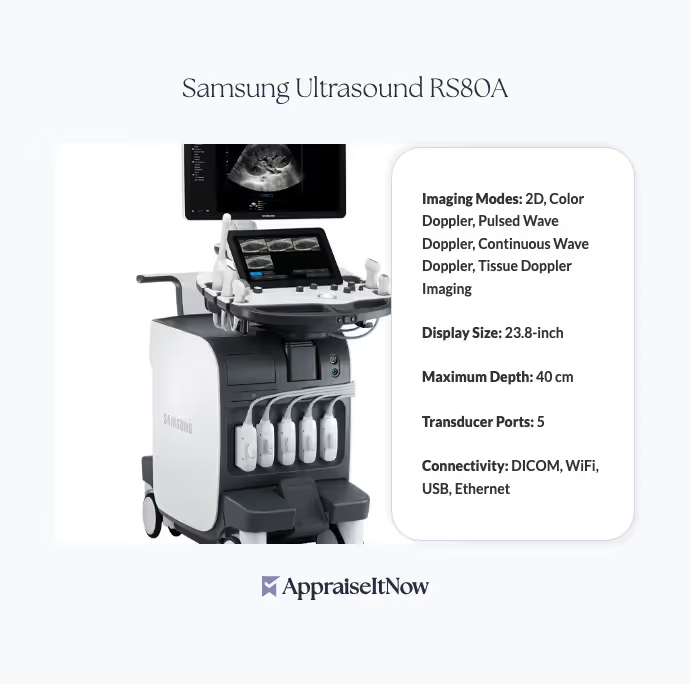
<p>The Samsung Ultrasound RS80A stands as a sophisticated medical imaging platform that combines cutting-edge diagnostic capabilities with practical clinical workflow integration. If you're evaluating this high-value <a href="/types/medical-equipment">medical equipment</a> for purchase, sale, insurance coverage, or financial documentation, understanding its current market value and appraisal process is essential. Current market estimates for the RS80A range from <strong>$35,000 to $50,000</strong> depending on condition, usage history, and included accessories.</p>
<h2>Understanding the RS80A's Market Position</h2>
<p>Introduced in 2018, the Samsung RS80A represents a significant investment in diagnostic imaging technology designed for versatile clinical applications across hospitals and specialty care facilities. Unlike basic ultrasound systems, the RS80A offers advanced image processing algorithms, seamless hospital information system integration, and support for a comprehensive array of high-frequency transducers. These technical advantages directly translate into its commanding market value and sustained demand in the secondary medical equipment market.</p>
<p>The RS80A's value extends beyond its current functionality—it reflects Samsung's industry-leading engineering standards and the substantial investment required to develop and manufacture medical-grade imaging systems. When evaluating <a href="/blog/the-ins-and-outs-of-laboratory-equipment-appraisal">lab equipment appraisals</a>, professional assessors recognize that advanced diagnostic platforms like the RS80A depreciate more slowly than commodity medical devices due to their specialized capabilities and ongoing clinical utility.</p>
<div class="callout tip"><p><strong>Market Insight</strong></p>
<p>RS80A systems with lower cumulative operating hours and complete documentation typically command values in the upper price range ($45,000–$50,000), while units with extensive use may fall toward the lower estimate.</p></div>
<h2>Key Factors That Influence RS80A Valuation</h2>
<h3>Equipment Configuration and Included Components</h3>
<p>Your RS80A's specific configuration dramatically affects its appraised value. The system typically ships with multiple transducer options, each contributing differently to overall worth. Professional appraisers examine whether your equipment includes the original probe suite, whether software licenses remain active, and if specialized modules like DICOM/HIS interfaces function properly. A fully equipped system with matching high-frequency transducers, validated software packages, and properly functioning integration ports can command 15–20% premiums over base configurations.</p>
<p>The presence of a mobile ultrasound cart, when included, adds <strong>$3,000–$5,000</strong> to the total valuation. Many healthcare facilities discount cart values significantly, creating opportunities for astute buyers purchasing complete systems. Understanding these component values helps you accurately represent your equipment during the appraisal process and ensures assessors properly account for all included assets.</p>
<h3>Operating Hours and Service History</h3>
<p>Perhaps no factor influences medical equipment value more directly than documented operating hours and maintenance records. The RS80A's sophisticated electronics and imaging systems experience wear proportional to clinical use. Systems with fewer than 5,000 operating hours typically maintain valuations in the $45,000–$50,000 range, while units exceeding 15,000 hours may depreciate to $35,000–$40,000.</p>
<p>Service history documentation proves equally critical. When you can demonstrate regular preventive maintenance, proactive component replacement, and consistent adherence to Samsung's recommended service intervals, appraisers recognize reduced risk of imminent major repairs. Conversely, systems with spotty maintenance records or evidence of deferred servicing face valuation discounts of 10–25%, reflecting heightened uncertainty about remaining useful life and potential repair costs facing the next operator.</p>
<div class="callout note"><p><strong>Documentation Priority</strong></p>
<p>Maintain detailed service logs capturing maintenance dates, technician credentials, components serviced, and any repairs performed. This documentation directly supports higher appraisal values and demonstrates responsible equipment stewardship.</p></div>
<h3>Condition Assessment and Cosmetic Factors</h3>
<p>Professional medical equipment appraisers evaluate physical condition through systematic inspection of display screens, control panels, transducer cable integrity, and cabinet finish. The RS80A's large high-resolution display represents a significant component cost—any visible damage, dead pixels, or compromised image quality reduces valuation. Similarly, cosmetic damage to the cabinet, touchscreen responsiveness issues, or worn control surfaces signal to potential buyers that the system has seen hard clinical use.</p>
<p>These observations don't necessarily indicate functional problems, but they do affect buyer perception and willingness to pay premium prices. A well-maintained RS80A with minimal cosmetic wear commands stronger market interest and justifies higher appraisal values than similar equipment showing visible signs of heavy use.</p>
<h2>Secondary Market Dynamics and Regional Demand</h2>
<p>The used medical ultrasound market reflects distinct regional patterns and buyer characteristics. Hospital systems consolidating equipment may sell functioning RS80A systems at discount, while specialty clinics and imaging centers seeking cost-effective diagnostics support stronger pricing. Understanding whether your intended buyer is a healthcare facility, medical equipment reseller, or independent practitioner helps contextualize valuation differences.</p>
<p>International demand for medical imaging equipment has grown substantially, particularly in emerging healthcare markets. This expansion creates arbitrage opportunities, though export-related compliance issues and shipping logistics typically narrow accessible markets for individual sellers compared to professional medical equipment distributors.</p>
<h2>Preparation Requirements for Professional Appraisal</h2>
<h3>Documentation Gathering</h3>
<p>Before engaging a professional appraiser, compile comprehensive documentation that accelerates the valuation process and supports accurate pricing. Essential items include the original purchase invoice establishing acquisition cost and date, complete service records with dates and descriptions of all maintenance performed, transducer inventory with model numbers and serial details, and any software license documentation. Additionally, photograph all four sides of the equipment, capture close-up images of the display screen quality, document any visible wear patterns, and record the current operational status.</p>
<p>This preparatory documentation demonstrates your equipment's complete history and removes ambiguity during the appraisal process. Professional appraisers can work with partial documentation, but comprehensive records enable faster, more confident valuations and reduce the likelihood of follow-up questions delaying your appraisal completion.</p>
<h3>Physical Inspection and Testing</h3>
<p>A thorough in-person appraisal requires the equipment to be accessible and operational, if possible. Position the RS80A in a clean, climate-controlled environment and ensure all components function properly before the appraiser arrives. Test the display brightness and color uniformity, confirm transducer connectivity and signal quality, verify software responsiveness during typical clinical workflows, and confirm DICOM interface functionality with test images if available.</p>
<p>This operational readiness assessment allows appraisers to evaluate the system's clinical utility more accurately than units presented inoperative or partially functional. Similarly, having all included transducers and accessories present and labeled during the appraisal enables comprehensive component valuation rather than estimates based on typical configurations.</p>
<div class="callout tip"><p><strong>Appraisal Readiness</strong></p>
<p>Arrange your RS80A in a professional clinical setting if possible. Appraisers forming favorable first impressions regarding system organization and maintenance practices often provide more confident, higher valuations reflecting perceived quality stewardship.</p></div>
<h2>Choosing the Right Appraisal Service</h2>
<p>When selecting an appraiser for your Samsung Ultrasound RS80A, seek professionals with demonstrated expertise in <a href="/blog/establishing-value-how-to-determine-the-worth-of-medical-equipment">medical and laboratory equipment valuations</a>. Certified appraisers holding credentials from organizations like the American Society of Appraisers (ASA), International Society of Appraisers (ISA), or American Academy of Appraisers (AAA) bring standardized methodologies and professional accountability to the valuation process.</p>
<p>Professional appraisers specializing in healthcare technology understand ultrasound system depreciation patterns, recognize the importance of transducer condition and probe compatibility, and evaluate software licensing implications for resale value. They also understand transaction-specific requirements—whether your appraisal supports insurance documentation, equipment financing, tax deduction substantiation, or estate settlement purposes—and can tailor their reporting accordingly.</p>
<p>AppraiseItNow connects you with USPAP-compliant appraisers experienced in high-value <a href="/types/technology-equipment">technology equipment</a> valuations. Our credentialed experts provide comprehensive RS80A assessments with detailed photographic documentation, component-level analysis, and market-supported valuation conclusions suitable for professional and legal standards.</p>
<h2>Appraisal Applications and Transaction Types</h2>
<p>Different transaction purposes often require varying appraisal scope and documentation. If you're selling your RS80A through medical equipment dealers or direct institutional sales, a detailed appraisal establishes asking price justification and supports negotiations with informed, professional buyers. Insurance coverage documentation requires appraisals meeting specific damage replacement standards, capturing replacement cost rather than depreciated market value. Financing applications typically need valuations establishing equipment worth as collateral, while tax deduction substantiation for charitable equipment donations requires fair market value assessments meeting IRS documentation standards.</p>
<p>Estate settlements frequently require neutral, professionally certified equipment valuations to fairly divide assets among multiple beneficiaries. Understanding your specific transaction purpose helps appraisers scope their work appropriately and ensure resulting documentation serves your intended use effectively.</p>
<div class="callout note"><p><strong>Key Takeaway</strong></p>
<p>Professional appraisal of your Samsung Ultrasound RS80A provides independently verified valuation within the <strong>$35,000–$50,000</strong> market range, supported by detailed technical assessment, component evaluation, and documented condition analysis. Whether you're buying, selling, insuring, or documenting this valuable <a href="/types/equipment-and-machinery">equipment asset</a> for financial purposes, certified appraisal documentation protects your interests and establishes credible market value supported by qualified expertise.</p></div>