









<h1>How to Get Your Respironics BiPAP Ventilator Appraised</h1>
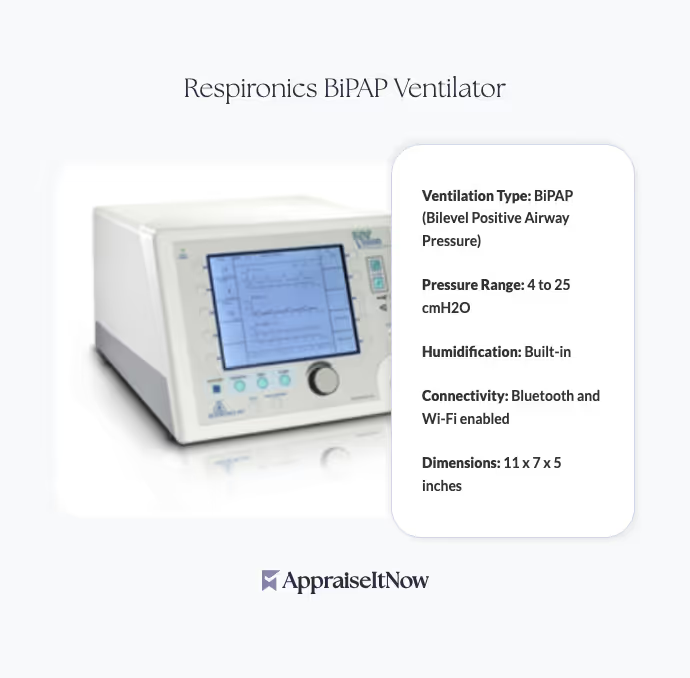
<p>The Respironics BiPAP (Bilevel Positive Airway Pressure) Ventilator represents sophisticated medical technology designed to support patients with respiratory conditions ranging from sleep apnea to COPD. If you're evaluating this device for purchase, sale, insurance coverage, or estate purposes, understanding its appraisal value—typically estimated between <strong>$12,000 and $18,000</strong>—requires professional expertise in <a href="/types/medical-equipment">medical equipment</a> valuation.</p>
<h2>Understanding Your BiPAP's Market Value</h2>
<p>The Respironics BiPAP Ventilator commands significant value in both clinical and secondary markets due to its advanced engineering and life-sustaining functionality. This estimate reflects the device's high-end medical technology, durable construction, and critical importance in respiratory support. Unlike consumer goods where value degradation is predictable, medical equipment valuation depends on specific technical factors, regulatory compliance, and clinical condition.</p>
<p>The BiPAP market has evolved considerably since Respironics first introduced this technology in 1995. FDA approval and widespread adoption across hospitals and home care settings established the BiPAP as a clinical standard. Today, asking "What is the cost of BiPAP portable ventilator machine?" reveals significant price variation based on model generation, features, and condition—factors a professional appraiser must carefully evaluate.</p>
<div class="callout tip"><p><strong>Valuation Insight</strong></p>
<p>Medical equipment appraisals require documentation of FDA approval status, maintenance history, and functional testing to establish accurate market value.</p></div>
<h2>Key Features That Drive BiPAP Appraisal Value</h2>
<p>Your Respironics BiPAP's specific worth within the $12,000-$18,000 range depends on several technical and operational characteristics. The device's design emphasizes adjustable pressure levels and sensitive triggering mechanisms, which directly correlate to market desirability among healthcare facilities and respiratory specialists.</p>
<p>The L2A3's advanced features include automatic altitude adjustment—particularly valuable for medical facilities at varying elevations—and built-in humidification that enhances patient comfort during extended treatment sessions. Advanced leak compensation technology distinguishes higher-end BiPAP models, making this specification a key appraisal consideration. Dual power capability (both AC and DC operation) adds flexibility for emergency departments and transport situations, supporting premium valuation.</p>
<p>Understanding "What does BiPAP 15/5 mean?" reveals another pricing factor: pressure settings (15 cm H₂O inhale / 5 cm H₂O exhale) indicate clinical sophistication. Devices supporting wider pressure ranges and sensitive breath-triggering appeal to specialized respiratory programs, commanding higher secondary market prices.</p>
<h2>Condition and Operational Status Assessment</h2>
<p>When appraising a Respironics BiPAP, condition assessment parallels evaluations of other <a href="/types/equipment-and-machinery">equipment and machinery</a>, though medical devices have more stringent requirements. The device must demonstrate clean operational history, with documentation of all maintenance performed and any recalls or service notices addressed.</p>
<p>The question "How to know if BiPAP pressure is too high?" illustrates why proper calibration documentation matters—devices with verified pressure calibration records and recent service maintenance achieve valuations at the upper end of the estimate range. Your appraiser will verify that all pressure-sensitive components respond accurately, humidification systems function properly, and power delivery systems meet safety specifications.</p>
<p>Durable construction is fundamental to BiPAP valuation. Unlike some medical equipment prone to rapid obsolescence, Respironics BiPAP ventilators maintain clinical relevance across decades when properly maintained. This durability supports strong residual value compared to other <a href="/types/lab-equipment">lab equipment</a> categories where technological advancement creates faster depreciation.</p>
<h2>Documentation and Regulatory Compliance</h2>
<p>Professional BiPAP appraisals require comprehensive documentation establishing regulatory compliance and operational history. Your appraiser will verify FDA approval status and ensure the device hasn't been subject to safety recalls or service bulletins that would impact clinical acceptance and liability exposure.</p>
<p>Insurance and compliance documentation proves essential for secondary market sales. Healthcare facilities purchasing used ventilators increasingly require certification that devices meet current standards and have documented maintenance records. This documentation requirement means a BiPAP with complete service history, calibration certificates, and regulatory compliance records can command 15-20% premiums over similar devices lacking thorough documentation.</p>
<p>When pursuing an appraisal for insurance purposes, maintaining detailed records of all maintenance, repairs, and replacement parts directly supports valuation accuracy. Professional appraisers specializing in medical equipment understand these documentation requirements and can help ensure your BiPAP's records meet institutional standards.</p>
<h2>BiPAP Settings and Clinical Parameters</h2>
<p>Understanding clinical settings provides context for appraisal decisions. "What should my BiPAP settings be?" and "What is the normal BiPAP range?" are common clinical questions, but from an appraisal perspective, what matters is whether the device accurately delivers the full spectrum of clinically necessary pressure ranges. Devices capable of supporting specialized protocols—including non-invasive ventilation for acute respiratory failure—command higher valuations than basic sleep apnea models.</p>
<p>The device's quiet operation specification represents another value driver. Respironics engineered this technology specifically for hospital environments and home use where noise reduction enhances patient compliance. Verification that the device meets original noise specifications through acoustic testing contributes to accurate appraisal documentation.</p>
<div class="callout note"><p><strong>Clinical Context</strong></p>
<p>BiPAP devices supporting both simple sleep apnea protocols and complex acute care applications hold wider appeal and stronger secondary market value.</p></div>
<h2>Market Demand and Healthcare Environment Factors</h2>
<p>Current healthcare market dynamics influence BiPAP appraisal values. Hospitals transitioning to newer generation ventilators often liquidate reliable existing models, creating secondary market opportunities. Yet demand from smaller clinics, home care providers, and international healthcare facilities maintains strong pricing for quality used units.</p>
<p>Asking "How long can a patient stay on BiPAP?" relates to clinical applications that drive secondary demand. Devices suited for extended patient management (whether chronic sleep apnea or acute weaning protocols) appeal to broader institutional buyers, supporting valuations in the upper estimate range.</p>
<p>The question about Philips Respironics settlements reveals an important market consideration: certain product batches faced recalls or safety concerns. Appraisers must identify whether your specific device was subject to any recall, as affected units may carry reduced value despite technical functionality. Professional appraisers maintain current knowledge of all product recalls and safety bulletins affecting BiPAP models.</p>
<h2>Determining Your BiPAP's Specific Appraisal Value</h2>
<p>Several factors position your device within the $12,000-$18,000 estimate range:</p>
<p><strong>Upper-range valuations</strong> ($16,000-$18,000) typically apply to devices that are recent models, feature complete technical capability, have comprehensive maintenance documentation, and meet all current regulatory requirements. These units often come from well-managed healthcare facilities with institutional maintenance standards.</p>
<p><strong>Mid-range valuations</strong> ($13,000-$16,000) apply to reliable devices with documented service history but potentially older model generation or less extensive feature sets. These units function perfectly for their intended applications but may lack the latest technological enhancements.</p>
<p><strong>Lower-range valuations</strong> ($12,000-$13,000) reflect devices requiring recalibration, minimal cosmetic repairs, or those with less comprehensive documentation. These units still represent significant value propositions for budget-conscious healthcare providers.</p>
<h2>Professional Appraisal Services for Medical Equipment</h2>
<p>When obtaining professional BiPAP appraisal, connect with specialists experienced in <a href="/blog/what-to-expect-during-a-medical-equipment-appraisal">medical equipment valuation</a>. AppraiseItNow provides access to credentialed appraisers (AAA, ISA, ASA, CAGA, AMEA certified) who understand both the technical specifications and market dynamics affecting ventilator values.</p>
<p>Professional appraisals serve multiple critical purposes: establishing insurance replacement value, documenting fair market value for equipment sales, supporting estate valuations, and providing certified documentation for institutional procurement decisions. Our experts conduct thorough condition assessments, verify regulatory compliance, review maintenance histories, and prepare comprehensive reports suitable for insurance companies, courts, and financial institutions.</p>
<p>The appraisal process typically involves physical inspection to verify operational functionality, review of all documentation and service records, assessment against comparable recent sales, and preparation of detailed valuation reports. For sophisticated equipment like BiPAP ventilators, this professional approach ensures accuracy and credibility that informal estimates cannot provide.</p>
<h2>Insurance and Asset Management Considerations</h2>
<p>Whether you're insuring your BiPAP or managing equipment assets within a healthcare facility, professional appraisal documentation proves invaluable. Insurance companies require certified valuations before establishing coverage, and agreed-value policies depend on accurate baseline appraisals.</p>
<p>If you're exploring institutional questions about "How much compensation can I get from Philips?" or related settlement matters, professional appraisals help establish your device's baseline value and condition status. Proper documentation supports any claims or negotiations involving equipment replacement or compensation.</p>
<p>For facility managers and medical directors, understanding your BiPAP's accurate market value supports procurement decisions, asset management strategies, and budget planning. Professional appraisals provide data-driven valuations that replace guesswork with expert analysis grounded in current market conditions.</p>
<div class="callout tip"><p><strong>Asset Management Insight</strong></p>
<p>Regular appraisals (every 2-3 years) help track equipment value trends and inform replacement timing decisions, ensuring optimal asset utilization across your healthcare operation.</p></div>
<h2>Why Professional Appraisal Matters for Medical Equipment</h2>
<p>The Respironics BiPAP represents a significant healthcare asset, and its $12,000-$18,000 valuation reflects substantial clinical and financial importance. Unlike consumer equipment where informal assessments might suffice, medical ventilators require credentialed professional evaluation to establish defensible valuations for insurance, legal, or transactional purposes.</p>
<p>Professional appraisers bring specialized knowledge of medical equipment markets, regulatory requirements, and technical specifications that directly impact valuation accuracy. They understand how model generation, feature sets, maintenance history, and market demand combine to establish fair market value. This expertise ensures your BiPAP receives an accurate, well-documented assessment that stands up to professional and institutional scrutiny.</p>
<div class="callout note"><p><strong>Key Takeaway</strong></p>
<p>A certified appraisal of your Respironics BiPAP Ventilator provides accurate market valuation, comprehensive documentation, and professional credibility essential for insurance coverage, equipment sales, or institutional procurement—ensuring you understand both the clinical value and financial worth of this critical respiratory support device.</p></div>