









<h1>How to Get Your Medtronic LifePak Defibrillator Appraised</h1>
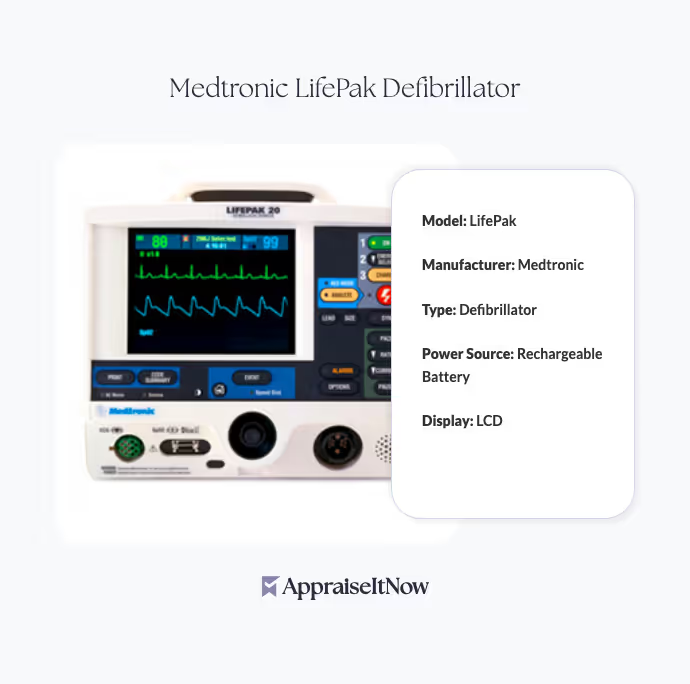
<p>The Medtronic LifePak Defibrillator holds significant value in today's medical equipment market, with quality units commanding <strong>$20,000 to $30,000</strong> depending on model, condition, and specifications. Whether you're evaluating equipment for sale, insurance purposes, or estate planning, understanding the appraisal process ensures you receive an accurate valuation that reflects both the device's clinical capabilities and market demand.</p>
<h2>Understanding the Medtronic LifePak's Market Position</h2>
<p>Since its introduction in <strong>1979</strong>, the LifePak line has become the gold standard for emergency defibrillation across healthcare facilities worldwide. The device's reputation stems from its proven ability to monitor and treat life-threatening cardiac arrhythmias with precision and reliability. This trusted heritage translates directly into strong secondary market demand among hospitals, urgent care centers, emergency medical services, and independent practitioners seeking certified, functional equipment.</p>
<div class="callout tip"><p><strong>Market Insight</strong></p>
<p>The global adoption of LifePak technology across over 100 countries creates consistent demand, making these devices relatively liquid assets for those seeking to sell.</p></div>
<p>The LifePak's robust design and intuitive interface mean that well-maintained units retain value effectively. Unlike some medical equipment that becomes obsolete quickly, Medtronic's commitment to backwards compatibility and software updates extends the functional lifespan of many models. When considering whether to sell your defibrillator, understanding that cardiac defibrillators typically cost between $15,000 and $40,000 depending on features helps contextualize your asset's value.</p>
<h2>Key Factors Affecting Your LifePak's Appraisal Value</h2>
<h3>Condition and Functional Status</h3>
<p>A professional appraisal begins with comprehensive assessment of your device's physical and operational condition. Appraisers examine the unit's screen clarity, button responsiveness, battery compartment integrity, and cable conditions. Importantly, the LifePak's ability to perform ECG monitoring and analysis, deliver both defibrillation and pacing capabilities, and store patient data affects its market positioning significantly.</p>
<p>Your unit's condition grade—ranging from excellent to fair—directly influences value. A device in excellent condition with minimal cosmetic wear commands premiums over units requiring surface restoration or minor component replacement. Additionally, units with full software updates and current firmware versions typically appraise higher than those needing technological updates.</p>
<h3>Model Variations and Production Year</h3>
<p>Medtronic introduced multiple LifePak iterations since the brand's inception, each with distinct specifications and market values. The LIFEPAK defibrillator cost varies considerably based on whether you own an older reliable model or a newer unit featuring advanced diagnostic capabilities. Your appraiser will identify the specific model number, production date, and feature set to position your device accurately within the current market.</p>
<p>Interestingly, some earlier LifePak models remain highly sought after because they're built to last with minimal electronics that can fail. This durability paradoxically makes certain older models valuable, particularly to facilities with budget constraints seeking functional equipment. The question of how much a cardiac defibrillator costs in the new equipment market ($25,000-$40,000+) helps establish baseline values for comparable used units.</p>
<h3>Certification and Regulatory Compliance</h3>
<p>Professional appraisers verify that your LifePak meets stringent safety and performance standards, meeting requirements for use in over 100 countries. Documentation of recent calibration, maintenance records, and any required certifications substantially impacts appraisal results. Units with complete service histories demonstrating regular professional maintenance appraise higher than devices lacking documentation.</p>
<p>The LifePak's certification status becomes particularly important for facilities planning to deploy the device clinically. If you're selling equipment, having current certification documentation significantly streamlines the buyer's compliance process and justifies premium pricing.</p>
<div class="callout note"><p><strong>Compliance Value</strong></p>
<p>Units with current certifications and recent calibrations can command 15-20% premiums over otherwise identical equipment requiring immediate servicing.</p></div>
<h2>Medtronic LifePak vs. Competitor Devices</h2>
<p>When evaluating your equipment's worth, understanding how the LifePak compares to alternatives like ZOLL defibrillators provides helpful context. The comparison between ZOLL versus LifePak often centers on price point and feature complexity. Generally, LifePak devices emphasize reliability and straightforward operation, making them particularly valuable to emergency responders and smaller healthcare facilities where simplicity matters.</p>
<p>The cost of a Medtronic ICD (Implantable Cardioverter-Defibrillator)—ranging from $30,000 to $50,000 for new units—differs fundamentally from external defibrillators like your LifePak, but understanding the broader cardiac device market helps appraisers contextualize values. Your external device likely serves a broader market including first responders, hospitals, and training facilities, creating steadier demand than specialized implantable devices.</p>
<h2>Determining Your LifePak's Specific Valuation</h2>
<h3>Professional Appraisal Process</h3>
<p>When seeking a professional evaluation for <a href="/types/medical-equipment">medical equipment appraisal</a>, expect appraisers to employ comparative market analysis. This means researching recent sales of similar LifePak models, evaluating available inventory in the secondary market, and assessing demand from healthcare facilities and emergency services. The appraiser's expertise in recognizing which LifePak features command premium values becomes crucial.</p>
<p>Your appraisal should document the device's complete specifications, including any accessories, original documentation, and software versions. Professional appraisers like those available through AppraiseItNow examine condition through detailed photography, test functionality where appropriate, and provide comprehensive reporting suitable for insurance, sale, or estate purposes.</p>
<h3>What to Prepare for Your Appraisal</h3>
<p>Gathering comprehensive documentation maximizes your appraisal's accuracy. Start by locating the original purchase documentation, warranty information, and any service records demonstrating professional maintenance. These records validate the device's age, original investment, and care history. Additionally, note any accessories—spare batteries, carrying cases, training materials, or cables—as these enhance the overall package value.</p>
<p>Understanding your device's complete feature set helps you communicate effectively with appraisers. Knowing whether your LifePak offers advanced monitoring, trending capabilities, or specific parameter flexibility allows appraisers to position it accurately among comparable units.</p>
<h2>Medical Equipment Appraisals and Your Goals</h2>
<p>The question of whether Medicare pays for defibrillators affects institutional buying patterns and influences secondary market demand. Generally, Medicare reimburses for defibrillators in appropriate clinical settings, meaning healthcare facilities maintain steady acquisition budgets. This steady institutional demand supports relatively stable secondary market values for quality LifePak units, making professional appraisal particularly valuable for planning sales timing.</p>
<p>If you're considering selling your LifePak defibrillator, understanding current market demand helps establish realistic expectations. Professional appraisers can guide timing recommendations, suggest appropriate sales channels (whether medical equipment dealers, healthcare facility auctions, or direct institutional sales), and provide documentation that speeds the transaction.</p>
<div class="callout tip"><p><strong>Selling Strategy</strong></p>
<p>Professional appraisals establish credibility with institutional buyers, often justifying premium pricing and accelerating sales timelines significantly.</p></div>
<h2>Legal and Regulatory Considerations</h2>
<p>Before proceeding with sale or transfer of your LifePak defibrillator, verify applicable regulations. Unlike certain equipment that carries restrictions, external defibrillators generally remain available for legitimate sale and transfer. However, documentation of proper disposal of any battery components and confirmation of unit deactivation where appropriate become necessary for legitimate transactions. Professional appraisers familiar with <a href="/blog/navigating-the-process-a-guide-to-medical-equipment-appraisals">medical equipment</a> valuations often provide guidance on regulatory requirements.</p>
<h2>The Lifespan of LifePak Devices</h2>
<p>One frequently asked question concerns the lifespan of LIFEPAK devices. With proper maintenance, many units remain functionally sound for 10-15+ years. This longevity supports secondary market value because facilities seeking cost-effective solutions can deploy well-maintained units confidently. Your appraiser will assess remaining functional lifespan, battery life expectations, and anticipated maintenance requirements—all factors affecting current market value.</p>
<p>The question of whether you can legally own a defibrillator has straightforward answer: yes, private ownership is legal in most jurisdictions. Training and usage protocols require different considerations than ownership itself. This legal clarity supports secondary market trading and makes professional appraisals straightforward for ownership transfer, insurance documentation, or estate planning purposes.</p>
<h2>Where to Get Your LifePak Appraised</h2>
<p>Seeking appraisal from credentialed professionals ensures accurate valuation and documentation. AppraiseItNow connects you with certified experts holding credentials from organizations like <strong>AAA, ISA, ASA, CAGA, and AMEA</strong>—recognized authorities in equipment valuation. These specialists understand medical equipment markets thoroughly and provide USPAP-compliant appraisals accepted by insurance companies, healthcare institutions, and legal professionals.</p>
<p>When selecting an appraiser, verify their experience specifically with medical defibrillation equipment. Specialists in <a href="/blog/establishing-value-how-to-determine-the-worth-of-medical-equipment">medical equipment appraisals</a> bring deeper market knowledge than generalist appraisers, resulting in more accurate, defensible valuations. Professional services typically involve submitting photographs and detailed equipment descriptions online, making the process convenient while maintaining assessment rigor.</p>
<h2>Valuation Timeline and Market Changes</h2>
<p>Your LifePak's market value fluctuates based on supply availability, healthcare facility capital budgets, and technology advancement. Professional appraisals remain valid typically for 12-18 months depending on intended use. For insurance purposes, biennial revaluations help maintain accurate coverage. Understanding this timeline helps you plan appraisal timing to align with planned sales, insurance renewals, or estate settlement requirements.</p>
<p>The best defibrillator to buy depends on specific application—clinical facilities often prefer the reliability and simplicity LifePak equipment provides. This consistent demand supports stable secondary market values, making your equipment relatively predictable from an investment preservation standpoint.</p>
<div class="callout note"><p><strong>Key Takeaway</strong></p>
<p>A certified appraisal of your Medtronic LifePak Defibrillator provides essential documentation for insurance, sale, or estate purposes while establishing accurate market value in the $20,000-$30,000 range. Professional appraisers familiar with medical equipment markets ensure your valuation reflects current demand, device condition, and regulatory requirements, giving you confidence in any transaction or documentation needs.</p></div>