







You're reviewing your lab's insurance policy and realize the equipment values are based on decade-old estimates. When a claim happens, will you receive fair compensation for that $150,000 mass spectrometer or the specialized freezer system that keeps your research viable? An accurate lab equipment appraisal protects you from underinsurance, ensures compliance with financial reporting requirements, and provides defensible values for sales, donations, or legal disputes.
A lab equipment appraisal is a professional assessment that determines the current market value of scientific instruments, analyzers, and laboratory systems. Whether you need it for insurance coverage, grant reporting, equipment sales, estate planning, or merger activities, the accuracy of your appraisal directly impacts your financial protection and regulatory compliance.
Quick Answer: Getting an accurate lab equipment appraisal requires choosing a USPAP-compliant appraiser with scientific equipment expertise, preparing complete documentation including purchase records and maintenance history, and clearly defining the appraisal's purpose and scope.
This guide covers everything you need to know about lab equipment appraisals, from understanding when you need one to preparing your documentation and selecting the right professional. You'll learn what affects equipment values, typical costs and timeframes, and get a practical checklist to ensure your appraisal meets professional standards.
Lab equipment appraisals serve multiple purposes beyond simple curiosity about value. Insurance companies require current appraisals to establish coverage limits and process claims fairly. When you're selling equipment, buyers expect professional valuations to justify pricing. Grant-funded organizations often need appraisals for compliance reporting, while mergers and acquisitions depend on accurate asset valuations.
The timing matters significantly. Equipment values change as technology advances and market conditions shift. That HPLC system purchased five years ago may have depreciated due to newer models, or it might hold value better than expected if it's become a reliable workhorse in high demand.
Different situations call for different types of value. Fair market value represents what equipment would sell for between willing parties. Replacement cost reflects what you'd pay for equivalent new equipment. Liquidation value estimates quick-sale scenarios. Understanding which type you need helps ensure you get the right appraisal for your specific situation.
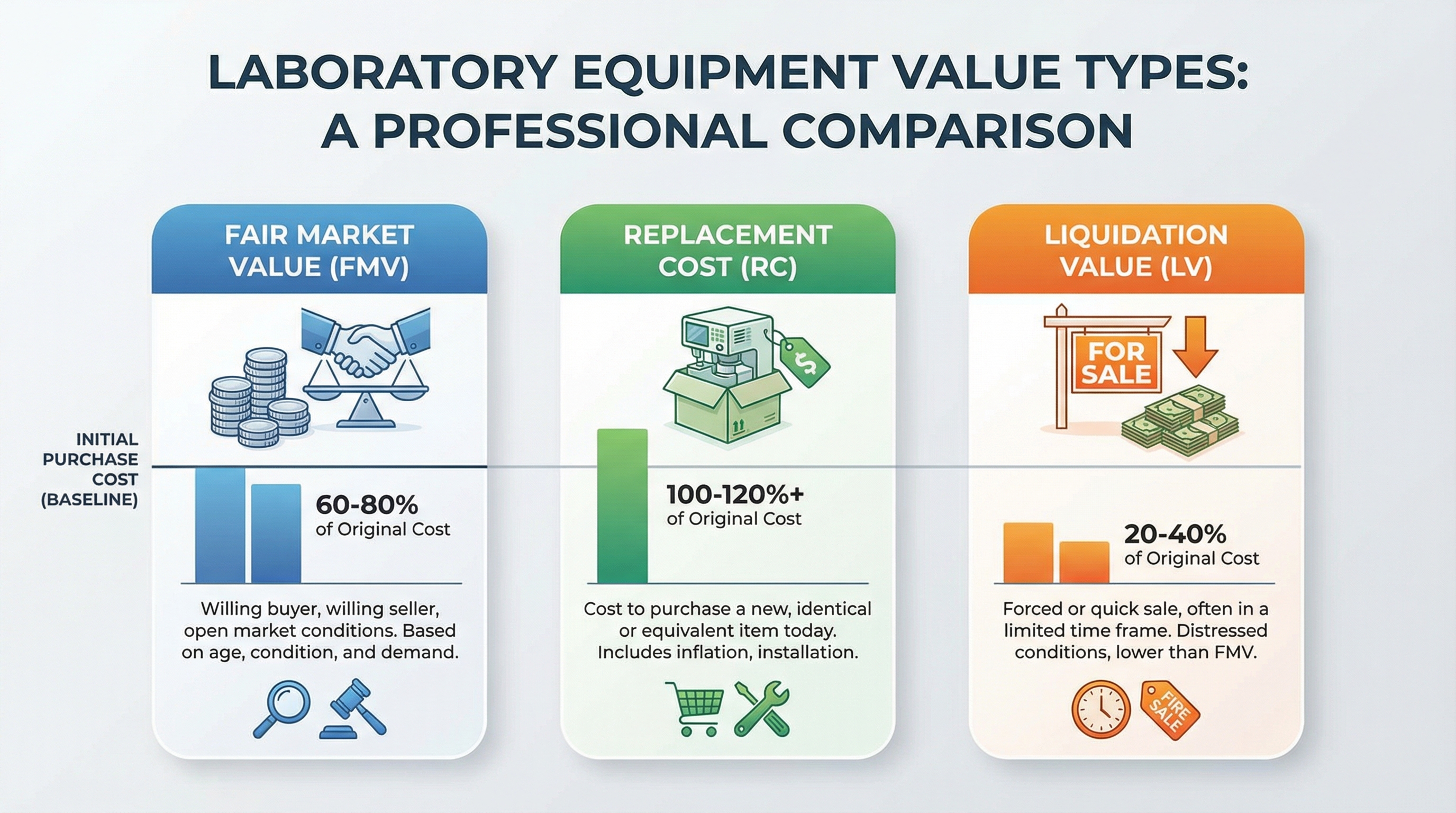
Key Insight: The purpose of your appraisal determines which type of value is most appropriate. Insurance typically requires replacement cost, while sales focus on fair market value.
Preparation significantly impacts appraisal accuracy and efficiency. Start by creating a comprehensive inventory that includes manufacturer, model number, serial number, purchase date, and current condition for each piece of equipment. This baseline information helps appraisers work more efficiently and reduces the chance of overlooking valuable items.
Documentation proves crucial for accurate valuations. Gather original purchase invoices, which establish acquisition cost and specifications. Maintenance records demonstrate care and ongoing functionality. Calibration certificates show compliance with quality standards. Software licenses and user manuals add value, especially for complex analytical instruments.
Physical condition affects value substantially. Clean equipment and organize spaces before the appraiser arrives. Take photos showing equipment from multiple angles, including any damage or wear. Note any modifications, upgrades, or custom configurations that might affect value either positively or negatively. For detailed guidance on this critical phase, review our comprehensive preparation checklist.
Consider access logistics early. Some equipment requires special handling or cannot be moved easily. If shipping is necessary for remote appraisal, use appropriate packaging with foam padding and clear labeling. Coordinate scheduling to ensure someone knowledgeable about the equipment can answer questions during the inspection.
Not all appraisers understand scientific equipment. Look for professionals with specific experience in laboratory and medical instruments. They should understand the technical specifications that affect value, recognize quality brands versus lesser-known manufacturers, and appreciate the impact of regulatory compliance on equipment worth.
Credentials matter significantly in appraisal work. Seek appraisers who follow Uniform Standards of Professional Appraisal Practice (USPAP) and hold certifications from recognized organizations like the American Society of Appraisers (ASA) or International Society of Appraisers (ISA). These credentials ensure professional standards and ethical practices.
Appraiser Quality FactorProfessional StandardRed FlagCredentialsUSPAP-compliant, ASA/ISA certifiedNo professional certificationsExperience5+ years with lab equipmentGeneral equipment onlyReport QualityDetailed methodology, market researchBrief summary without supportAcceptanceRecognized by IRS, courts, insurersNot accepted by major institutions
Ask potential appraisers about their experience with your specific equipment types. Someone familiar with analytical chemistry instruments may not understand biotechnology equipment nuances. Request sample reports to evaluate their thoroughness and professionalism. The best appraisers explain their methodology clearly and provide detailed market analysis supporting their conclusions. Learn more about selecting qualified professionals for laboratory equipment appraisal.
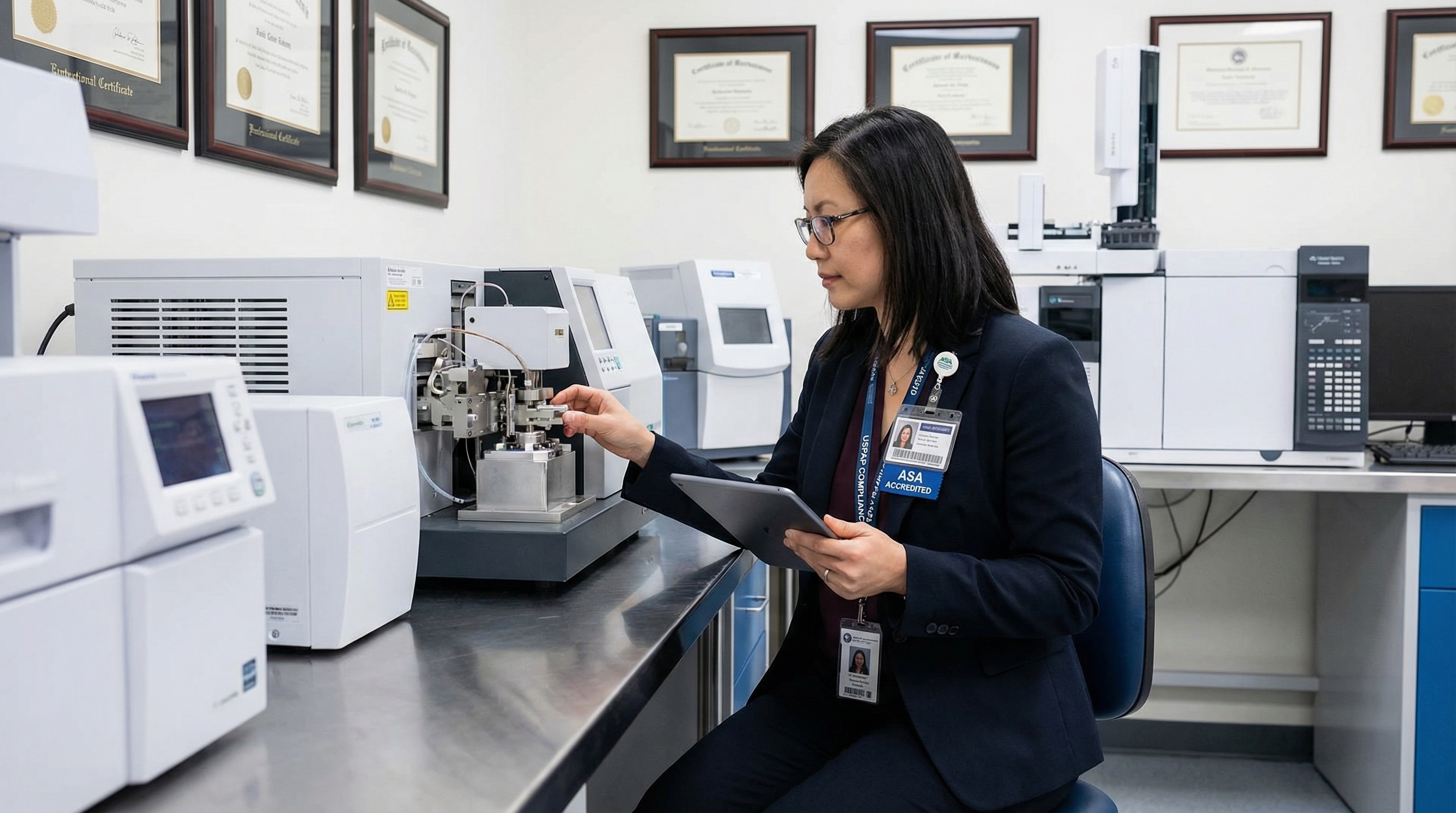
Professional Tip: A qualified lab equipment appraiser should be able to discuss technical specifications and market trends specific to your equipment types during the initial consultation.
Lab equipment appraisal costs vary based on several factors. Simple desktop instruments might cost $200-400 to appraise, while complex analytical systems could require $800-1,500 per item. Multiple items often qualify for volume discounts. Travel expenses apply for onsite inspections, though many appraisals can be completed remotely with proper documentation and photos.
The scope significantly affects pricing. A single instrument appraisal costs more per item than evaluating an entire lab. Rush jobs command premium pricing. Highly specialized or obsolete equipment requires additional research time. Complex installations with custom modifications need extra analysis.
Consider the long-term value of quality appraisals. A thorough professional appraisal accepted by insurers, courts, and tax authorities saves money compared to cheap alternatives that get rejected when you need them most. The difference between a $500 professional appraisal and a $200 quick estimate could mean thousands in insurance settlements or tax deductions. Discover strategies to maximize your appraisal value.
Plan timing strategically. Allow 1-2 weeks for standard appraisals, longer during busy periods or for complex equipment. Rush jobs are possible but expensive. Schedule appraisals before you need them for insurance renewals, grant applications, or planned equipment sales.
Working with AppraiseItNow ensures you receive USPAP-compliant reports accepted by the IRS, courts, and major insurance companies. Our appraisers specialize in scientific and medical equipment, understanding the technical factors that affect value in laboratory environments. We provide nationwide service with both onsite and remote appraisal options to meet your scheduling and budget requirements.
Whether you're updating insurance coverage, preparing for equipment sales, or meeting compliance requirements, accurate lab equipment appraisals protect your investments and support informed decision-making. The preparation you do upfront and the appraiser you choose directly impact the quality and usefulness of your appraisal results. Avoid common mistakes during the appraisal process to ensure you receive the most accurate valuation possible.
Fair market value represents what your lab equipment would sell for between willing buyers and sellers in the open market, considering its current age and condition. Replacement cost reflects what you would pay to purchase new equipment with equivalent functionality. Insurance companies typically use replacement cost for coverage purposes, while sales transactions focus on fair market value.
Most lab equipment appraisals take 1-3 weeks to complete, depending on the scope and complexity. Simple appraisals with a few instruments and complete documentation can be finished in about a week, while large inventories across multiple locations or highly specialized equipment may require 3-4 weeks for thorough inspection and market research.
Yes, many lab equipment appraisals can be completed remotely using detailed photographs, documentation, and virtual inspections. This works well for standard instruments with complete records. However, complex systems, custom installations, or equipment with condition concerns may require on-site inspection for accurate valuation.
Look for appraisers who are USPAP-compliant and hold professional certifications from organizations like the American Society of Appraisers (ASA) or International Society of Appraisers (ISA). They should have specific experience with scientific instruments and be able to provide reports accepted by the IRS, courts, and major insurance companies.




