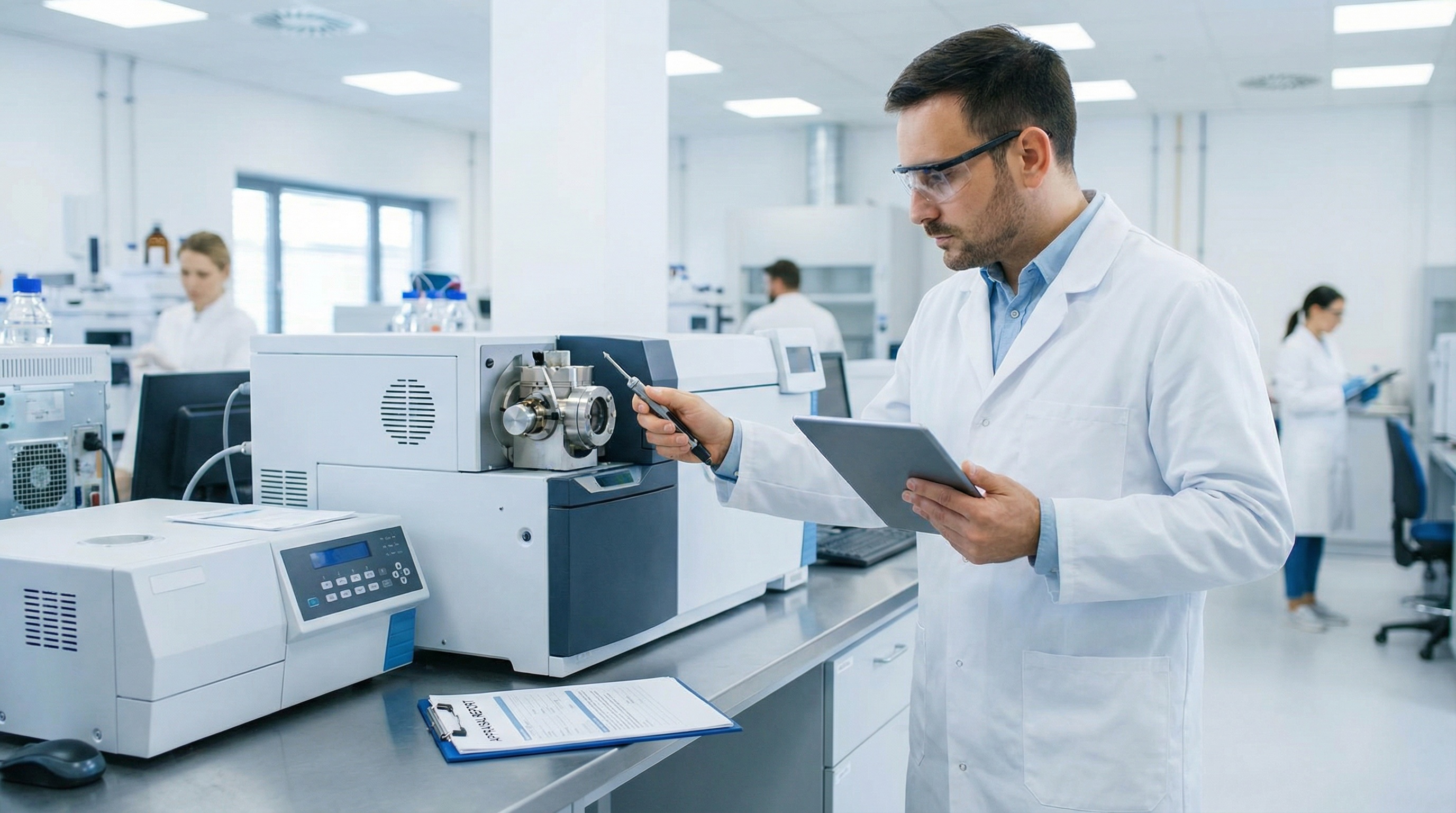
When your insurance company questions the value of your damaged spectrometer or an auditor challenges your lab's asset valuation, you need more than purchase receipts. Laboratory equipment appraisals provide the defensible documentation required by insurers, lenders, courts, and regulatory bodies. A professional appraisal determines fair market value through systematic evaluation of age, condition, technology level, and market demand.
Quick Answer: A laboratory equipment appraisal is a formal assessment by a qualified professional that determines the current market value of scientific instruments and lab assets for insurance, financial reporting, or legal purposes.
Without proper valuations, you risk underinsuring expensive equipment, overpaying taxes, or facing disputes during business transactions. This guide explains how appraisers determine value, which value standard fits your purpose, what factors matter most, and how to prepare for the process to ensure accurate results.
What is a laboratory equipment appraisal
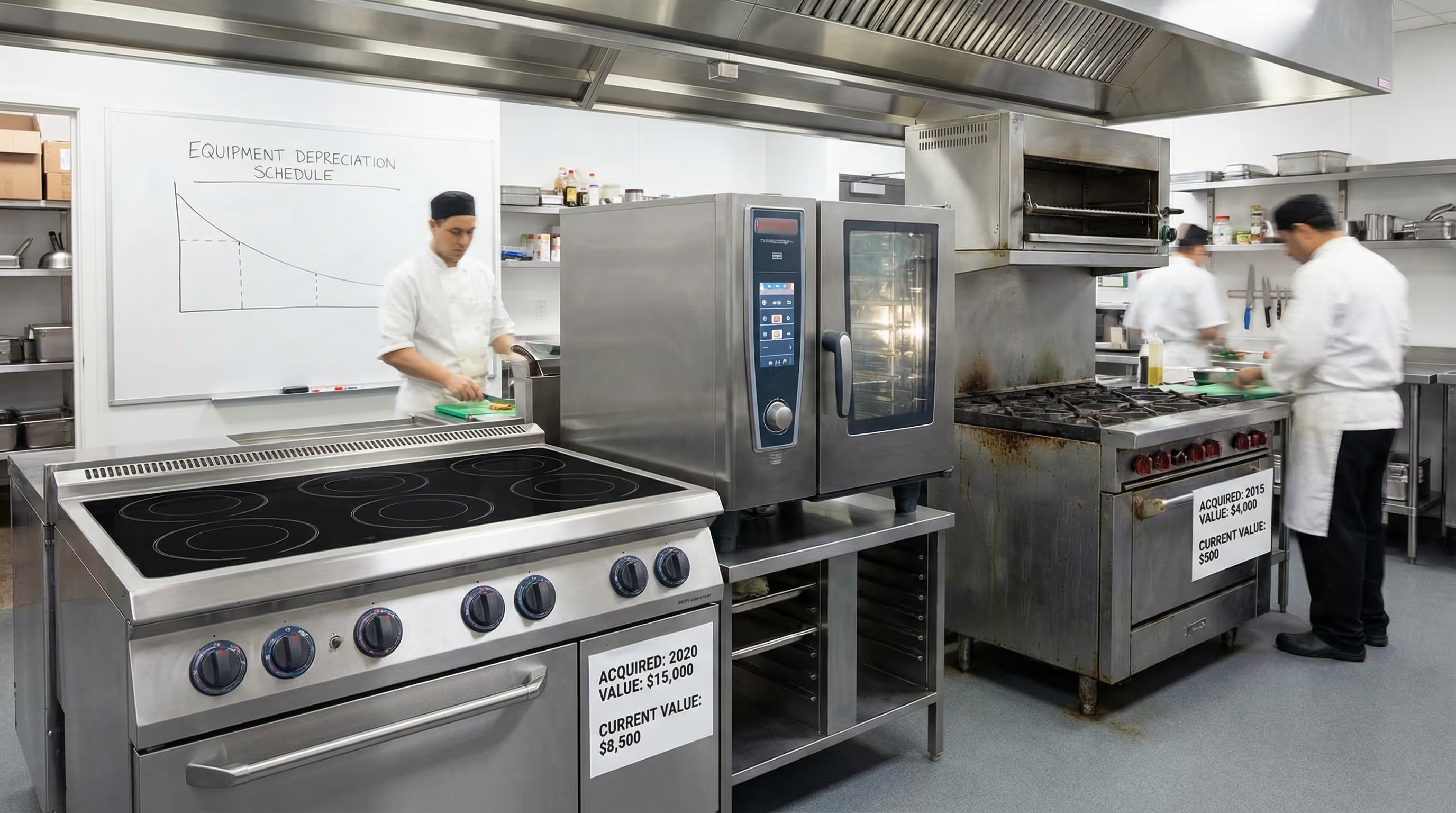
A laboratory equipment appraisal is the systematic evaluation of scientific instruments and lab assets by a qualified professional to determine their current market value. Unlike informal estimates or depreciation schedules, formal appraisals follow established standards and provide legally defensible documentation.
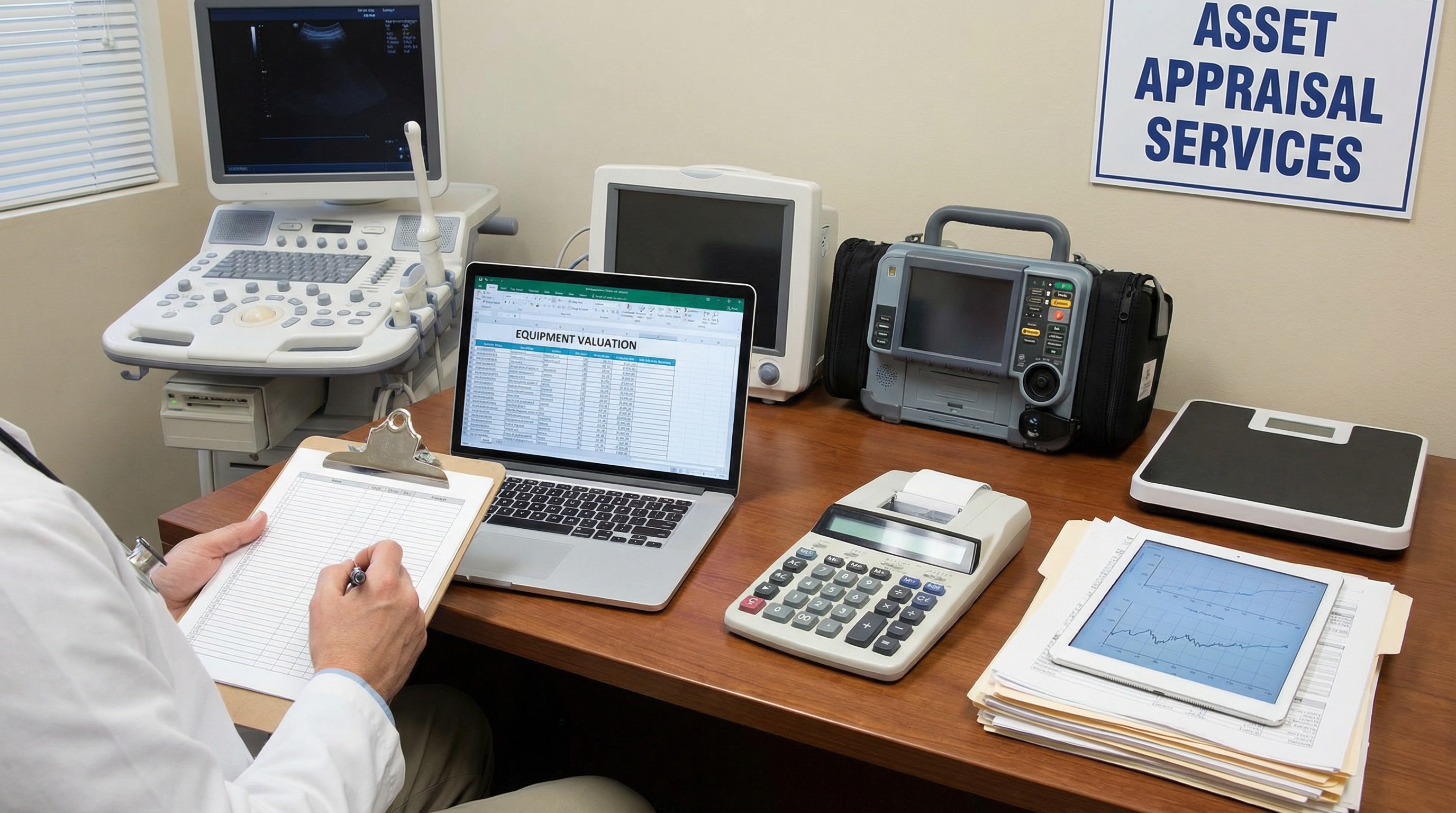
The process involves physical inspection, market research, and analysis of factors like age, condition, and technological relevance. Appraisers use three main approaches: the market approach compares similar equipment sales, the cost approach considers replacement costs minus depreciation, and the income approach evaluates revenue-generating potential when applicable.
Professional appraisals differ from insurance company estimates or accounting book values because they reflect actual market conditions and equipment-specific factors. This makes them essential for insurance claims, financial audits, mergers and acquisitions, and tax reporting where accuracy and defensibility matter. For a deeper understanding of the basics of laboratory equipment appraisal, it's important to recognize how these evaluations protect your financial interests.
Why laboratory equipment appraisal matters
Accurate equipment valuations protect your financial interests across multiple scenarios. Underinsured lab equipment can leave you with massive out-of-pocket expenses after theft, fire, or equipment failure. Many standard insurance policies cap coverage for scientific equipment at inadequate levels, making scheduled coverage based on professional appraisals essential.
Financial reporting requires defensible asset values for audits, loan applications, and investor due diligence. Lenders often require current appraisals for asset-based financing, while acquirers need accurate valuations during mergers or business sales. Inflated or outdated values can derail transactions or trigger regulatory scrutiny. An appraisal also gives you a chance to reconcile your fixed asset register against what is actually on the benches, since instruments that were sold, scrapped, or moved often linger in the records.
Buyers benefit too. Before purchasing used instruments or acquiring a lab's equipment, an independent value helps confirm you are not overpaying and flags condition issues that affect what the equipment is worth.
Tax implications extend beyond annual depreciation. Charitable donations of lab equipment to universities or research institutions require IRS-qualified appraisals for deductions exceeding $5,000. Estate planning, divorce proceedings, and bankruptcy cases also demand professional valuations to ensure fair distribution of assets. Understanding the benefits of having an accurate lab equipment appraisal can help you make informed decisions about protecting your laboratory investments.
No general law requires every lab to appraise its equipment. The requirement usually comes from a specific party or event: the IRS for a noncash donation, a lender for collateral, an insurer for scheduled coverage, or a court in a dispute. Laboratories, educational institutions, research centers, and medical facilities all run into these situations.
How appraisers determine laboratory equipment value
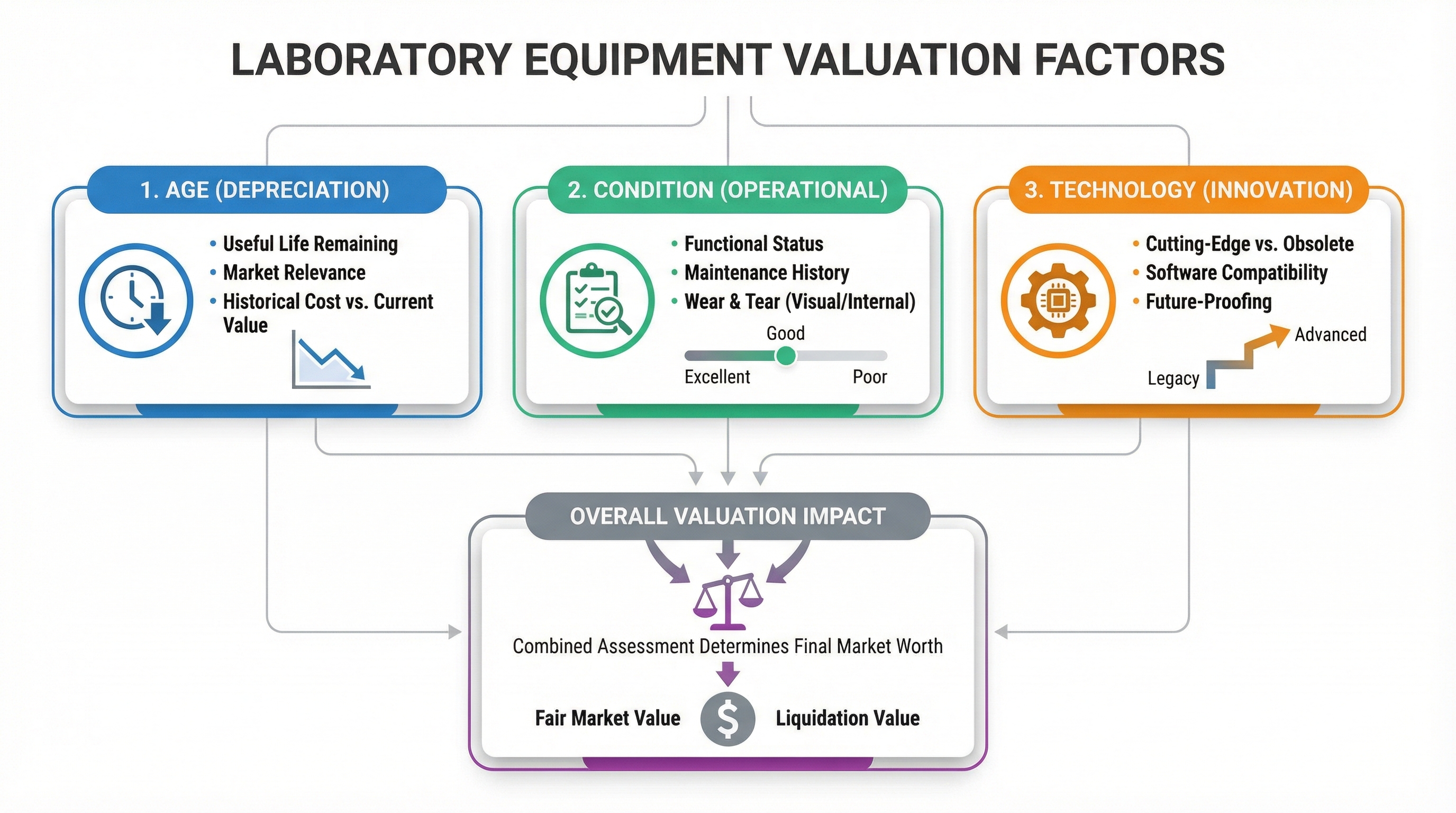
Professional appraisers evaluate laboratory equipment through systematic analysis of multiple value drivers. Age and remaining useful life form the foundation, as newer equipment typically commands higher values unless superseded by advancing technology. A five-year-old HPLC system with regular maintenance may retain significant value, while older models lacking current software compatibility face steep depreciation.
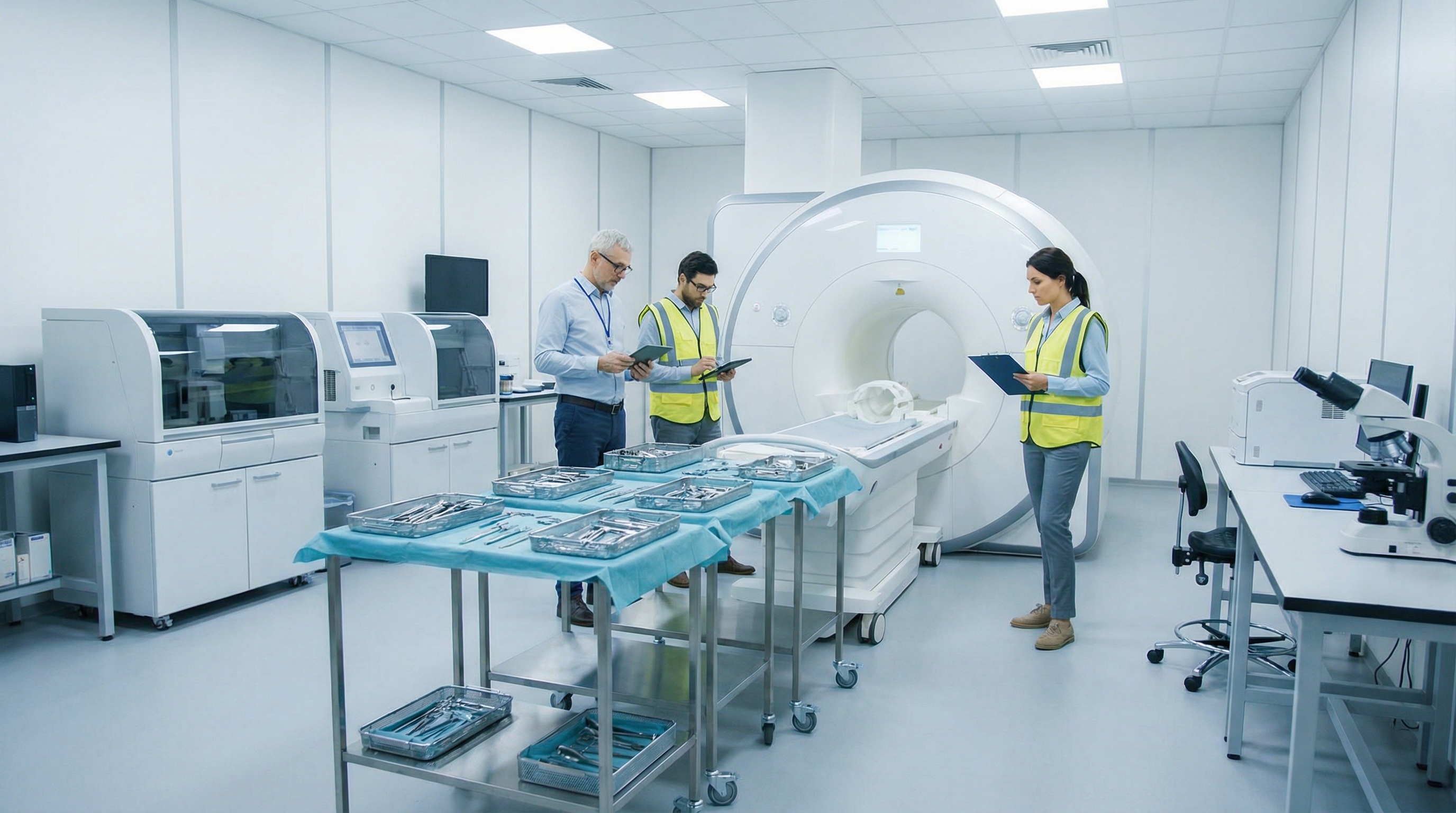
Physical condition assessment examines wear patterns, calibration status, usage history, and maintenance history. Equipment with complete service records and recent calibration certificates maintains higher value than neglected instruments. Appraisers also consider included accessories, software licenses, and specialized installation requirements that affect marketability.
Installation, decommissioning, and removal costs deserve their own attention. Instruments that need rigging, utility disconnection, or specialized relocation are worth less to a buyer who must pay to move them, and the appraiser accounts for that difference when the purpose involves a sale or liquidation rather than continued use in place.
Market research involves analyzing comparable sales data from dealers, auctions, and private transactions. Brand reputation significantly impacts value, with established manufacturers like Thermo Fisher, Agilent, and Waters typically maintaining stronger resale values than lesser-known brands. Current market demand, parts availability, and manufacturer support also influence final valuations.
Key Insight: Equipment condition and maintenance history often matter more than age alone. Well-maintained older instruments can outvalue newer equipment with poor service records.
Value standards used in laboratory equipment appraisals
The same spectrometer can carry several legitimate values depending on the question being asked. Naming the purpose up front lets the appraiser apply the right standard:
- Fair market value reflects a sale between a willing buyer and seller and is used for business sales, tax reporting, charitable donations, and divorce
- Replacement cost new reflects what equivalent new equipment would cost today and supports insurance limits and casualty loss claims
- Orderly liquidation value assumes a sale within a reasonable marketing period and is common in asset-based lending
- Forced liquidation value assumes a rapid sale, such as an auction in bankruptcy, and typically produces the lowest figure
After a casualty loss, the analysis can also help answer whether a damaged instrument is worth repairing by comparing the repair cost against the value of the equipment.
Common purposes for lab equipment appraisals
Insurance applications represent the most frequent appraisal purpose, particularly for specialized analytical instruments worth hundreds of thousands of dollars. Standard business insurance policies often cap scientific equipment coverage, making scheduled personal property endorsements essential. Professional appraisals establish replacement cost values for comprehensive coverage.
Financial and business transactions require current market valuations for asset-based lending, merger negotiations, and business sales. Banks evaluate lab equipment as collateral for loans, while buyers and sellers need accurate values for fair transaction pricing. Private equity firms and strategic acquirers particularly scrutinize equipment valuations during due diligence.
Legal and regulatory compliance encompasses tax reporting, charitable donations, estate planning, and litigation support. The IRS requires qualified appraisals for equipment donations exceeding $5,000, while divorce courts and bankruptcy proceedings demand professional valuations for equitable asset distribution. Regulatory audits may also trigger appraisal requirements for publicly traded companies. If you're navigating these complex situations, learning what to expect from a laboratory equipment appraisal can help streamline the process.
| Purpose | Value Type Used | Typical Timeline |
|---|---|---|
| Insurance Coverage | Replacement Cost New | 2-3 weeks |
| Business Sale/M&A | Fair Market Value | 3-4 weeks |
| Tax/Donation | Fair Market Value | 2-3 weeks |
| Financial Reporting | Fair Market Value | 1-2 weeks |
Preparing for your laboratory equipment appraisal
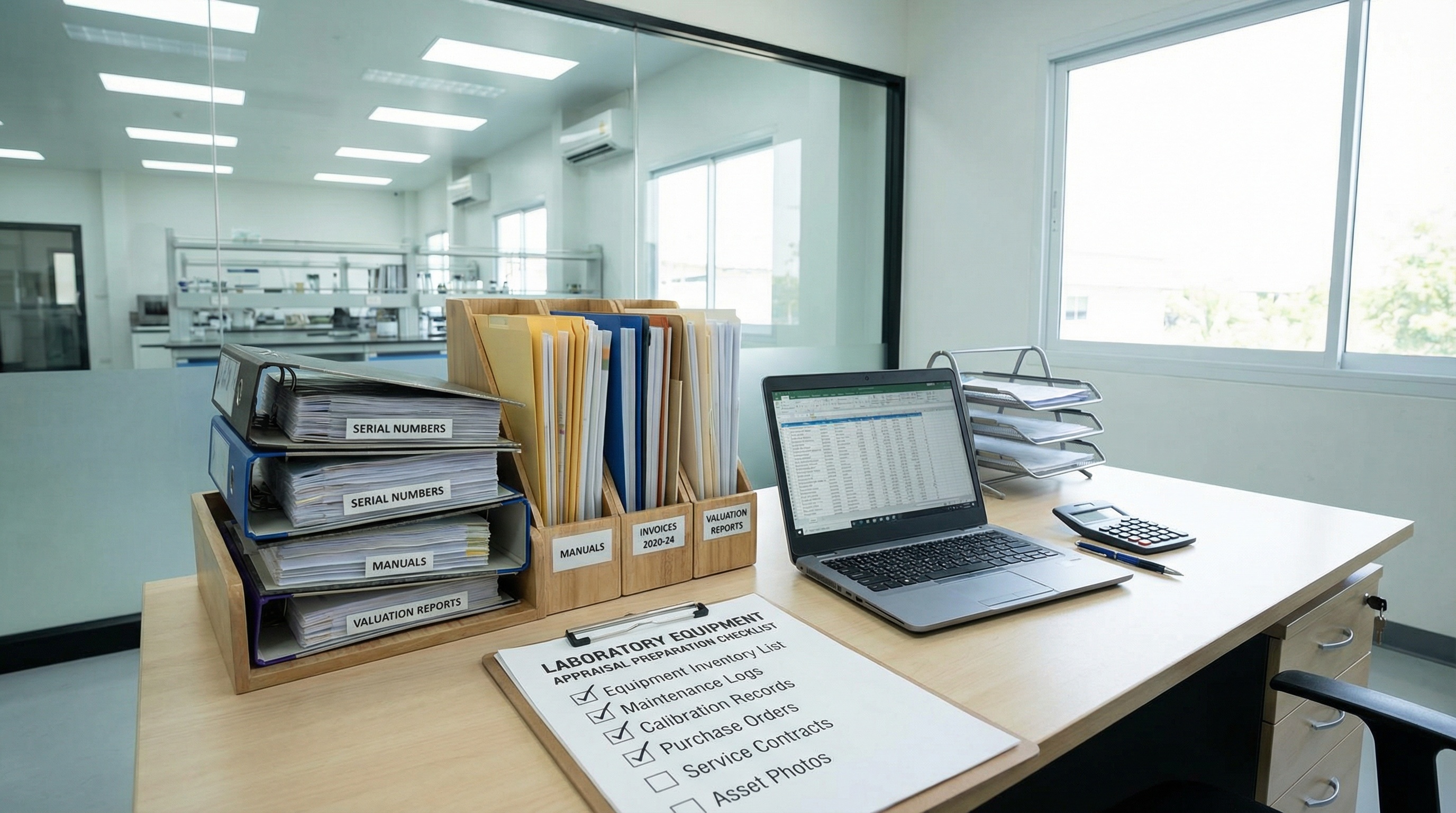
Proper preparation accelerates the appraisal process and improves accuracy. Start by creating a comprehensive inventory listing each instrument with manufacturer, model, serial number, and current location. Include purchase dates, original costs, usage history, and any major upgrades or modifications that affect value.
Gather supporting documentation including purchase invoices, service contracts, calibration certificates, and maintenance logs. These records help appraisers assess condition and remaining useful life more accurately. If original documentation is missing, contact manufacturers or service providers for equipment history when possible.
Organize physical access to all equipment and ensure instruments are clean and operational for inspection. Remove any personal items or temporary installations that might obscure equipment identification. Designate a knowledgeable contact person who can answer technical questions about equipment usage, performance, installation requirements, and any known issues. For comprehensive guidance, review our checklist for preparing your lab equipment for appraisal.
Pro Tip: High-quality photographs of each instrument, including serial number plates and any damage, can expedite desktop appraisals and serve as backup documentation for insurance claims.
Consider timing carefully, as appraisals during busy periods or when key personnel are unavailable can extend timelines. Most laboratory equipment appraisals take two to four weeks from initiation to final report delivery, depending on the number of items and complexity of the assignment. To avoid potential pitfalls, familiarize yourself with common mistakes to avoid during lab equipment appraisal.
The investment in professional laboratory equipment appraisal pays dividends through proper insurance coverage, accurate financial reporting, and smooth business transactions. AppraiseItNow provides USPAP-compliant appraisals nationwide, with specialized expertise in scientific and medical equipment across research, clinical, and industrial laboratories. Our qualified appraisers understand the unique factors affecting lab equipment values and prepare defensible reports built to hold up with insurers, courts, and regulatory agencies.