







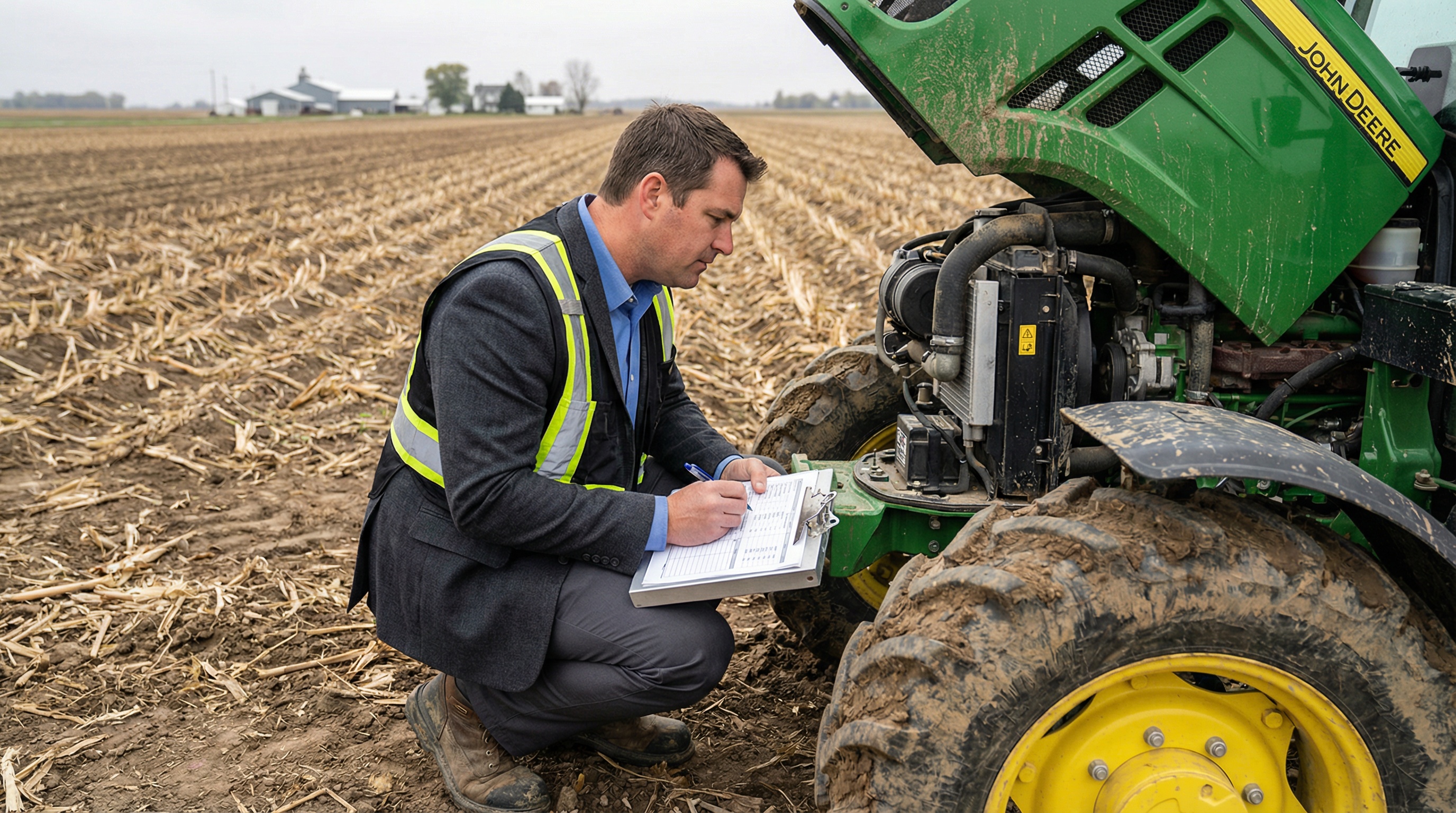
When your bank requires a certified appraisal for that $200,000 combine loan or the IRS questions your farm equipment donation, you quickly discover that not all appraisals are created equal. A credentialed farm equipment appraiser provides USPAP-compliant reports that hold up under scrutiny from lenders, insurers, and tax authorities.
Whether you're considering a career as a farm equipment appraiser or need to hire one for your agricultural operation, understanding the credentialing landscape is essential. The process involves specific designations from recognized organizations like the American Society of Appraisers (ASA), American Society of Agricultural Appraisers (ASAA), and Association of Machinery & Equipment Appraisers (AMEA).
Quick Answer: Farm equipment appraisers typically need 30-60 hours of coursework, 2-5 years of relevant experience, and must pass examinations through organizations like ASA or ASAA. Costs range from $2,000-$5,000 for initial credentialing.
This guide covers the major credentials available, step-by-step qualification requirements, typical costs, and what to look for when hiring a credentialed appraiser for your farm equipment needs.
A credentialed farm equipment appraiser has earned recognized professional designations through established appraisal organizations. Unlike general equipment appraisers, these professionals specialize in agricultural machinery and understand the unique factors affecting farm equipment values.
The credentialing process validates an appraiser's education, experience, and competency through rigorous requirements. Most credentials require completion of approved coursework, demonstration of practical experience, peer review of sample reports, and passing comprehensive examinations.
Credentialing differs from state licensing, which primarily applies to real estate appraisers. Farm equipment appraisers typically don't need state licenses but rely on professional designations for credibility and market acceptance.
The Appraiser Qualifications Board (AQB) sets minimum standards for real property appraisers but also provides guidance for personal property credentials. Many farm equipment credentialing organizations align their requirements with AQB recommendations to ensure professional standards. Understanding what sets professional farm equipment appraisers apart can help you appreciate the value of proper credentialing.

The American Society of Appraisers (ASA) offers Machinery & Technical Specialties (MTS) designations including Accredited Member (AM) and full ASA credentials. These designations require extensive education, experience documentation, and comprehensive examinations covering appraisal principles and machinery-specific knowledge.
The American Society of Agricultural Appraisers (ASAA) provides specialized certifications for agricultural equipment and livestock. Their programs include Principles and Advanced Principles courses delivered through home-study formats, making them accessible to rural practitioners.
The Association of Machinery & Equipment Appraisers (AMEA) focuses specifically on equipment valuation with credentials like Certified Machinery & Equipment Appraiser. These designations emphasize hands-on equipment knowledge and practical valuation experience.
Other relevant credentials include the Accredited Rural Appraiser (ARA) designation for those also handling rural real estate, providing comprehensive expertise for farm operations requiring both land and equipment appraisals. Before pursuing credentialing, it's helpful to understand the basics of farm equipment appraisal and how the industry operates.
OrganizationPrimary FocusEducation HoursExperience RequiredExam RequiredASA MTSGeneral machinery60+ hours2-5 yearsYesASAAAgricultural equipment30-45 hours2-3 yearsYesAMEAEquipment specialization40-50 hours3-4 yearsYesARARural property context75+ hours4-5 yearsYes
Building relevant background forms the foundation for farm equipment appraisal credentials. Many successful appraisers start with agricultural degrees, farm management experience, or equipment sales backgrounds. This industry exposure provides essential knowledge about machinery operations, maintenance, and market conditions.
Choosing your credentialing path depends on your career goals and geographic market. ASA credentials offer broad recognition but require more extensive preparation. ASAA certifications focus specifically on agricultural applications and may be more relevant for rural practitioners. Learning about exploring agricultural equipment appraisal processes can help you make an informed decision.
Pro Tip: Start with introductory courses from your chosen organization before committing to full credentialing. This helps you understand the time commitment and ensures the designation aligns with your professional goals.
Completing required coursework typically involves 30-60 hours of approved education covering appraisal principles, methodology, report writing, and equipment-specific topics. Many organizations offer online or home-study options accommodating working professionals.
Documenting experience requires maintaining detailed records of appraisal assignments, continuing education, and professional development. Most organizations require 2-5 years of relevant experience before granting full credentials.
Passing examinations tests both general appraisal knowledge and equipment-specific expertise. Preparation typically involves reviewing course materials, practicing with sample questions, and understanding USPAP requirements. Aspiring appraisers should also be aware of challenges facing agricultural appraisers today to better prepare for the profession.
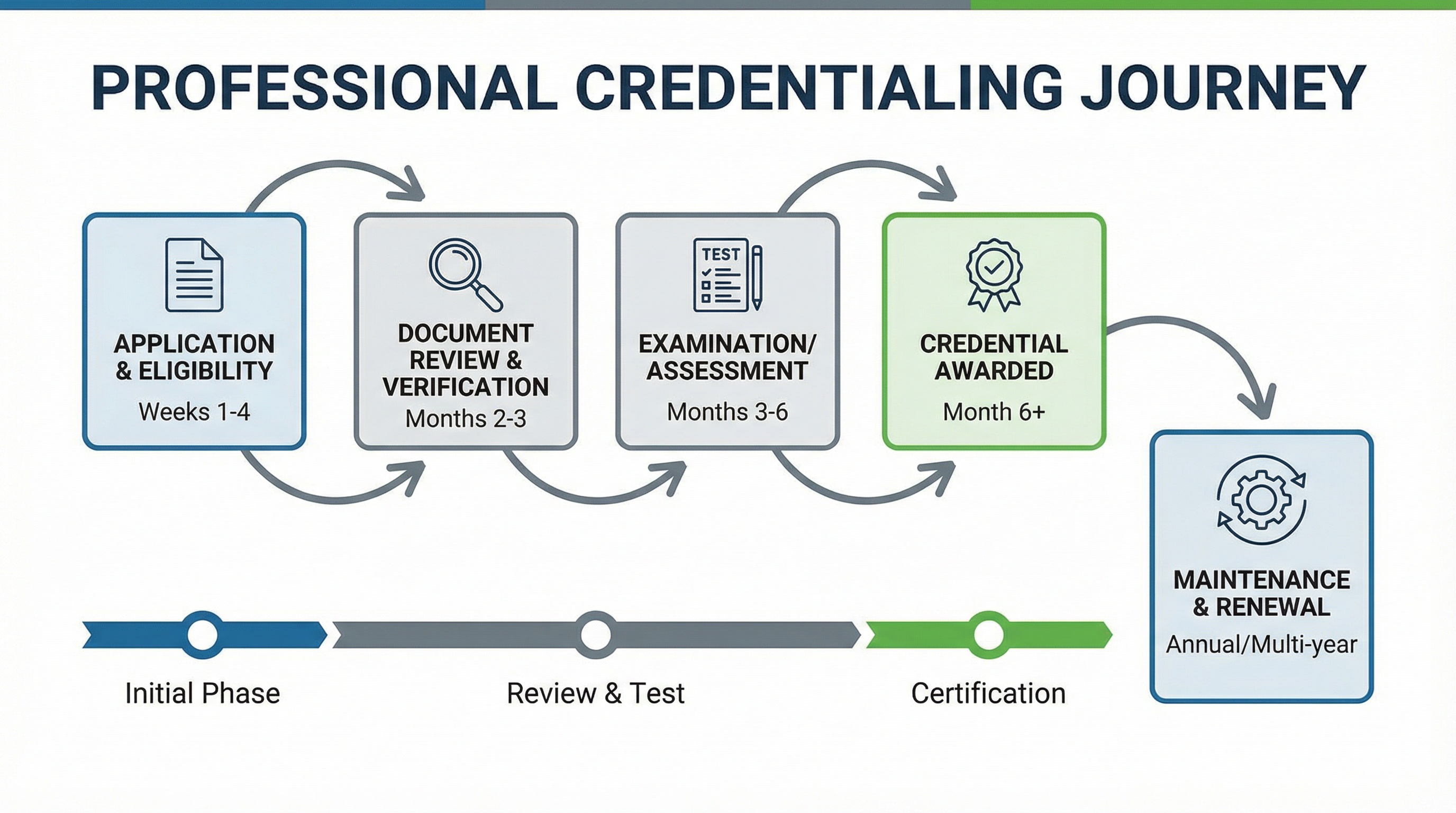
Initial credentialing costs vary significantly by organization and designation level. Introductory courses typically range from $500-$1,500, while advanced programs can cost $2,000-$4,000. Examination fees add another $300-$800 depending on the credential.
Application and designation fees range from $200-$1,000 for initial certification. These one-time costs cover application processing, credential verification, and initial membership benefits.
Ongoing expenses include annual membership dues of $150-$400, continuing education requirements of 14-28 hours every two years, and USPAP update courses every two years costing $200-$400. These recurring costs maintain credential validity and professional standing. For more details on financial considerations, review the cost of farm equipment appraisal services.
Hidden costs include travel for in-person courses or examinations, time away from billable work during training, and materials like reference books or software. Budget an additional $1,000-$2,000 for these indirect expenses during initial credentialing.
Most credentials require renewal every 2-5 years with documented continuing education and adherence to professional ethics codes. Failure to meet renewal requirements results in credential suspension or revocation, potentially impacting professional reputation and client acceptance.
When hiring a farm equipment appraiser, verify their credentials directly with the issuing organization. Legitimate credentials can be confirmed through organization websites or member directories. Ask for sample reports demonstrating USPAP compliance and equipment-specific expertise.
Look for appraisers with relevant experience in your equipment types and intended use. A credentialed appraiser specializing in dairy equipment may not be the best choice for grain harvesting machinery appraisals. Consider asking 10 essential questions to your farm equipment appraiser before making your selection.
Expect professional fees reflecting the appraiser's expertise and credential requirements. Credentialed appraisers typically charge $150-$400 per hour or $500-$2,000 per assignment depending on complexity and equipment value.
Quality credentialed appraisers provide detailed reports supporting their conclusions with market data, condition assessments, and methodology explanations. These reports withstand scrutiny from lenders, insurers, tax authorities, and legal proceedings. To maximize the value of your engagement, learn how to prepare for a farm equipment appraisal.
Understanding farm equipment appraiser credentialing protects your interests whether pursuing this career path or hiring professional services. Credentialed appraisers provide the expertise and professional standards essential for accurate, defensible valuations in today's agricultural marketplace.
At AppraiseItNow, our credentialed farm equipment appraisers hold recognized designations and provide USPAP-compliant reports accepted by major lenders, insurers, and tax authorities. Contact us to discuss your farm equipment appraisal needs with qualified professionals who understand agricultural operations and equipment markets.
Farm equipment appraisers typically need recognized professional designations from organizations like the American Society of Appraisers (ASA), American Society of Agricultural Appraisers (ASAA), or Association of Machinery & Equipment Appraisers (AMEA). These credentials require 30-60 hours of coursework, 2-5 years of relevant experience, and passing comprehensive examinations. While no state license is required for equipment appraisers, USPAP compliance and professional credentials are essential for credibility with lenders, insurers, and courts.
The timeline varies based on your background and chosen credential path, but typically ranges from 2-5 years. If you already have agricultural experience, you can complete required coursework in 6-12 months while simultaneously logging appraisal experience hours. Those starting without agricultural background may need additional time to build relevant experience. The process includes completing education requirements, gaining supervised experience, passing examinations, and submitting demonstration reports for peer review.
Initial credentialing costs typically range from $2,000-$5,000, including coursework ($500-$2,000), examination fees ($300-$800), and application costs ($200-$1,000). Ongoing expenses include annual membership dues ($150-$400), continuing education requirements every 2 years ($200-$600), and USPAP update courses ($200-$400). Budget an additional $1,000-$2,000 for indirect costs like travel, materials, and time away from billable work during the credentialing process.
ASA (American Society of Appraisers) offers Machinery & Technical Specialties designations with broad recognition but requires extensive preparation. ASAA (American Society of Agricultural Appraisers) focuses specifically on agricultural equipment and livestock with home-study options ideal for rural practitioners. AMEA (Association of Machinery & Equipment Appraisers) emphasizes hands-on equipment knowledge and practical valuation experience. Your choice depends on your background, geographic market, and whether you want agricultural specialization or broader machinery expertise.




