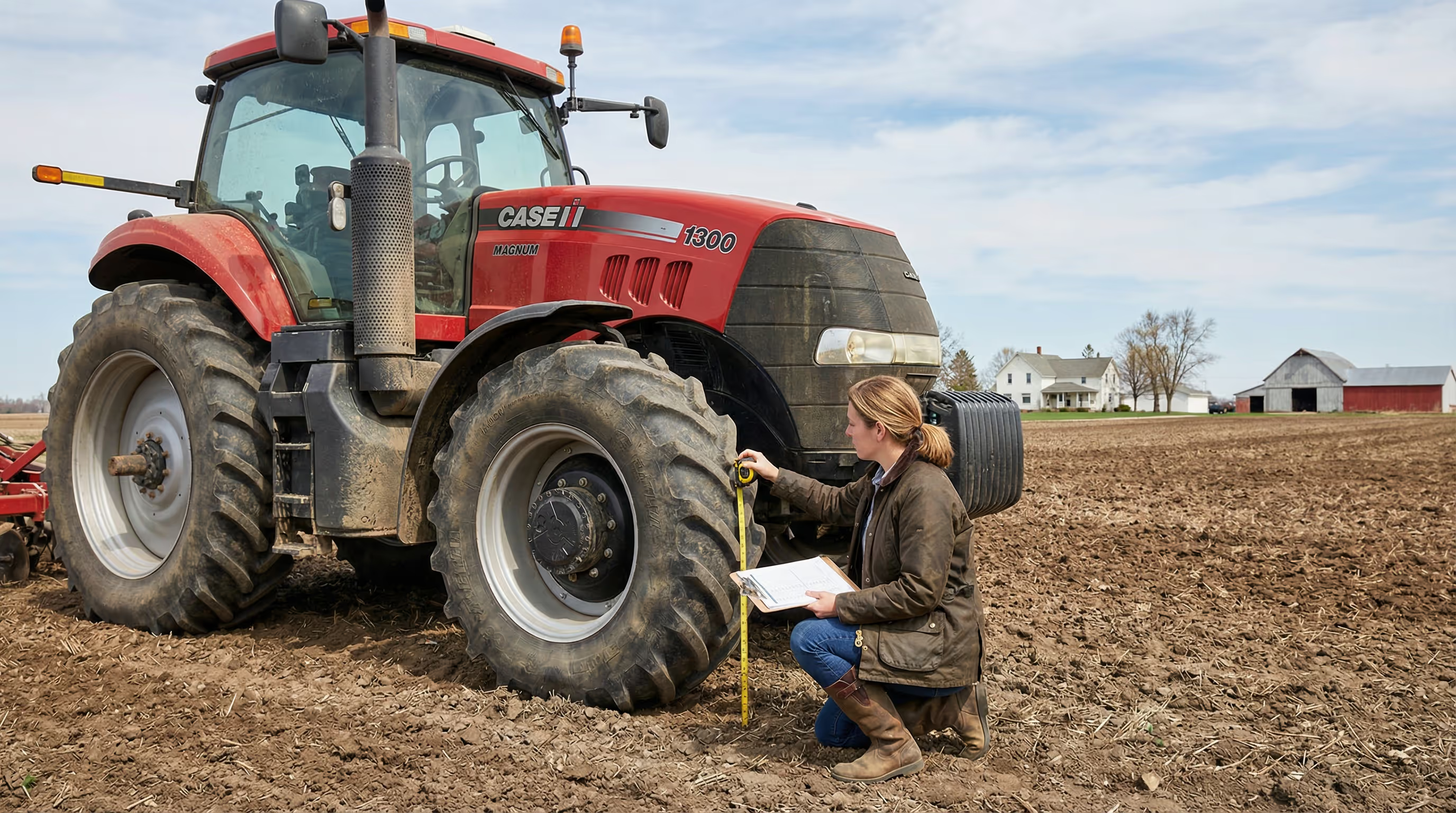
When you're buying or selling high-value farm equipment, getting an accurate valuation can mean the difference between thousands of dollars in your pocket or significant financial loss. Whether you need an appraisal for financing a new combine harvester, settling an estate with multiple tractors, or filing an insurance claim after equipment damage, the quality of your appraisal matters more than you might think.
Not all appraisals are created equal. A dealer's quick estimate or an auctioneer's opinion might seem sufficient, but banks, courts, insurance companies, and the IRS often require something more substantial. They need defensible, USPAP-compliant appraisal reports from qualified professionals who follow recognized standards and methodologies.
Quick Fact: Professional farm equipment appraisers must complete specialized training, maintain certifications, and follow Uniform Standards of Professional Appraisal Practice (USPAP) to produce reports accepted by financial institutions and legal entities.
This guide will show you exactly what separates qualified farm equipment appraisers from informal estimators, walk you through the professional appraisal process, and give you a practical checklist for selecting the right appraiser for your specific needs.
Farm equipment appraisal is the professional process of determining the fair market value, replacement cost, or liquidation value of agricultural machinery and implements. This specialized field covers everything from tractors and combines to irrigation systems and specialized harvesting equipment.
You typically need a professional appraisal when securing financing for equipment purchases, as lenders require accurate collateral valuations. Estate settlements often involve multiple pieces of machinery that need proper valuation for fair distribution among heirs. Insurance companies rely on appraisals to set coverage limits and process claims after theft or damage.

The key difference between a professional appraisal and a dealer quote lies in methodology and defensibility. While a dealer might provide a quick estimate based on their experience, a certified appraiser follows standardized procedures, documents their process thoroughly, and produces reports that stand up to scrutiny from banks, courts, and tax authorities.
Professional appraisals become essential when the stakes are high and accuracy matters most. Banks and credit unions require USPAP-compliant appraisals for equipment loans above certain thresholds because they need unbiased valuations to assess collateral risk properly.
Legal situations demand professional appraisals because courts recognize the credibility of certified appraisers who follow established standards. During divorce proceedings, business dissolutions, or estate disputes, having a defensible valuation prevents costly challenges and ensures fair outcomes.
Insurance companies often require professional appraisals for high-value equipment coverage. When filing claims, the difference between a professional appraisal and an informal estimate can determine whether you receive full compensation or face significant out-of-pocket expenses.
Important Note: The IRS specifically requires qualified appraisals for equipment donations over $5,000 and may scrutinize informal valuations during audits of depreciation claims or business asset transfers.
Tax situations present another critical need for professional appraisals. Whether you're claiming depreciation, making charitable donations, or transferring business assets, the IRS has specific requirements that only qualified appraisers can meet. Understanding when to hire a farm equipment appraiser can save you from costly mistakes down the road.
True qualification in farm equipment appraisal goes far beyond general experience with machinery. Professional appraisers typically hold relevant educational backgrounds in agricultural business, economics, or engineering, combined with specialized appraisal training.
The most recognized credentials include designations from the American Society of Appraisers (ASA) in Machinery and Technical Specialties, or certifications from the American Society of Agricultural Appraisers (ASAA). These organizations require rigorous education, testing, and peer review before granting designations.
USPAP compliance stands as the foundation of professional appraisal practice. Qualified appraisers complete mandatory USPAP training every two years and follow these standards in every assignment. This training covers ethical requirements, methodology standards, and report writing requirements that ensure consistency and defensibility.
Experience matters, but it must be the right kind of experience. Look for appraisers who have spent years specifically valuing agricultural equipment, understand seasonal market fluctuations, and can demonstrate successful completion of assignments similar to yours. Credentialing for farm equipment appraisers provides additional insight into the qualifications you should look for.
Professional appraisers use three recognized approaches to determine equipment value, often combining multiple methods for the most accurate assessment. The cost approach considers replacement cost new, then applies appropriate depreciation for age, condition, and obsolescence.
The sales comparison approach analyzes recent sales of comparable equipment, adjusting for differences in condition, location, and market timing. This method requires access to comprehensive databases and market intelligence that qualified appraisers maintain through professional networks.

Key factors that influence valuation include the equipment's make and model reputation, total operating hours, maintenance history, and any modifications or attachments. Technology obsolescence plays an increasingly important role as precision agriculture advances rapidly.
Market conditions significantly impact values, with seasonal demand patterns affecting different equipment types. Professional appraisers understand these cycles and adjust their analysis accordingly, considering both local and national market trends that might affect the equipment's value. For more details on appraising agricultural equipment, you can explore the comprehensive methodologies used in the field.
Valuation FactorImpact on ValueProfessional ConsiderationOperating HoursHigh impactCompared to industry averagesMaintenance RecordsMedium-HighDocumented vs. undocumented careTechnology LevelMedium-HighCurrent vs. obsolete featuresMarket DemandHigh impactSeasonal and regional variations
The professional appraisal process begins with a detailed discovery conversation where the appraiser determines your specific needs, intended use of the appraisal, and timeline requirements. This initial step ensures the final report meets your exact specifications and complies with relevant standards.
During the inspection phase, qualified appraisers conduct thorough on-site examinations, photographing equipment from multiple angles, recording serial numbers, and documenting condition details that affect value. They'll check operating systems, inspect for wear patterns, and note any modifications or damage.
Research and analysis follow the inspection, where appraisers consult multiple data sources including auction results, dealer listings, manufacturer specifications, and industry publications. This comprehensive research ensures the valuation reflects current market conditions accurately.
The final report compilation includes detailed descriptions, photographs, market analysis, and a clear statement of value with supporting rationale. Professional reports typically range from 15-30 pages and include all necessary documentation for your intended use.
Pro Tip: Prepare maintenance records, purchase invoices, and equipment specifications before the appraiser arrives to streamline the process and potentially reduce costs.
Quality control measures include internal review processes and adherence to professional standards that reduce the risk of challenges from lenders, courts, or tax authorities. This attention to detail protects your interests and ensures the appraisal serves its intended purpose effectively. Learn more about what to expect during a farm equipment appraisal to better prepare yourself.
Start by verifying the appraiser's professional credentials and ensuring they hold relevant designations from recognized organizations like ASA or ASAA. Ask about their specific experience with your type of equipment and confirm they regularly handle assignments for your intended use.
Request sample reports with sensitive information redacted to evaluate the appraiser's work quality and attention to detail. Professional reports should be comprehensive, well-organized, and clearly explain the methodology used to reach the stated value.
Confirm the appraiser's independence and lack of conflicts of interest. They should have no financial stake in the equipment's sale or use and should be able to provide objective, unbiased opinions that serve your best interests.
Discuss scope, timeline, and fees upfront to avoid surprises. Professional appraisers should provide clear engagement letters outlining exactly what services they'll provide, when you can expect results, and what the total cost will be. Before making your final decision, review these 10 essential questions to ask your farm equipment appraiser.
At AppraiseItNow, our certified appraisers combine national market reach with local expertise, maintaining the professional designations and USPAP compliance that ensure your appraisal meets the highest standards. Our reports have been accepted by thousands of banks, courts, and government agencies nationwide.
Understanding the investment in a professional appraisal pays dividends when accuracy matters most. While costs vary based on equipment complexity and report requirements, the value of having a defensible, accurate valuation far outweighs the expense when significant financial or legal decisions depend on that number. To better understand pricing, check out the cost of farm equipment appraisal.
The difference between a qualified professional appraiser and an informal estimator can determine whether your financial and legal interests are properly protected. By choosing an appraiser with the right credentials, experience, and commitment to professional standards, you ensure your equipment valuation will stand up to scrutiny and serve your needs effectively. Avoid common mistakes to avoid during a farm equipment appraisal by working with the right professional from the start.
Look for appraisers with recognized professional designations such as ASA (American Society of Appraisers) Machinery & Technical Specialties, ASAA (American Society of Agricultural Appraisers), or AMEA (Association of Machinery & Equipment Appraisers) certifications. They should also be USPAP-compliant, have specific experience with agricultural equipment, and be able to provide sample reports demonstrating their work quality and methodology.
Professional appraisals are typically required for equipment financing and loans, insurance coverage or claims, estate settlements, divorce proceedings, business valuations, tax reporting, charitable donations over $5,000, and legal disputes. Banks, courts, insurance companies, and the IRS often require USPAP-compliant appraisals from qualified professionals rather than informal estimates.
The timeline varies based on the scope and complexity of the assignment. Simple, single-location appraisals for a few pieces of equipment typically take 5-10 business days from inspection to final report. Large portfolios, multi-location assignments, or complex specialized equipment may require 2-4 weeks, depending on scheduling, research requirements, and report complexity.
Gather maintenance records, purchase invoices, equipment specifications, serial numbers, operating hours documentation, any previous appraisals, photos of the equipment, and records of major repairs or modifications. Having this information organized beforehand helps streamline the appraisal process, ensures accuracy, and may reduce overall costs by making the inspection more efficient.