When you're refinancing your farm operation or settling an estate with valuable equipment, guessing at machinery values can cost you thousands of dollars. Without a professional agricultural equipment appraisal, lenders might undervalue your collateral, insurance companies could shortchange your claims, and family disputes over asset division can drag on for months.
An agricultural equipment appraisal provides a documented, defensible value that's accepted by banks, courts, and the IRS. Whether you need financing for new equipment, proper insurance coverage, or fair estate distribution, understanding this process helps you get accurate valuations that protect your financial interests.
Quick Answer: Agricultural equipment appraisals typically take 3-5 business days for single machines and involve physical inspection, market research, and detailed reporting. Professional appraisers consider factors like age, condition, hours of use, and current market demand to determine fair market value.
This guide walks you through exactly what an agricultural equipment appraisal involves, when you need one, and how to prepare so you get the most accurate value for your farm machinery.
An agricultural equipment appraisal is a professional assessment that determines the current market value of farm machinery like tractors, combines, implements, and other agricultural equipment. Unlike a dealer quote or online estimate, a formal appraisal follows standardized procedures and produces a detailed report that meets legal and financial requirements.
The appraisal report includes the equipment's description, condition assessment, market analysis, and the appraiser's opinion of value. Most importantly, it's prepared by a qualified professional who understands agricultural markets and follows industry standards like USPAP (Uniform Standards of Professional Appraisal Practice).
You can appraise virtually any type of farm equipment, from small implements and attachments to large combines and specialty machinery. The process works for both individual pieces and entire fleets, whether the equipment is operational or needs repairs.

Understanding when to get a professional appraisal can save you significant money and legal headaches. Here are the most common situations where you'll need documented equipment values.
Financing and refinancing operations represent the most frequent use case. Lenders require appraisals to establish loan-to-value ratios and ensure adequate collateral. Without proper documentation, banks may discount your equipment's value by 20-30% or require additional collateral.
Estate planning and probate situations demand precise valuations for tax reporting and fair asset division. When family members inherit farm operations, professional appraisals prevent disputes and ensure everyone receives their rightful share based on actual market values. Understanding common challenges in probate appraisal can help you navigate this complex process more effectively.
Insurance coverage and claims rely on accurate valuations to set appropriate coverage limits. If your equipment is stolen or damaged, an existing appraisal speeds the claims process and helps ensure full compensation rather than depreciated book values.
Important: Many farmers discover their equipment is significantly under-insured only after filing a claim. Regular appraisals help maintain adequate coverage as equipment values fluctuate with market conditions.
The appraisal process follows a systematic approach that ensures accuracy and defensibility. Understanding each step helps you prepare effectively and know what to expect.
Initial consultation and scope definition starts the process. The appraiser discusses your specific needs, timeline, and the purpose of the appraisal. This determines which type of value to establish (fair market value, liquidation value, or replacement cost) and the level of detail required.
Document review and preparation happens before the physical inspection. You'll provide ownership documents, maintenance records, purchase agreements, and equipment specifications. This background research helps the appraiser understand your equipment's history and identify comparable sales data. Knowing what documents to bring to an agricultural equipment appraisal ensures a smoother process.
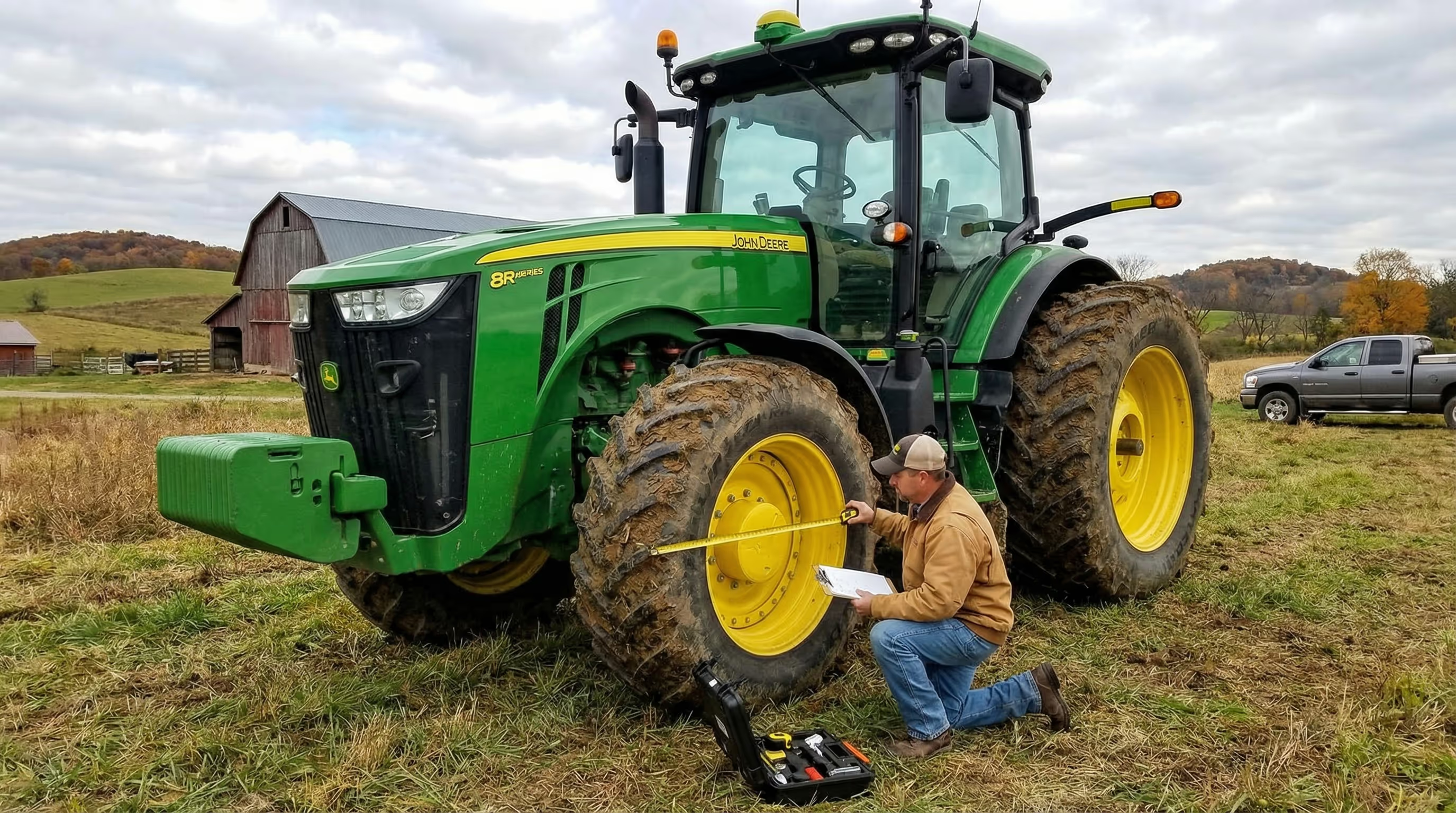
On-site inspection involves detailed examination of each machine's condition, functionality, and any modifications or attachments. The appraiser documents serial numbers, operating hours, maintenance needs, and takes photographs for the report.
Market research and analysis follows the inspection. The appraiser researches recent sales of comparable equipment, considers current market trends, and analyzes factors affecting value in your specific region.
Appraisal StepTimelineYour RoleInitial consultation1 dayDefine scope and purposeDocument preparation2-3 daysGather records and specificationsOn-site inspection1 dayProvide access and equipment historyReport preparation2-4 daysReview draft for accuracy
Several critical factors influence how appraisers determine your agricultural equipment's worth. Understanding these helps you maintain value and prepare for the appraisal process.
Physical condition and maintenance history carry the most weight in valuation. Well-maintained equipment with complete service records commands premium prices, while deferred maintenance can reduce values by 15-25%. Regular upkeep, proper storage, and documented repairs all support higher valuations.
Operating hours and usage patterns directly impact value, especially for tractors and combines. Low-hour machines in good condition often exceed book values, while high-hour equipment may require significant adjustments even if mechanically sound.
Market demand and regional factors create significant value variations. Equipment popular in your area may command higher prices than the same model in regions where it's less suitable. Seasonal timing also affects values, with spring typically bringing higher prices for planting equipment. Understanding how U.S. tariffs impact farm equipment appraisals is increasingly important in today's market.
Technology level and features increasingly influence modern equipment values. GPS guidance systems, precision agriculture capabilities, and emission compliance can add substantial value, while older technology may reduce marketability.
Pro Tip: Keep detailed maintenance logs and receipts for all service work. This documentation can add thousands to your equipment's appraised value by demonstrating proper care and reducing buyer risk concerns.
Selecting the right appraiser and preparing properly ensures you get accurate, defensible valuations that serve your specific needs.
Look for appraisers with relevant credentials like ASA (American Society of Appraisers) or AMEA (American Society of Appraisers Machinery & Equipment) designations. More importantly, verify they have specific experience with agricultural equipment rather than just general machinery knowledge. Learning what sets professional farm equipment appraisers apart helps you make an informed choice.
Preparation makes a significant difference in both accuracy and efficiency. Clean your equipment when possible, gather all documentation beforehand, and ensure easy access for inspection. Having someone available who knows each machine's history and any modifications helps the appraiser understand unique value factors. Following a comprehensive checklist for preparing your agricultural equipment can streamline the entire process.
Request written agreements covering scope, fees, and delivery timelines before starting. Professional appraisers provide clear contracts and can explain how their reports meet your specific requirements, whether for lending, legal, or tax purposes. Before hiring, consider asking these essential questions to your farm equipment appraiser.
Most agricultural equipment appraisals cost between $300-800 per machine, depending on complexity and travel requirements. While this might seem expensive, the value protection and financial benefits typically far exceed the appraisal cost.
Getting a professional agricultural equipment appraisal protects your financial interests whether you're seeking financing, planning your estate, or ensuring adequate insurance coverage. The systematic process provides documented values that lenders, courts, and insurance companies accept, giving you confidence in major financial decisions involving your farm machinery.

An agricultural equipment appraisal is a professional assessment that determines the current market value of farm machinery like tractors, combines, and implements. You need one for financing operations, estate planning, insurance coverage, and any situation requiring documented equipment values that banks, courts, and the IRS will accept.
Agricultural equipment appraisals typically take 3-5 business days for single machines. The timeline depends on the number of assets, their locations, and how quickly you can provide documentation. Large fleets or complex assignments may take several weeks from initial consultation to final report delivery.
Key factors include physical condition and maintenance history, operating hours and usage patterns, market demand in your region, technology level and features, age of the equipment, and seasonal timing. Well-maintained equipment with complete service records typically commands premium prices, while deferred maintenance can reduce values by 15-25%.
Most agricultural equipment appraisals cost between $300-800 per machine, depending on complexity and travel requirements. While this might seem expensive, the value protection and financial benefits typically far exceed the appraisal cost, especially when securing financing or ensuring proper insurance coverage.