Why might a Virginia tax assessment differ from an insurance claim value?
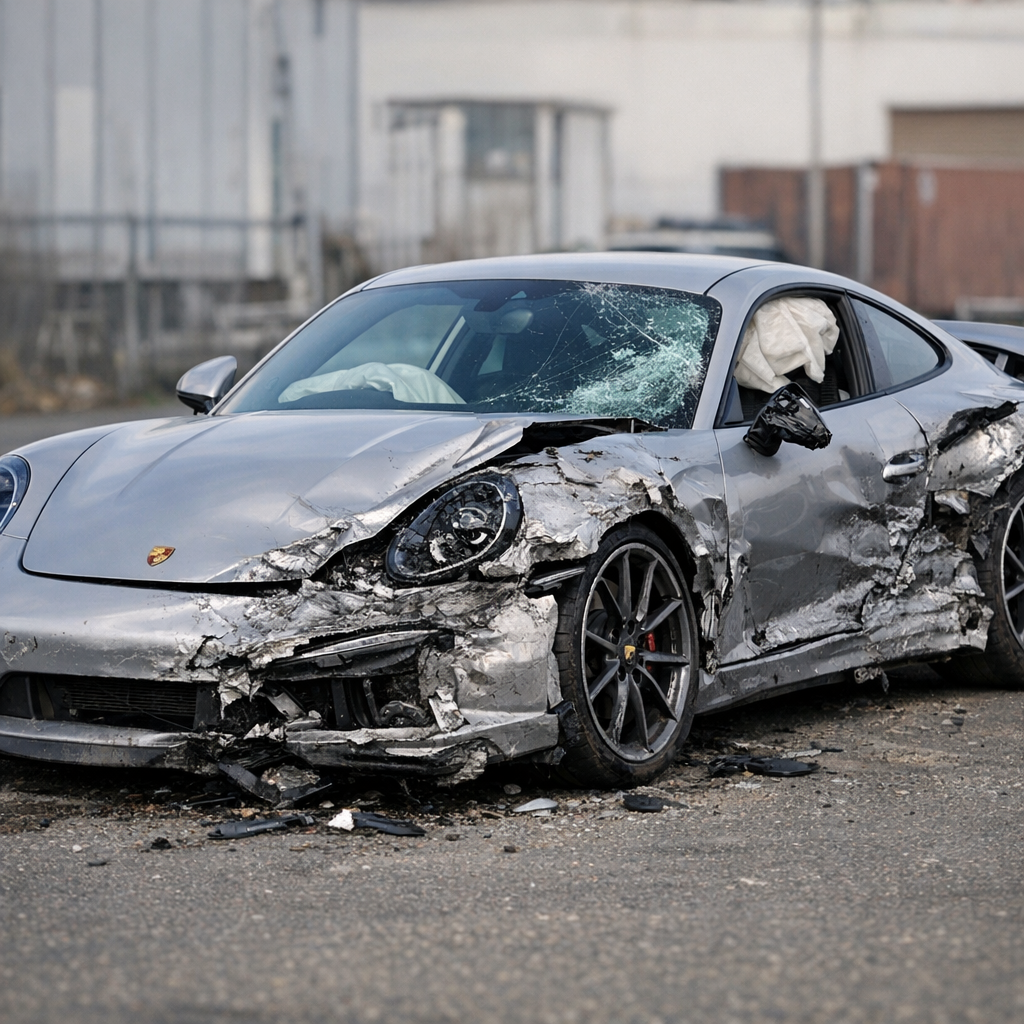
Because Virginia assesses vehicles for tax using the January 1 editions of the J.D. Power pricing guides, while a claim turns on condition and market value at the date of loss. The tax figure is a fixed annual snapshot that ignores mileage, options, and damage history, so the two numbers routinely diverge.
Can an independent appraisal challenge a Virginia business property assessment?
Yes. Va. Code § 58.1-3503 requires assessing officials to use methods reasonably expected to reach actual fair market value and to weigh condition, including technological obsolescence, on request. Machinery and tools valued by depreciated cost or percentage-of-cost under § 58.1-3507(B) can likewise be contested with a bona fide independent appraisal.
Who assesses tangible personal property in Virginia?
The local commissioner of the revenue or equivalent assessing official, who must assess all subjects of taxation at fair market value as of January 1 each year under Virginia's constitutional mandate. That local, annual process creates a documented value trail for vehicles, boats, business equipment, machinery, and tools.
Does Virginia license personal property appraisers?
No. The licensing regime in Title 54.1, Chapter 20.1 applies exclusively to real estate appraisal. No Virginia license governs appraisals of jewelry, art, vehicles, or business equipment for insurance claims or tax appeals, so the appraiser's professional qualifications and methodology carry the weight instead.










.jpeg)