About Automobile Appraisals in Virginia
AppraiseItNow provides professional automobile appraisals throughout Virginia for a wide range of purposes, including charitable donations, insurance claims, estate tax reporting, and divorce proceedings. Whether you need to establish the value of a classic car for a charitable contribution, document a vehicle's worth following an accident, determine fair market value for estate settlement, or support an equitable distribution in a divorce case, our credentialed appraisers deliver accurate, well-supported valuations.
AppraiseItNow offers both remote and onsite automobile appraisals, giving Virginia clients the flexibility to choose the inspection method that best fits their situation. Remote appraisals are completed efficiently using submitted documentation and photographs, while onsite appraisals allow for direct physical inspection of the vehicle anywhere in the state. We offer Fair Market Value (FMV), Replacement Value, Orderly Liquidation Value (OLV), Forced Liquidation Value (FLV), and Actual Cash Value (ACV) appraisals for various intended uses.
What Types of Automobile Do We Appraise in Virginia?
Our appraisers evaluate a broad spectrum of vehicles across Virginia, covering everyday transportation, specialty vehicles, and commercial assets. Common vehicle types we appraise include:
- Passenger cars and sedans
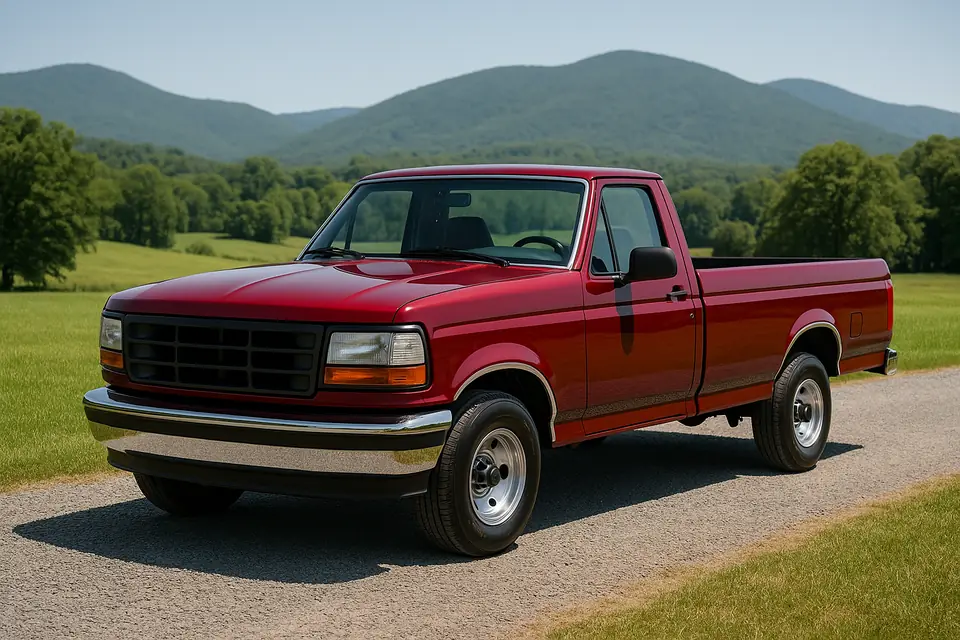
- Trucks and pickup trucks
- SUVs and crossovers
- Motorcycles and mopeds
- Classic and antique vehicles
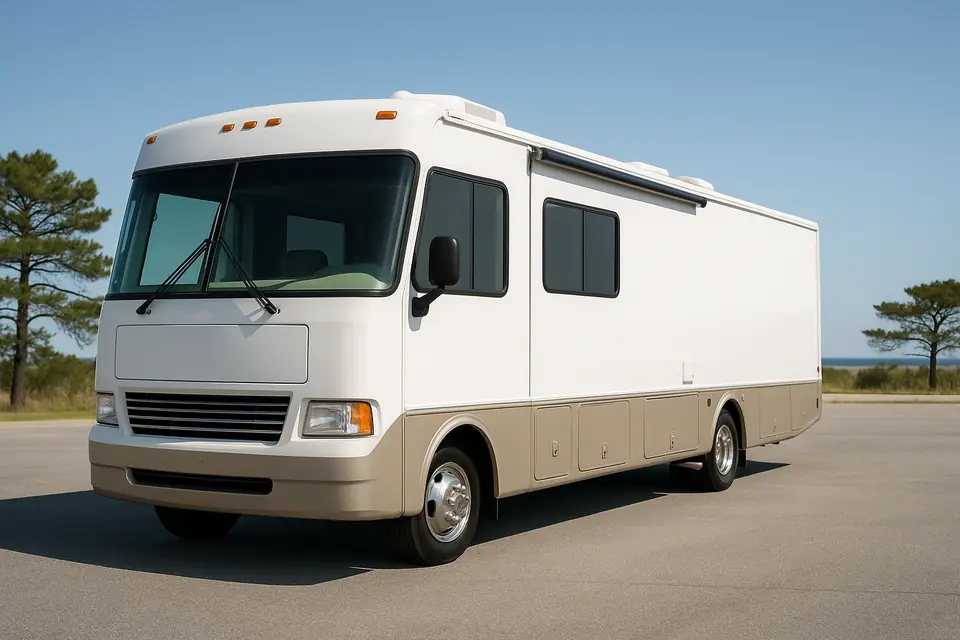
- Recreational vehicles (RVs) and campers
- Trailers and utility vehicles
- Electric and hybrid vehicles
- Commercial vehicles and fleet assets
- Exotic and collector automobiles
Whether the vehicle is a late-model daily driver, a restored vintage automobile, or a high-value exotic, our appraisers apply the appropriate methodology and market data to produce a credible, purpose-specific valuation. For vehicles with unique configurations, significant modifications, or limited comparable sales data, our team draws on specialized expertise to ensure accuracy and defensibility.
Virginia Automobile Appraisal Regulations and Market Context
Virginia does not require state licensing for automobile appraisers, meaning professionals can operate without state certification. However, appraisals conducted for insurance claims typically require personal inspection of the damaged vehicle by the insurer or a qualified repair facility. Under Virginia Code Ann. § 46.2-1602.1, if repair costs exceed 75% of a vehicle's actual cash value, the vehicle is deemed a total loss and the insurer must obtain a salvage or nonrepairable certificate from the Virginia DMV. This threshold is a critical benchmark in insurance claim appraisals and directly affects how Actual Cash Value is determined and applied.
For personal property tax purposes, Virginia localities reference recognized pricing guides such as NADA to assess vehicle values. If a specific model or year is not listed in those guides, vehicle owners may submit proof of fair market value, including a qualified appraisal, to the local commissioner of revenue. Proposed legislation in the 2026 General Assembly, including SB376, would further standardize motor vehicle appraisal disclosures in civil actions, reflecting growing legislative attention to how vehicle valuations are used in legal proceedings across the state.
Automobile Appraisal Purposes in Virginia
Donations
When donating a vehicle to a qualifying nonprofit or charity in Virginia, the IRS requires a qualified appraisal for vehicles valued above $5,000. The appraisal must establish Fair Market Value based on the vehicle's condition, mileage, and comparable sales data. A credible, USPAP-compliant appraisal supports your charitable deduction and protects you in the event of an IRS review.
Insurance Claims
Virginia's insurance appraisal framework requires personal inspection for damage assessments, and the 75% actual cash value total loss threshold under § 46.2-1602.1 makes accurate ACV determinations essential. Whether you are disputing a total loss determination, documenting pre-loss value, or supporting a diminished value claim, a professional appraisal provides the documented evidence needed to support your position with the insurer.
Estate Tax
When a vehicle is part of a decedent's estate in Virginia, an accurate Fair Market Value appraisal is required for estate tax reporting and equitable distribution among heirs. Appraisals must reflect the vehicle's value as of the date of death and be supported by comparable market data. A qualified appraisal ensures compliance with IRS requirements and provides a defensible basis for the estate's reported values.
Divorce
In Virginia divorce proceedings, vehicles are subject to equitable distribution as marital property. A professional appraisal establishes the current market value of each vehicle, providing an objective basis for negotiation or court proceedings. Accurate valuations help ensure that both parties receive a fair accounting of the marital estate, particularly for high-value, classic, or specialty vehicles where market value may be disputed.
Automobile Value Types Used in Virginia Appraisals
- Fair Market Value (FMV): The price a willing buyer and seller would agree upon in an open market, used for donations, estate tax, and divorce proceedings
- Replacement Value: The cost to replace the vehicle with a comparable substitute, commonly used for insurance coverage purposes
- Orderly Liquidation Value (OLV): The expected proceeds from a structured sale over a reasonable period, used in business and fleet contexts
- Forced Liquidation Value (FLV): The value achievable in an immediate or distressed sale, relevant in bankruptcy or rapid asset disposition scenarios
- Actual Cash Value (ACV): The vehicle's market value accounting for depreciation and condition, the standard measure in Virginia insurance total loss determinations under § 46.2-1602.1
Interesting Facts About Automobile Appraisals in Virginia
- Virginia's 75% total loss threshold is notably higher than the thresholds used in many other states, meaning insurers in Virginia must absorb more repair cost before declaring a total loss and pursuing salvage certification through the DMV.
- Proposed 2026 legislation SB376 would add motor vehicle appraisal disclosure requirements in civil actions under § 8.01-417.02, which could standardize how appraisal evidence is presented and challenged in Virginia courts.
- Virginia's ongoing DMV modernization efforts, including a shift toward electronic titling and digital documentation, are changing how appraisal-related paperwork is processed and submitted, making accurate and well-documented appraisals even more important for compliance.
Who Does AppraiseItNow Serve in Virginia?
AppraiseItNow serves individual vehicle owners, attorneys, estate administrators, insurance professionals, financial advisors, dealerships, and nonprofit organizations throughout Virginia who need reliable automobile appraisals for legal, financial, tax, or insurance purposes. From Northern Virginia to the Hampton Roads region and everywhere in between, our appraisers are equipped to support clients with straightforward and complex valuation needs alike.