









<h1>How to Get Your Williams FW07 Formula 1 Appraised</h1>
<p>The Williams FW07 stands as one of the most historically significant and technically advanced Formula 1 cars ever built. With current market estimates between <strong>$475,000 and $495,000</strong>, this iconic racer from the 1979-1980 era represents a substantial investment for collectors and automotive enthusiasts. Whether you're considering purchase, sale, insurance, or estate planning purposes, understanding how to properly appraise a Williams FW07 ensures you make informed decisions backed by professional expertise.</p>
<h2>The Legacy and Market Position of the Williams FW07</h2>
<p>Designed by <strong>Patrick Head</strong>, the FW07 dominated Formula 1 racing during its era in ways few cars have matched. It secured the Constructors' Championship in both 1979 and 1980, establishing Williams as an innovative force in motorsport. This competitive success directly translates to collector value—the FW07 represents not just a vehicle, but a milestone in F1 technological evolution.</p>
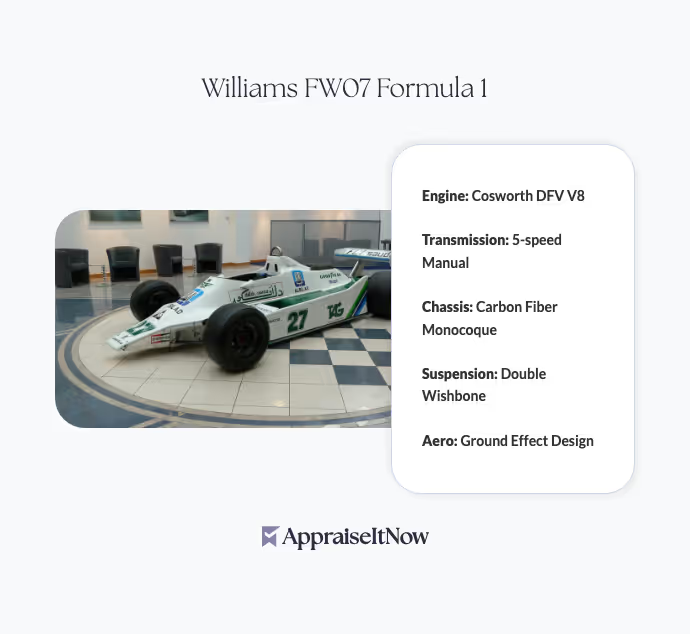
<p>The question of what makes the Williams FW07 special goes beyond raw performance. Its innovative ground effect aerodynamics gave it exceptional cornering speeds that competitors struggled to match. Combined with the powerful Cosworth DFV V8 engine and lightweight, aerodynamic construction, the FW07 embodied engineering excellence that still captivates collectors today. When evaluating <a href="/types/memorabilia-and-collectibles">memorabilia and collectibles</a> of historical significance, this combination of innovation, success, and rarity creates compelling appraisal fundamentals.</p>
<div class="callout tip"><p><strong>Collector's Insight</strong></p>
<p>Championship-winning cars with complete race history documentation typically command premiums of 15-25% over standard examples, making provenance critical to accurate valuation.</p></div>
<h2>Key Specifications That Affect FW07 Value</h2>
<p>When seeking a professional appraisal, understanding what appraisers examine helps you prepare proper documentation. The FW07's technical specifications remain central to its valuation across the collector market.</p>
<p>The car's lightweight construction, paired with its advanced aerodynamic design, represented cutting-edge technology for 1979. The <strong>Cosworth DFV V8 engine</strong> produced sufficient power for competitive advantage throughout both championship seasons. These engineering elements combined to create a vehicle that transcended typical <a href="/types/automobile">automobile appraisal</a> parameters—the FW07 demanded assessment as both a functional racing machine and historical artifact.</p>
<p>Multiple race wins and podium finishes across the 1979-1980 seasons provide documented performance history that appraisers reference. Cars with verified participation in specific famous races, particularly at circuits like Monaco or Silverstone, may command different valuations than examples with general season participation. This historical specificity requires detailed research when establishing fair market value.</p>
<h2>Condition Assessment and Originality Factors</h2>
<p>Professional appraisers evaluating your Williams FW07 examine multiple condition and originality markers that significantly impact valuation. Unlike typical <a href="/blog/appraising-vintage-and-collectible-cars-determining-their-true-worth">vintage and collectible car appraisals</a>, F1 cars present unique assessment challenges due to their specialized engineering and historical restoration considerations.</p>
<p>The integrity of original components matters substantially. Cars that retain matchable engine numbers, original chassis construction, and period-correct mechanical systems typically command higher valuations than examples requiring extensive restoration. However, the specific restoration philosophy—whether prioritizing show condition versus historically accurate original condition—can influence collector preference and final appraised value.</p>
<p>Documentation of maintenance and restoration history proves essential during appraisal. Cars with complete records from professional F1 specialists demonstrating proper care and period-accurate rebuilding justify higher valuations than vehicles with incomplete service histories. Professional appraisers will request photographs, receipts, and expert certifications for any work performed.</p>
<div class="callout note"><p><strong>Professional Standard</strong></p>
<p>USPAP-compliant appraisals for competition vehicles like the FW07 require comparative market analysis of recent sales, condition photography, and detailed mechanical inspection reports.</p></div>
<h2>Market Comparables and Recent Sales Data</h2>
<p>Understanding current market activity helps establish realistic appraisal expectations for your Williams FW07. The classic racing car market has experienced substantial appreciation over the past decade, driven by increased collector interest and limited supply of championship-caliber vehicles.</p>
<p>Recent transactions in the Formula 1 vintage market show strong demand for competitive machinery from the late 1970s and early 1980s. Cars with documented championship provenance, successful race records, and excellent condition typically achieve the upper range of valuation estimates. When you ask what is considered the best F1 car of all time, the FW07 frequently appears in serious discussions alongside the Ferrari 250 GTO in terms of historical significance, though in different market segments.</p>
<p>The estimated <strong>$475,000 to $495,000</strong> price range reflects current market conditions and comparable sales activity. However, individual valuations may vary based on specific championship credentials, race-winning history, current mechanical condition, and documentation completeness. Professional appraisers conduct thorough comparative market analysis to establish precise valuations within this range.</p>
<h2>Documentation and Provenance Requirements</h2>
<p>Preparing for your Williams FW07 appraisal requires compiling comprehensive documentation that establishes authenticity and historical significance. This preparation mirrors requirements for <a href="/types/business-assets">business asset valuations</a>—thorough documentation creates confidence in final valuations.</p>
<p>Essential documentation includes original technical specifications, race entry records, timing documentation from competition events, and any contemporary media coverage of the vehicle's performance. Photographs from different eras showing the car's condition history help appraisers understand restoration work and verify claimed originality. Service records from professional specialists demonstrate proper maintenance and support higher valuations than vehicles with incomplete histories.</p>
<p>Ownership history and chain of custody documentation strengthen appraisal credibility. If the FW07 participated in specific races, driver documentation, pit crew records, and contemporary race results validate those claims. Museums, racing archives, and period publications may contain photographic evidence supporting historical narratives about your specific car.</p>
<div class="callout tip"><p><strong>Appraisal Advantage</strong></p>
<p>Compile all available documentation before your appraisal appointment. High-quality photographs showing overall condition, engine bay detail, and distinctive identifying features accelerate the appraisal process and support accurate valuation.</p></div>
<h2>When to Seek Professional Appraisal Services</h2>
<p>You should obtain professional appraisal for your Williams FW07 in several specific circumstances. If you're planning to sell through auction houses or private treaty, certified appraisals establish realistic asking prices and support negotiation confidence. Insurance purposes require documented valuations that specify current replacement cost, ensuring adequate coverage for this significant asset.</p>
<p>Estate planning situations demand professional appraisals for fair distribution among beneficiaries. Legal proceedings involving asset division, divorce settlements, or tax valuations require USPAP-compliant appraisals that hold up under professional scrutiny. Loan applications or securing business financing may require certified valuations of significant <a href="/types/personal-property">personal property</a> holdings.</p>
<p>AppraiseItNow connects you with credentialed appraisers who specialize in vintage racing cars and understand the nuanced factors affecting F1 vehicle valuations. Our network includes experts with advanced automotive knowledge and familiarity with competition vehicle assessment methodologies that standard appraisers may lack.</p>
<h2>Technical Expertise and Appraiser Selection</h2>
<p>Selecting the right appraiser for your Williams FW07 requires understanding their specific expertise in competition vehicles. Look for credentials from organizations like the <strong>American Society of Appraisers (ASA)</strong>, <strong>International Society of Appraisers (ISA)</strong>, or <strong>Appraisers Association of America (AAA)</strong> that indicate professional standards and ongoing education.</p>
<p>Appraisers familiar with F1 history, racing car mechanics, and the specific performance characteristics of Cosworth DFV engines bring specialized knowledge that enhances appraisal accuracy. Ask potential appraisers about their experience with similar vehicles, previous valuations they've completed, and their methodology for establishing value in the competitive racing car market.</p>
<p>The appraiser should conduct thorough mechanical inspection, examine documentation, and prepare detailed photographic records as part of the engagement. Their final report should explain the valuation methodology, cite comparable sales, address condition factors, and provide clear documentation suitable for insurance companies, buyers, or legal proceedings.</p>
<h2>Maintenance and Value Preservation</h2>
<p>Properly maintaining your Williams FW07 supports long-term value retention and justifies higher appraisals over time. Unlike concerns about modern vehicle depreciation, classic racing cars with documented care often appreciate when storage and maintenance standards meet professional specifications.</p>
<p>Climate-controlled storage in appropriate facilities prevents rust, corrosion, and mechanical degradation. Regular exercise of the engine and mechanical systems maintains performance capability while preventing seals from drying and components from seizing. Documentation of all maintenance work performed creates an increasingly valuable service history that supports future appraisals and resale prospects.</p>
<p>Professional storage facilities specializing in competition vehicles understand these specific requirements. Insurance documentation should include photographs of your current storage conditions, as proper preservation practices support both coverage adequacy and appraisal valuations.</p>
<div class="callout note"><p><strong>Key Takeaway</strong></p>
<p>A certified appraisal of your Williams FW07 provides essential documentation for insurance coverage, sale preparation, and investment verification. Professional appraisers with expertise in competition vehicles and Formula 1 history ensure accurate valuation that reflects both the FW07's technological significance and its documented market position in the $475,000-$495,000 range. Whether you're buying, selling, or protecting this iconic racing car, USPAP-compliant appraisals from credentialed experts give you confidence that your valuation stands up to professional and financial scrutiny.</p></div>