









<h1>How to Get Your Seiko 6105 Turtle Diver Appraised</h1>
<p>The Seiko 6105 Turtle Diver has become one of the most coveted vintage timepieces in the collector's market today. Whether you've inherited one, discovered it in your collection, or are considering a purchase, understanding how to properly appraise this iconic watch ensures you know its true value. Current market estimates place a quality Seiko 6105 Turtle Diver between <strong>$800 and $1,200</strong>, though condition, provenance, and specific variants can push values significantly higher.</p>
<h2>Understanding Your Seiko 6105 Turtle Diver's Heritage</h2>
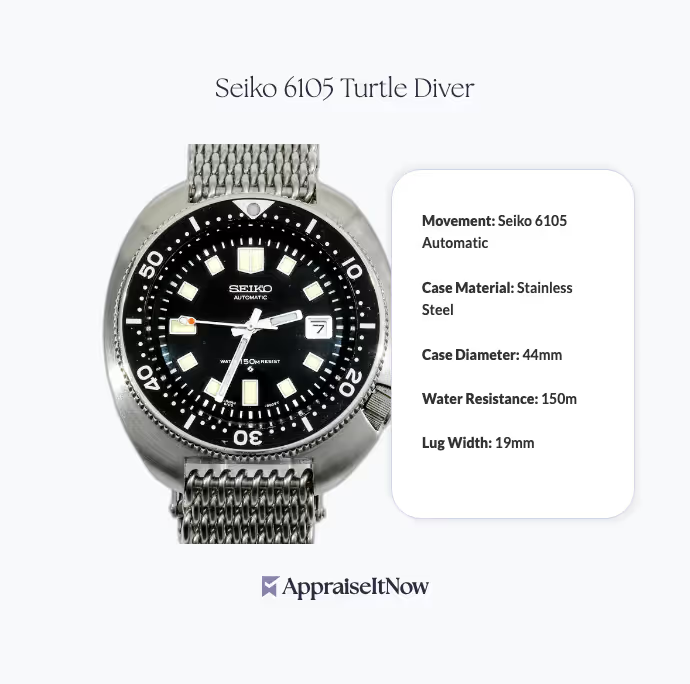
<p>Introduced in 1968 and produced through 1977, the Seiko 6105 Turtle Diver represents a unique moment in watchmaking history when Japanese manufacturers were just beginning to challenge Swiss horological dominance. The watch gets its "Turtle" nickname from its distinctive cushion-shaped case design, which collectors describe as resembling a turtle shell—both a functional and aesthetically compelling form factor that remains instantly recognizable over five decades later.</p>
<p>What makes the 6105 iconic? The combination of genuine innovation and reliable engineering. Seiko designed the watch specifically for professional diving with a rotating bezel for decompression calculations, water resistance to 150 meters, and the legendary Seiko 6105 automatic movement known for exceptional durability. As the last true classic Japanese dive watch before the industry shifted toward quartz technology, the Turtle carries historical weight that resonates with collectors seeking both functional quality and period authenticity. Understanding these factors helps explain why your 6105 commands attention in today's market and why professional appraisal becomes essential.</p>
<h2>What Makes a Seiko Turtle Worth the Price?</h2>
<p>Your Seiko 6105 Turtle Diver's value isn't arbitrary—it reflects multiple converging factors that professional appraisers evaluate during the valuation process. Unlike modern watches that depreciate with use, the 6105 has demonstrated consistent appreciation as its production window closes further into the past and educated collectors recognize its significance.</p>
<p>The movement itself explains much of the appeal. Seiko's 6105 caliber represents a major achievement in mechanical watchmaking, delivering accuracy and longevity that exceeded contemporary standards. Divers who actually used these watches in professional underwater work praise their reliability, while collectors today value that proven track record as evidence of superior engineering. The watch's water resistance of 150 meters was genuinely impressive for 1968, placing it among the most capable dive instruments available at any price point. The rotating bezel, rather than being decorative, served a functional purpose in calculating decompression times—a critical safety feature that enhanced the watch's professional credibility.</p>
<p>Rarity also factors heavily into appraisals. Seiko produced these watches for approximately nine years, but surviving examples in original condition have become increasingly scarce. The watches were designed for hard use in ocean environments, and many have been serviced repeatedly, modified, or simply worn into conditions that reduce collector appeal. This scarcity, combined with growing recognition of the 6105's historical importance, continues pushing values upward for well-preserved examples.</p>
<div class="callout tip"><p><strong>Pro Tip</strong></p>
<p>A watch in excellent original condition with all matching parts typically commands 30-50% premiums over examples showing heavy wear or modifications.</p></div>
<h2>Key Specifications That Affect Appraisal Value</h2>
<p>When a professional appraiser examines your Seiko 6105 Turtle Diver, they evaluate specific technical elements that directly impact valuation. The case material, for instance, is consistently stainless steel across 6105 production—there were no precious metal variants, which simplifies authentication but also creates a clear baseline for evaluation.</p>
<p>The dial configuration varies slightly across the production run, and these variations matter considerably for value determination. Early models feature slightly different typography and dial finishes compared to later examples. Your appraiser will photograph the dial closely and compare it against documented references to establish its authenticity and production period. Dials remain one of the easiest elements to modify, making detailed dial examination a crucial part of professional appraisals.</p>
<p>The caseback markings provide another critical data point. Authentic Seiko 6105 cases display specific Japanese markings indicating the case number and reference. Counterfeit watches—a concern even in this price range—often feature poorly executed caseback engravings or incorrect character combinations. This is where expertise matters; certified appraisers maintain detailed reference libraries to validate every element of your watch.</p>
<table class='appraisal-table'>
<thead>
<tr>
<th>Element</th>
<th>Original Specifications</th>
<th>Variation Impact</th>
</tr>
</thead>
<tbody>
<tr>
<td>Case diameter</td>
<td>42.5-43mm</td>
<td>Acceptable variance</td>
</tr>
<tr>
<td>Water resistance</td>
<td>150 meters</td>
<td>Core feature—must be original</td>
</tr>
<tr>
<td>Bezel action</td>
<td>Smooth rotation</td>
<td>Essential to value</td>
</tr>
<tr>
<td>Crystal</td>
<td>Original mineral</td>
<td>Acrylic acceptable if period-correct</td>
</tr>
<tr>
<td>Movement</td>
<td>Seiko 6105 caliber</td>
<td>Any deviation reduces value significantly</td>
</tr>
</tbody>
</table>
<h2>Authentication and Spotting Counterfeit Examples</h2>
<p>One of the most common questions collectors ask: "How do I spot a fake Seiko Turtle?" Authentication has become increasingly important as collector awareness has driven prices higher, unfortunately attracting counterfeiters seeking quick profits. This makes professional appraisal services particularly valuable for anyone considering a purchase—getting confirmation that your 6105 is genuine protects your investment and provides documented evidence of authenticity.</p>
<p>Experienced appraisers examine several authentication markers that counterfeiters struggle to replicate accurately. The Seiko signature on the dial requires specific stroke weight and angle—minor deviations immediately suggest problems. The printed dial text, including the depth rating and model designation, must match precise fonts from specific production years. The movement itself tells a story; genuine 6105 movements display particular finishing techniques and component layouts that counterfeiters replicate imperfectly.</p>
<p>Serial numbers provide another authentication layer. The case serial number should align with the movement serial number and production records, confirming the watch wasn't assembled from mixed parts. Appraisers can cross-reference these numbers against Seiko's historical production databases to establish accurate manufacturing dates and identify any inconsistencies suggesting restoration, parts replacement, or fraud.</p>
<div class="callout note"><p><strong>Authentication Insight</strong></p>
<p>A certified appraisal specifically verifying authenticity adds significant value during resale, as buyers feel confident purchasing with professional verification included.</p></div>
<h2>Condition Assessment and Its Impact on Value</h2>
<p>The condition of your specific Seiko 6105 Turtle Diver remains the single most important factor determining its appraisal value. Two apparently similar watches from the same production year can carry substantially different prices based on how they've been preserved or maintained over the decades.</p>
<p>Professional appraisers grade condition systematically, examining the case for scratches, dings, or polishing that might have altered its original dimensions. The dial gets scrutiny for fading, spotting, or any damage to the printed graphics. The bezel insert—typically fading from its original deep orange hue to lighter tones—rates evaluation for discoloration patterns consistent with age versus deterioration suggesting improper storage. The crystal presents opportunities for both damage and replacement; original mineral crystals with minor scratches retain more value than heavily cloudier examples, though replacement with period-appropriate acrylic can sometimes preserve value better than deteriorated originals.</p>
<p>The movement condition matters even though it's typically hidden away. When a qualified appraiser opens the caseback, they assess the movement's cleanliness, the presence of original specifications, and any signs of previous service or modification. Original movements in clean condition command premiums, while movement swaps or significant modifications typically reduce value substantially since they compromise the watch's historical integrity.</p>
<p>Water resistance testing should accompany any professional appraisal, though trained appraisers typically assess this without actually pressure-testing the watch, as this could damage original components. They evaluate the crown operation, the crystal-to-case seal integrity, and the caseback gasket condition to estimate actual water resistance rather than subjecting your watch to potentially harmful testing.</p>
<h2>Where to Find Professional Appraisal Services</h2>
<p>Seeking appraisals from qualified experts distinguishes between receiving a casual estimate and obtaining documented professional valuation. Platforms like <strong>AppraiseItNow</strong> connect collectors with certified appraisers specializing in vintage timepieces who understand the nuanced factors affecting Seiko 6105 values. These experts typically hold credentials from recognized organizations including AAA, ISA, ASA, CAGA, or AMEA, ensuring they operate under established industry standards including USPAP compliance.</p>
<p>When selecting an appraiser, confirm their specific experience with vintage Japanese dive watches. A generalist might provide basic valuation, but someone who specializes in <a href="/blog/what-you-need-to-know-about-rare-watch-appraisals">rare watch appraisals</a> brings contextual expertise about market trends, variant identification, and fair pricing that protects your interests whether you're buying, selling, or insuring. You can submit photographs and detailed descriptions through secure online platforms, allowing remote appraisals that provide professional documentation without requiring in-person meetings.</p>
<p>The appraisal process itself typically involves photographing your watch from multiple angles, documenting specific condition observations, reviewing movement specifications, and comparing recent comparable sales to establish fair market value. Quality appraisers provide detailed written reports suitable for insurance companies, auction houses, or estate planning purposes.</p>
<div class="callout tip"><p><strong>Professional Perspective</strong></p>
<p>A comprehensive appraisal report costs between $200-500 but provides documentation that protects your investment for insurance, sale, or estate purposes—typically repaying the cost many times over.</p></div>
<h2>Investment Potential and Market Trends</h2>
<p>The Seiko 6105 Turtle Diver occupies an interesting position in the broader vintage watch market. It's not quite at the rarefied altitude of certain Rolex sports models, yet it commands respectable premiums that have accelerated significantly in the past decade. Understanding these market dynamics helps contextualize your specific watch's value within the broader <a href="/types/memorabilia-and-collectibles">memorabilia and collectibles</a> landscape.</p>
<p>What is the most sought-after Seiko watch? That designation arguably belongs to the 6105 Turtle Diver, which has eclipsed even rarer Seiko models in recent collector enthusiasm. The watch represents an inflection point in horological history—the moment when Japanese manufacturers proved they could compete at the highest levels of mechanical watchmaking quality and design innovation. Collectors increasingly view the 6105 as comparable to more celebrated Swiss contemporaries, yet often available at a fraction of equivalent Rolex or Omega prices.</p>
<p>The market has shown consistent appreciation. Examples that sold for $300-400 a decade ago now command $800-1,200 in similar condition, representing healthy annual appreciation. This trajectory reflects several factors: the finite supply of well-preserved originals, growing international collector recognition particularly from European and Asian markets, and increasing media attention to Japanese horological heritage. Films and documentaries about watchmaking history have elevated the 6105's profile, introducing new collectors to its significance.</p>
<h2>Insurance and Documentation Considerations</h2>
<p>For collectors investing significant capital in vintage watches, proper insurance coverage protects against loss, theft, or damage. Most standard homeowner's policies provide limited coverage for collectible items, typically capping watch coverage at $500-1,000 regardless of actual value. This is where professional appraisals become essential—you need documented proof of value to justify specialized collectibles coverage.</p>
<p>Insurance companies require current appraisals establishing fair market value, typically accepting USPAP-compliant reports from certified professionals. The appraisal serves as your evidence that your Seiko 6105 Turtle Diver is worth $800-1,200 or potentially higher depending on condition and specific characteristics. When seeking insurance quotes, always provide copies of your detailed appraisal report; this typically results in lower premiums since insurers understand they're protecting a genuinely valuable and replaceable asset.</p>
<p>Maintaining documentation photographing your watch from multiple angles creates additional protection. Professional appraisers typically include high-resolution photos in their reports, but you should also maintain your own records showing condition at the time of appraisal. This documentation becomes valuable if you ever need to file an insurance claim, proving the watch's condition before any incident occurred.</p>
<h2>Comparing the 6105 to Other Collectible Seiko Models</h2>
<p>Collectors often wonder about differences between various Seiko Turtle iterations and how they affect value. The 6105 represents the original Turtle design, predating the later 7002 and modern SKX models by several years and carrying premium value as the pioneering example. These earlier models established the aesthetic language that Seiko continues today—the cushion case shape, rotating bezel, and functional dial layout defined what a dive watch should be.</p>
<p>Which is better, Seiko Samurai or Turtle? The question reveals different collector priorities. The Samurai, introduced much later, offers modern reliability and affordability but lacks the 6105 Turtle's historical significance and collector appreciation trajectory. A modern Samurai might serve better for actual diving use, while the vintage 6105 appeals to collectors valuing history and proven mechanical excellence. This distinction helps explain why professional appraisals specifically identify your watch's exact model and production year—these details fundamentally affect value positioning.</p>
<p>Understanding historical context matters for appraisal purposes. Who wears Seiko Turtle? The answer has evolved from professional divers in the 1970s to today's hybrid audience of actual dive professionals appreciating the reliability, collectors seeking historical significance, and enthusiasts drawn to Japanese horological heritage. This diverse demand base supports the consistent value appreciation that appraisals document year after year.</p>
<div class="callout note"><p><strong>Market Insight</strong></p>
<p>Professional appraisers track these market distinctions closely, ensuring your specific 6105 variant receives accurate valuation relative to comparable examples rather than generic Seiko watch pricing.</p></div>
<h2>Making Your Appraisal Investment Count</h2>
<p>Whether you're appraising your Seiko 6105 Turtle Diver for insurance purposes, prior to sale, or simply to understand what you own, professional appraisal services deliver value far exceeding their cost. You gain accurate market documentation, expert authentication confirmation, and detailed condition assessment that protects your interests in any transaction or coverage scenario.</p>
<p>The process itself takes minimal time—photographing your watch and submitting images through platforms like <strong>AppraiseItNow</strong> puts expert appraisers to work on your timeline. Within days you receive comprehensive documentation establishing fair market value with the authority and credibility that protects you whether you're negotiating with a buyer, securing insurance coverage, or planning your estate.</p>
<div class="callout note"><p><strong>Key Takeaway</strong></p>
<p>Your Seiko 6105 Turtle Diver represents a significant collectible asset deserving professional appraisal. Certified valuation between $800-$1,200 (or potentially higher for exceptional examples) provides documented proof of value for insurance, sale, or personal collection management purposes. Professional appraisers deliver the expertise and documentation necessary to maximize the protection and understanding of this iconic Japanese timepiece.</p></div>