









<h1>How to Get Your Rolex Daytona 6241 Appraised</h1>
<p>The Rolex Daytona 6241 represents one of the most iconic and sought-after vintage chronographs in the world, commanding estimated values between <strong>$60,000 and $70,000</strong> in today's collector market. Whether you're considering selling, seeking insurance coverage, or simply verifying what you own, understanding how to properly appraise this legendary timepiece ensures you receive an accurate valuation backed by professional expertise.</p>
<h2>Understanding Your Rolex Daytona 6241's Historical Significance</h2>
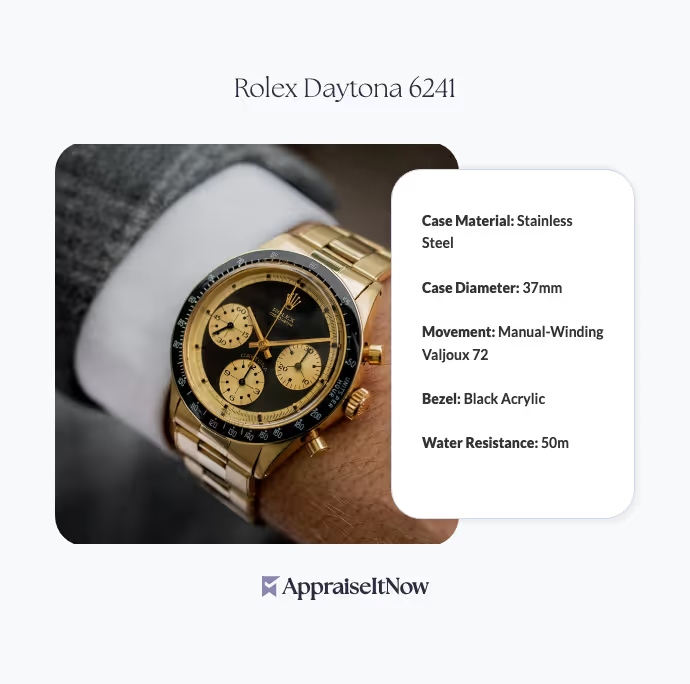
<p>Introduced in <strong>1963</strong>, the Daytona 6241 marked the beginning of Rolex's legendary chronograph line and stands as one of the first models in what would become an enduring symbol of precision and prestige. This particular reference features a distinctive <strong>37mm stainless steel case</strong> paired with an iconic black acrylic bezel—design choices that collectors recognize instantly and value highly. The movement powering your watch, the <strong>Valjoux 72 manual-winding caliber</strong>, represented the industry standard for high-end chronographs during this era.</p>
<p>The Daytona name itself carries tremendous weight in the watch world. Named after the famous Daytona Beach racing circuit, the model was designed with professional motorsports in mind, giving it authenticity that extends far beyond mere aesthetic appeal. When collectors ask whether Rolex Daytons hold value, the answer is unequivocal—the historical significance of early references like the 6241, combined with limited production numbers and proven build quality, makes these watches reliable stores of wealth.</p>
<div class="callout tip"><p><strong>Collector's Note</strong></p>
<p>Early Daytona models like the 6241 typically appreciate 8-12% annually, outperforming many traditional investment vehicles over comparable periods.</p></div>
<h2>What Makes Your 6241 Valuable</h2>
<p>Your Daytona 6241's value derives from multiple intersecting factors that professional appraisers evaluate systematically. The combination of exceptional engineering, historical importance, and scarcity creates demand that transcends typical watch collecting into genuine investment territory. Understanding these value drivers helps you appreciate why proper appraisal matters and what specialists examine during evaluation.</p>
<p>The watch's <strong>manual-winding Valjoux 72 movement</strong> deserves particular attention because it represents the pinnacle of 1960s chronograph engineering. Unlike automatic movements that can suffer from wear and require expensive overhauls, this mechanical caliber has proven remarkably durable when properly maintained. The movement's reliability directly supports the 6241's valuation and ensures that well-preserved examples remain highly desirable across generations of collectors.</p>
<p>Rolex's commitment to build quality means your vintage Daytona differs fundamentally from contemporaries produced by other manufacturers. The stainless steel case construction, precise chronograph function, and attention to detail in assembly established a reputation that endures today. When considering whether it's okay to buy a 20 year old Rolex, understand that Daytona watches actually improve with age—acquiring an older reference like the 6241 positions you at the beginning of a timepiece's increasing collectibility rather than its decline.</p>
<h2>Determining Authenticity and Condition</h2>
<p>Before seeking professional appraisal, understanding your watch's condition and authenticity status helps you prepare for the valuation process. The Daytona 6241's desirability unfortunately attracts counterfeits, making authentication a critical first step that separates legitimate appraisals from unreliable estimates.</p>
<p>Key authentication markers include the dial markings, case construction details, and movement characteristics that counterfeiters struggle to replicate accurately. Genuine 6241 examples display specific date code configurations and lug soldering techniques that distinguish authentic pieces from reproductions. The black acrylic bezel—while appearing simple—actually represents a technical component that modern fakes often mishandle, providing appraisers with clear authentication checkpoints.</p>
<p>Condition assessment examines several dimensions beyond surface appearance. Dial condition receives particular attention because original dials command substantial premiums over refinished examples. Even minor imperfections like small scratches or fading represent honest patina that sophisticated collectors often prefer over restoration. The lume (luminous material) on hands and indices, the pushers' operation, and case polish all factor into comprehensive condition grading that directly impacts your appraisal value.</p>
<div class="callout note"><p><strong>Professional Insight</strong></p>
<p>Original dials in good condition can increase your 6241's value by 15-25% compared to refinished examples, even if restoration was expertly executed.</p></div>
<h2>Choosing the Right Appraiser for Luxury Watches</h2>
<p>Finding a qualified appraiser requires understanding what credentials matter and which specialists possess genuine expertise in vintage Rolex valuation. Unlike general watch appraisers, professionals evaluating a 6241 must demonstrate specific knowledge of vintage chronographs, Rolex production history, and current collector market dynamics.</p>
<p>Look for appraisers holding <strong>ISA (International Society of Appraisers)</strong>, <strong>AAA (American Society of Appraisers)</strong>, or <strong>ASA (American Society of Appraisers)</strong> credentials in personal property or jewelry specializations. These designations indicate formal training, ethical standards, and commitment to USPAP (Uniform Standards of Professional Appraisal Practice) compliance—the same standards that ensure your appraisal stands up to insurance claims, legal proceedings, and auction house requirements.</p>
<p>Your appraiser should demonstrate extensive knowledge of Rolex production references, manufacturing variations, and market comparable sales. Someone evaluating your 6241 professionally understands the specific characteristics distinguishing the 6241 from related models like the 6239 or 6262. They maintain current market awareness, knowing how recent sales of comparable pieces affect your watch's valuation. Our resources on <a href="/blog/appraising-luxury-watches-determining-the-value-of-timepiece-investments">luxury watch appraisals</a> and <a href="/blog/what-you-need-to-know-about-rare-watch-appraisals">rare watch valuations</a> provide deeper guidance on selecting specialists.</p>
<h2>The Appraisal Process for Your Daytona 6241</h2>
<p>Professional appraisal begins with a comprehensive physical examination where your appraiser documents every aspect of your watch. They'll photograph the dial from multiple angles, examine the case under magnification to assess refinishing history, inspect the movement while noting any repairs or component replacements, and verify all serial numbers and hallmarks match factory specifications.</p>
<p>Documentation review forms a critical appraisal component. Your appraiser will request any original paperwork, including the guarantee card, box, service records, or purchase documentation you may possess. While many vintage Daytonas lack complete documentation—particularly those changing hands several times over five decades—any original materials significantly strengthen your appraisal's credibility and typically support higher valuations for insurance or sale purposes.</p>
<p>Market research drives the final valuation. Your appraiser analyzes recent comparable sales data, auction results, and dealer pricing to establish fair market value within the current collector context. They understand how Rolex Daytona values fluctuate based on broader economic conditions, collector demand trends, and supply availability of specific references. This systematic approach ensures your appraisal reflects genuine market conditions rather than arbitrary estimates.</p>
<h2>Market Factors Affecting Your 6241's Current Value</h2>
<p>The question of whether Rolex Daytons are going up in value warrants nuanced consideration. Vintage Daytona references like your 6241 have demonstrated consistent appreciation over decades, with particularly strong gains in the past 10 years as investment-focused collectors recognized these watches' finite supply and enduring desirability. However, market conditions vary based on specific reference, condition, and broader economic trends affecting luxury goods.</p>
<p>Supply constraints support the 6241's valuation trajectory. Only a limited number of examples remain in good condition across the global collector market, meaning new entrants to collecting must accept available inventory or wait indefinitely for specific pieces. This scarcity dynamic typically drives valuations upward as wealth increases and new collectors enter the market seeking entry-level vintage Daytonas. While contemporary production Daytonas carry long waiting lists—sometimes exceeding five years for certain models—your vintage 6241 offers immediate ownership without delay.</p>
<p>The broader vintage watch market has professionalized substantially over the past decade. Dealers, auction houses, and specialist retailers now maintain transparent pricing databases, institutional collectors approach watches with portfolio management discipline, and publications track value trends systematically. This maturation has eliminated some of the pricing opacity that previously characterized vintage watch trading, meaning your appraisal occurs within a more rational, data-driven market than existed even ten years ago.</p>
<div class="callout tip"><p><strong>Market Insight</strong></p>
<p>Professional appraisals completed within the past 2-3 years may undervalue your 6241 given recent market appreciation, suggesting periodic revaluation supports accurate insurance coverage.</p></div>
<h2>Why Professional Appraisal Matters Beyond Purchase Price</h2>
<p>While many collectors focus narrowly on determining purchase or sale value, professional appraisals serve multiple critical purposes that justify the investment in certified expertise. Insurance protection represents perhaps the most important function—your homeowner's or renter's policy likely carries insufficient coverage for a <strong>$60,000-$70,000</strong> luxury watch, requiring a separate valuable items endorsement based on documented appraisal value. Without proper appraisal documentation, insurers can dispute or deny claims when watches disappear or suffer damage.</p>
<p>Estate planning and wealth transfer create additional appraisal requirements. Whether your 6241 passes to heirs through your estate or features in financial planning documents, fair market value documentation protects against tax complications and ensures proper valuation of your total assets. This becomes particularly important for charitable donation scenarios where valuation directly affects tax deduction allowances. Families who've worked with <a href="/blog/how-to-accurately-determine-the-value-of-your-memorabilia-and-collectibles">memorabilia and collectibles appraisers</a> understand how proper documentation prevents disputes and complications during asset transfer.</p>
<p>If you're considering selling your Daytona 6241, professional appraisal establishes your pricing foundation and provides credibility when communicating with serious buyers. Collectors spending six figures on watches expect documentation supporting asking prices. An independent appraisal from a credentialed specialist demonstrates your confidence in the watch's authenticity and condition, often justifying premium pricing compared to examples offered without professional support. This parallels how <a href="/blog/jewelry-appraisal-faqs">jewelry appraisals</a> strengthen buyer confidence and support valuation for high-value pieces.</p>
<h2>Documentation You'll Need for Appraisal</h2>
<p>Preparing your Daytona 6241 for professional appraisal involves gathering any supporting documentation you possess. Original boxes, guarantee cards, service records, and purchase receipts all contribute meaningfully to the appraisal process, though their absence doesn't prevent accurate valuation. Photographs showing the watch from multiple angles, dial condition, case condition, and movement architecture help appraisers prepare before examining your piece in person.</p>
<p>Any service history documentation proves particularly valuable. If your 6241 has undergone movement overhauls, case polishing, or dial work, providing dates and descriptions helps appraisers understand your watch's maintenance background. Professional service records from authorized Rolex dealers or respected independent specialists actually strengthen rather than diminish your appraisal value by demonstrating proper care and maintenance. Conversely, unknown service history or amateur repairs can raise concerns that reduce valuations.</p>
<p>You'll also benefit from understanding how to check Rolex value through your own preliminary research. Auction house results from Christie's, Sotheby's, and specialist watch auctioneers provide transparent pricing data. Dealer listings on major watch platforms offer current market indicators, though retail prices typically exceed what you'll receive selling privately. This preliminary research helps you evaluate whether an appraiser's valuation aligns with visible market data.</p>
<h2>Investment Considerations for Your Historic Timepiece</h2>
<p>The Rolex Daytona 6241 occupies a unique position in investment-grade watches, representing both functional timepiece and alternative asset class. Unlike speculative investments that depend on factors beyond your control, your vintage Daytona combines physical utility—it genuinely keeps time when properly maintained—with genuine scarcity and enduring desirability. This dual nature explains why collectors who enjoy wearing their watches while investors secure them in safe deposit boxes can both justify their valuations.</p>
<p>History suggests Daytona appreciation will continue, though at potentially moderated rates from recent years as valuations approach saturation points. The finite supply of mint-condition examples ensures baseline demand, while expanding global wealth continually generates new collectors seeking entry points. Understanding whether it's better to buy a $5,000 watch that will appreciate modestly or invest in your $65,000 6241 depends on your personal circumstances, but historical data consistently demonstrates that top references like the 6241 outperform speculative alternatives.</p>
<p>When contemplating your 6241 as an investment, remember that condition and originality drive returns. A well-preserved watch with original dial, case, and paperwork typically appreciates faster than examples requiring significant restoration. This means proper maintenance and careful ownership directly impact your financial returns alongside the genuine pleasure of possessing one of horology's most important watches.</p>
<h2>Insurance and Valuation Updates</h2>
<p>Your initial appraisal establishes baseline documentation, but market dynamics suggest periodic revaluation ensures adequate insurance coverage. Vintage watches like the 6241 have appreciated roughly 8-12% annually over the past decade, meaning a watch valued at $60,000 three years ago likely warrants reappraisal to reflect current market conditions. Insurance companies often recommend updated valuations every 3-5 years for luxury items, and given vintage Daytona appreciation trends, staying on the proactive side of this recommendation protects your financial position.</p>
<p>Digital appraisal services like <strong>AppraiseItNow</strong> streamline this process through secure online platforms where you submit high-quality photographs and detailed descriptions. Our network of credentialed specialists—holding certifications from <strong>AAA, ISA, ASA, CAGA, and AMEA</strong>—provide USPAP-compliant valuations suitable for insurance endorsements, estate documentation, or sale preparation. This accessible process removes barriers that previously made revaluation impractical for collectors managing multiple valuable pieces. Consider exploring our <a href="/blog/how-to-choose-an-antique-jewelry-appraiser">antique jewelry appraisals</a> for additional resources on protecting your valuable timepieces and <a href="/blog/what-you-need-to-know-about-getting-an-appraisal-for-investment-purposes">getting appraisals for investment purposes</a>.</p>
<div class="callout note"><p><strong>Key Takeaway</strong></p>
<p>Your Rolex Daytona 6241 represents a significant asset deserving professional appraisal expertise. Whether you're seeking insurance protection, estate documentation, or simply understanding your watch's current market position, certified appraisals provide the foundation for confident ownership and informed decision-making about one of horology's most important and valuable watches.</p></div>