









<h1>How to Get Your Piper Navajo Chieftain Appraised</h1>
<p>The Piper Navajo Chieftain occupies a unique position in general aviation—a twin-engine utility aircraft with a reputation for reliability and versatility that has made it a favorite among private pilots and operators for over five decades. If you own one of these aircraft or are considering a purchase, understanding its current market value and how to obtain a professional appraisal is essential for buying, selling, insurance, or estate planning purposes.</p>
<h2>Understanding the Piper Navajo Chieftain Market Value</h2>
<p>The Piper Navajo Chieftain's market value typically ranges from <strong>$150,000 to $160,000</strong> for aircraft in reasonable condition, though individual pricing varies significantly based on age, total flight hours, maintenance history, and avionics packages. Since its introduction in 1967, the Chieftain has become one of the most widely operated twin-engine aircraft in the general aviation fleet, creating a stable secondary market with consistent demand from flight schools, charter operators, and private owners.</p>
<p>What drives this valuation? The aircraft's spacious cabin, powerful Lycoming engines, and proven track record in diverse missions—from passenger transport to cargo hauling—make it attractive across multiple operator profiles. Unlike ultra-light experimental aircraft or specialized warbirds that might require niche appraisers, the Chieftain's mainstream market means qualified professionals understand its value drivers thoroughly.</p>
<div class="callout tip"><p><strong>Valuation Insight</strong></p>
<p>Aircraft values fluctuate with fuel prices, used engine availability, and regulatory changes affecting older aircraft, so annual revaluations reflect current market conditions.</p></div>
<h2>Key Factors Affecting Your Chieftain's Appraisal Value</h2>
<p>When evaluating a Piper Navajo Chieftain, professional appraisers examine several critical components that directly impact its appraised value. The aircraft's construction—robust design with reliable Lycoming engines—means that maintenance history becomes particularly important. An aircraft with meticulously documented service records, recent engine overhauls, and current inspections can command valuations at or above the $160,000 ceiling, while neglected maintenance typically results in lower appraisals within the $150,000 range or below.</p>
<p>Avionics modernization significantly affects market appeal. Original 1970s-era mechanical instrumentation carries historical charm but limits utility for modern IFR operations. Aircraft equipped with contemporary glass cockpit systems, modern autopilots, and current navigation systems appeal to a broader buyer base and typically appraise higher than mechanically-equipped alternatives.</p>
<p>Total flight hours represent another critical value driver. A 50-year-old Chieftain with 2,000 total hours differs dramatically in value from one with 15,000 hours, even if both are equally well-maintained. Airframe wear, component fatigue, and remaining service life all factor into appraisers' valuations. Additionally, engine time since major overhaul significantly affects pricing—engines approaching their overhaul limits represent substantial future expenses that reduce current market value.</p>
<h2>The Importance of Professional Appraisals for Aircraft</h2>
<p>Unlike buying a used car where you might rely on informal estimates, aircraft valuations require specialized expertise. When you're investing $150,000 or more in a complex piece of <a href="/types/commercial-aircraft">commercial aircraft</a>, professional appraisals provide essential documentation for multiple purposes including insurance verification, loan documentation, estate settlement, or pre-purchase due diligence.</p>
<p>A certified appraiser examines not just the aircraft's physical condition but also verifies airworthiness documentation, accident history, compliance with airworthiness directives, and mechanical reliability. This comprehensive assessment protects you whether you're a buyer evaluating your purchase decision, a seller establishing realistic asking prices, or an owner documenting current replacement value for insurance purposes.</p>
<h2>Why Is Proper Appraisal Necessary?</h2>
<p>Insurance companies rarely accept casual estimates for aircraft coverage. They require USPAP-compliant appraisals from credentialed professionals who can justify valuations through comparable market analysis and detailed condition assessment. For business operators, accurate appraisals ensure your insurance coverage reflects current replacement cost, protecting your capital investment against loss.</p>
<p>Estate planners and financial advisors also depend on certified aircraft appraisals to properly value assets for distribution, tax purposes, or financial planning. An improperly valued Chieftain during estate settlement could trigger disputes among beneficiaries or create tax complications. Professional appraisals provide defensible documentation that withstands family scrutiny and regulatory review.</p>
<div class="callout note"><p><strong>Documentation Value</strong></p>
<p>A certified appraisal becomes the official record of your aircraft's condition and value at a specific date, useful for insurance claims, loan refinancing, or litigation purposes.</p></div>
<h2>When Should You Get Your Chieftain Appraised?</h2>
<p>You should pursue a professional Piper Navajo Chieftain appraisal in several specific situations. If you're buying or selling an aircraft, both parties benefit from independent valuation before finalizing negotiations. A professional appraisal provides objective market evidence that protects both buyer and seller from mispricing based on wishful thinking or incomplete information.</p>
<p>Existing owners should obtain current appraisals every two to three years to ensure insurance coverage remains adequate. Aircraft values shift with market conditions, fuel prices, and regulatory changes, so an appraisal valid for insurance purposes five years ago may no longer reflect current replacement cost. When contemplating major maintenance such as engine overhauls, avionics upgrades, or structural repairs, pre-and-post-project appraisals document the impact of these investments on aircraft value.</p>
<p>Estate planning, business partnership documentation, and loan applications all require current appraisals. If you're incorporating aircraft into a business valuation or dividing assets during life changes, professional documentation becomes essential for legal and financial clarity.</p>
<h2>What Makes the Piper Navajo Chieftain Special?</h2>
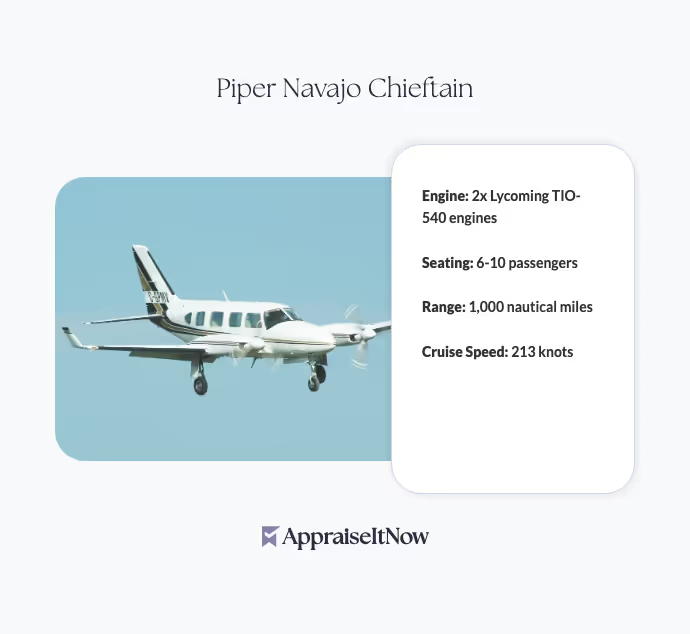
<p>The Chieftain's enduring market presence reflects genuine operational strengths that collectors and operators appreciate. Its twin-engine configuration provides safety margins appreciated by pilots operating over water or sparsely populated terrain. The spacious cabin accommodates up to nine occupants depending on configuration, making it suitable for everything from air taxi operations to corporate transport.</p>
<p>Can a Piper Navajo fly on one engine? The aircraft is fully capable of single-engine operations—a critical safety characteristic for twin-engine aircraft that allows continued flight even if one engine fails. This reliability factor extends beyond emergency scenarios to routine operations where engine redundancy provides confidence and operational flexibility.</p>
<p>The Chieftain's range capabilities, often exceeding 900 nautical miles with standard fuel, make it viable for business travel and charter operations. This capability translates to operational value—the aircraft can actually perform useful work across meaningful distances rather than serving primarily as a personal runabout.</p>
<h2>How Your Chieftain Compares to Other Twin-Engine Aircraft</h2>
<p>How does the Piper Navajo compare to others in its class? The Chieftain generally undervalues relative to the more famous Piper Twin Comanche, which serves similar markets but operates smaller cabins. Beechcraft Baron models often command similar or slightly higher valuations due to brand prestige, though operating costs and parts availability often favor the Chieftain.</p>
<p>The Chieftain's value proposition lies in practical utility rather than exotic appeal. Unlike <a href="/types/vintage-aircraft">vintage aircraft</a> which attract passionate collectors willing to pay premiums for historical significance, or <a href="/types/private-jet">private jets</a> which command substantially higher prices, the Chieftain occupies the workhorse category—reliable, proven, and reasonably priced for the capabilities provided.</p>
<h2>Operating Costs and Cost of Ownership</h2>
<p>Understanding operating expenses helps contextualize the Chieftain's value. How much does a Piper Navajo Chieftain cost per year to operate? Annual operating costs vary widely based on utilization, fuel prices, and maintenance needs, but realistic estimates for the Chieftain range from $35,000 to $75,000 annually including fuel, maintenance, hangar, insurance, and engine reserves.</p>
<p>These costs affect appraisal values because they influence who can realistically own and operate these aircraft. Owners seeking to minimize total cost of ownership must justify continued operation against these expense realities. A well-maintained Chieftain at the lower end of the valuation range ($150,000) might represent better value than a newer, more expensive <a href="/types/commercial-jet">commercial jet</a> when considering total economic value.</p>
<div class="callout tip"><p><strong>Economic Reality</strong></p>
<p>When evaluating aircraft purchase decisions, factor total cost of ownership across insurance, maintenance, fuel, and hangar costs, not just purchase price.</p></div>
<h2>Documentation Requirements for Accurate Appraisals</h2>
<p>When you contact an appraiser for your Chieftain, gather comprehensive documentation to support accurate valuation. Maintenance logs and service records documenting all major work provide crucial evidence of proper stewardship. Logbooks showing total flight hours, recent flights, and maintenance performed give appraisers confidence in the aircraft's current condition and remaining service life.</p>
<p>Engine overhaul documentation proves critical. Appraisers need to know when engines were last overhauled or major work performed. Fresh engines command premium valuations while engines approaching their service limits represent significant future expenses that reduce current value. Similarly, airframe damage history, accident records, and any major repairs require full disclosure.</p>
<p>Airworthiness documentation including current certificates of airworthiness, inspection records, and compliance with applicable airworthiness directives demonstrates the aircraft meets all regulatory requirements. This documentation protects both the appraiser and the aircraft owner by establishing that the aircraft is legal and suitable for continued operation.</p>
<h2>The Appraisal Process for Twin-Engine Aircraft</h2>
<p>Professional appraisers typically conduct comprehensive evaluations that combine physical inspection, documentation review, and market research. When you schedule an appraisal, the appraiser will conduct a thorough walk-around and interior inspection, examining the fuselage, wings, landing gear, and engines for corrosion, damage, or wear patterns. They'll verify maintenance records match the aircraft's condition and flight history.</p>
<p>The appraiser also researches comparable sales, examining prices achieved by similar Chieftains in recent transactions. They factor in regional market variations—aircraft in markets with active charter services or flight schools may command different prices than those in regions with limited twin-engine demand.</p>
<p>The resulting appraisal report documents the aircraft's condition, lists notable features or defects, provides detailed market analysis, and justifies the concluded valuation. This report becomes your official record of value, suitable for insurance, legal proceedings, or financial documentation. For owners of valuable equipment like <a href="/types/aircraft">aircraft</a>, these certified appraisals provide essential peace of mind that their investment is properly documented and understood.</p>
<h2>Trust Professional Expertise for Your Aircraft Valuation</h2>
<p>Getting your Piper Navajo Chieftain properly appraised transcends mere curiosity about current worth—it represents prudent stewardship of a significant asset. Whether you're a buyer evaluating an acquisition, a seller establishing asking prices, or an owner ensuring adequate insurance coverage, professional appraisal services deliver the objective, defensible valuations that modern financial and legal systems require.</p>
<p>AppraiseItNow connects you with USPAP-compliant aircraft appraisers who understand the Chieftain's unique value drivers. Our credentialed professionals (AAA, ISA, ASA credentials) combine technical aircraft knowledge with market expertise to produce appraisals that withstand insurance company scrutiny, support legal proceedings, and accurately reflect your aircraft's true worth in today's market.</p>
<div class="callout note"><p><strong>Key Takeaway</strong></p>
<p>A certified appraisal of your Piper Navajo Chieftain—at $150,000 to $160,000 value—provides essential documentation for insurance verification, purchase/sale transactions, and asset planning. Professional expertise ensures you understand both the technical condition and current market value of your aircraft investment.</p></div>