









<h1>How to Get Your ILO Freeze Dryer Appraised</h1>
<p>The ILO Freeze Dryer represents a significant investment in laboratory infrastructure, with estimated values ranging from <strong>$80,000 to $110,000</strong> depending on condition, age, and operational history. Whether you're evaluating equipment for insurance purposes, planning a sale, or managing an estate, understanding how to properly appraise this specialized <a href="/types/lab-equipment">lab equipment</a> ensures you capture its true market value.</p>
<h2>Understanding ILO Freeze Dryer Market Value</h2>
<p>Your ILO Freeze Dryer's value stems from its critical role in pharmaceutical and biotechnology research. The lyophilization process it performs—removing water from delicate samples through sublimation—makes it indispensable for preserving sensitive compounds that cannot withstand traditional drying methods. This specialized functionality directly influences how the market values these instruments compared to general <a href="/types/equipment-and-machinery">equipment and machinery</a>.</p>
<p>The $80,000–$110,000 valuation range reflects equipment in typical laboratory condition with documented operational history. Market value for an ILO freeze dryer depends significantly on whether you're looking at a specimen with minimal hours of use versus one from an active research environment. Equipment used in commercial or industrial settings, particularly those certified for cGMP-compliant pharmaceutical manufacturing, often command valuations at the higher end of this spectrum due to their proven reliability and regulatory clearance.</p>
<div class="callout tip"><p><strong>Valuation Insight</strong></p>
<p>Equipment with current calibration certificates and documented maintenance history can increase appraisal value by 15-25% compared to units with incomplete service records.</p></div>
<h2>Key Factors That Determine Your ILO Freeze Dryer's Value</h2>
<h3>Technical Specifications and Condition</h3>
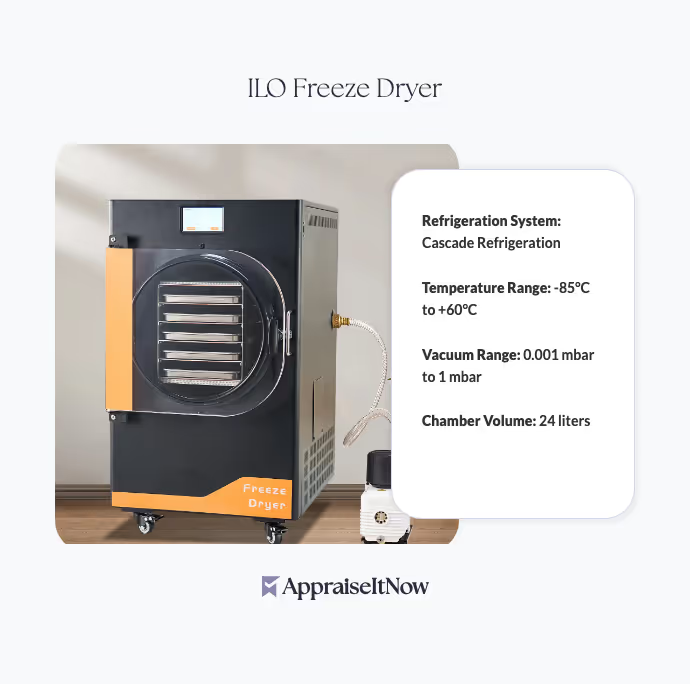
<p>The ILO Freeze Dryer has earned respect since its introduction in <strong>1982</strong> for its robust construction and precise environmental controls. Your unit's operational capacity—capable of processing up to 24 liters of samples—positions it among the more capable mid-range freeze dryers available. When evaluating your equipment's worth, appraisers examine specific technical elements that directly impact both functionality and market desirability.</p>
<p>The advanced temperature and pressure controls that define the ILO's capability require verification during appraisal. Equipment that maintains accurate calibration across its operating range commands higher valuations than units showing drift or requiring recalibration. Durable stainless steel construction means your freeze dryer's physical condition often mirrors its operational reliability, with visible corrosion or component degradation reducing appraised value proportionally.</p>
<h3>Documentation and Compliance Requirements</h3>
<p>Professional appraisals require comprehensive documentation for laboratory equipment, particularly instruments used in regulated industries. Your ILO Freeze Dryer's appraisal value improves substantially when you can provide serial numbers, service logs, and calibration certificates. Equipment certified for use in cGMP-compliant facilities carries premium value because it has already demonstrated compliance with stringent pharmaceutical manufacturing standards, eliminating additional qualification work for potential buyers.</p>
<p>When determining how much a lab freeze dryer costs in the secondhand market, appraisers distinguish between units with complete documentation versus those missing service records. A single missing calibration certificate or service log can reduce your equipment's appraised value by 10-20%, since buyers face additional qualification requirements and regulatory uncertainty. This mirrors how professional appraisers evaluate <a href="/types/chemical-equipment">chemical equipment</a> and <a href="/types/food-processing-equipment">food processing equipment</a> in commercial settings, where documentation proves compliance and operational history.</p>
<div class="callout note"><p><strong>Documentation Critical</strong></p>
<p>Gather all maintenance records, calibration certificates, user manuals, and original purchase documentation before appraisal. These materials directly impact your final valuation.</p></div>
<h2>Age, Maintenance History, and Resale Value Dynamics</h2>
<p>Your ILO Freeze Dryer's age significantly influences its market position. Equipment manufactured in the 1980s and 1990s has proven itself through decades of reliable operation, which appeals to budget-conscious research facilities. However, newer units with enhanced controls and reduced maintenance requirements often command higher per-unit values. The question of whether your freeze dryer's age represents experience-proven reliability or outdated technology depends entirely on its maintenance condition and operational performance.</p>
<p>Freeze dryers in continuous operation often show more cosmetic wear but prove their mechanical soundness through consistent performance. Conversely, equipment stored for extended periods may have lower hours but face potential component degradation from environmental exposure. Professional appraisers evaluate these trade-offs when establishing fair market value, weighing proven operational history against condition observations.</p>
<p>Regular maintenance dramatically improves your equipment's appraised value. Freeze dryers receiving annual servicing and prompt repairs for worn components retain their functionality and market appeal far better than neglected units. The best way to preserve your ILO's resale value involves documenting every service intervention, parts replacement, and performance verification. When appraisals distinguish between lab-scale and industrial/production freeze dryers, maintenance documentation helps establish which category your equipment occupies and what buyer expectations exist.</p>
<h2>Distinguishing Your Equipment's Market Position</h2>
<h3>Lab-Scale Versus Production-Grade Equipment</h3>
<p>Understanding where your ILO Freeze Dryer fits within the broader freeze dryer market helps establish realistic value expectations. Lab-scale instruments like the ILO serve research and development environments, processing relatively small batch sizes in controlled laboratory settings. Production-grade equipment, by contrast, handles larger volumes and operates under more demanding conditions for commercial pharmaceutical manufacturing or food processing operations.</p>
<p>Your ILO's 24-liter processing capacity positions it at the boundary between these categories—suitable for expanding research programs or small-scale production work, but not adequate for high-volume manufacturing. This versatility generally expands the potential buyer pool compared to single-purpose equipment, supporting values across the wider $80,000–$110,000 range. Equipment that meets ASTM and ISO standards, as the ILO does, appeals to both academic and commercial buyers, further supporting broader market demand.</p>
<p>The question "Is freeze drying a profitable business?" directly influences who seeks your equipment and what they'll pay. Commercial operators expect different performance parameters than research scientists, leading appraisers to assess your equipment against multiple valuation frameworks. Your ILO's documented cGMP certification particularly matters if potential buyers include pharmaceutical manufacturers, as it eliminates the need for expensive qualification procedures that would otherwise burden post-purchase integration.</p>
<h2>Why Professional Appraisal Matters for Freeze Drying Equipment</h2>
<h3>USPAP Compliance and Legal Documentation</h3>
<p>Professional appraisals for your ILO Freeze Dryer provide documentation that satisfies insurance companies, courts, and regulatory agencies. USPAP-compliant appraisal reports for equipment used in commercial or industrial settings follow specific methodologies that establish defensible value conclusions. Whether you're managing insurance coverage for valuable laboratory assets, dividing equipment in business dissolution, or substantiating equipment value for tax purposes, professional appraisals create the formal documentation these situations require.</p>
<p>The difference between casual estimate and certified appraisal becomes critical when substantial value is involved. A $95,000 piece of equipment without proper documentation exposes you to significant risk—insufficient insurance coverage, disputed values in legal proceedings, or tax challenges in audits. Professional appraisers specializing in <a href="/blog/what-types-of-equipment-and-machinery-can-be-appraised">equipment and machinery valuation</a> understand the specific documentation requirements and market analysis methodologies that make appraisals defensible and acceptable to institutional stakeholders.</p>
<h3>Market Analysis and Comparative Valuation</h3>
<p>Professional appraisers determine your ILO Freeze Dryer's value through comparative market analysis, examining recent sales of comparable equipment, considering condition variations, and adjusting for specification differences. This systematic approach produces valuations far more reliable than internet research or vendor estimates. Appraisers access industry databases tracking equipment sales, understand regional market variations, and recognize how specific certifications or modifications affect buyer demand.</p>
<p>When evaluating equipment value, appraisers consider questions like "What's the average price of a freeze dryer?" across various market segments. Your ILO's mid-range capacity and established reliability position it differently than high-end production equipment or budget laboratory alternatives. Understanding these market dynamics requires expertise in both freeze drying technology and current equipment trading patterns—exactly what professional appraisers bring to your valuation.</p>
<div class="callout tip"><p><strong>Value Protection</strong></p>
<p>Obtain appraisals every 3-5 years if your equipment remains in service. Market conditions change, and updated valuations protect your insurance coverage and asset documentation.</p></div>
<h2>Preparing Your Equipment for Professional Appraisal</h2>
<p>Before scheduling your appraisal appointment, gather all available documentation that demonstrates your ILO Freeze Dryer's history and condition. Serial numbers, manufacturing dates, and configuration details help appraisers verify specifications and authenticate the equipment. Service logs documenting maintenance intervals, repairs, and parts replacements provide critical evidence of operational care and reliability.</p>
<p>Photographs taken from multiple angles showing the equipment's overall condition help appraisers understand wear patterns and assess physical state relative to age. Close-up images of control panels, displays, and any visible damage or repairs contribute valuable documentation. If your equipment has been recently serviced or calibrated, include those service reports in your appraisal materials—they directly support higher valuations by demonstrating continued reliability.</p>
<h2>Summary</h2>
<p>Your ILO Freeze Dryer represents significant value in the used laboratory equipment market, with fair market value typically ranging from $80,000 to $110,000 for units in good condition. Professional appraisal ensures you capture this value accurately whether you're buying, selling, insuring, or managing the equipment for regulatory compliance. By gathering comprehensive documentation, maintaining meticulous service records, and engaging certified appraisers experienced with specialized <a href="/blog/a-guide-to-understanding-the-value-of-laboratory-equipment">lab equipment</a>, you establish the foundation for confident, defensible valuations that satisfy professional and institutional requirements.</p>
<div class="callout note"><p><strong>Key Takeaway</strong></p>
<p>A USPAP-compliant professional appraisal of your ILO Freeze Dryer provides the certified documentation and market analysis needed for insurance coverage, legal proceedings, and asset management, ensuring your equipment's substantial value is properly recognized and protected.</p></div>