









<h1>How to Get Your Henny Penny Combi Oven SCR Appraised</h1>
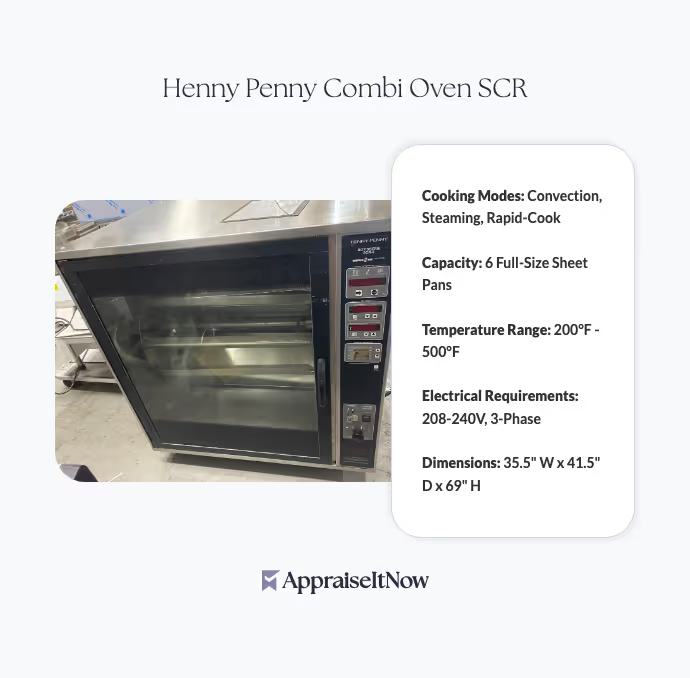
<p>When you own a <strong>Henny Penny Combi Oven SCR</strong>—a workhorse commercial appliance worth <strong>$16,000 to $20,000</strong>—knowing how to properly appraise it becomes critical whether you're selling, replacing, or insuring the equipment. This versatile combi oven has earned its place in high-volume commercial kitchens since its 2015 introduction, and getting an accurate valuation requires understanding what appraisers evaluate and what documentation strengthens your appraisal.</p>
<h2>Understanding Combi Oven Value Drivers</h2>
<p>The market value of your Henny Penny SCR depends on far more than just the asking price. Appraisers assess multiple factors simultaneously to determine fair market value, much like evaluating other <a href="/types/equipment-and-machinery">equipment and machinery</a> assets. Age matters, but so do operational hours, maintenance history, and current functionality. A well-maintained unit from 2018 with 5,000 operational hours will command significantly more than an identical model year with 15,000 hours and deferred maintenance.</p>
<p>The serial number and production date form the foundation of any appraisal. These identifiers allow appraisers to verify the exact model specifications, original manufacturer recommendations, and depreciation schedules specific to your unit. Your Henny Penny SCR's stainless steel construction and digital controls help it retain value better than older mechanical models, but verifying authenticity through proper documentation matters tremendously.</p>
<blockquote>
<p>Always ensure your appraisal includes verification of serial numbers and operational hours—units with documented service records showing regular maintenance typically appraise 10-15% higher than comparable machines with incomplete histories.</p>
</blockquote>
<h2>What Appraisers Examine During Inspection</h2>
<p>Professional appraisers specializing in <a href="/types/restaurant-equipment">restaurant equipment</a> look beyond cosmetic appearance. They systematically evaluate the convection system's functionality, steam generation capability, and temperature consistency—the core features that define your Henny Penny SCR's utility. During inspection, they test digital controls for responsiveness, verify heating elements function properly, and assess whether the rapid-cooking capabilities work as designed.</p>
<p>When documentation is missing, experienced appraisers use specific verification methods. They photograph serial number plates, examine construction quality and materials, reference internal design features against manufacturer specifications, and compare wear patterns to known production timelines. If your oven lacks original paperwork, professional appraisers can still establish authenticity through these technical assessments, though complete documentation strengthens the process considerably.</p>
<p>The inspection also identifies any modifications, missing components, or functional deficiencies that affect value. A non-functioning steam system represents a significant adjustment downward, as does damaged wiring, corrosion damage, or any structural issues. These aren't deal-breakers necessarily—appraisers simply quantify the cost to remediate such issues against current market value.</p>
<blockquote>
<p>Most qualified appraisers examine both interior and exterior components, including heating elements, steam delivery systems, and control panel responsiveness. This comprehensive approach ensures nothing is overlooked.</p>
</blockquote>
<h2>Gathering Essential Documentation</h2>
<p>Before scheduling your appraisal, compile the documentation that speeds the process and strengthens your valuation. Your original purchase invoice establishes acquisition date and baseline cost information. The manufacturer's manual provides technical specifications and expected useful life, which appraisers use to calculate depreciation. Service records documenting maintenance and repairs tell a story about how well the equipment has been cared for—this matters significantly to potential buyers or insurers evaluating replacement value.</p>
<p>High-quality photographs of your SCR from multiple angles—including interior cavity, control panel, exterior condition, and any distinctive features—help appraisers prepare for inspection and provide documentation for your appraisal file. If you've performed modifications or upgrades, documentation of those changes is equally important, as modifications can either add or subtract value depending on their nature and quality.</p>
<p>When you lack original documentation, don't hesitate—simply note what's unavailable. Professional appraisers expect this reality in used equipment markets and have trained methodologies to work around missing paperwork. Being transparent about what you have and don't have actually speeds the appraisal timeline considerably.</p>
<h2>Market Value Factors Specific to Commercial Ovens</h2>
<p>Understanding the broader <a href="/types/food-processing-equipment">food processing equipment</a> market helps you prepare for your appraisal conversation. Commercial combi ovens typically follow predictable depreciation patterns. A five-year-old unit in good condition generally retains 60-70% of original value, while a ten-year-old model might hold 40-50%. Your Henny Penny SCR's energy-efficient design and compact footprint help it maintain value better than older, larger competitors that consume more electricity and floor space.</p>
<p>Local and national resale markets influence what your specific unit commands. Restaurant equipment dealers, commercial auction houses, and wholesale buyers all participate in creating market demand. Your oven's accessibility matters too—a unit in a major metropolitan area with many restaurants has broader appeal than an identical machine in a rural location. Appraisers research these regional variations through comparable sales data, dealer listings, and auction results to establish fair market value within your specific context.</p>
<p>The depreciation schedule for commercial combi ovens typically assumes a 10-15 year useful life for accounting purposes, though quality equipment like your Henny Penny often exceeds this timeframe functionally. What matters for appraisal is current fair market value—what a knowledgeable buyer would pay today—not original cost or book value.</p>
<h2>Preparing for Different Appraisal Purposes</h2>
<p>Your appraisal purpose shapes the appraiser's methodology and report format. For insurance replacement purposes, appraisers focus on current replacement cost—what you'd need to spend today to acquire comparable equipment. For sale or listing, they emphasize fair market value based on recent comparable transactions. Loan or collateral appraisals highlight depreciated asset value relevant to lenders. Tax deductions require specific USPAP-compliant documentation. Estate settlement appraisals balance multiple considerations for fair family distribution.</p>
<p>AppraiseItNow provides certified appraisals suitable for all these purposes, delivered by credentialed experts across the U.S. representing organizations like AAA, ISA, ASA, CAGA, and AMEA. Clarifying your specific need upfront ensures the appraiser collects exactly the right information and presents findings in the format your situation requires. Whether you need documentation for <a href="/types/beverage-equipment">beverage equipment</a> or <a href="/blog/the-essential-guide-to-food-processing-equipment-appraisal">food processing equipment</a>, our platform connects you with specialists.</p>
<blockquote>
<p>Specify your appraisal purpose upfront—insurance, sale, loan, tax, or estate—to ensure the appraiser gathers the exact documentation your situation requires.</p>
</blockquote>
<h2>Remote vs. In-Person Appraisal Considerations</h2>
<p>Many people ask whether appraisals can be completed remotely for commercial kitchen equipment like your Henny Penny SCR. The answer is nuanced. A preliminary appraisal based on photographs, detailed descriptions, and documentation can certainly occur remotely and often provides good baseline value estimates. However, most commercial equipment requires in-person inspection to verify condition, test functionality, identify any damage or modifications, and produce a defensible appraisal suitable for official purposes like insurance or legal proceedings.</p>
<p>Think of remote appraisals as initial consultations that inform your expectations and next steps. For official USPAP-compliant appraisals acceptable to insurers and institutions, in-person inspection typically becomes necessary. The good news: professional appraisers can often combine remote preliminary assessment with a targeted in-person visit, making the process efficient and cost-effective.</p>
<h2>Timeline and Cost Expectations</h2>
<p>Appraising a single commercial combi oven typically takes 2-4 weeks from scheduling to final report delivery, though simple cases may conclude faster. Complexity affects this timeline—multiple units, remote locations requiring travel, missing documentation requiring additional research, or specialized requirements all extend the process. Appraisal costs for restaurant equipment generally range from $400-$800 for a straightforward single-unit evaluation, with variations based on location, complexity, and your specific appraisal requirements.</p>
<p>When budget matters, understanding these factors upfront helps you plan accordingly. Our tech-enabled platform at AppraiseItNow streamlines the process—you submit photos, documentation, and descriptions securely online, credentialed appraisers conduct their assessment (often combining remote analysis with targeted in-person inspection), and you receive a comprehensive, certified report suitable for official purposes. Our experts understand the specifics of <a href="/blog/what-to-expect-from-your-restaurant-equipment-appraisal">restaurant equipment appraisals</a> and work efficiently to deliver accurate valuations.</p>
<h2>Model Variants and Market Comparables</h2>
<p>The Henny Penny SCR series exists within a broader lineup of versatile commercial ovens serving restaurants, catering operations, and food service facilities. Appraisers familiar with the equipment market understand SCR-specific features and can identify accurate comparable sales from this particular model family. Different variants within the series may command slightly different values based on specific capabilities, capacity differences, and production dates.</p>
<p>When appraisers research comparables for your Henny Penny SCR, they're looking for recent transactions of identical or extremely similar models, emphasizing quality, condition, and documented sales (not just asking prices). This comparative market analysis approach mirrors how <a href="/types/business-assets">business assets</a> are valued generally, anchoring opinions in real transaction data rather than speculation.</p>
<blockquote>
<p>Experienced appraisers specializing in restaurant equipment understand model variants, production dates, and market-specific valuation methods that generalists miss—this expertise directly improves your appraisal accuracy.</p>
</blockquote>
<h2>Documentation That Strengthens Your Appraisal</h2>
<p>Beyond the basics—purchase invoice, manual, photos—consider gathering these items to maximize appraisal credibility. Maintenance logs showing regular servicing with dates and work performed demonstrate care. Warranty documentation and any extended service agreements add value context. Electrical compliance certifications or safety inspections show the equipment meets current standards. If you've invested in upgrades like improved controls or efficiency modifications, documentation of those improvements strengthens value justification.</p>
<p>The relationship between good recordkeeping and appraisal accuracy is direct. Equipment with comprehensive documentation typically appraises more confidently and defensibly than comparable machines with thin paper trails. This is especially true when you need the appraisal for official purposes like insurance claims, legal proceedings, or institutional lending.</p>
<h2>Value Adjustments Specific to Your Equipment</h2>
<p>Appraisers apply specific adjustments when your Henny Penny SCR deviates from the ideal condition or configuration. A non-functioning steam system might reduce value by 15-20%, depending on functionality and repair costs. Missing or damaged components subtract value proportionally to replacement cost. Corrosion, wiring issues, or modifications all trigger adjustments reflecting their impact on utility and safety.</p>
<p>Conversely, recent major service, new heating elements, or upgraded controls might add back value. The appraiser's job is to account for these deviations systematically, building a detailed value opinion that reflects your specific unit's characteristics rather than assuming it matches the baseline model.</p>
<h2>Working with Professional Appraisers</h2>
<p>Choose appraisers with specific experience in commercial <a href="/blog/a-guide-to-navigating-restaurant-equipment-appraisals">restaurant equipment appraisals</a>. Look for credentials from recognized organizations, ask about their methodology for establishing market value, and clarify what your specific appraisal purpose requires. The best appraisers ask detailed questions about your equipment, your situation, and what you ultimately need the appraisal to accomplish.</p>
<p>AppraiseItNow connects you with credentialed experts who specialize in equipment valuation, understand USPAP standards, and deliver reports suitable for insurance, sale, lending, or estate purposes. Our platform simplifies the process while ensuring you receive professional, defensible appraisals that stand up to scrutiny. Consider also reviewing resources on <a href="/blog/the-basics-of-equipment-and-machinery-appraisal">choosing the right equipment appraiser</a> to ensure you're working with someone who truly understands your asset.</p>
<blockquote>
<p>Ask potential appraisers about their experience with Henny Penny equipment specifically and request references from previous clients who appraised similar commercial kitchen equipment.</p>
</blockquote>
<h2>Key Takeaway</h2>
<p>Your Henny Penny Combi Oven SCR represents a significant asset worth $16,000 to $20,000, and getting it properly appraised protects your investment whether you're buying, selling, replacing, or insuring. A professional, USPAP-compliant appraisal provides defensible documentation that insurers accept, institutions rely upon, and transaction partners respect. By gathering comprehensive documentation, understanding what appraisers evaluate, and working with credentialed experts, you ensure accurate valuation that reflects your equipment's true market value today.</p>
<p>Ready to appraise your commercial kitchen equipment? AppraiseItNow makes the process straightforward—submit photos and documentation online, connect with certified appraisers, and receive detailed valuations in 2-4 weeks. Your Henny Penny SCR deserves the professional attention that ensures confidence in its current worth.</p>