









<h1>How to Get Your Diamond DA40 Appraised</h1>
<p>The Diamond DA40 represents a significant investment for pilots and aviation enthusiasts, commanding valuations between <strong>$35,000 and $55,000</strong> depending on age, condition, and equipment specifications. Whether you're buying, selling, insuring, or documenting this high-performance aircraft for estate planning, understanding the appraisal process ensures you receive an accurate and defensible valuation.</p>
<h2>Understanding Diamond DA40 Value Drivers</h2>
<p>The DA40's market value reflects far more than just its physical condition. Introduced in 2000, this single-engine, four-seat aircraft has become a preferred platform for both private pilots and flight schools due to its exceptional fuel efficiency and advanced avionics. Your specific DA40's value depends on several interconnected factors that professional appraisers systematically evaluate.</p>
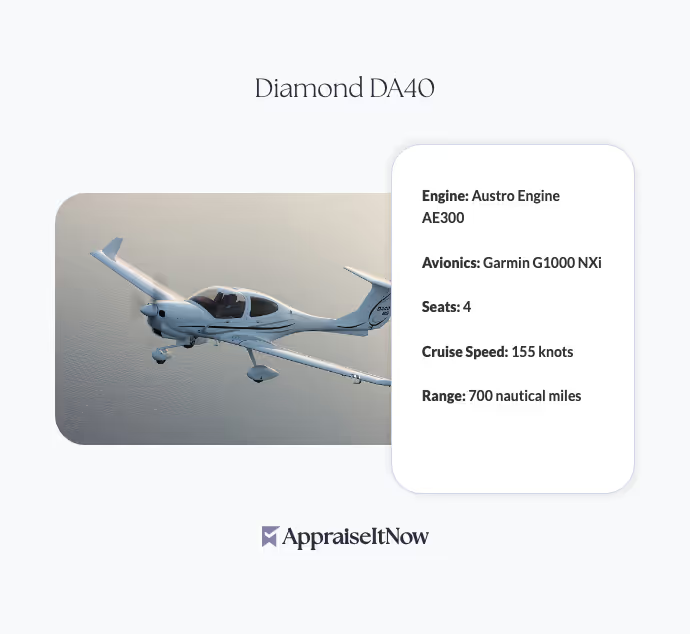
<p>The aircraft's all-composite construction and eco-friendly diesel engine distinguish it from competitors like the Cessna 172, which still represents the industry standard for training. However, the DA40's superior cruise speed of 155 knots and range exceeding 700 nautical miles create distinct market positioning that appeals to different buyer profiles. When evaluating an <a href="/types/airplane">airplane</a> for appraisal purposes, distinguishing between trainer-oriented and personal-use configurations significantly affects valuation.</p>
<div class="callout tip"><p><strong>Market Insight</strong></p>
<p>DA40s equipped with the Garmin G1000 NXi glass cockpit command premiums of 10-20% over earlier avionics configurations, reflecting modern pilot preferences for integrated flight management systems.</p></div>
<h2>Key Specifications That Impact Your DA40's Appraisal Value</h2>
<p>Professional appraisers focus on technical specifications and operational history when determining your aircraft's worth. The DA40's Austro Engine represents a meaningful differentiator—its diesel powerplant delivers exceptional fuel efficiency, operating costs roughly 20-30% lower than comparable Lycoming or Continental engines. This translates directly to ownership cost advantages that appraisers quantify when establishing market value.</p>
<p>The aircraft's construction materials—primarily carbon fiber composites rather than traditional aluminum—provide weight savings and performance benefits while introducing condition assessment complexities. Composite structures require specialized inspection for delamination, impact damage, or environmental degradation that conventional aircraft evaluation might overlook. When seeking professional valuation through services like AppraiseItNow, ensure your appraiser has specific <a href="/types/aircraft">aircraft</a> experience with composite construction methods.</p>
<p>Your DA40's handling characteristics—renowned among pilots for smooth control response and forgiving flight dynamics—represent intangible value factors that sophisticated appraisers incorporate. Flight schools particularly value the DA40's stability during student training, and aircraft with documented training use histories maintain better values than high-utilization commercial examples. The question of whether the DA40 is easy to fly receives consistent positive responses from experienced evaluators, supporting premium positioning relative to more demanding single-engine alternatives.</p>
<table class='appraisal-table'>
<thead>
<tr>
<th>Feature</th>
<th>Impact on Value</th>
<th>Details</th>
</tr>
</thead>
<tbody>
<tr>
<td>Glass cockpit (G1000 NXi)</td>
<td>+$4,000-$8,000</td>
<td>Modern avionics command premiums</td>
</tr>
<tr>
<td>Total aircraft hours</td>
<td>Variable</td>
<td>Heavily flown examples reduce value</td>
</tr>
<tr>
<td>Engine condition</td>
<td>+/- $5,000-$15,000</td>
<td>Overhaul status affects long-term costs</td>
</tr>
<tr>
<td>Damage history</td>
<td>-$2,000-$25,000+</td>
<td>Any structural repairs reduce value significantly</td>
</tr>
<tr>
<td>Annual inspection status</td>
<td>+$2,000-$5,000</td>
<td>Current airworthiness documentation premium</td>
</tr>
</tbody>
</table>
<h2>Operating Costs and Owner Profiles</h2>
<p>Understanding the operational expenses associated with DA40 ownership provides context for appraisers evaluating buyer motivation and market demand. How much does it cost to run a DA40 per hour? Comprehensive operating costs typically range from <strong>$400 to $550 per hour</strong> including fuel, maintenance reserves, insurance, and hangar expenses. This cost structure appeals particularly to personally-owned aircraft seeking efficiency, distinguishing the DA40 from higher-cost <a href="/types/commercial-jet">commercial jet</a> or <a href="/types/commercial-aircraft">commercial aircraft</a> models.</p>
<p>The diesel fuel requirement creates both advantages and operational considerations. While diesel fuel costs less than avgas, aircraft must operate at compatible facilities with proper fuel infrastructure. Appraisers assess whether your specific aircraft has been maintained at facilities with comprehensive DA40 maintenance capabilities—Austro Engine expertise remains somewhat specialized compared to traditional piston engine service networks.</p>
<div class="callout note"><p><strong>Operational Consideration</strong></p>
<p>DA40 owners benefit from reduced fuel consumption, but should factor in potential premium insurance costs and specialized maintenance requirements when calculating true ownership expenses.</p></div>
<h2>Aircraft Age and Technological Evolution</h2>
<p>The timespan since the DA40's 2000 introduction has seen significant technological advancement in aviation systems and safety features. Older DA40 models with basic glass cockpits or legacy avionics systems trade at substantial discounts compared to recent aircraft equipped with modern integrated flight systems. When evaluating how this affects your valuation, consider that professional operators increasingly demand current avionics for both capability and insurance favorability.</p>
<p>The DA40's suitability for both experienced and student pilots represents a key market advantage, but appraiser evaluation must account for operational history. Flight school aircraft typically show higher utilization hours but benefit from meticulous maintenance records and consistent inspection protocols. Conversely, personally-owned examples may have lower documentation standards despite similar or higher flight hours. Professional appraisals using <a href="/types/personal-property">personal property</a> valuation methods account for these documentation differences when establishing fair market value.</p>
<h2>Comparison Context: DA40 vs. Cessna 172 and Competition</h2>
<p>How does the DA40 compare to a Cessna 172? The comparison reveals important value positioning factors. The Cessna 172 maintains broader market appeal due to higher production volumes, lower acquisition costs, and more ubiquitous service networks. However, the DA40 attracts buyers prioritizing fuel efficiency, performance, and modern avionics—buyers willing to pay premiums for these advantages.</p>
<p>Is the DA40 better than Cessna variants? Aircraft appraisers recognize that "better" depends entirely on operational mission and owner priorities. The 172 excels as an affordable trainer with excellent parts availability and maintenance accessibility. The DA40 commands premium valuations by delivering superior range, speed, and efficiency to owners valuing these capabilities. This market segmentation means your DA40 appraisal shouldn't directly compete with 172 valuation comparables—instead, professional appraisers identify DA40-specific comparable sales within the past 12-24 months.</p>
<h2>Condition Assessment and Maintenance Documentation</h2>
<p>Your DA40's appraised value reflects current condition status comprehensively. Professional appraisers examine airframe integrity, engine condition, avionics functionality, and interior condition using established aircraft evaluation standards. Unlike automotive appraisals where mileage provides a primary condition indicator, aircraft appraisals emphasize inspection compliance, maintenance intervals, and specific component condition assessment.</p>
<p>The all-composite construction means appraisers conduct detailed visual inspection and potentially specialized testing (ultrasonic inspection, moisture testing) to identify hidden defects. Component condition evaluation includes engine time-since-overhaul, alternator and electrical system reliability, propeller condition, and landing gear functionality. Each of these systems receives individual assessment contributing to overall valuation adjustment.</p>
<div class="callout tip"><p><strong>Preparation Tip</strong></p>
<p>Compile your maintenance logbooks, inspection reports, and any supplemental structural inspections before your appraisal appointment—comprehensive documentation supports higher valuations and faster appraisal completion.</p></div>
<h2>Insurance Valuation and Agreed Value Coverage</h2>
<p>When seeking DA40 appraisal for insurance purposes, work with certified professionals experienced in aviation valuations. Your appraisal establishes "agreed value" for comprehensive aircraft insurance policies, protecting you against underinsurance or valuation disputes following damage claims. Unlike <a href="/types/recreational-vehicle">recreational vehicle</a> insurance that uses standardized values, aircraft insurance depends critically on individualized professional assessment.</p>
<p>Professional appraisals through services like AppraiseItNow provide USPAP-compliant documentation accepted by all major aviation insurers and financial institutions. The appraiser's certification ensures your valuation reflects fair market value established through comparable sales analysis, condition assessment, and market research—exactly what insurance companies require for claims settlement confidence.</p>
<h2>Investment and Resale Considerations</h2>
<p>The DA40 represents a compelling investment for pilots seeking to own rather than rent aircraft. How far can a Diamond DA40 fly? The 700+ nautical mile range enables meaningful personal travel, supporting higher owner utility than more limited training aircraft. This practical capability translates to strong resale demand among experienced pilots upgrading from smaller trainers or seeking reliable personal transportation.</p>
<p>Professional appraisers recognize that DA40 values have remained relatively stable compared to more volatile aircraft markets, reflecting consistent demand from both commercial operators and personal owners. The aircraft's efficient operating economics reduce ownership burden, supporting broader buyer accessibility and healthier secondary market conditions.</p>
<h2>Depreciation Patterns and Market Trends</h2>
<p>Aircraft typically depreciate roughly 10-15% annually during the first five years of ownership, then stabilize into slower depreciation following that initial period. Your DA40's specific depreciation trajectory depends on utilization patterns, maintenance history, and equipment level. Appraisers analyze these factors to establish realistic current valuations, adjusting for positive or negative deviation from typical market patterns.</p>
<p>The DA40's established market position within the general aviation community supports relatively predictable value retention. Unlike <a href="/types/vintage-aircraft">vintage aircraft</a> or specialty models experiencing rapid appreciation or depreciation, the DA40 maintains steady market positioning suitable for owner-operators seeking transportation utility rather than investment speculation.</p>
<h2>Obtaining Your Professional Appraisal</h2>
<p>When you're ready for a comprehensive DA40 valuation, select appraisers with specific <a href="/types/aircraft">aircraft</a> expertise and established credentials. The appraiser should provide detailed written reports including current market analysis, comparable sales documentation, condition photographs, and clear valuation support. AppraiseItNow connects you with certified evaluators across the United States holding appropriate credentials (AAA, ISA, ASA) and aviation-specific experience.</p>
<p>Your appraisal investment typically ranges from <strong>$500 to $1,500</strong> depending on aircraft complexity and report scope, representing a small percentage of your aircraft's total value. This documentation proves invaluable for purchase verification, insurance compliance, estate planning, or financial documentation needs.</p>
<hr />
<div class="callout note"><p><strong>Key Takeaway</strong></p>
<p>A professional Diamond DA40 appraisal provides certified documentation of fair market value, protecting your interests whether buying, selling, insuring, or planning your aviation asset's future. Experienced appraisers account for the DA40's unique operational advantages and market positioning, delivering valuations that reflect this high-performance aircraft's true worth in today's aviation market.</p></div>