









<h1>How to Get Your Chevrolet Camaro Z28 1969 Appraised</h1>
<p>The Chevrolet Camaro Z28 from 1969 stands as one of the most coveted American muscle cars ever produced, commanding prices between <strong>$30,000 and $40,000</strong> in today's collector market. Whether you're considering selling, insuring, or simply valuing your piece of automotive history, understanding the appraisal process ensures you capture the true worth of this iconic vehicle. A professional appraisal provides the documentation and expertise needed to confidently move forward with confidence in any transaction or estate matter.</p>
<h2>Why Your 1969 Camaro Z28 Holds Significant Value</h2>
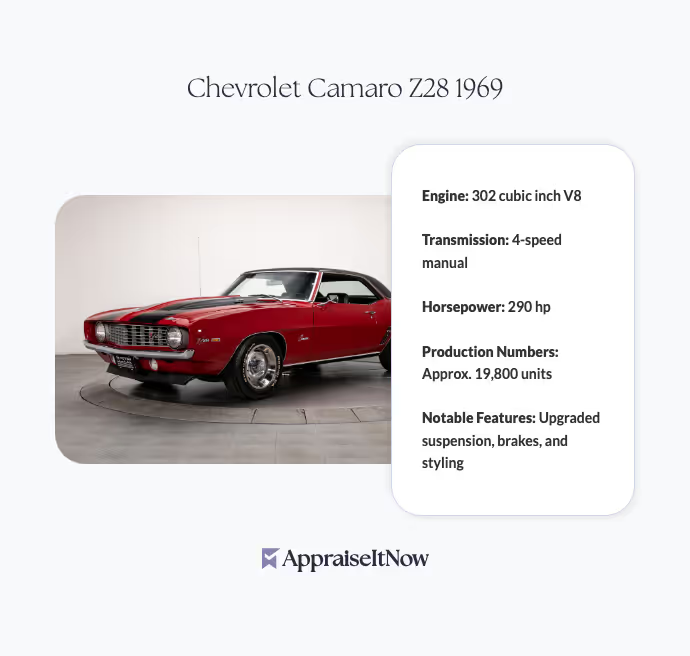
<p>The 1969 Z28 isn't just another classic car—it represents a specific moment when American engineering prioritized raw performance and track capability over everything else. The combination of its legendary 302 cubic inch V8 engine producing <strong>290 horsepower</strong>, exceptional driving dynamics, and striking design makes it a true enthusiast's delight. When fewer than 20,000 units were produced that year, scarcity itself becomes a powerful value driver.</p>
<p>What makes the '69 Z28 special extends beyond raw specs. The design was purpose-built for racing, featuring a revised suspension, upgraded braking systems, and unique styling cues that immediately distinguish it from standard Camaro models. These deliberate engineering choices weren't marketing gimmicks—they represented genuine performance enhancements that still captivate collectors today. This historical significance, combined with its proven reliability and growing rarity, positions your 1969 Camaro Z28 as a valuable <a href="/types/automobile">automobile</a> asset worthy of professional evaluation.</p>
<div class="callout tip"><p><strong>Market Reality</strong></p>
<p>The iconic Rally Green color and matching serial numbers can add 15-20% to your appraisal value compared to examples with non-original paint or unclear history.</p></div>
<h2>Understanding What Drives 1969 Camaro Z28 Value</h2>
<h3>Production Details That Matter to Appraisers</h3>
<p>Your Z28's value starts with understanding its place in automotive history. The Z28 package was first introduced in 1967 as a direct response to the competitive American muscle car wars, but the 1969 model year refined everything the original designers envisioned. By the time production ceased, Chevrolet had built approximately 19,800 units across the Z28's production run, with 1969 models representing a specific subset that collectors actively pursue.</p>
<p>When evaluating whether a 1969 Camaro is truly a Z28, professional appraisers verify critical authenticity markers. These include original badging, the distinctive cowl hood, matching engine components, and documentation of factory specifications. How many 1969 Z28 Camaros are left today? While exact numbers remain debated, surviving examples in good condition represent perhaps 30-40% of original production, making authentic examples genuinely scarce in the collector market.</p>
<h3>Evaluating True Horsepower and Performance Specs</h3>
<p>The stated 290 horsepower figure requires context. Factory ratings of that era used different measurement standards than modern SAE procedures, meaning real-world output likely exceeded published numbers. Professional <a href="/blog/what-is-an-automobile-appraisal">automobile appraisal</a> experts understand these technical nuances and how they affect value calculations. An original, unmodified engine with authentic documentation commands premiums over examples showing signs of rebuilding or modification, even when performance metrics remain similar.</p>
<p>The 1969 Z28's true performance lay not just in horsepower but in comprehensive engineering. The revised suspension geometry, performance-oriented brakes, and weight distribution optimizations created a package genuinely different from street-oriented muscle cars. This track-focused pedigree appeals to serious collectors and historically-minded enthusiasts who value authenticity over modification trends.</p>
<h2>Condition Factors That Directly Impact Your Appraisal Value</h2>
<p>Your specific 1969 Camaro Z28's market value falls within the <strong>$30,000–$40,000</strong> range, but actual appraisals vary significantly based on measurable condition factors. Professional appraisers assess multiple dimensions when evaluating <a href="/types/personal-property">personal property</a> like classic automobiles, and understanding these categories helps you anticipate your vehicle's likely valuation.</p>
<p>Original paint quality forms one of the most significant value markers. While many restored examples feature excellent newer paint, collectors of 1969 Z28s increasingly recognize original finishes as premium attributes, even with visible patina. Interior condition similarly affects value—original upholstery and dash components command substantial premiums over high-quality reproductions. Mechanical soundness matters tremendously; an original, unmodified engine that runs properly outpaces modified powerplants in many collector circles.</p>
<p>Documentation represents another critical factor. Original build sheets, title history, maintenance records, and photographic provenance all enhance appraisal outcomes. Conversely, a 1969 Camaro with unclear ownership history or missing documentation typically appraises 15-25% below comparable examples with complete records, even when mechanical condition is identical.</p>
<div class="callout note"><p><strong>Authenticity Premium</strong></p>
<p>Matching numbers (engine, transmission, and frame all original) typically command 10-15% premiums over vehicles with mismatched components, even when performance is equivalent.</p></div>
<h2>Is a 1969 Camaro a Good Investment?</h2>
<p>The question of whether a '69 Camaro represents sound investing involves understanding market trends beyond mere purchase price. Muscle car values have shown impressive long-term appreciation, though trajectory and stability vary by model. The 1969 Z28 specifically benefits from multiple collecting constituencies—muscle car enthusiasts, Camaro loyalists, and general classic car investors all compete for quality examples, creating stable demand fundamentals.</p>
<p>Historical appreciation patterns show 1969 Camaros gaining value at rates exceeding general inflation, suggesting legitimate investment potential for well-maintained examples. The convergence of scarcity, documented history, and cultural significance creates a relatively resilient value foundation. Unlike trend-driven collector cars that collapse when market sentiment shifts, the Z28's technical accomplishments and racing heritage provide enduring appeal.</p>
<p>That said, investment returns depend heavily on condition, originality, and documentation. A carefully maintained original example with clear provenance typically appreciates faster than a comprehensively restored vehicle with unknown history, though both may appreciate in absolute terms. The most valuable 1969 Camaro isn't necessarily the one with the best paint—it's the one with the clearest story, best documentation, and most authentic specification.</p>
<h2>What Makes a 1969 Camaro Z28 Most Valuable?</h2>
<p>Beyond the general $30,000–$40,000 range, certain examples command significantly higher prices. Documented drag racing history, particularly with factory support or significant vintage competition success, creates substantial premiums. Original delivery to noteworthy owners or vehicles featured in period publications gain collector attention. Rare option combinations—particularly matching certain color and interior configurations with the performance package—occasionally lift prices toward or beyond the $40,000 ceiling.</p>
<p>The rarest Z28 configurations involved specific option ordering that production numbers suggest occurred infrequently. While detailed factory records remain incomplete, examples with unusual color combinations, specific interior treatments, or documented special orders typically attract premium attention during appraisals. These nuances highlight why professional evaluation matters; experienced appraisers recognize value drivers that less-informed buyers might overlook.</p>
<h2>When to Schedule Your Professional Appraisal</h2>
<p>You should obtain a professional appraisal for your 1969 Camaro Z28 when considering sale, requiring insurance documentation, handling estate matters, or seeking to understand current market value. Appraisals serve multiple purposes beyond simple valuation. <a href="/blog/using-automobile-appraisals-for-insurance-purposes">Insurance appraisals</a> ensure your coverage reflects true replacement cost. Estate appraisals establish values for distribution purposes and tax documentation. Pre-sale appraisals position your vehicle competitively in the marketplace by identifying what appraisers and buyers will likely focus upon.</p>
<p>The appraisal process begins with comprehensive photography and detailed inspection. Professional appraisers evaluate paint quality, mechanical condition, interior preservation, originality status, and documentation completeness. They compare your specific vehicle against recent comparable sales, considering regional market variations and current collector demand trends. What emerges is a detailed report explaining the valuation rationale—essential documentation for lenders, insurers, attorneys, and potential buyers.</p>
<div class="callout tip"><p><strong>Timing Advantage</strong></p>
<p>Obtaining an appraisal before listing for sale helps you set realistic asking prices and demonstrates confidence to potential buyers considering <a href="/types/memorabilia-and-collectibles">memorabilia and collectibles</a> acquisitions.</p></div>
<h2>Finding the Right Appraiser for Your 1969 Z28</h2>
<p>Not all appraisals carry equal weight. Professional evaluations should come from credentialed experts holding certifications through organizations like <strong>AAA, ISA, ASA, CAGA, or AMEA</strong>. These designations indicate demonstrated expertise, ethical standards, and commitment to <a href="/blog/what-to-look-for-in-an-automobile-appraisal-report">USPAP-compliant appraisals</a> that meet legal and professional standards. Appraiser selection matters significantly; someone with general classic car experience differs substantially from an expert specializing in 1960s American muscle cars and Z28 models specifically.</p>
<p>When interviewing potential appraisers, inquire about their specific experience with 1960s Camaros and Z28 models. Request references from previous clients and examples of recent appraisals they've completed. Verify their willingness to provide detailed written reports explaining valuation methodology rather than simple numerical conclusions. The best appraisers combine technical automotive knowledge with market research expertise and clear communication of their findings.</p>
<p>AppraiseItNow connects vehicle owners with credentialed appraisers specializing in <a href="/types/car">automobile</a> valuations across the United States. The platform's tech-enabled approach allows you to submit photographs, specifications, and documentation securely, expediting the evaluation process while maintaining professional standards.</p>
<h2>Comparing Your Z28 to Market Alternatives</h2>
<p>The question of comparing Z28s to Camaro SS models deserves clarification—the Z28 represented Chevrolet's performance answer to Pontiac's GTO, focusing on handling and track-oriented design, while the SS package appealed to different buyer priorities. For investment and collectibility purposes, the Z28 typically commands premiums due to its racing pedigree and greater technical sophistication. A 1970 Camaro Z28, by comparison, commands slightly different values reflecting production volume changes and market preferences for different years.</p>
<p>The most sought-after year for a Camaro remains a matter of collector perspective. First-generation models (1967-1969) hold different appeal than second-generation cars introduced in 1970. The 1969 Z28 specifically benefits from its final year status for that generation, clean lines that preceded significant 1970s styling changes, and the performance-focused engineering philosophy that characterized pre-EPA muscle cars. These factors support values that often exceed earlier Z28 models from 1967-1968.</p>
<h2>The Restoration Question and Its Impact on Value</h2>
<p>How much does it cost to restore a 1969 Camaro? Complete restorations typically run $25,000–$60,000+ depending on starting condition, desired finish level, and parts availability. This economic reality creates an important appraisal consideration: a well-maintained original often appraises higher than a comprehensively restored example that started in poor condition. The resale value rarely recovers complete restoration costs, making preservation of original condition preferable to extensive rebuilding whenever possible.</p>
<p>This principle doesn't mean restoration lacks value—rather, it highlights that strategic maintenance of originality typically produces better financial outcomes than comprehensive modification. Professional appraisers recognize and value this distinction, understanding that collected's preference for authenticity often outweighs cosmetic perfection.</p>
<div class="callout note"><p><strong>Key Takeaway</strong></p>
<p>A certified appraisal of your 1969 Chevrolet Camaro Z28 provides essential documentation for sale, insurance, or estate purposes, ensuring you understand your vehicle's true market value and have credible documentation supporting financial and legal decisions. Professional expertise identifies value drivers unique to your specific example, positioning you confidently in today's classic car market.</p></div>